 Nana Wu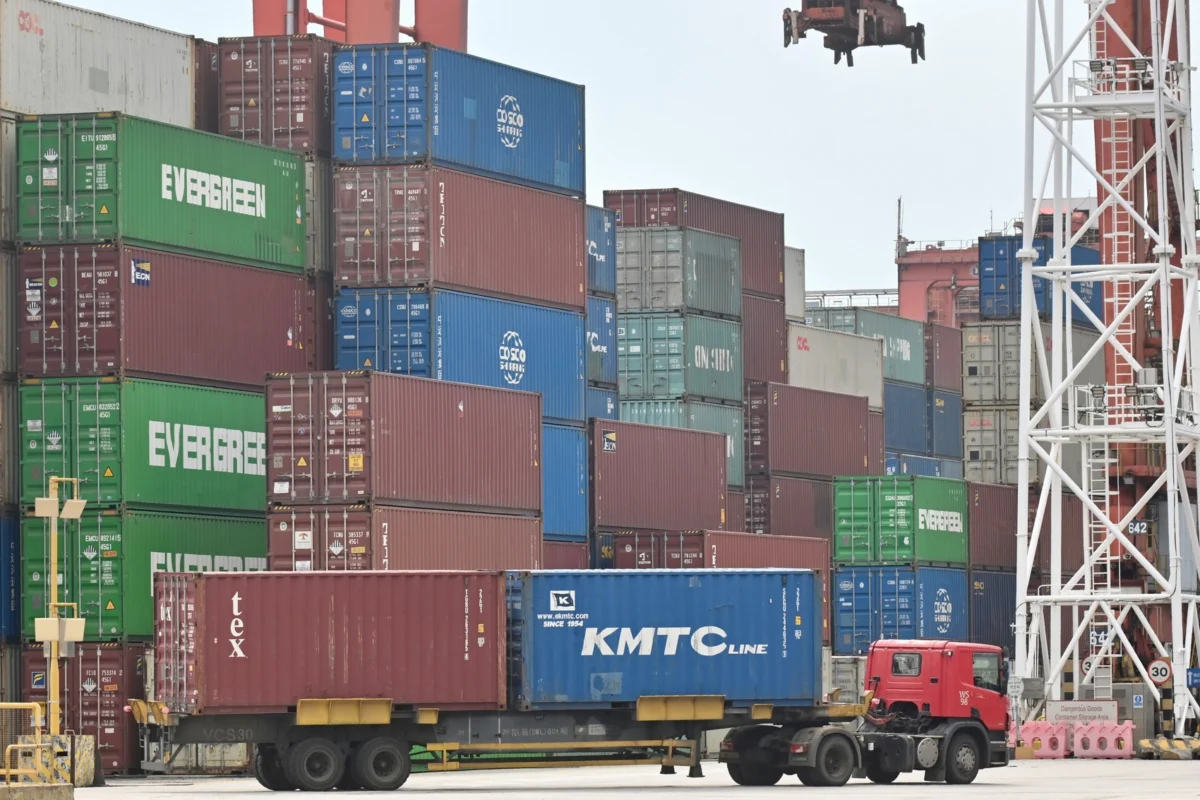
Beijing has issued a stern condemnation of fresh US tariffs imposed on China and 59 other countries, citing alleged forced labor concerns, and delivered a stark warning to Washington against initiating a new trade war. The new duties, which came into effect on Friday, signify a notable re-escalation of economic tensions between the world’s two largest economies, following a period of relative calm. The United States Trade Representative (USTR) announced that these levies, ranging from 10 to 12.5 percent, are part of a broader effort to rigorously enforce a ban on imports produced with forced labor, a move that China views as a unilateral protectionist measure.
The highest tariff rate of 12.5 percent has been specifically applied to goods originating from China, underscoring the particular focus of Washington’s concerns. In response, Chinese foreign ministry spokesperson Lin Jian articulated Beijing’s firm stance during a news briefing on Friday. "We oppose all forms of unilateral tariff measures," Lin stated emphatically, adding a cautionary note: "Tariff wars and trade wars are not in the interests of any party." This declaration from Beijing highlights its consistent objection to what it perceives as protectionist policies and its commitment to multilateral trade principles, even as it navigates complex geopolitical dynamics.

The Reinstatement of Tariffs: A Legal and Policy Context
These newly implemented tariffs supersede an expiring global duty that was originally rolled out by former President Donald Trump earlier in the year. The Trump administration has demonstrated a persistent intent to utilize tariffs as a key instrument of its trade policy, often citing national security, unfair trade practices, or, in this instance, human rights concerns such as forced labor. The swift move to rebuild the president’s tariff wall comes after the US Supreme Court dealt a significant blow to the administration’s ability to unilaterally unleash steep levies at will, striking down a host of his duties in February. This judicial intervention necessitated a re-evaluation and recalibration of the legal framework underpinning such trade restrictions, leading to the current set of tariffs under a renewed legal basis.
In unveiling these duties, US Trade Representative Jamieson Greer emphasized Washington’s commitment to ethical trade practices. Greer asserted that the US was "rigorously" enforcing a forced labor import ban and underscored that it was "well past time for our trading partners to do the same." This statement positions the tariffs not merely as economic tools but as instruments to promote global human rights standards within trade, pushing other nations to adopt similar prohibitions. The USTR’s office has consistently maintained that the use of forced labor constitutes an unfair trade advantage and a grave human rights violation, necessitating robust enforcement mechanisms to prevent such goods from entering the American market.
The structure of the new tariffs reflects a tiered approach based on a country’s existing policies regarding forced labor. Economies that have already implemented a comprehensive forced labor prohibition, such as Canada, the European Union, and the United Kingdom, received the lower 10-percent tariff rate. This differentiation suggests an incentive for other trading partners to adopt similar legislative and enforcement measures. Conversely, other major trade partners, including India and Japan, were hit with the higher 12.5-percent tariffs, indicating that the USTR believes these nations have not yet sufficiently addressed forced labor concerns or implemented comparable import bans.

A History of Trade Tensions: US-China Relations
The latest tariff imposition threatens to reignite trade tensions between China and the United States, which spent much of the preceding year embroiled in an escalating trade war. This protracted economic conflict, characterized by tit-for-tat tariff increases on hundreds of billions of dollars worth of goods, significantly disrupted global supply chains and created considerable uncertainty for businesses worldwide. The initial trade war began in 2018, with the Trump administration imposing tariffs on steel and aluminum imports, which quickly expanded to a wide range of Chinese products, citing intellectual property theft and unfair trade practices. China retaliated with its own tariffs on US goods, leading to a full-blown trade dispute.
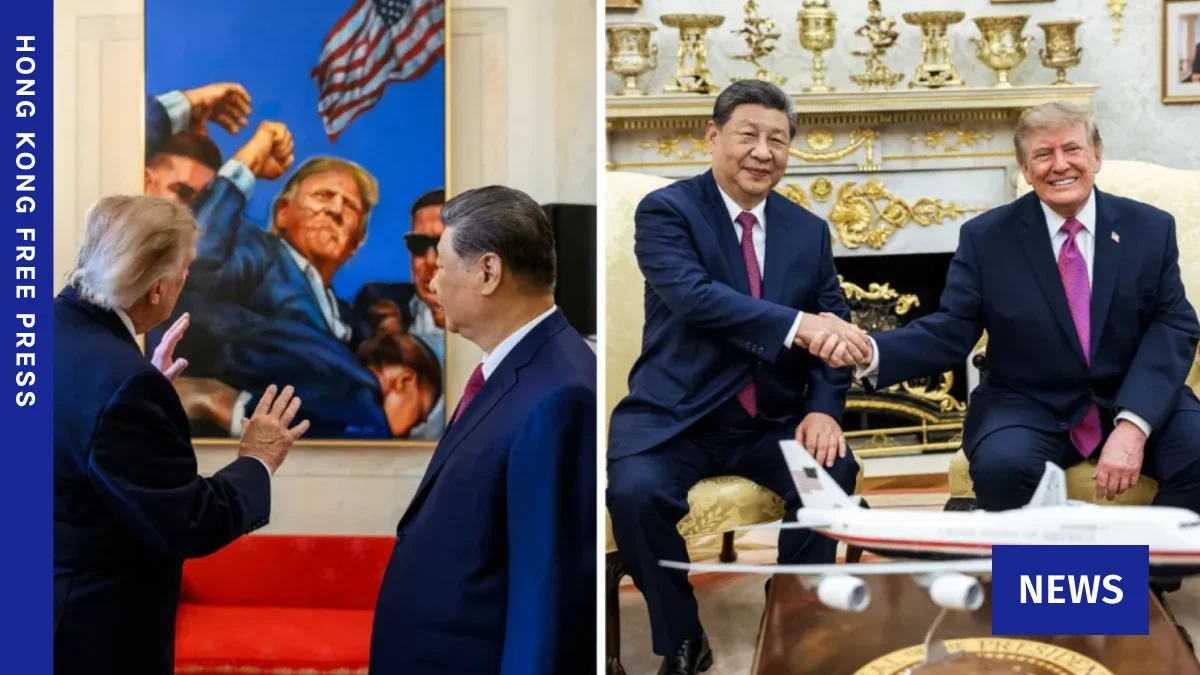
A momentary truce was reached when President Trump and Chinese President Xi Jinping met last October. This meeting led to an agreement, often referred to as a "Phase One" deal, which aimed to de-escalate tensions. Under this agreement, China committed to purchasing additional US agricultural products and other goods, while the US agreed to roll back some tariffs. Following Trump’s visit to Beijing earlier this year, China had indicated its willingness to work with the United States on reducing tariffs, signaling a potential path towards further de-escalation and normalization of trade relations. However, the current levies on forced labor concerns now cast a shadow over these earlier efforts and introduce a new, morally charged dimension to the trade dialogue.
The Underlying Issue: Forced Labor Allegations
The "alleged forced labour concerns" cited by the US as the basis for these tariffs are a deeply sensitive and complex issue, particularly in the context of US-China relations. While the specific details of the allegations are not provided in the original text, such claims often pertain to reports of forced labor practices in certain regions or industries within China, most notably associated with the Xinjiang Uyghur Autonomous Region. International human rights organizations and various governments have raised concerns about the treatment of ethnic minorities in Xinjiang, including allegations of mass detention, political indoctrination, and forced labor in sectors like cotton production and manufacturing.

The US government has increasingly prioritized human rights in its foreign policy and trade agenda, viewing the import of goods produced under forced labor as not only ethically objectionable but also as a distortion of fair market competition. Laws such as the Uyghur Forced Labor Prevention Act (UFLPA) in the US exemplify this commitment, establishing a rebuttable presumption that all goods manufactured wholly or in part in Xinjiang are made with forced labor and are therefore prohibited from entry into the US unless clear and convincing evidence proves otherwise. While the current tariffs are described as replacing an "expiring global duty" and affecting 59 countries, the prominent inclusion of China and the specific mention of "forced labour concerns" suggest a strong link to these ongoing human rights debates. Beijing vehemently denies all allegations of forced labor, characterizing them as politically motivated smears designed to undermine China’s economic development and internal stability.
Economic Ramifications and Supply Chain Disruptions
The economic ramifications of these new tariffs are likely to be multifaceted, affecting various stakeholders across global supply chains. For American consumers, tariffs can translate into higher prices for imported goods, as the cost of the duty is often passed down the supply chain. For US businesses that rely on imported components or finished products from China and the other 59 affected countries, these tariffs will increase operational costs, potentially reducing profit margins or forcing them to seek alternative, possibly more expensive, suppliers. This could lead to a reconsideration of sourcing strategies, further accelerating the trend of supply chain diversification away from China, known as "decoupling" or "friend-shoring."
The impact on the exporting countries will vary depending on their economic reliance on the US market and their ability to absorb the tariff costs or find alternative markets. For China, already facing internal economic challenges, additional tariffs on its exports to the US could put further pressure on its manufacturing sector and employment. While China has a vast domestic market and extensive trade relationships with other parts of the world, the US remains a critical export destination. For countries like India and Japan, which also face the higher 12.5% tariff, the economic impact could be significant, especially for industries heavily involved in trade with the US. These countries will likely assess their own policies regarding forced labor and consider whether adjustments are necessary to qualify for lower tariff rates in the future.

Furthermore, the imposition of tariffs based on human rights concerns introduces an additional layer of complexity to international trade. Businesses are increasingly expected to demonstrate due diligence in their supply chains to ensure that their products are not linked to forced labor or other unethical practices. This adds compliance burdens and necessitates greater transparency, potentially leading to increased scrutiny of sourcing practices globally. The tariffs could, therefore, serve as a catalyst for companies to invest more in supply chain traceability and ethical sourcing, albeit at a potentially higher immediate cost.
Statements from Other Stakeholders and Expert Analysis
Beyond the official statements from Beijing and Washington, the international community and economic analysts are closely monitoring these developments. Trade organizations and industry groups in the affected countries are likely to voice concerns about the potential negative impact on their members. For example, business associations in India and Japan, whose exports to the US will now face higher duties, may urge their respective governments to engage with Washington to resolve the underlying issues or to seek exemptions.
Economic analysts generally agree that trade wars, characterized by retaliatory tariffs, are detrimental to global economic growth. The International Monetary Fund (IMF) and the World Trade Organization (WTO) have repeatedly warned against protectionist measures, emphasizing that they disrupt global supply chains, reduce overall trade volumes, and dampen investment. Many experts will view these new tariffs as a move that could further fragment the global trading system, making it harder for the world economy to recover from recent shocks. Some analysts might interpret the US move as a signal that the Biden administration, despite adopting a more multilateral tone than its predecessor, is prepared to maintain robust pressure on China regarding trade and human rights, continuing a bipartisan approach to strategic competition. Others might suggest that while the immediate economic impact might be contained, the symbolic nature of the tariffs, particularly their link to forced labor, carries significant geopolitical weight and could further strain diplomatic relations.

The Path Forward: Potential for Escalation or De-escalation
The trajectory of US-China trade relations, and indeed global trade, hinges significantly on the response to these new tariffs. China’s foreign ministry spokesperson Lin Jian’s warning against "tariff wars and trade wars" strongly suggests that Beijing may consider retaliatory measures, although the exact nature and timing of any such actions remain to be seen. Any retaliation from China could lead to a further cycle of escalation, reminiscent of the previous trade war, with potentially more severe consequences for the global economy given the current fragile state of international trade.
Conversely, there is also a possibility for de-escalation, albeit a challenging one. For the tariffs to be removed or reduced, the US would likely require tangible actions from China and the other affected countries to address the forced labor concerns. This could involve increased transparency, independent verification of labor practices, or legislative reforms. The two-tiered tariff system indicates that the US is open to rewarding countries that implement forced labor prohibitions, providing a potential pathway for engagement and negotiation.
However, given the deep ideological and geopolitical divides between the US and China, particularly on human rights issues, a swift resolution appears unlikely. The issue of forced labor is not merely an economic dispute but a fundamental disagreement over values and governance models. Therefore, these tariffs are likely to become another persistent point of contention in the broader strategic competition between Washington and Beijing, impacting not only trade but also diplomatic relations, technological competition, and global governance discussions. The international community will be watching closely to see whether these new tariffs mark the beginning of a renewed and more complex trade conflict or if they will serve as a catalyst for a global dialogue on ethical supply chains and human rights in trade.

Ultimately, the imposition of these tariffs underscores the increasing intertwining of economic policy with human rights and geopolitical considerations. It signals a continued commitment by the US to leverage its economic power to influence international labor standards and puts further pressure on countries to align their practices with evolving global expectations regarding ethical sourcing. The response from China and the other 59 nations, and the subsequent actions by the US, will collectively shape the landscape of international trade for years to come.

 Jia Lissa
 Azzam Bilal Chamdy