Iffa Jayyana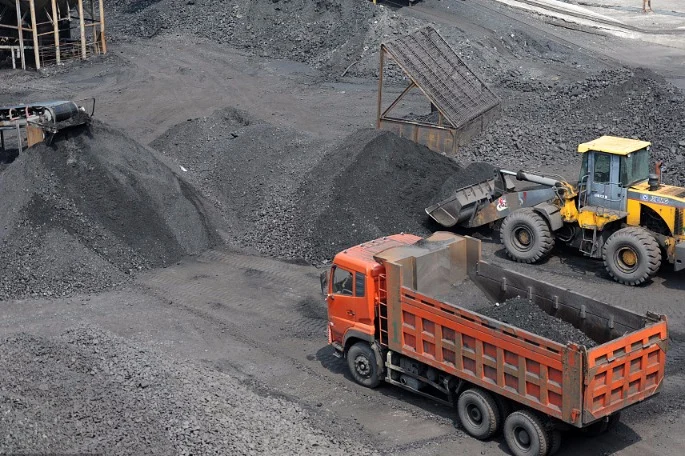
China is on track to significantly surpass its ambitious goals for reducing industrial overcapacity in both the coal and steel sectors, achieving key targets years ahead of schedule. This accelerated pace underscores Beijing’s unwavering commitment to supply-side structural reform, economic rebalancing, and a stringent national campaign against pollution. The nation’s drive to streamline its heavy industries is reshaping global commodity markets, bolstering environmental quality, and steering its economy towards a more sustainable growth model.
The Drive for De-Capacity: A National Priority
The push to cut industrial overcapacity is a cornerstone of China’s "supply-side structural reform," a comprehensive economic strategy initiated in 2016. This reform package aims to address five key areas: reducing industrial overcapacity, de-stocking, deleveraging, lowering corporate costs, and improving weak links in the economy. The 13th Five-Year Plan (2016-2020) set forth specific, binding targets for capacity reduction, particularly in the energy-intensive and highly polluting coal and steel industries. The motivation behind this colossal undertaking is multifaceted, encompassing both economic imperatives and escalating environmental concerns. Economically, overcapacity led to fierce competition, plummeting prices, widespread losses, and a proliferation of "zombie enterprises"—unprofitable firms kept afloat by government subsidies or bank loans, distorting market mechanisms and accumulating massive debt. Environmentally, the unchecked expansion of heavy industries had resulted in severe air, water, and soil pollution, particularly the notorious smog that frequently blankets major urban centers, sparking public outcry and prompting the government to declare a "war on pollution."
Accelerated Progress in the Coal Sector
China is poised to achieve its target of reducing coal capacity by 500 million metric tons a full year ahead of the original three-to-five-year timeframe. Jiang Zhimin, vice-president of the China National Coal Association, confirmed that this significant milestone is expected to be met by the end of the following year (2018). This rapid progress is a testament to the government’s decisive action and the industry’s response to policy directives.
The scale of transformation within the coal industry is substantial. By the close of 2017, the number of operational coal mines in China was projected to decrease dramatically to approximately 7,000, down from 10,800 in 2015. This reduction represents a consolidation of the industry, moving away from numerous small, inefficient, and often unsafe mines towards larger, more modern, and environmentally compliant operations. The focus on consolidation is evident in the statistic provided by Jiang Zhimin, noting that over 1,200 coal mines now boast an annual production capacity exceeding 1.2 million tons, collectively accounting for more than 75 percent of the country’s total coal capacity. This shift not only improves efficiency and safety standards but also enhances the overall sustainability of the sector.
A chronological review of capacity reduction highlights the speed of implementation:
- 2016: China cut coal capacity by more than 290 million tons, exceeding its annual target. This initial push laid the groundwork for subsequent efforts.
- 2017: The annual target for coal capacity reduction was set at 150 million tons. This goal was accomplished by November, demonstrating consistent and effective policy execution.
The combined efforts in 2016 and 2017 represent a significant portion of the overall 500-million-ton target, positioning the country for early completion. The implications for the global coal market include potential price stabilization and a shift in demand patterns, as China, the world’s largest coal consumer, refines its domestic supply.
Transforming the Steel Industry: Beyond "Zombie" Mills
Parallel to the coal sector, China has made equally impressive strides in cutting steel capacity. The 13th Five-Year Plan set an ambitious target of reducing steel capacity by 100 million to 150 million tons. According to Xu Wenli, head of the Iron and Steel Division at the Ministry of Industry and Information Technology (MIIT), the country has already slashed more than 115 million tons of steel capacity, placing it firmly within reach of the upper limit of its five-year target. This achievement, well ahead of the 2020 deadline, underscores the government’s resolve to address oversupply and modernize the industry.
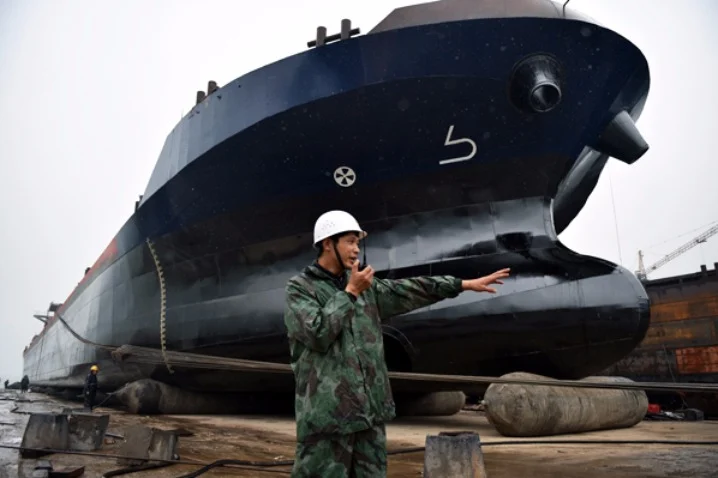
A critical aspect of steel capacity reduction has been the systematic elimination of outdated, low-quality production facilities, often referred to as "zombie mills" or those producing "rebar" steel from scrap metal in induction furnaces. These operations were notorious for their inefficiency, high energy consumption, and severe environmental pollution. By the end of June, China had phased out the production of 140 million tons of this low-quality steel, a decisive move that not only reduced capacity but also significantly improved the overall quality and environmental footprint of the steel sector.
The timeline of steel capacity reduction is similarly impressive:
- 2016: Over 65 million tons of steel production capacity were eliminated, marking a strong start to the national campaign.
- 2017: The country’s capacity reduction goal for the year, set at 50 million tons, was met by the end of August, three months ahead of schedule.
Xu Wenli emphasized that the country will continue its robust efforts to cut outdated steel capacity and, crucially, implement stringent measures to prevent shuttered or illegal steel mills from resuming operations. This commitment highlights the understanding that sustained vigilance is necessary to prevent the re-emergence of overcapacity. The enforcement of these policies has been bolstered by nationwide environmental inspections, which have served as powerful tools to identify and close non-compliant facilities, regardless of local government protection.
The Ripple Effect: Iron Ore Imports and Domestic Mining Overhaul
The significant cuts in domestic coal and steel production capacity are creating noticeable ripple effects across related industries, particularly in the iron ore market. Lei Pingxi, chief engineer at the Metallurgical Mines Association of China, projects an increase in China’s iron ore imports in 2018. This anticipated rise is directly linked to the country’s strategic decision to close small, polluting domestic iron ore mines as part of its broader campaign to improve air quality and consolidate mining operations.
China, already the world’s largest importer of iron ore, is expected to further increase its reliance on international markets. Lei Pingxi provided specific forecasts:
- 2017: Iron ore imports were projected to rise by 5.5 percent year-on-year, reaching 1.08 billion tons.
- 2018: A further increase of 3 percent is anticipated, bringing total imports to 1.12 billion tons.
This growing demand from China is a critical factor for major global iron ore producers, particularly Australia and Brazil, which are key suppliers to the Chinese market.
Domestically, the government’s crackdown on pollution extends to its own iron ore mining sector. Lei Pingxi indicated that approximately one-third of China’s iron ore mining licenses, primarily belonging to small, environmentally non-compliant operations, would be canceled. This aggressive measure is part of a government-led initiative targeting smog and outdated steelmaking capacity. More than 1,000 mining licenses are slated for cancellation, impacting 15 to 20 percent of the country’s total iron ore capacity. While this move enhances environmental protection, it simultaneously reduces domestic supply, thereby reinforcing the need for increased imports. This strategy reflects a broader policy shift: prioritizing environmental sustainability and efficiency over self-sufficiency in raw material extraction at any cost.
Economic and Environmental Dividends
The rapid and extensive industrial capacity cuts are yielding substantial economic and environmental dividends for China. Economically, the reduction in overcapacity has led to a healthier industrial landscape. The elimination of "zombie enterprises" has freed up capital and labor, allowing resources to be reallocated to more productive and innovative sectors. Industrial profitability has seen a notable improvement, as supply-demand imbalances are addressed and prices stabilize. For instance, the profitability of major industrial firms rose significantly in 2017, partly attributed to the supply-side reforms. The deleveraging aspect of the reforms also aims to reduce systemic financial risks associated with excessive corporate debt.
Environmentally, the impact is profound and tangible. The closure of polluting coal mines, outdated steel mills, and inefficient iron ore operations has directly contributed to a noticeable improvement in air quality across many industrial regions. Major cities, which frequently suffered from severe smog, have reported reductions in PM2.5 concentrations. This improvement in public health and living standards is a significant social benefit, bolstering public support for the government’s environmental policies. Furthermore, by reducing coal consumption and promoting cleaner production methods, China is making significant strides towards fulfilling its commitments under the Paris Agreement on climate change, reducing its overall carbon footprint.
While the benefits are clear, the restructuring has also presented social and economic challenges. The closure of mines and factories has inevitably led to job losses in traditional heavy industry sectors. The Chinese government has proactively addressed this by allocating substantial funds for worker resettlement, retraining programs, and supporting the development of new industries in affected regions. For example, specific funds have been established to assist displaced workers in coal and steel sectors, providing unemployment benefits, vocational training, and incentives for entrepreneurship.
Looking Ahead: Sustainable Industrial Development
China’s accelerated progress in cutting industrial capacity signals a long-term commitment to a fundamental transformation of its economy. The focus is shifting from sheer volume and speed of growth to quality, efficiency, and sustainability. The next phase of industrial development will likely emphasize technological upgrading, innovation, and the adoption of greener production processes across all sectors. Investment in advanced manufacturing, high-tech industries, and renewable energy sources is expected to continue to grow, creating new engines of economic growth.
The government’s continued vigilance against the re-emergence of overcapacity and its unwavering commitment to environmental protection will be crucial. This involves not only enforcing existing policies but also developing new regulatory frameworks that promote cleaner, more efficient industrial practices. The experience gained from the current capacity reduction campaign will inform future industrial policies, guiding China towards a more balanced, resilient, and environmentally responsible economic model. This strategic pivot positions China not only to address its domestic challenges but also to influence global industrial trends and environmental stewardship.
In conclusion, China’s decisive actions in rapidly reducing coal and steel overcapacity ahead of schedule mark a pivotal moment in its economic restructuring. Driven by a dual mandate of economic rebalancing and environmental protection, these reforms are fundamentally altering China’s industrial landscape. While presenting immediate challenges, the long-term implications point towards a more efficient, profitable, and sustainable industrial sector, with profound benefits for both the Chinese populace and the global environment. The nation’s sustained commitment to these reforms underscores its ambition to transition into a high-quality, innovation-driven economy.

 Evan Lee Salim
 Suro Senen