Rifan Muazin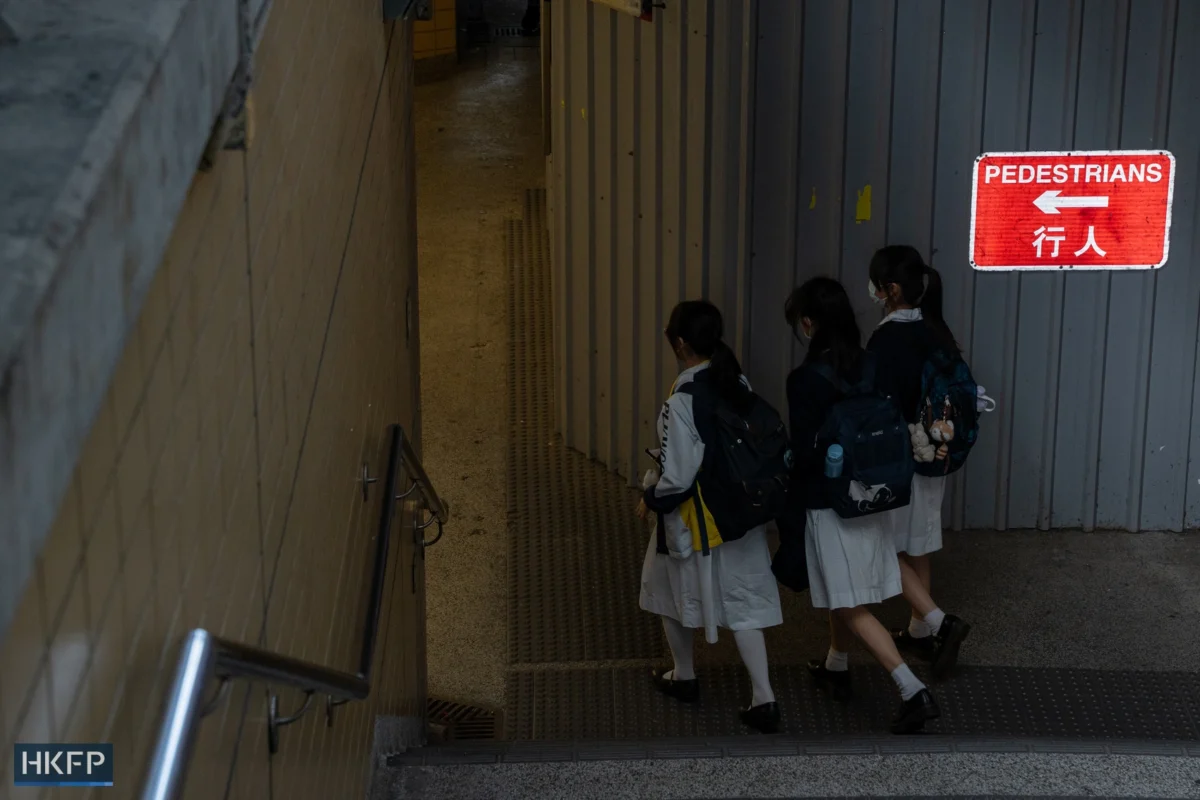
A recent survey has unveiled a deeply concerning reality within Hong Kong’s education system: more than one in ten primary and secondary school students have engaged in self-harming behaviours. The study, conducted by the Junior Chamber International Lion Rock and the Hong Kong Family Mediation Association (HKFMA), further highlights the immense pressure placed upon young minds, with nearly half of the surveyed students identifying school as their principal source of stress. This alarming statistic underscores a growing mental health crisis among Hong Kong’s youth, demanding immediate attention and comprehensive support strategies.
The comprehensive research involved the collection of 254 student questionnaires and 107 parent questionnaires, administered between March and August of the current year. The findings paint a stark picture of the pressures faced by students. A significant 47 per cent of students, along with 41 per cent of parents, pinpointed school as the primary driver of stress in young people’s lives. This pervasive academic pressure, the survey suggests, is deeply intertwined with students’ self-worth, leading some to resort to extreme coping mechanisms when overwhelmed.

The study’s overarching goal was to equip parents with the tools to recognize potential warning signs of distress in their children and to establish effective stress-relief methods. However, the results indicate a substantial communication gap between parents and children regarding mental well-being. Over a fifth of students reported that their parents were unable to perceive their stress, while a notable 12 per cent of parents admitted to being unaware of their children’s struggles. This disconnect represents a critical missed opportunity for early intervention and support.
The Escalation of Distress: Self-Harm and Aggression
The survey’s findings on self-harm are particularly troubling. Eleven per cent of the students surveyed disclosed that they had engaged in self-harming behaviours, which included actions such as cutting themselves and refusing to eat. Furthermore, an additional 8 per cent reported experiencing tendencies towards harming others, indicating a broader spectrum of distress and potential for aggressive behaviour stemming from unaddressed emotional turmoil.
A Chinese press release accompanying the report articulated the severity of this situation: "When students cannot verbally express their distress, extreme behaviour becomes the only way out when stress reaches its breaking point. Without early professional intervention, these tendencies risk escalating." This statement underscores the urgent need for proactive mental health support to prevent the escalation of distress into more dangerous forms of behaviour.

Psychologist Victor Ching, speaking at a press conference on Sunday, characterized self-harm as an "extreme and ineffective" mechanism for emotional regulation. He explained that individuals experiencing intense internal turmoil may resort to physical pain as a means to numb overwhelming emotional distress. Ching elaborated on the spectrum of self-harm, noting that it can begin with seemingly minor acts such as slapping or scratching oneself, and in more severe cases, can escalate to actions like pulling out one’s own hair.
Bridging the Gap: Strategies for Support and Intervention
The researchers emphasized the importance of equipping students and parents with practical coping strategies. Psychologist Victor Ching recommended that parents and students proactively engage in mindfulness, grounding, and breathing relaxation techniques. He strongly advised seeking professional counselling before students reach a critical breaking point, stressing that early intervention is paramount in preventing the escalation of mental health challenges.
Fish Leung, executive director of the HKFMA, echoed these sentiments, urging parents to be more attuned to the subtle warning signs of stress in their children. He advocated for a non-judgmental approach, encouraging empathy and open communication as crucial steps in helping children navigate their challenges and find constructive solutions.

The personal testimony of "May," a parent representative at the press conference, offered a poignant illustration of the impact of improved communication. She admitted to previously becoming easily frustrated when her children posed questions about schoolwork that she couldn’t answer. However, she shared that her home environment has "improved significantly" since she participated in a program offered by the family mediation NGO, which taught her essential communication and relaxation techniques. This personal account highlights the tangible benefits of providing parents with effective support mechanisms.
The Academic Gauntlet: A Lifelong Impact?
The Hong Kong education system is widely recognized for its rigor and competitive nature. From an early age, students are subjected to a demanding curriculum, high-stakes examinations, and an intense focus on academic achievement. This environment, while fostering discipline and hard work, can also create a breeding ground for chronic stress and anxiety. The survey’s finding that nearly half of students identify school as their primary stressor is a stark indictment of this system’s impact on young mental health.
The pressure to excel academically is often amplified by societal expectations and the perceived link between academic success and future opportunities. In Hong Kong, a city renowned for its economic dynamism and high cost of living, parental aspirations for their children’s success can translate into immense pressure on students to perform at their best. This can lead to a situation where students’ self-worth becomes inextricably tied to their grades and exam results, making academic setbacks feel like personal failures.

The researchers’ observation that students tie academic performance to their self-worth is particularly concerning. This mindset can create a vicious cycle: as stress levels rise due to academic demands, a student’s ability to focus and perform effectively diminishes, leading to lower grades, which in turn further exacerbates their feelings of inadequacy and stress. This can create a debilitating loop that is difficult for young people to break without external support.
Broader Implications and the Path Forward
The implications of these findings extend far beyond individual students and their families. A generation of young people struggling with overwhelming stress and resorting to self-harm could have profound long-term consequences for Hong Kong society. This includes potential impacts on the future workforce, increased demand on mental health services, and the perpetuation of a cycle of stress and anxiety if not adequately addressed.
The calls for enhanced parental education and accessible mental health resources are more critical than ever. The Junior Chamber International Lion Rock and the Hong Kong Family Mediation Association have taken a crucial step in highlighting this issue. However, sustained and collaborative efforts from educational institutions, government bodies, mental health professionals, and community organizations are required to create a more supportive and nurturing environment for Hong Kong’s students.

This may involve a re-evaluation of the educational curriculum to incorporate more holistic development, including critical thinking, emotional intelligence, and stress management skills, alongside traditional academic subjects. Schools can play a vital role by fostering a culture that destigmatizes mental health issues and encourages open dialogue. The implementation of more robust school-based counselling services and the training of teachers to identify and support students in distress are also essential steps.
Furthermore, the government has a responsibility to invest in accessible and affordable mental health services for young people. This includes increasing the availability of child and adolescent psychiatrists, psychologists, and social workers, as well as promoting public awareness campaigns about mental well-being. The provision of resources for parents, such as workshops and support groups, can also empower them to better assist their children.
The statistics revealed by this survey serve as a wake-up call. Hong Kong’s students are facing unprecedented levels of stress, and the consequences are manifesting in alarming ways. Addressing this crisis requires a multi-faceted approach that prioritizes the mental health and well-being of young people, ensuring that their academic pursuits do not come at the cost of their overall health and happiness. The future of Hong Kong hinges on the well-being of its youth, and proactive, compassionate, and effective intervention is no longer an option, but an imperative.

If you are in need of support:
- The Samaritans: 2896 0000 (24-hour, multilingual)
- Suicide Prevention Centre: 2382 0000
- Government Mental Health Hotline: 18111
- The Hong Kong Society of Counselling and Psychology WhatsApp Hotline: 6218 1084 (English and Chinese)
See also: HKFP’s comprehensive guide to mental health services in Hong Kong.

 Nila Kartika Wati
 Basiran