Neng Nana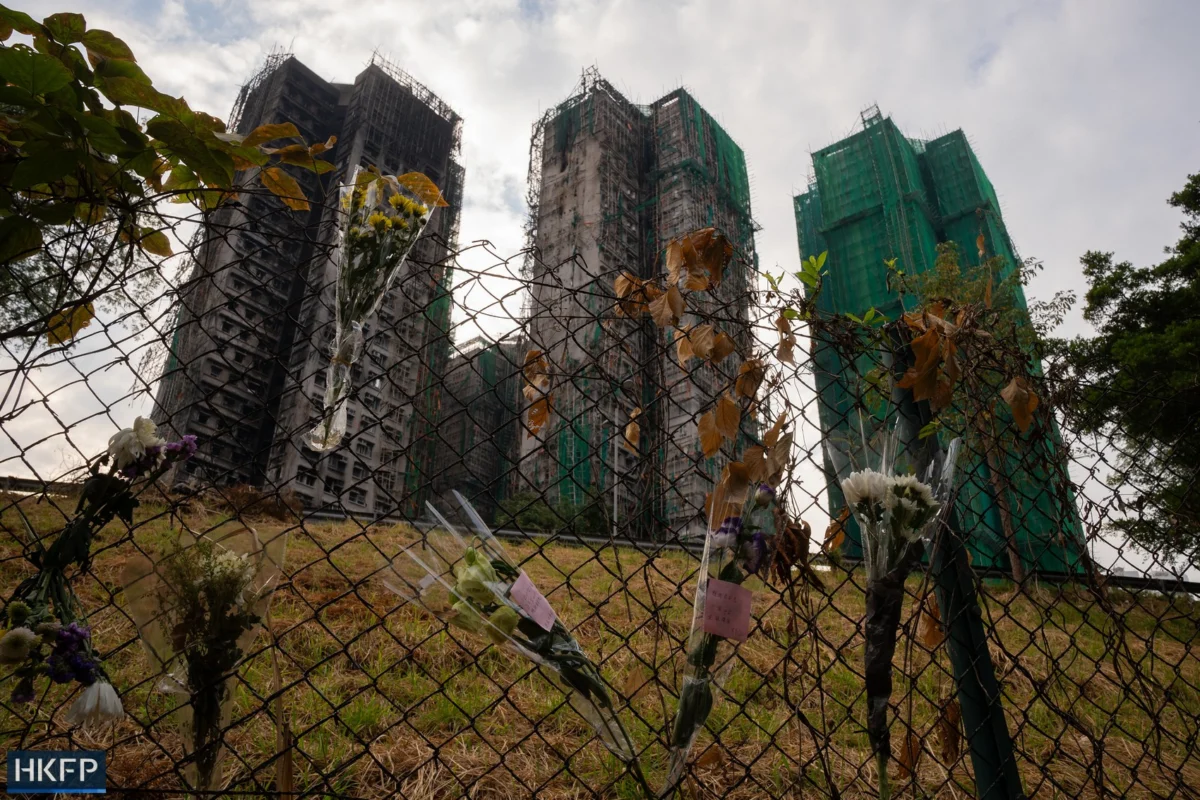
Hong Kong is poised to revolutionize its urban management and emergency response capabilities with the development of an ambitious "AI City Brain" initiative, as announced by the city’s leader, John Lee, during his annual Policy Address. This significant technological undertaking aims to leverage artificial intelligence to create a more efficient, responsive, and resilient urban environment, drawing inspiration from similar successful implementations in mainland China. The initiative signifies a proactive approach to tackling complex urban challenges, from optimizing daily services to bolstering public safety during crises.

The establishment of a dedicated task force, to be chaired by the Chief Secretary, underscores the government’s commitment to this forward-looking project. This high-level body will bring together key stakeholders from the Security Bureau, the Transport and Logistics Bureau, the Development Bureau, and the Innovation, Technology and Industry Bureau. This inter-departmental collaboration is crucial for the seamless integration of diverse data streams and the coordinated implementation of AI-driven solutions across various facets of city governance.
The concept of a "city brain" is not new to the region. The pioneering "city brain" was first developed by the tech giant Alibaba in Hangzhou, China, approximately a decade ago. Since its inception, this sophisticated urban AI platform has been adopted by numerous cities across the mainland. These platforms are designed to centralize and analyze vast amounts of real-time data collected from a multitude of sources. This includes information from closed-circuit television (CCTV) cameras, various tracking systems, smart sensors deployed throughout the city, government databases, public social media feeds, and data from mobile applications. By integrating and processing this comprehensive data, the "city brain" aims to optimize critical urban functions such as traffic light synchronization, waste management schedules, and other essential aspects of urban governance, leading to more efficient resource allocation and improved service delivery.

Hong Kong’s "AI City Brain" is envisioned to follow a phased implementation approach. The initial phase will focus on integrating the digital infrastructure of the Security Bureau’s Emergency Monitoring and Support Centre. This strategic move will immediately enhance the city’s capacity to monitor and respond to emergent situations by providing a centralized hub for critical information. Simultaneously, the Transport Department will embark on a study to explore the feasibility of establishing an AI-powered traffic management platform. This platform would be instrumental in gathering real-time traffic data, enabling authorities to formulate proactive contingency plans for a range of scenarios, including extreme weather events and large-scale public gatherings or emergencies.
Furthermore, the Hong Kong Police Force will establish a new "Inter-departmental Major Incident Platform." This platform is designed to centralize real-time data from all relevant police units and potentially other emergency services when responding to major public incidents. The objective is to foster a unified operational picture, enabling faster and more informed decision-making during critical events. Lee articulated the anticipated benefits, stating, "This will enable more comprehensive information on casualties and missing persons. It will also make use of AI technology to expedite understanding regarding the circumstances of those affected by an incident and provide timely support." This emphasis on leveraging AI for improved casualty management and victim support highlights a key humanitarian aspect of the initiative.

The announcement of the "AI City Brain" initiative comes in the wake of significant urban challenges that have tested Hong Kong’s resilience, including the devastating Wang Fuk Court fire. This tragic incident, which occurred in November last year, claimed the lives of 168 people and displaced thousands from the Tai Po housing estate. In response to the tragedy, Lee confirmed that an independent commission has been established to thoroughly investigate the causes of the fire. This commission’s mandate is to identify systemic failures and recommend measures to prevent similar incidents in the future.
The government has also taken steps to address the underlying issues that may have contributed to the fire. Multiple individuals have been arrested in connection with the incident, signaling a commitment to accountability. Moreover, a series of measures have been introduced, and relevant laws amended, with the aim of improving the maintenance standards of older buildings across the city. These efforts are crucial, given that a substantial portion of Hong Kong’s building stock comprises older structures that may require significant upgrades to meet contemporary safety standards.

However, the response to the Wang Fuk Court fire has not been without its critics. Victims and survivors have voiced their profound dissatisfaction, condemning the government for perceived failures in effectively monitoring renovation works. They have called for greater accountability from both government officials and the management of construction firms involved. The government is currently drafting legislation to criminalize bid-rigging practices within the renovation industry, a move that is expected to be tabled later this year. This legislative effort aims to tackle corrupt practices that can compromise the quality and safety of construction and renovation projects, potentially preventing future tragedies. The Policy Address, however, did not provide explicit details regarding potential disciplinary actions or accountability for government personnel in relation to the Wang Fuk Court fire, a point that remains a significant concern for affected parties and the wider public.
The implementation of an "AI City Brain" in Hong Kong can be viewed within the broader context of global urban development trends. Cities worldwide are increasingly turning to smart technologies to address the complexities of rapid urbanization, climate change, and the need for more sustainable and livable environments. Hong Kong, with its high population density and sophisticated technological infrastructure, is well-positioned to become a leader in this field.

The potential benefits of an AI-driven urban management system are multifaceted. Beyond improved traffic flow and waste management, such a system could lead to more efficient energy consumption through smart grids, enhanced public safety through predictive policing and rapid incident response, and more personalized public services. For instance, in the event of a severe typhoon or other natural disasters, an AI City Brain could rapidly assess damage, coordinate rescue efforts, identify safe evacuation routes, and facilitate the distribution of essential resources to affected populations. The integration of data from weather sensors, structural integrity monitoring systems, and emergency service communications could provide a real-time, comprehensive overview of the situation, allowing for swift and targeted interventions.
However, the development and deployment of such a powerful AI system also raise important considerations regarding data privacy, cybersecurity, and ethical governance. The collection and analysis of vast amounts of personal and public data necessitate robust safeguards to prevent misuse and ensure public trust. The government will need to establish clear policies and robust technical measures to protect sensitive information and ensure transparency in how data is collected, stored, and utilized. Public consultation and engagement will be critical in addressing concerns and building confidence in the AI City Brain initiative.

The integration of AI into urban governance represents a significant paradigm shift. It moves beyond traditional methods of city management, which often rely on reactive measures and siloed departmental operations. The "AI City Brain" promises a more proactive, data-informed, and integrated approach. By centralizing information and employing advanced analytical capabilities, Hong Kong aims to achieve greater operational efficiency, enhance public safety, and ultimately improve the quality of life for its residents. The success of this ambitious project will hinge on effective inter-departmental cooperation, robust technological implementation, and a strong commitment to addressing the ethical and privacy implications of widespread AI deployment. The journey towards an "AI City Brain" is not merely a technological upgrade but a fundamental rethinking of how a modern metropolis can be managed for the benefit of its citizens.


 Asep Darmawan
 Lina Hope