Muslim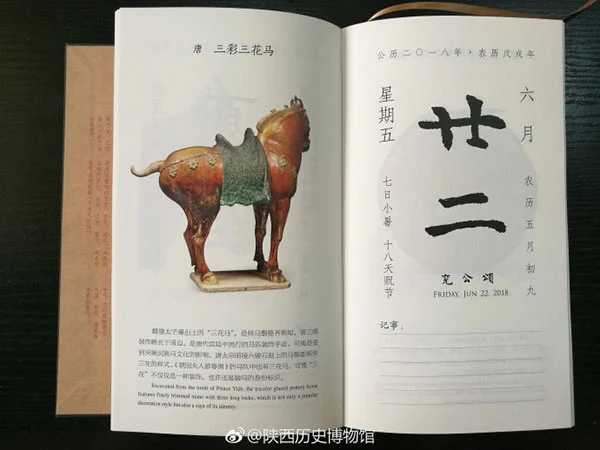
The Shaanxi History Museum has unveiled its first-ever calendar dedicated to cultural relics, a significant initiative aiming to bring 365 exquisite pieces from ancient China directly into the public’s daily lives. Released on Tuesday, the 2018 "Shaanxi History Museum Calendar" is a meticulously crafted publication that celebrates the rich heritage of Shaanxi province, a region steeped in millennia of Chinese history and culture. This ambitious project represents a novel approach to cultural dissemination, transforming passive observation of artifacts into an engaging, year-round experience.
H2: A Collaborative Endeavor for Cultural Enrichment
The calendar, themed "Glamour of Chang’an, the Tang Treasures," is the result of a distinguished collaboration between seasoned experts from the Shaanxi History Museum and the accomplished design team behind the highly successful "Palace Museum Calendar." This partnership leverages the curatorial expertise of one of China’s premier historical institutions with the proven creative and marketing acumen of a team that has already demonstrated a keen understanding of public engagement with historical content. The "Palace Museum Calendar" itself achieved remarkable commercial success and critical acclaim, setting a high benchmark for similar ventures. By aligning with this established success, the Shaanxi History Museum signals its intent to create a product of comparable quality and appeal, aiming to capture the imagination of a broad audience, both domestically and internationally.
H3: Design and Content: A Fusion of Art and History
The "Shaanxi History Museum Calendar" is designed with both aesthetic appeal and informational value in mind. Each turn of the page offers a dual experience. The left-hand side is dedicated to showcasing one of 365 carefully selected cultural relics. These are not merely images but are accompanied by bilingual (Chinese-English) introductions, providing context, historical significance, and intriguing details about each artifact. This dual-language approach is crucial for accessibility, enabling a wider audience to appreciate the depth of Shaanxi’s historical legacy.
The right-hand side of each page is designed for practical use, featuring the dates of the year and ample space for personal note-taking. What elevates this section beyond mere utility is the unique treatment of dates and festivals. These elements are presented as collections of words derived from the inscriptions of ancient masters, adding an artistic and scholarly layer to the everyday function of the calendar. This thoughtful integration of historical calligraphy and epigraphy imbues the calendar with a sense of authenticity and scholarly rigor, transforming it into a miniature exhibition of ancient Chinese artistic expression.
H2: The Significance of Shaanxi and Chang’an
Shaanxi province holds a preeminent position in the narrative of Chinese civilization. For over a millennium, it served as the political and cultural heart of China, with its capital, Chang’an (modern-day Xi’an), being one of the world’s largest and most cosmopolitan cities during its zenith, particularly in the Tang Dynasty (618-907 AD). Chang’an was a nexus of trade, religion, and culture, attracting people from across Asia and beyond. The Silk Road, a vital artery of global commerce and cultural exchange, originated in this very region, connecting China to the West and facilitating the flow of ideas, technologies, and artistic influences.
The Tang Dynasty, often regarded as a golden age of Chinese history, is particularly renowned for its artistic achievements, its openness to foreign cultures, and its flourishing intellectual life. The theme of the calendar, "Glamour of Chang’an, the Tang Treasures," directly taps into this illustrious period. The selected artifacts are expected to represent the sophistication, opulence, and innovation characteristic of Tang art and craftsmanship, offering a tangible glimpse into the lives and aesthetics of people who lived in this vibrant era.
H3: Supporting Data and Historical Context
The Shaanxi History Museum is one of China’s most important repositories of cultural heritage, housing an extensive collection that spans over a million artifacts. Many of these objects were unearthed from ancient tombs and historical sites within the province, providing direct evidence of China’s dynastic past. The province itself is a treasure trove of archaeological discoveries, from the Terracotta Army of Qin Shi Huang to the imperial tombs of the Tang Dynasty.
The decision to release a calendar of cultural relics is not entirely unprecedented in China, with the "Palace Museum Calendar" serving as a prime example of successful engagement. The Palace Museum in Beijing, home to the imperial collections of the Ming and Qing dynasties, has consistently produced calendars that blend historical scholarship with appealing design, achieving sales figures that underscore a strong public appetite for such products. For instance, reports from previous years indicated that the Palace Museum Calendar has often been a top seller in its category, with millions of copies distributed annually, demonstrating a substantial market for high-quality, historically informed publications.
The Shaanxi History Museum’s initiative, therefore, builds upon a proven model, but with a distinct focus on the unique historical narrative of Shaanxi and its pivotal role in shaping Chinese civilization, particularly during the Tang era. The selection of 365 artifacts suggests a comprehensive effort to cover a wide spectrum of cultural expressions, potentially including ceramics, bronzes, jade carvings, calligraphy, painting, textiles, and Buddhist art, all of which were highly developed during the Tang period.
H2: Timeline and Development of the Calendar Project
While the exact timeline of the calendar’s development has not been publicly detailed, such a project would typically involve several key stages:
- Conceptualization and Planning: Identifying the theme, target audience, and overall vision for the calendar. This phase likely involved discussions about which historical periods and types of artifacts would be most compelling.
- Curatorial Selection: Museum experts would have meticulously chosen the 365 artifacts, balancing rarity, historical significance, artistic merit, and visual appeal. This process would involve extensive research and cataloging.
- Photography and Documentation: High-quality professional photography of each selected artifact would be essential. This would also include gathering detailed information for the bilingual descriptions.
- Design and Layout: The design team would work on the visual aesthetics of the calendar, integrating the artifact images, text, and date layouts. This stage would also involve the specialized task of sourcing and rendering ancient inscriptions for the date sections.
- Translation and Editing: Ensuring the accuracy and clarity of the English translations for the artifact descriptions.
- Production and Printing: Overseeing the manufacturing process to ensure a high-quality printed product.
- Marketing and Distribution: Developing strategies to promote the calendar and make it available to the public through various channels, including museum shops, online retailers, and bookstores.
Given the release date, the development process would have likely commenced at least a year, if not longer, prior to the launch, allowing ample time for each of these critical steps. The collaboration with the "Palace Museum Calendar" team suggests an early engagement with experienced professionals in calendar production.
H3: Official Statements and Reactions (Inferred)
While direct quotes from museum officials or the design team are not available in the provided text, we can infer likely sentiments and objectives behind this release. Museum directors often express a strong commitment to making cultural heritage accessible and engaging for a wider audience. The release of such a calendar would undoubtedly be framed as a strategic move to:
- Enhance Public Engagement: To move beyond traditional museum exhibitions and connect with people on a daily basis, fostering a deeper appreciation for history and art.
- Promote Shaanxi’s Cultural Identity: To highlight the province’s unique historical contributions and its status as a cradle of Chinese civilization.
- Educate and Inspire: To provide a learning opportunity through visually appealing content and informative descriptions, potentially sparking interest in further exploration of Chinese history.
- Generate Revenue: While primarily a cultural initiative, successful calendars can also contribute to the museum’s funding, supporting its preservation and exhibition activities.
The collaboration with the "Palace Museum Calendar" team further suggests a desire to emulate their success in creating a product that is both culturally significant and commercially viable. This partnership likely indicates confidence in the quality and appeal of Shaanxi’s own collections.
H2: Broader Impact and Implications
The release of the "Shaanxi History Museum Calendar" has several potential implications:
- Democratization of Culture: By bringing high-quality images and information about significant cultural relics into people’s homes, the calendar contributes to the democratization of culture. It makes historical treasures accessible to individuals who may not have the opportunity to visit the museum in person.
- Educational Tool: The calendar serves as an informal educational tool, especially for younger generations. The bilingual descriptions and rich visuals can spark curiosity and provide foundational knowledge about ancient Chinese history and art.
- Tourism Promotion: Showcasing the "Glamour of Chang’an, the Tang Treasures" can indirectly promote tourism to Xi’an and Shaanxi province. By highlighting the splendor of its historical past, the calendar can inspire people to experience these treasures firsthand.
- Cultural Diplomacy: For international audiences, such a calendar offers a window into China’s rich cultural heritage, fostering understanding and appreciation of Chinese history and art on a global scale. The inclusion of English translations is a key element in this aspect.
- Innovation in Museum Practices: This initiative represents an innovative approach for museums to engage with the public in the digital age. It demonstrates a forward-thinking strategy that leverages popular formats to disseminate cultural content. The success of this calendar could encourage other museums to explore similar creative avenues for showcasing their collections.
The timing of the release, ahead of the 2018 calendar year, positions it perfectly for holiday gift-giving and New Year planning, maximizing its reach and impact. As the public increasingly seeks meaningful and enriching experiences, the "Shaanxi History Museum Calendar" stands poised to offer a daily dose of history, art, and culture, connecting individuals to the enduring legacy of ancient China.

 Asep Darmawan
 Rifan Muazin