Iffa Jayyana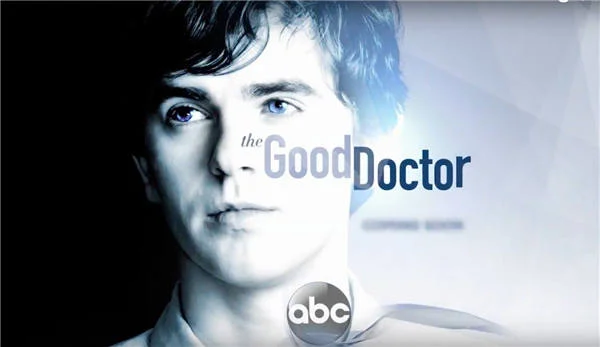
Television viewers and those familiar with the autism spectrum are uniting in their praise for the critically acclaimed series, The Good Doctor, which has quickly become a standout performer in the current television landscape. The show, currently airing on ABC, features the compelling narrative of Dr. Shaun Murphy, a gifted young surgeon with autism and savant syndrome, as he navigates the high-stakes world of a prestigious hospital’s surgical unit. While some colleagues initially express reservations about his unique neurotype, citing concerns about the perceived risks associated with his condition, Murphy’s undeniable talent and compassionate approach have steadily won over both his fictional counterparts and a vast, engaged audience. This powerful blend of heartfelt drama and intricate medical mysteries has resonated deeply, propelling the series to significant ratings success and establishing it as the top new drama of the fall television season.
The success of The Good Doctor is not merely a matter of entertainment; it represents a significant cultural moment in the portrayal of neurodiversity within mainstream media, particularly in professions often perceived as requiring rigid conformity. The series, which premiered on September 25, 2017, has consistently garnered high viewership numbers. For its initial broadcast, the pilot episode attracted an estimated 11.3 million viewers, a remarkable figure for a new series in the digital age. Subsequent episodes have maintained strong performance, with live ratings often exceeding 10 million viewers and significant gains in delayed viewing through streaming and DVR recordings, pushing total viewership well into the double-digit millions. This consistent performance places The Good Doctor at the forefront of network television, outperforming many established dramas and comedies.
The Genesis of a Groundbreaking Series
The inspiration for The Good Doctor can be traced back to the 2013 South Korean television series of the same name, created by Park Jae-bum. The original drama explored similar themes of a surgeon with autism and savant syndrome. Recognizing the potential for a compelling American adaptation, Sony Pictures Television and ABC Studios acquired the rights. The development of the American version was spearheaded by David Shore, known for his work on House, another medical drama that explored the complexities of a brilliant but unconventional physician. Shore’s involvement brought a proven track record in crafting engaging medical narratives that delve into both the intellectual and emotional challenges faced by medical professionals.
The casting of Freddie Highmore as Dr. Shaun Murphy was a pivotal decision. Highmore, a celebrated actor with a history of nuanced performances, committed to extensive research to accurately and empathetically portray an individual on the autism spectrum. This dedication involved consulting with autism advocacy groups, medical professionals specializing in autism, and individuals with autism themselves. The aim was to move beyond stereotypes and offer a nuanced, authentic representation of how autism can manifest and how individuals with autism can thrive in demanding environments. Highmore’s performance has been widely lauded for its sincerity and depth, earning him critical acclaim and a Golden Globe nomination for Best Actor – Television Series Drama.
Navigating the Medical and Social Landscape
The narrative arc of The Good Doctor primarily unfolds within the hallowed halls of St. Bonaventure Hospital, a fictional but prestigious medical institution. Dr. Shaun Murphy, having grown up in a difficult environment and having lost his younger brother, Steve, to a tragic accident, possesses an extraordinary gift for observation, memory, and problem-solving, skills honed by his savant syndrome. These abilities, however, are juxtaposed with challenges in social interaction, communication, and understanding nuanced social cues, characteristic of autism. The show meticulously illustrates these aspects, depicting Murphy’s unique ways of processing information, his literal interpretation of language, and his struggles with non-verbal communication.
The series does not shy away from portraying the skepticism and prejudice that Dr. Murphy initially faces from some of his superiors and colleagues. Dr. Marcus Andrews, the hospital’s chief of surgery and later president, is a prominent figure who initially expresses significant doubts about Murphy’s suitability for the demanding surgical profession. His reservations stem from a perceived inability to handle the emotional pressures and interpersonal dynamics inherent in patient care and surgical teams. However, as the series progresses, Dr. Andrews, like many others, witnesses firsthand Murphy’s exceptional diagnostic abilities, his innovative surgical approaches, and his unwavering dedication to his patients. This evolving dynamic between skepticism and admiration forms a crucial element of the show’s dramatic tension and its message of acceptance.
Critical Reception and Audience Embrace
While some critics have characterized The Good Doctor as overly sentimental, this very emotional resonance has been identified as a key factor in its widespread appeal to audiences. The show masterfully balances the intellectual rigor of medical cases with the profound emotional journeys of its characters, both patients and medical staff. The "sentimentality" that some critics point to is, for many viewers, the source of the show’s heart and its ability to foster empathy. By showcasing Dr. Murphy’s unique perspective and his often-unconventional methods of connecting with patients, the series invites viewers to reconsider their own understandings of empathy, communication, and what it means to be human.
The series’ success is further underscored by its strong performance in key demographics. It consistently ranks high among younger adult viewers, a demographic crucial for long-term audience engagement. The show’s ability to attract and retain this audience suggests a cultural shift in what viewers are seeking from their television programming – narratives that are not only entertaining but also thought-provoking and inclusive. The positive feedback from the autism community has been particularly significant. Many individuals on the autism spectrum and their families have expressed gratitude for a portrayal that moves beyond harmful stereotypes and instead highlights the strengths, challenges, and potential of autistic individuals. Advocacy groups have noted that The Good Doctor has sparked important conversations about neurodiversity in the workplace and in society at large.
Broader Implications and Future Outlook
The phenomenal success of The Good Doctor carries broader implications for television programming and societal perceptions of autism. By featuring a neurodivergent protagonist in a high-profile, intellectually demanding role, the show challenges traditional narratives and expands the representation of individuals with disabilities. This increased visibility can contribute to greater understanding, acceptance, and inclusion of autistic individuals in all aspects of life, including higher education and professional careers.
The show’s narrative structure, which often involves Dr. Murphy solving complex medical puzzles through his unique observational skills, also serves to demystify certain aspects of autism for a general audience. It demonstrates that different ways of thinking and processing information can be assets, rather than liabilities, in problem-solving. This, in turn, can encourage a more inclusive approach to hiring and workplace accommodations for neurodivergent individuals.
Looking ahead, the continued popularity of The Good Doctor suggests a growing appetite for authentic and diverse storytelling. The series’ ability to weave together compelling medical drama with a nuanced exploration of a neurodivergent protagonist has set a new standard for medical dramas and for how disabilities are portrayed on screen. As the show continues its run, it is poised to further solidify its position as a cultural touchstone, influencing not only the television landscape but also fostering a more inclusive and understanding society. The consistent ratings, critical acclaim, and positive audience feedback all point to a bright future for the series and its impactful message. The show’s success serves as a powerful testament to the fact that diverse perspectives and authentic representation can lead to both critical and commercial triumph. The journey of Dr. Shaun Murphy is more than just a medical drama; it is a narrative of overcoming obstacles, challenging preconceptions, and celebrating the unique brilliance that lies within every individual, regardless of neurotype.


 Asep Darmawan
 Rifan Muazin