Neng Nana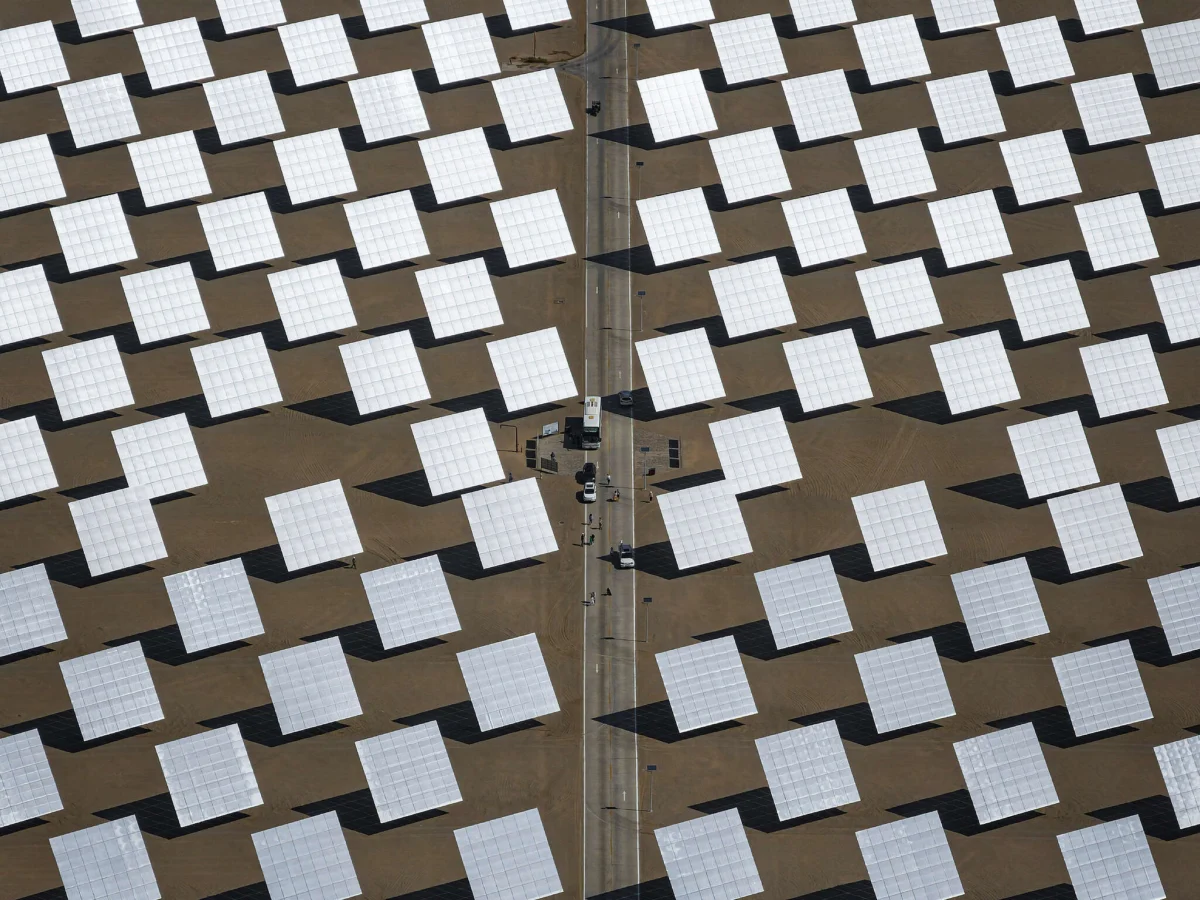
The rapid expansion of data centers across China, fueled by an insatiable demand for electricity, presents a complex challenge and opportunity for the nation’s commitment to a sustainable energy future. While Chinese technology giants providing cloud computing and operating these vast digital infrastructures have made notable strides in greening their electricity consumption, moving towards an ambitious goal of 100% renewable energy, the burgeoning AI sector is introducing new layers of complexity. A recent report by Greenpeace East Asia’s Beijing office, analyzing 25 leading tech companies, reveals that despite the surge in AI-driven data center development, the overall amount and proportion of renewable energy utilized by these companies continue to grow. However, the ultimate impact on emissions reduction remains somewhat opaque, as detailed breakdowns of energy consumption specific to data centers are not consistently disclosed by the companies.
This ongoing investigation is part of Greenpeace East Asia’s decade-long "Clean Cloud" campaign, meticulously tracking and advocating for cleaner electricity consumption in China’s data center sector. The "Clean Cloud 2026" report, released by the organization, underscores that even amidst the AI data center boom, China’s major tech companies are demonstrably increasing their renewable energy percentages. This progress is driven by a dual force: intense pressure on tech companies to embrace renewable energy and supportive government policies that promote a "synergy" between computing infrastructure development and renewable energy expansion. Consequently, some of China’s largest tech firms are actively investing in utility-scale renewable energy projects and securing long-term Power Purchase Agreements (PPAs) to guarantee stable, clean energy supplies. Yet, this progress is not uniform. A segment of companies shows limited advancement or maintains a veil of opacity regarding their energy sourcing and environmental commitments.
The imperative for China’s data centers to achieve 100% renewable energy sourcing by 2030 remains a critical objective. For nearly a decade, Greenpeace East Asia’s Beijing office has been a vocal advocate for data centers to reach operational carbon neutrality by this target year. When the campaign initially commenced, the compute-intensive demands of Artificial Intelligence were not the pervasive force they are today. Nevertheless, this evolving technological landscape does not diminish the fundamental necessity for China’s data centers to transition entirely to renewable energy sources within the next six years.
Navigating the AI Data Center Surge: A Unique Chinese Context
The dramatic growth in data centers, particularly those dedicated to AI, is projected to significantly escalate electricity consumption within China. To achieve targeted emissions reductions, renewable energy consumption must therefore expand at an even more accelerated pace. The ambitious goal of 100% renewable energy by 2030 remains firmly in place, demanding a synchronized acceleration of clean energy deployment.
China’s approach to AI data center expansion is distinct, shaped by both the structural organization of this growth and the government’s increasing emphasis on corporate climate accountability in alignment with Beijing’s broader net-zero targets. A key characteristic is the concentration of new data centers in specific industrial hubs. Crucially, many of these hubs are situated in regions that have already witnessed extensive development of utility-scale renewable energy projects, particularly solar and wind. China’s remarkable capacity growth in these sectors has, in many instances, created a situation where renewable energy projects are actively seeking consistent electricity demand. The strategic location of data center growth around these established renewable energy infrastructure hubs facilitates a more integrated approach to clean energy sourcing.
Government Mandates and Incentives: Driving Renewable Integration
State-level policies wield substantial influence over corporate operations in China, and the central government has explicitly linked the expansion of new computing capacity, particularly for AI, with a coordinated development and uptake of renewable energy. This policy framework generates a series of incentives designed to encourage data centers to integrate renewable energy sources. However, the real-world efficacy and implementation of these initiatives require close scrutiny. Significant technical challenges are inherent in coordinating the increased demands of data center expansion with the variable nature of renewable energy supply.
Currently, local governments are increasingly proactive in attracting cloud computing providers and data center companies by offering long-term access to renewable energy. This competitive landscape among regions aims to secure investment and foster technological development. Nonetheless, ongoing monitoring is essential to assess the tangible outcomes of these policies on the overall climate impact of these massive technology corporations. The success of these efforts will ultimately be measured by their contribution to verifiable emissions reductions.
Supply Chain Decarbonization: A Critical Frontier for Tech Companies
The level of corporate disclosure regarding electricity sourcing for data center operations and the energy consumption of their supply chains has seen considerable improvement since the inception of Greenpeace East Asia’s campaign. However, enhanced transparency is merely the foundational step. The data revealed through improved disclosures highlights the pressing need for more robust, direct actions to decarbonize the entire value chain. Technology companies are now being called upon to establish explicit targets aimed at accelerating the reduction of supply chain emissions. This includes actively supporting third-party data centers within their operational networks to transition to renewable energy sources.
The complexity of modern supply chains means that a company’s direct renewable energy procurement, while crucial, represents only one facet of its environmental footprint. Emissions generated by suppliers, manufacturing processes, and logistics all contribute to the overall impact. Therefore, a comprehensive decarbonization strategy must extend beyond the company’s own facilities to encompass the entire ecosystem of its operations. This requires collaborative efforts, transparent communication with suppliers, and the implementation of shared sustainability goals.
Beyond 100% Renewable Energy: Embodied Carbon and Global Operations
The construction phase of data centers itself represents a significant source of greenhouse gas emissions. A critical oversight in simply focusing on carbon neutrality or 100% renewable energy targets is the potential to neglect the substantial real-world climate and environmental impacts associated with the very creation of these facilities. Construction materials, for instance, play a pivotal role. The building of a data center necessitates high volumes of steel and cement, both of which are energy-intensive materials with substantial embodied carbon footprints. The adoption of low-carbon steel and alternative, sustainable cementitious materials can significantly mitigate this embodied carbon.

Furthermore, Chinese cloud computing providers and data center operators are increasingly expanding their global footprint, with major players such as Alibaba Cloud, GDS, and ByteDance making substantial investments in new computing capacity across Southeast Asia, the Middle East, and Latin America. In these diverse international arenas, Chinese tech companies encounter a different array of energy policies, environmental regulations, and socio-cultural contexts. The challenge of achieving their climate targets extends beyond national borders, demanding adaptive strategies and a nuanced understanding of local environmental landscapes. This global expansion necessitates a holistic approach to sustainability, ensuring that environmental commitments are consistently upheld across all operational regions.
The ultimate repercussions of the global AI data center boom remain a subject of ongoing observation and analysis. As the demand for digital infrastructure continues its exponential rise, it is imperative to maintain a vigilant watch on the climate impact of tech giants, including those originating from China. The intersection of technological innovation, energy consumption, and environmental stewardship presents one of the defining challenges of the 21st century.
Supporting Data and Contextual Analysis
Growth Trajectory: China’s data center market has experienced remarkable growth. Reports from industry analysts indicate that the market size has been expanding at a compound annual growth rate (CAGR) exceeding 20% in recent years. This rapid expansion is directly correlated with the increasing adoption of cloud computing services and the burgeoning demand for data storage and processing power, further amplified by AI applications.
Renewable Energy Landscape in China: China is the world’s largest producer of renewable energy, particularly in solar and wind power. By the end of 2023, the country’s installed renewable energy capacity surpassed 1.5 billion kilowatts, with solar and wind power accounting for a significant portion. This vast renewable energy infrastructure provides a critical foundation for the transition of data centers to clean energy. However, the challenge lies in ensuring that this renewable energy generation is effectively integrated and utilized by the rapidly growing data center sector.
AI’s Energy Footprint: The computational demands of AI models, especially large language models (LLMs) and complex machine learning algorithms, are significantly higher than those of traditional computing. Training and running these models require substantial processing power, leading to increased energy consumption by AI-specific data centers. Estimates suggest that AI could add tens of billions of kilowatt-hours to global electricity demand annually in the coming years.
Corporate Commitments and Challenges: Major Chinese tech companies have indeed made public commitments to increase their renewable energy usage. For example, companies like Alibaba Cloud and Tencent Cloud have announced targets for achieving carbon neutrality and increasing their reliance on renewable power. However, the Greenpeace report highlights that the pace and transparency of these commitments vary. A key challenge is the lack of granular data, making it difficult to independently verify the actual percentage of renewable energy powering specific data center operations.
Timeline of Key Developments
- 2014-2015: Greenpeace East Asia launches its "Clean Cloud" campaign, initiating advocacy for greener data center operations in China.
- Early 2020s: The rapid acceleration of AI development and deployment begins to significantly increase the energy demands of data centers globally and in China.
- Ongoing: Chinese tech companies incrementally increase their renewable energy procurement and invest in renewable energy projects.
- 2023-2024: Increased focus from the Chinese government on aligning digital infrastructure development with national climate goals, promoting the synergy between computing and renewable energy.
- April 2024: Greenpeace East Asia releases its "Clean Cloud 2026" report, analyzing the progress and challenges of 25 major tech companies in China’s data center sector amidst the AI boom.
Broader Implications and Future Outlook
The transition of China’s data centers to renewable energy is not merely an environmental imperative; it has significant economic and geopolitical implications. As China solidifies its position as a global leader in AI and digital technologies, its ability to power these advancements with clean energy will influence its international competitiveness and its standing in global climate negotiations.
The Greenpeace report’s findings suggest a positive, albeit uneven, trend. The government’s policy support and the tech sector’s increasing engagement with renewable energy are critical enablers. However, the challenge of the AI boom necessitates an even more aggressive and transparent approach. The reliance on publicly available data presents a limitation, underscoring the need for greater corporate accountability and standardized reporting mechanisms.
The emphasis on supply chain decarbonization and the consideration of embodied carbon in construction are crucial steps towards a more holistic sustainability strategy. As Chinese tech companies expand their operations globally, replicating and adapting their green energy strategies to diverse regulatory and environmental landscapes will be a defining test of their commitment. The coming years will be critical in determining whether China’s burgeoning digital economy can truly "light the future" with sustainable, renewable power. The path forward demands continued vigilance, robust policy enforcement, and unwavering corporate commitment to achieving a truly green digital infrastructure.


 Lina Hope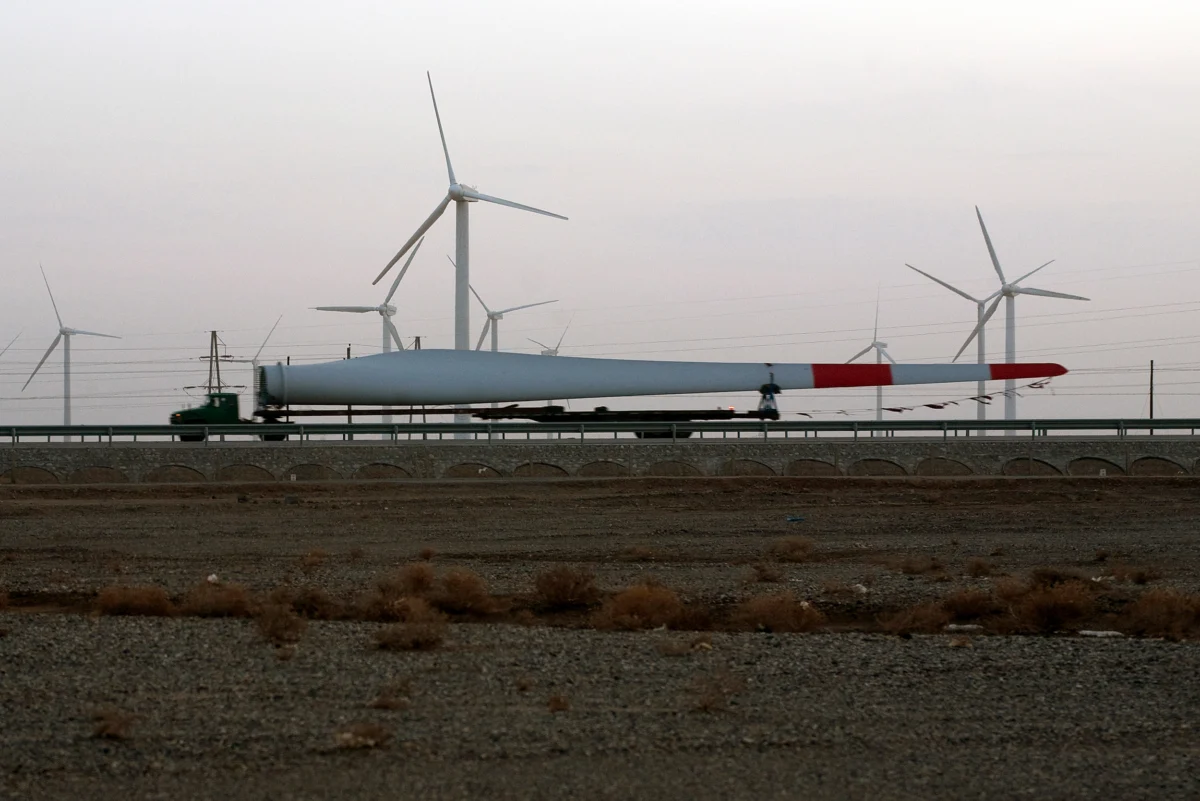
 Basiran