Raul Delapena Setiawan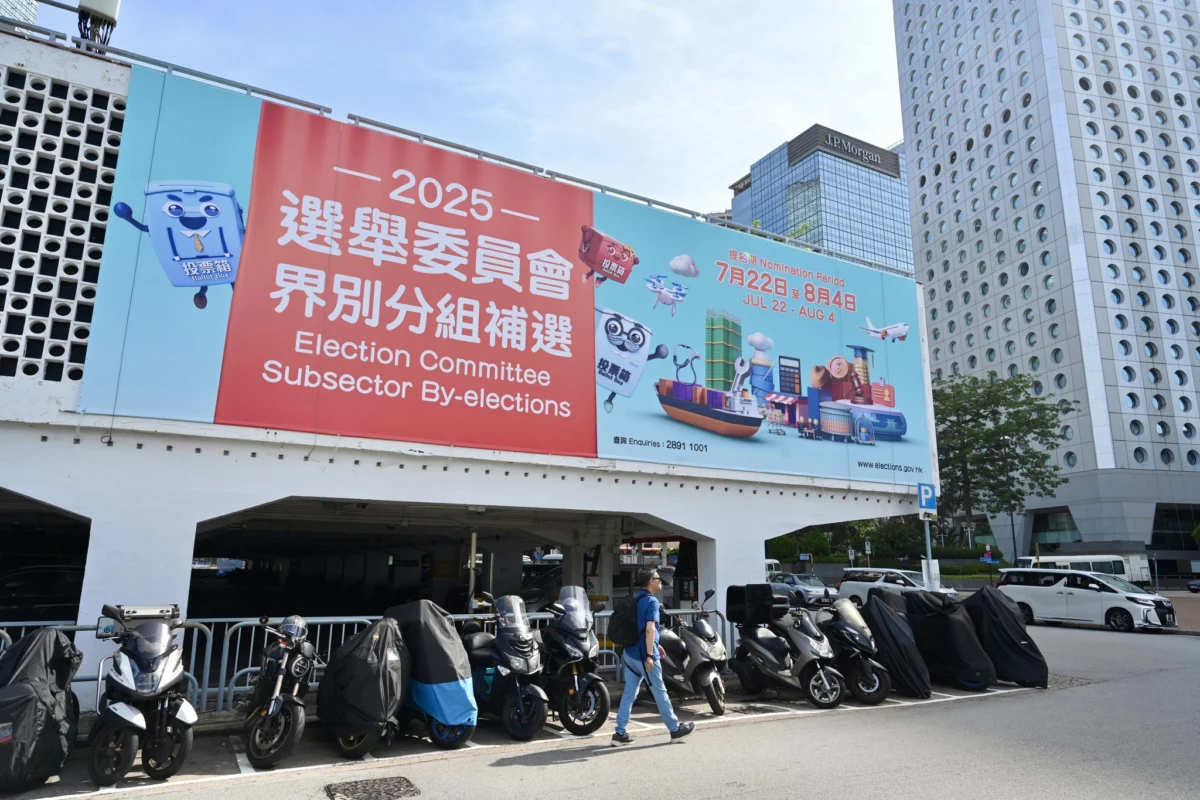
Nominations have officially opened for the pivotal Election Committee, the body entrusted with the crucial task of selecting Hong Kong’s Chief Executive and nearly half of the territory’s lawmakers. This development marks a significant step in the ongoing electoral process, setting the stage for the composition of the city’s highest governing bodies. The nomination period commenced on Wednesday and is scheduled to conclude on October 20, allowing prospective candidates to formally register their intent to vie for a seat on this influential committee.

The Architecture of Power: Understanding the Election Committee
The Election Committee, a 1,500-member body, holds immense sway over Hong Kong’s political landscape. Its primary functions include electing the Chief Executive, whose appointment is subsequently subject to confirmation by the Central Government, and determining the composition of 40 out of the 90 seats in the Legislative Council (LegCo). Furthermore, the committee plays a vital role in nominating candidates for both the Chief Executive and LegCo positions, effectively shaping the pool of potential leaders and legislators.
The committee is structured into five broad sectors, further subdivided into 40 subsectors. These sectors encompass a diverse range of professional, commercial, and social groups. One significant sector is dedicated to representatives from industrial, commercial, and financial sectors. Another substantial portion of seats, accounting for 40 percent of the total, is allocated to lawmakers, representatives of district organizations, and individuals with strong affiliations to Beijing-aligned bodies. This includes deputies to the National People’s Congress and members of the Chinese People’s Political Consultative Conference National Committee, underscoring the committee’s deep ties to mainland China’s political structure.

The Electoral Process: From Nomination to Election
A total of 982 seats on the Election Committee are open for nominations during this period. If the number of approved nominees surpasses the available seats, a poll will be conducted on November 22 to elect the committee members. This electoral process is overseen by the government’s Electoral Affairs Commission. The newly elected members will then join hundreds of other appointed and ex officio members to form the complete 1,500-strong Election Committee.
The term for the elected members of the Election Committee will commence on February 1 of the following year and will extend for a period of five years, concluding on January 31, 2032. This five-year mandate highlights the long-term impact of the committee’s selections on the governance of Hong Kong.

Eligibility and Criteria for Nomination
To be eligible for nomination, candidates must meet specific criteria. They must be registered geographical constituency electors aged 18 or above. Furthermore, nominees must either be registered voters within their relevant subsector or demonstrate a substantial connection to that subsector. These requirements are designed to ensure that candidates have a recognized stake and affiliation within the designated sectors they seek to represent.
Historical Context: The Evolution of Hong Kong’s Electoral System
The current structure of the Election Committee is a product of significant electoral reforms. The Election Committee Constituency was originally abolished in 2004 and replaced with directly elected Geographical Constituency seats. However, it was controversially reintroduced as part of a broader electoral overhaul in 2021. This reintroduction followed Beijing’s legislative actions in March 2021, which aimed to implement an electoral system designed to ensure that only "patriots" govern Hong Kong.

This overhaul, characterized by a significant reduction in democratic representation and tightened control over elections, was met with widespread criticism both domestically and internationally. Critics argued that the changes significantly curtailed the space for opposition voices and democratic participation. Authorities, however, maintained that the reforms were essential for safeguarding Hong Kong’s stability and prosperity, framing them as a necessary measure to prevent perceived threats to national security and social order. The subsequent years have seen a considerable number of prominent pro-democracy figures imprisoned, forced into self-exile, or withdraw from political life, a direct consequence of these intensified electoral controls and national security legislation.
Financial Implications of the Electoral Process
The financial commitment to conducting these elections is substantial. Earlier in the year, authorities indicated that the total cost for the election would be approximately HK$260 million. This budget encompasses various expenditure categories, including HK$135 million allocated for staff costs, HK$9 million dedicated to publicity campaigns, and a significant HK$116 million designated for other operational expenses. These additional costs cover essential elements such as venue bookings, printing of materials, transportation logistics, and postage services, all crucial for the smooth execution of the electoral process.

Accessing Nomination Forms and Information
Interested individuals seeking to nominate themselves or others can access the necessary nomination forms through several channels. These forms are available for download from the website of the Registration and Electoral Office. Additionally, physical copies can be collected from various government offices, including District Offices, Offices of the Registration and Electoral Office, and the Office of the Returning Officers. This multi-pronged approach aims to ensure accessibility for all potential candidates.
The Broader Implications for Hong Kong’s Governance
The opening of nominations for the Election Committee is more than a procedural step; it is a critical juncture that will shape the future political trajectory of Hong Kong. The composition of this committee directly influences the selection of the city’s top leader and a significant bloc of legislators, thereby impacting policy direction, governance effectiveness, and the overall political environment. The reforms implemented in 2021 have fundamentally altered the landscape of Hong Kong politics, emphasizing loyalty to Beijing and a curated political participation. As nominations open, the focus will inevitably be on who emerges as candidates, their backgrounds, and their alignment with the prevailing political climate, all of which will be scrutinized for their implications on the city’s autonomy and democratic aspirations. The outcome of this electoral cycle will further solidify the current governance framework, with the Election Committee continuing to serve as the gatekeeper for political power in Hong Kong. The process underscores the central government’s enduring influence over the special administrative region’s political affairs, a dynamic that continues to define Hong Kong’s unique constitutional status.

 Pevita Pearce