Pevita Pearce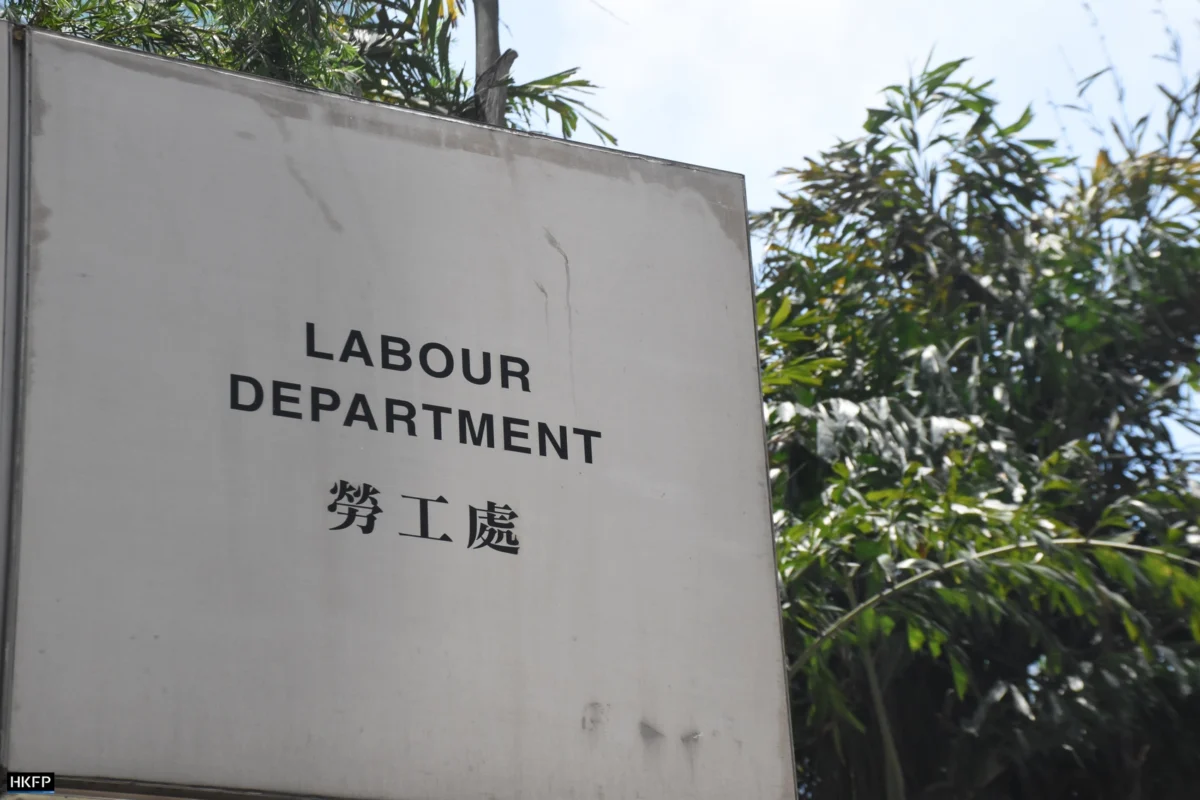
Hong Kong’s Labour Department has announced significant adjustments to its Heat Stress at Work Warning (HSWW) system, a move prompted by widespread criticism that the previous thresholds failed to adequately protect outdoor workers during the city’s recent scorching heatwave. The updated system, effective from Friday, introduces new trigger conditions aimed at improving responsiveness to dangerously high temperatures, though it stops short of imposing legally binding obligations on employers. This development follows a period of intense public scrutiny and calls for reform from meteorological experts and labor advocates, highlighting the growing urgency to address the occupational health risks associated with extreme heat.
The revised HSWW system will now lower its monitoring thresholds for higher-level warnings when the Hong Kong Observatory (HKO) issues an "Extremely Hot Weather" Special Alert. Specifically, if ambient temperatures across Hong Kong reach 35 degrees Celsius or higher, the system will automatically escalate the warning level by one step—from amber to red, or from red to black. This proactive adjustment aims to ensure that official warnings more closely reflect the prevailing hazardous conditions faced by those working outdoors.

System Under Fire: The August Heatwave and Its Aftermath
The impetus for these changes stems from a period of unprecedented heat in August, which saw Hong Kong experience its hottest day in 143 years on August 9th. Despite the record-breaking temperatures, which peaked at a sweltering 34.3 degrees Celsius on June 9, 2025, and continued to hover at dangerously high levels throughout August, the HSWW system remained at its lowest amber alert for an extended period. This inaction drew sharp criticism from former officials of the HKO and labor rights groups, who argued that the existing system was failing to provide timely and adequate warnings for outdoor workers.
Lam Chiu-ying, a former director of the HKO, publicly expressed his bafflement on social media, stating it was "truly baffling" how such extreme temperatures had only activated the lowest-tier warning. He highlighted that the amber warning had been triggered over 200 times since the system’s inception in May 2023, while the more severe red and black warnings had never been activated. This statistic underscored a perceived disconnect between the system’s design and the reality of escalating heat risks.

Adding to the pressure, two more former HKO chiefs lent their voices to the chorus demanding a revamp of the HSWW. Their critique focused on the methodology employed by the Labour Department. They pointed out that the department relies on the HKO’s Heat Index (HI) as a primary reference for the HSWW. While the HI is useful for the general public, these experts argued it is not sufficiently tailored for the specific occupational hazards faced by outdoor workers. The HI, they explained, primarily considers air temperature and humidity, but does not fully account for other crucial factors like radiant heat from surfaces or wind speed, which significantly impact an individual’s thermal load.
The Case for a More Robust Metric: Wet-Bulb Globe Temperature
The former HKO officials advocated for the adoption of the Wet-Bulb Globe Temperature (WBGT) as a more appropriate and internationally recognized metric for assessing heat stress in occupational settings. The WBGT integrates air temperature, humidity, solar radiation, and wind speed to provide a comprehensive measure of the heat experienced by the human body. This metric is widely used in occupational health and safety regulations in many developed countries to determine appropriate work-rest cycles and implement protective measures during hot weather.

"The current system is like a decorative piece, not a functional tool," one former official was quoted as saying, reflecting the sentiment that the existing HSWW was failing in its primary purpose of safeguarding workers. The call for adopting the WBGT was based on its proven effectiveness in more accurately predicting the physiological strain on individuals exposed to heat, thereby enabling more precise and effective preventative measures.
Labour Department’s Response and Future Considerations
In response to the mounting criticism and expert recommendations, the Labour Department acknowledged the need for a more sensitive and responsive warning system. The announcement of the revised HSWW, with its lowered trigger points, represents a step towards addressing these concerns. The department stated in a press release on Thursday that the enhanced system aims to provide better protection for workers in high-temperature environments.

However, a crucial point of contention remains: the new rules are not legally binding on employers. This means that while the warning system might be more sensitive, employers are not mandated to implement specific protective measures, such as adjusting work schedules or providing additional rest breaks, based on the issued warnings. This aspect has been a significant point of concern for labor unions and worker advocacy groups.
Regarding the adoption of the WBGT, the Labour Department indicated that it is considering the suggestion for future improvements. "After the launch of the enhanced system, the Labour Department will continue to review the operation of the system and make improvements, such as studying whether to include other monitoring data, for example, the Wet Bulb Globe Temperature, as one of the indicators of the system," the statement read. This suggests a gradual approach, with the department committing to ongoing evaluation and potential integration of more sophisticated metrics.
Advocacy Groups Call for Stronger Protections

The Association for the Rights of Industrial Accident Victims, a local charity dedicated to supporting victims of workplace accidents, welcomed the lowered thresholds in the HSWW system. They believe these adjustments will indeed enhance the system’s sensitivity and better reflect the heat stress experienced by workers. However, they echo the calls for more robust measures.
The NGO urged the Labour Department to conduct a comprehensive review of the enhanced system within a year. Crucially, they reiterated the importance of incorporating the WBGT as a reference point for future iterations. Beyond the warning system itself, the association is advocating for stronger legislative action. They are pushing for mandatory cessation of high-risk outdoor work when a black heat stress warning is issued. Furthermore, they propose that for all warning levels, workers should be explicitly permitted to take necessary rest breaks without fear of reprisal or penalty from their employers.
This stance highlights a broader debate about the balance between employer discretion and worker protection in the face of escalating climate-related health risks. While the Labour Department’s move to adjust the HSWW is a positive development, advocacy groups argue that it needs to be complemented by more stringent regulations to ensure tangible improvements in worker safety.

Broader Implications and the Climate Context
The controversy surrounding Hong Kong’s heat stress warning system is emblematic of a growing global challenge: adapting occupational safety standards to the realities of a warming planet. As climate change leads to more frequent and intense heatwaves, governments and industries worldwide are being compelled to re-evaluate their preparedness and protective measures. The current situation in Hong Kong underscores the critical need for warning systems that are not only responsive to extreme weather events but also translate into concrete actions that safeguard the health and well-being of the workforce.
The Labour Department’s commitment to future review and potential adoption of the WBGT is a step in the right direction. However, the continued reliance on a non-binding warning system leaves a significant portion of the workforce vulnerable. The long-term implications of inadequate heat protection can include heatstroke, dehydration, reduced productivity, and even fatalities, placing a substantial burden on individuals, families, and the healthcare system.

The expert consensus on the limitations of the current Heat Index for occupational settings, and the strong advocacy for the WBGT, suggests that a more scientifically grounded and precautionary approach is warranted. As Hong Kong navigates increasingly extreme weather patterns, the effectiveness of its worker protection policies will be a critical measure of its commitment to public health and safety. The ongoing dialogue between government bodies, meteorological experts, and labor advocates will be crucial in shaping a future where outdoor workers are adequately protected from the perils of a hotter climate. The path forward likely involves not just refining warning systems but also strengthening regulatory frameworks to ensure that such warnings translate into meaningful safety protocols on the ground.

 Ammar Sabilarrohman
 Azzam Bilal Chamdy