Jia Lissa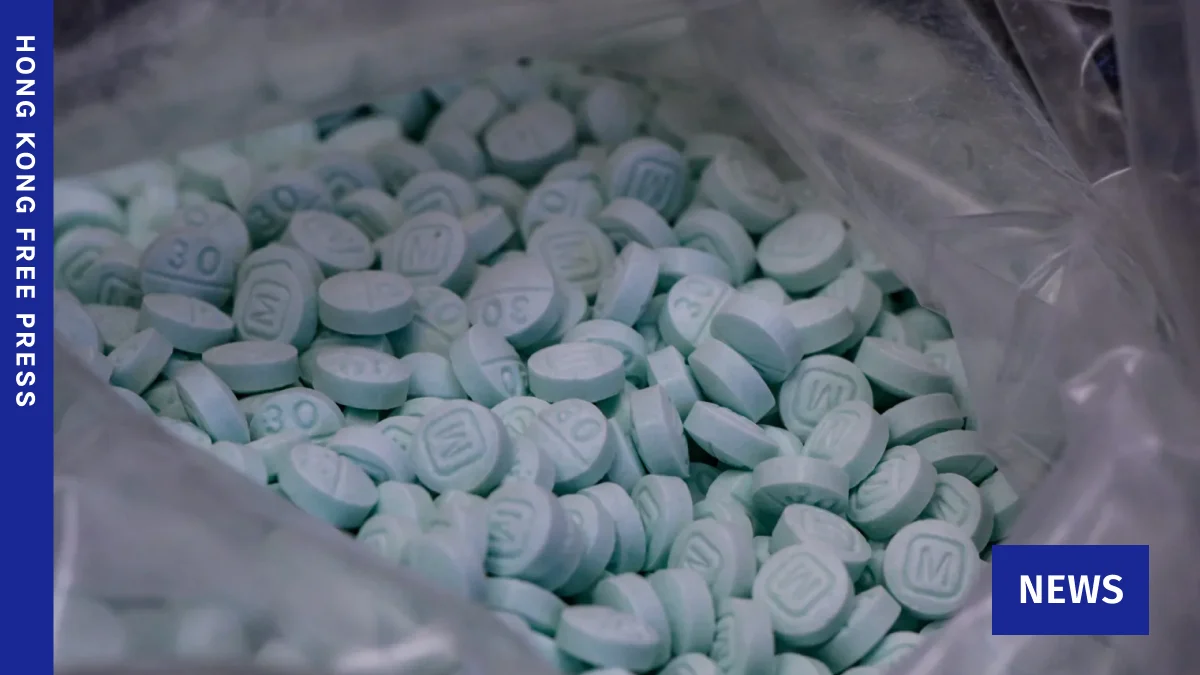
Beijing, China – China announced stringent export restrictions on a range of precursor chemicals on Tuesday, substances critical in the illicit manufacturing of dangerous synthetic drugs, most notably fentanyl. This significant policy shift comes mere days before a highly anticipated, high-stakes meeting between Chinese President Xi Jinping and his US counterpart, Donald Trump, underscoring the diplomatic weight placed on the issue. The new regulations, issued by China’s Ministry of Commerce, took immediate effect, signaling Beijing’s heightened commitment to combating the global drug trade, particularly the devastating opioid crisis gripping North America.

The restrictions apply to two specific categories of precursor chemicals, which will now require explicit export applications for shipments destined for the United States, Mexico, or Canada. While the exact chemical names were not immediately disclosed in the initial announcement, the move targets the raw materials that have fueled the clandestine production of fentanyl, a synthetic opioid 50 to 100 times more potent than morphine. This policy implementation represents a tangible step from China, long identified by international drug enforcement agencies as the primary source of these essential precursors, often shipped globally before being converted into finished illicit drugs.
The Fentanyl Crisis: A Scourge on North America

The United States, in particular, has been grappling with an unprecedented and devastating opioid epidemic, with fentanyl at its deadly core. Data from the U.S. Centers for Disease Control and Prevention (CDC) consistently show synthetic opioids, primarily fentanyl, as the leading cause of drug overdose deaths. In recent years, annual overdose fatalities in the U.S. have tragically surpassed six figures, with fentanyl implicated in a vast majority of these deaths. Its extreme potency means even a few milligrams, equivalent to a few grains of salt, can be lethal, making it exceptionally dangerous for users and those who handle it.
- The Lethal Potency of Fentanyl: Fentanyl is a powerful synthetic opioid prescribed for severe pain, often in advanced cancer cases. However, illicitly manufactured fentanyl (IMF) is produced in unregulated laboratories, frequently using precursor chemicals sourced from abroad. This IMF is often pressed into counterfeit pills resembling legitimate prescription drugs like oxycodone or Xanax, or mixed into other illicit drugs such as heroin or cocaine, often without the user’s knowledge. The lack of quality control in illicit production means dosage can vary wildly, leading to accidental overdoses.
- Tracing the Supply Chain: China’s Role: China’s vast chemical industry, one of the largest in the world, has historically made it a significant source for a wide array of chemicals, including legitimate pharmaceuticals and industrial compounds. However, this expansive and often less regulated environment has also made it a hub for the production and export of precursor chemicals diverted for illicit drug manufacturing. These chemicals are then typically shipped to Mexico, where drug cartels synthesize them into fentanyl, which is subsequently smuggled across the U.S. border. Canada also serves as a destination and transit point for these precursors and finished drugs. This complex global supply chain has presented immense challenges for law enforcement and public health officials in the recipient nations.
A Chronology of Bilateral Efforts and Tensions

The issue of fentanyl precursors has been a persistent point of contention and a key topic in discussions between Washington and Beijing for several years. The U.S. has consistently pressed China to take more decisive action to control the flow of these chemicals, arguing that stronger enforcement at the source is vital to stemming the crisis.
- Early Engagement and Mounting Pressure: Discussions around fentanyl and its precursors gained significant traction during the Trump administration, which made combating the opioid crisis a national priority. U.S. officials repeatedly urged China to classify more fentanyl-related substances as controlled drugs and to enhance export controls. Beijing, while asserting its own strict drug control laws and often pointing to the demand side of the problem in the U.S., had been slower to adopt comprehensive measures.
- Escalation and Recent Actions: In May of last year, China did impose export controls on another set of drug precursor chemicals. This earlier move followed a visit by then-President Trump to Beijing, which included direct talks with President Xi. That instance was seen as a goodwill gesture, demonstrating a willingness to cooperate on a shared concern. However, Washington continued to push for more comprehensive action. Last year, the Trump administration went so far as to impose additional tariffs on Chinese goods, explicitly citing China’s perceived inadequate role in addressing the fentanyl epidemic as a reason. This aggressive tactic aimed to leverage economic pressure to force greater cooperation. However, these particular tariffs were ultimately struck down by the U.S. Supreme Court in February, highlighting the complexities and legal challenges of using trade measures for drug control objectives. The current announcement on Tuesday, therefore, marks a renewed and more direct effort by Beijing to address the issue through specific chemical controls rather than broader economic measures.
Beijing’s Stance and Motivations

China has consistently maintained that it is a responsible global actor and that it cracks down heavily on drug trafficking within its borders. Chinese officials often emphasize that they too are victims of illicit drug trade and that their efforts are part of a broader commitment to international drug control. The timing of this latest announcement, however, cannot be divorced from the upcoming high-stakes meeting between President Xi and President Trump.
- A Diplomatic Overture or Strategic Maneuver? The restrictions are widely interpreted as a strategic diplomatic move by Beijing. The Xi-Trump summit is expected to cover a wide array of contentious issues, including ongoing trade disputes, the rapidly evolving landscape of artificial intelligence, and the U.S. "war with Iran," which has global implications. By announcing these fentanyl precursor controls just days before the meeting, China appears to be making a significant overture, aiming to create a more positive atmosphere for the talks and potentially gain leverage or goodwill on other pressing issues. It allows China to present itself as a cooperative partner on a critical humanitarian crisis for the U.S., potentially softening Washington’s stance on trade or other geopolitical matters. It reinforces China’s narrative of taking proactive steps to address global concerns, rather than merely reacting to U.S. demands.
Washington’s Response and Expectations

U.S. officials are likely to view this latest move by China as a positive, albeit long-sought, development. While direct official reactions were pending, analysts anticipate a cautious welcome from Washington.
- Cautious Optimism Amidst Lingering Concerns: The U.S. Drug Enforcement Administration (DEA) and the State Department have been at the forefront of advocating for stronger Chinese controls. They would likely acknowledge the significance of this step while simultaneously emphasizing that effective enforcement will be the true measure of its success. The U.S. will be looking for robust implementation, including transparent monitoring of export applications, strict penalties for non-compliance, and intelligence sharing to track illicit networks. There will undoubtedly be calls for continued vigilance, as illicit manufacturers often adapt quickly, finding alternative precursors or shifting production methods to circumvent controls. The U.S. perspective is that while China has historically asserted its commitment to anti-drug efforts, tangible and consistent actions on precursor chemicals are paramount. This move could pave the way for more substantive discussions on drug control cooperation during the upcoming summit, potentially leading to joint task forces or enhanced intelligence sharing protocols.
The Broader Implications for Global Drug Control

This new policy from China carries significant implications not just for the immediate U.S.-China relationship, but for the broader global effort to combat synthetic drug proliferation.
- Enforcement Hurdles and the Evolving Threat: While these new controls are a crucial step, the challenge of enforcement remains formidable. China’s vast chemical industry makes comprehensive oversight complex. Illicit manufacturers are highly adaptive; they may seek new, uncontrolled precursor chemicals (known as ‘designer precursors’), shift production to other countries with weaker regulations, or modify their synthetic routes to bypass regulated substances. This requires continuous monitoring, scientific analysis, and international collaboration to identify emerging threats and adjust control lists accordingly. The effectiveness of these new regulations will depend heavily on the rigor of their implementation, the resources dedicated to enforcement, and the willingness of Chinese authorities to collaborate with international partners to disrupt illicit supply chains.
- Shaping the Future of US-China Relations: Beyond the immediate drug crisis, this development plays into the intricate tapestry of US-China relations. It demonstrates that despite deep-seated disagreements on issues like trade, technology, and geopolitical influence, there remains potential for cooperation on shared transnational challenges. Success in this area could build a degree of trust, however fragile, that might facilitate dialogue on other contentious topics. Conversely, if the measures prove ineffective or enforcement is lax, it could further exacerbate mistrust and provide ammunition for critics who argue that China is not a reliable partner. The move sets a precedent for how Beijing might use policy adjustments as diplomatic tools in future negotiations, highlighting the complex interplay between domestic policy, economic interests, and international relations.
In conclusion, China’s immediate implementation of export restrictions on fentanyl precursor chemicals is a significant development, timed strategically ahead of a pivotal bilateral summit. It represents a potential turning point in the global fight against the opioid crisis and offers a glimmer of hope for enhanced cooperation between the world’s two largest economies on a pressing humanitarian issue. However, the true impact of these measures will hinge on their rigorous enforcement and the sustained commitment of all parties involved to adapt to the evolving tactics of illicit drug networks. The world will be watching closely to see if this diplomatic gesture translates into a tangible reduction in the flow of these deadly chemicals and a lasting improvement in U.S.-China collaboration.

 Reynand Wu
 Iffa Jayyana