Nila Kartika Wati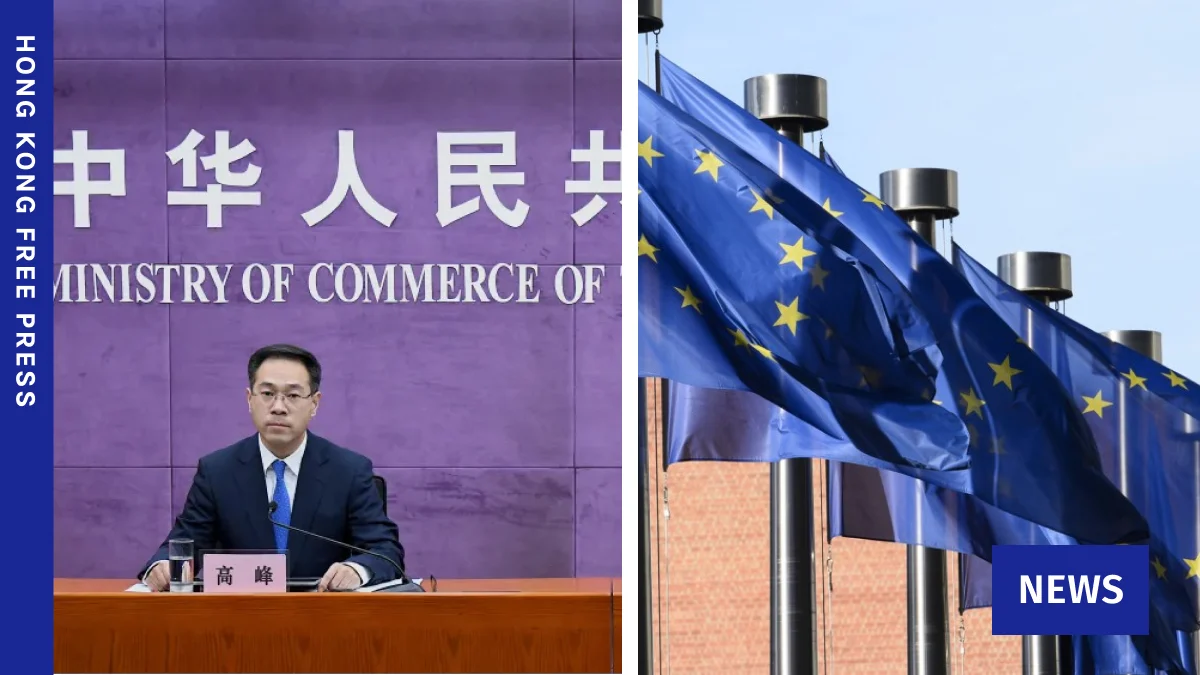
China’s commerce ministry initiated an anti-dumping investigation into the import of p-nitrotoluene, a crucial industrial chemical originating from the European Union. This move, announced on Saturday, comes less than a week before the EU’s trade chief was scheduled to visit Beijing for high-stakes discussions aimed at de-escalating burgeoning trade disputes. The investigation was prompted by a formal request from China’s domestic chemical industry, which claims that low-priced imports from the EU are harming their production and operations by flooding the Chinese market.
Background and the Chemical in Question
P-nitrotoluene (PNT) is a vital intermediate chemical with widespread applications across several key industrial sectors. Its primary uses include the synthesis of dyes, which are essential for the textile and printing industries, as well as the production of pharmaceuticals, contributing to the global healthcare supply chain. Furthermore, PNT is a component in the manufacturing of certain pesticides, playing a role in agricultural productivity. The demand for PNT in China, a global manufacturing powerhouse, is significant, making the domestic industry’s concerns about market disruption particularly potent.

The timing of this investigation is particularly noteworthy, occurring at a critical juncture in Sino-European trade relations. For months, simmering tensions between Beijing and Brussels have threatened to boil over into a full-blown trade war. The European Union has been increasingly vocal about its concerns regarding what it perceives as unfair trade practices by China, including allegations of vast state subsidies that allow Chinese manufacturers to export goods at artificially low prices. Critics argue that these subsidies distort global markets and undermine European industries.
The Investigation’s Genesis and Timeline
According to a spokesperson for China’s Ministry of Commerce, the investigation into p-nitrotoluene imports from the EU was initiated following a complaint filed by domestic producers. These producers asserted that the influx of cheap PNT from Europe was causing substantial "damage to production and operations." The ministry’s statement indicated that the investigation is expected to conclude within a period of 12 months, with a provision for a possible six-month extension should further examination be deemed necessary.
This retaliatory measure by China follows a series of actions taken by the European Union to protect its own markets. In September, for instance, the EU launched its own investigation into imports of polyvinyl chloride (PVC), a widely used plastic, from various countries, including China. This indicates a growing tit-for-tat dynamic in the trade relationship between the two economic blocs.

High-Level Diplomatic Engagement Amidst Trade Friction
The anti-dumping probe casts a long shadow over the upcoming crucial talks between Maros Sefcovic, the European Union’s trade commissioner, and his Chinese counterpart, Minister of Commerce Wang Wentao. The meeting, scheduled for Thursday, is intended to address the escalating trade disputes and explore avenues to prevent further deterioration into a full-blown trade war. The initiation of the PNT investigation just days before these high-level discussions suggests that China is prepared to use trade policy as leverage in diplomatic negotiations.
The European Union has consistently advocated for a resolution to trade grievances through dialogue and consultation. However, the recent actions by China may test the patience and resolve of EU policymakers. The bloc’s strategy has often involved responding to perceived unfair practices with its own investigations and potential trade barriers, aiming to create a level playing field for its industries.
China’s Stance and Rejection of Subsidies Allegations
Beijing has consistently refuted claims that its manufacturers’ competitiveness stems from unfair state support. The Chinese government maintains that its companies are competitive due to their efficiency, innovation, and market responsiveness. In response to perceived protectionist measures by the EU, China has, in the past, threatened to implement countermeasures against European firms operating within its market. This suggests a firm stance from Beijing, indicating a willingness to defend its economic interests.

The spokesperson for the Chinese Ministry of Commerce reiterated this position, stating, "China has repeatedly reiterated that the EU needs to face its own economic and trade problems directly and resolve mutual concerns through dialogue and consultation." This statement implies that China views the EU’s current trade challenges as internal issues that should not be attributed to Chinese trade practices. It also signals a desire for a more balanced approach, where both sides acknowledge their respective responsibilities in resolving trade disputes.
Broader Economic and Geopolitical Implications
The escalating trade tensions between China and the European Union have significant implications beyond the immediate impact on specific industries. The EU is one of China’s largest trading partners, and any disruption to this relationship can have ripple effects across global supply chains, impacting businesses and consumers worldwide. The threat of a full-blown trade war could lead to increased costs for imported goods, reduced trade volumes, and potentially slower economic growth for both blocs and the global economy.
Furthermore, the trade disputes are occurring against a backdrop of broader geopolitical shifts. The European Union is increasingly seeking to assert its strategic autonomy and reduce its reliance on external economic actors, including China. Trade policies are often intertwined with these geopolitical considerations, as economic leverage can be used to influence political relationships.

The investigation into p-nitrotoluene is likely to be closely watched by other industries and trading partners. If China imposes tariffs or other trade restrictions on EU PNT, it could lead to price increases for downstream products, affecting sectors such as textiles, pharmaceuticals, and agriculture. Conversely, if the EU perceives China’s investigation as unwarranted or protectionist, it could lead to further retaliatory measures from Brussels.
The upcoming talks between Commissioner Sefcovic and Minister Wang will be pivotal in determining the future trajectory of Sino-European trade relations. The outcome of these discussions could either de-escalate the current tensions or signal a further intensification of trade friction, with potentially far-reaching consequences for the global economic landscape. The outcome of the p-nitrotoluene investigation, in particular, will serve as a key indicator of the willingness of both sides to find common ground and manage their complex economic interdependence.
Supporting Data and Market Context
While specific data on the volume and value of p-nitrotoluene imports from the EU to China was not immediately available in the original report, general trends in Sino-EU trade provide context. In 2023, the EU’s trade deficit with China remained substantial, highlighting the ongoing imbalance that fuels some of the EU’s concerns. For instance, the EU imported goods worth over €500 billion from China while exporting around €200 billion in return, according to preliminary estimates. While PNT is a specific chemical, its trade is part of this larger economic picture.

The global market for p-nitrotoluene is competitive, with major producers located in various regions. China itself is a significant producer of chemicals, and the domestic industry’s claim of being harmed by EU imports suggests a significant volume of these chemicals entering the Chinese market. The investigation will likely involve a detailed analysis of import volumes, pricing trends, production costs in both the EU and China, and evidence of material injury to the domestic industry.
Potential Responses and Future Outlook
The spokesperson’s statement that China wishes the EU to "face its own economic and trade problems directly" can be interpreted as an indirect call for the EU to address its own competitiveness issues rather than relying on trade barriers. This framing suggests that China believes its industrial strength is a result of legitimate factors, not unfair advantages.
The implications of this investigation are multifaceted. For European chemical manufacturers, it poses a risk to their access to the significant Chinese market. For Chinese consumers and industries that rely on PNT, it could lead to higher prices or supply chain disruptions if anti-dumping duties are imposed.

The path forward will depend heavily on the outcomes of the upcoming diplomatic talks and the findings of the anti-dumping investigation. A constructive dialogue that leads to mutual understanding and a commitment to fair trade practices could help avert a broader trade conflict. However, if discussions falter and the investigation leads to punitive measures, the economic relationship between China and the EU could enter a more volatile phase, with potential repercussions for global trade stability. The European Commission will be closely monitoring the developments, and any adverse findings could prompt further scrutiny of Chinese imports across various sectors. The commitment to dialogue, as emphasized by both sides, remains the most viable route to navigating these complex trade challenges.


 Basiran
 Lina Hope