 Iffa Jayyana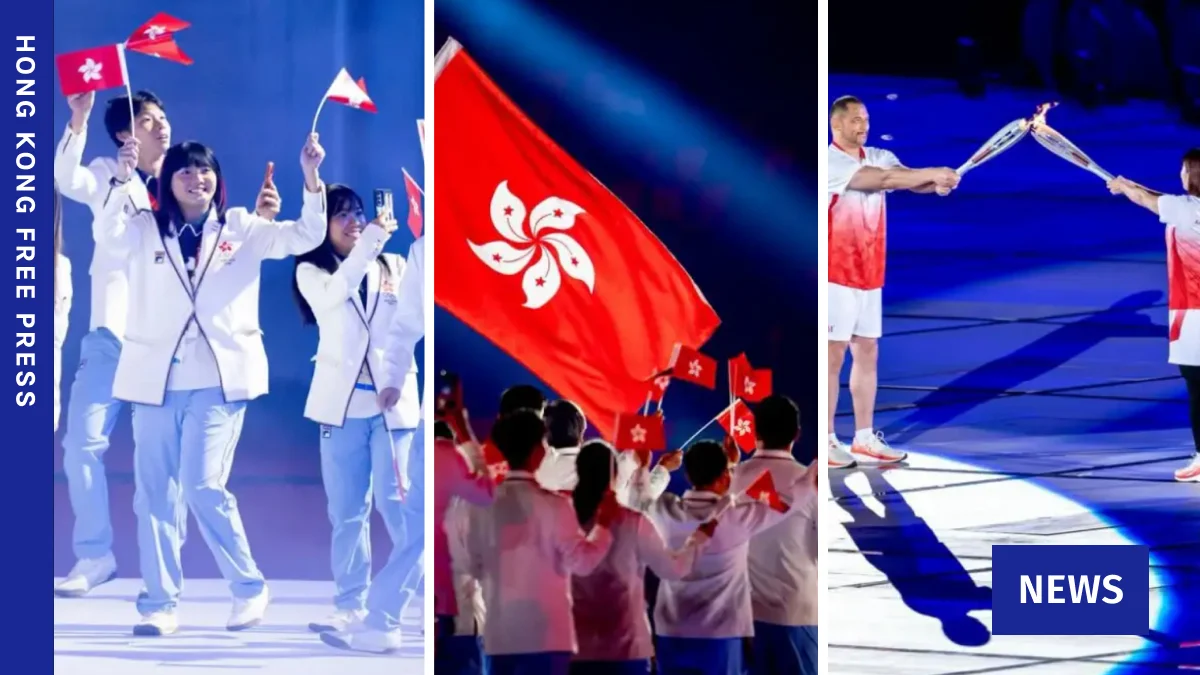
The 20th Asian Games officially commenced on Saturday, September 19, 2026, with Emperor Naruhito of Japan declaring the multi-sport spectacle open. This grand inauguration, however, arrived on the heels of a series of logistical and environmental challenges that have tested the organizers of an event poised to be larger than the Olympic Games in terms of athlete participation. Despite a colorful opening ceremony staged on a distinctive heart-shaped platform, a noticeable number of empty seats dotted the 30,000-capacity stadium in Nagoya, reflecting a subdued atmosphere that seemed to mirror the complex build-up to these games.

Emperor Naruhito and Empress Masako were met with respectful applause as they took their seats, joined by International Olympic Committee (IOC) President Kirsty Coventry. The official pronouncement of the Games’ opening by the Emperor was met with polite but not overwhelming cheers, a subtle indication of the underlying concerns that have shadowed the event. The first gold medal of the Games is slated to be awarded on Sunday morning, with the men’s individual triathlon widely anticipated to be the inaugural competition. Over the ensuing weeks, more than 11,000 athletes from 45 nations and territories will vie for supremacy across more than 40 sports, culminating in the closing ceremony on October 4.
A Challenging Prelude to a Mega-Event

The journey to the 20th Asian Games in Nagoya and the surrounding Aichi prefecture has been far from smooth. Organizers have grappled with the sheer scale of the event, which features a record number of athletes and officials, stretching their capacity to accommodate everyone. A significant departure from tradition has been the absence of a centralized athletes’ village, a cost-saving measure that has seen competitors housed in a variety of accommodations, including temporary container-style huts, hotels, and even the cruise ship Costa Serena.
These unconventional arrangements have already sparked complaints. Several athletes have reported issues with the quality of the huts, citing inadequate facilities, including beds that are too short for taller individuals. Furthermore, logistical breakdowns have left some athletes stranded at the airport when transportation failed to materialize, highlighting initial organizational stumbles.

Adding to the pre-game anxieties, Nagoya experienced a record-breaking deluge just days before the opening ceremony, leading to widespread flooding in parts of the city. As the Games commenced, the region was also bracing for the potential impact of an approaching typhoon, which threatened further disruption to outdoor events and travel plans in the coming days.
In a particularly embarrassing incident on Friday, North Korea’s national anthem was mistakenly played for South Korea’s men’s hockey team during a pre-competition event. This gaffe underscored the sensitive political climate and the meticulous attention to detail required for such a large-scale international gathering.

Scale and Scope: A Continental Spectacle
The Asian Games, a quadrennial event that traces its origins back to 1951, stands as the continent’s premier sporting festival. Its sheer size, exceeding that of the Olympic Games, is a testament to Asia’s growing athletic prowess and its diverse sporting landscape. This year’s edition will feature a remarkable array of sports, blending traditional Olympic disciplines like athletics and swimming with regional favorites such as sepak takraw and kabaddi.

Beyond the established sports, the 20th Asian Games are also embracing new frontiers. E-sports, breakdancing, and BMX cycling are on the program, signaling a commitment to engaging with contemporary sports trends. Padel and Mixed Martial Arts (MMA) are set to make their debut, further broadening the appeal and reach of the Games.
Olympic Aspirations and Emerging Talent

The stakes are considerably high for many athletes competing in Nagoya, as the Games offer qualification opportunities for the 2028 Los Angeles Olympics. Seven sports will see athletes competing for coveted spots in the next Summer Games, adding an extra layer of intensity and prestige to the competitions.
The Games are expected to showcase a blend of global stars and fast-rising prodigies. Among them is Philippine tennis sensation Alexandra Eala, Indian cricketer Vaibhav Sooryavanshi (aged 15), and Chinese swimmer Yu Zidi (aged 13), all poised to make their mark on the international stage. Taiwan’s boxer Lin Yu-ting, a Paris Olympics gold medalist, will also be competing, two years after navigating a significant gender eligibility controversy.

North Korea’s participation, with over 100 athletes across 14 sports, carries its own unique narrative. Their delegation aims to "bring joy to Marshal Kim Jong Un," reflecting the political undertones that often accompany the country’s international sporting endeavors. For India, the cricket tournament holds particular significance, as the sport prepares for its return to the Olympic Games in Los Angeles after a 128-year hiatus. The prospect of an India-Pakistan final at the newly constructed cricket ground in Nagoya has already generated considerable excitement, though the ever-present threat of rain looms large.
Official Perspective: Resilience and Commitment

Despite the challenges, the Olympic Council of Asia (OCA) expressed confidence in Japan’s ability to host a successful event. OCA President Sheikh Joaan bin Hamad Al-Thani lauded Japan as the "perfect host," drawing a parallel to the nation’s role in hosting the COVID-delayed Tokyo Olympics in 2021. He characterized those Games as "a remarkable showcase of resilience, hospitality and commitment."
The opening ceremony, while not packed to capacity, did witness significant enthusiasm for certain delegations. The largest cheers, aside from the host nation, were reserved for China’s athletes as they paraded into the stadium. China, a perennial powerhouse, will undoubtedly be aiming to replicate its dominant performance from the previous Hangzhou Games, where they secured an impressive 201 gold medals and a total of 383 medals.

Athlete’s Perspective: Adapting to Circumstances
The unique circumstances of these Games have also highlighted the adaptability of the athletes. Zahra Kiani, a two-time Asian Games silver medalist from Iran and a flag-bearer for her nation, spoke of her unconventional training methods for wushu. "I have been training with movies. I watch videos of Chinese athletes and I try to copy them," she revealed, illustrating how athletes are finding innovative ways to prepare amidst the prevailing conditions.

Looking Ahead: A Contender for the Record Books
The 20th Asian Games in Nagoya are set to be a testament to Asia’s vibrant sporting culture and its capacity to host mega-events. While the pre-Games jitters and logistical hurdles are undeniable, the spirit of competition and the pursuit of athletic excellence are expected to define the next two weeks. As athletes from across the continent converge, the Games will undoubtedly provide a compelling narrative of human endeavor, national pride, and the unifying power of sport, even as they navigate the complexities of their unprecedented scale and the challenges posed by both human and natural forces. The success of these Games will ultimately be measured not just by the medals won, but by the resilience shown in overcoming adversity and the lasting memories created for athletes and fans alike.

 Muslim
 Jia Lissa