Siti Muinah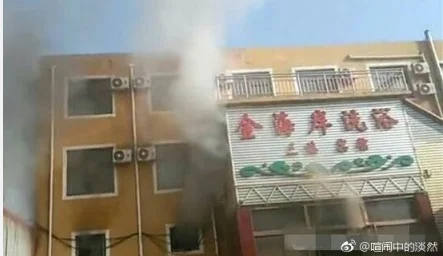
Six individuals lost their lives on Sunday afternoon in a devastating fire that engulfed a bathhouse located in the Yongnian district of Handan, Hebei province. The tragic incident, which saw two people perish at the scene and four others succumb to their injuries after being rushed to the hospital, has prompted immediate and stringent responses from local authorities, including the detention of those believed to be responsible and the initiation of comprehensive safety checks across the city. The Jinhai’an Bath Center, where the blaze originated in a sauna at approximately 13:51 PM, has become the focal point of a thorough investigation aimed at uncovering the precise cause of the inferno and ensuring accountability.
The Tragic Event Unfolds: A Detailed Chronology
The tranquility of a Sunday afternoon in Yongnian district was shattered shortly before 2 PM when an alarm was raised at the Jinhai’an Bath Center. The Hebei Public Security Department, in an official post on Sina Weibo, confirmed that the fire ignited in the sauna area of the facility at 13:51 PM. Eyewitness accounts, though not officially released, likely describe a rapid escalation of the fire, typical of blazes involving enclosed spaces with potentially combustible materials and high temperatures.
Upon receiving the emergency call, local fire brigades were immediately dispatched to the scene. First responders, including firefighters and paramedics, arrived within minutes, facing a chaotic and dangerous situation. Their primary objectives were to contain the fire, search for and rescue any trapped individuals, and provide immediate medical assistance to the injured. The thick smoke and intense heat characteristic of sauna fires would have presented significant challenges to rescue teams. Two individuals were found to have tragically died at the scene, likely due to smoke inhalation or direct exposure to flames, underscoring the rapid and severe nature of the incident.
As the fire was brought under control, emergency medical personnel worked tirelessly to transport the injured to nearby hospitals. The critical condition of several victims necessitated intensive care, but despite the best efforts of medical staff, four more individuals succumbed to their injuries in the hours following the blaze. This raised the total fatality count to six, casting a somber shadow over the community. Throughout Sunday evening and into Monday morning, investigators from the local police and fire departments began their meticulous examination of the fire scene, gathering evidence to determine the origin and cause. The prompt detention of individuals suspected of being responsible for the incident indicates an immediate focus on human factors, whether through negligence, improper maintenance, or other violations of safety protocols. This swift action reflects the seriousness with which Chinese authorities address public safety breaches.
Background and Context: Fire Safety in Public Venues
The incident at the Jinhai’an Bath Center brings into sharp focus the perennial challenges of fire safety in public entertainment and service venues across China. Bathhouses, saunas, KTVs, and other establishments that attract large numbers of people and often feature complex electrical systems, heating elements, and sometimes flammable interior decorations, are inherently susceptible to fire risks. Such venues are required to adhere to stringent national fire safety codes, which cover aspects like building materials, emergency exits, fire suppression systems (sprinklers, extinguishers), ventilation, and staff training for emergency response.
Saunas, in particular, present unique fire hazards. The high temperatures required for operation necessitate robust electrical systems and heating elements. Malfunctions in these systems, such as short circuits or overheating, can easily ignite surrounding materials like wood paneling, insulation, or towels. Furthermore, the confined spaces and often labyrinthine layouts of bathhouses can impede evacuation and complicate rescue efforts, especially if emergency exits are obstructed or poorly marked. Ventilation systems, while crucial for comfort, can also inadvertently spread smoke and fire if not properly designed and maintained to include fire dampers.
China has a long history of implementing national campaigns and regulations aimed at enhancing fire safety, particularly after major incidents. The government frequently emphasizes a "safety first" approach, with local authorities tasked with regular inspections and enforcement. Despite these efforts, tragic fires continue to occur, often highlighting gaps in oversight, a lack of compliance by business owners, or insufficient awareness among the public. Previous large-scale fires in public venues, such as those in shopping malls, theaters, or dormitories, have invariably led to renewed calls for stricter enforcement and improved public safety education. The inherent challenge lies in consistently applying these regulations across millions of businesses, many of which operate with varying levels of resources and commitment to safety.
Official Response and Investigation: A Commitment to Accountability
The official response to the Handan bathhouse fire was swift and decisive. The Hebei Public Security Department, utilizing its official Sina Weibo account, was among the first to disseminate critical information regarding the fatalities and the ongoing investigation. This use of social media highlights the increasingly important role digital platforms play in crisis communication and public information dissemination in China.
Following the initial announcement, the Handan Municipal Government escalated its response. Recognizing the gravity of the incident and its potential implications for public trust, the government quickly moved beyond the immediate investigation of the Jinhai’an Bath Center. Acknowledging the need for preventative measures and a broader reassessment of safety standards, the Handan government announced the immediate dispatch of seven inspection teams. These teams have been tasked with conducting citywide safety checks, targeting similar public venues across Handan. This proactive measure aims to identify and rectify potential fire hazards and other safety violations before another tragedy can occur. The inspections are expected to cover a wide range of establishments, including other bathhouses, hotels, KTVs, shopping centers, and other places of public gathering, focusing on adherence to fire safety codes, emergency exit accessibility, electrical system integrity, and the proper functioning of fire suppression equipment.
Furthermore, the detention of "those believed to be responsible" signals a firm commitment to accountability. While specific identities were not immediately released, this typically refers to business owners, managers, or key personnel whose actions or negligence may have directly contributed to the fire or failed to prevent it. Such detentions are standard procedure in serious incidents in China, allowing investigators to thoroughly question suspects and gather evidence, with the potential for criminal charges ranging from negligence causing death to other public safety offenses. Authorities have vowed to conduct a thorough and transparent investigation, promising that all facts will be uncovered and that justice will be served for the victims and their families. This commitment often extends to reviewing the performance of local regulatory bodies to ensure that oversight responsibilities were adequately discharged.
Broader Impact and Implications: A Call for Enhanced Vigilance
The tragic fire in Handan carries significant broader implications, extending beyond the immediate loss of life and the localized investigation. Firstly, it serves as a stark reminder of the ever-present risks associated with public venues and will undoubtedly intensify scrutiny on fire safety protocols across Hebei province and potentially nationwide. Local governments and regulatory bodies in other cities and provinces often react to such incidents by initiating their own rounds of inspections or reinforcing existing safety campaigns, creating a ripple effect of heightened vigilance. This can lead to temporary closures of non-compliant businesses, imposition of fines, and mandates for urgent upgrades to safety infrastructure.
For the bathhouse industry, in particular, this incident will likely trigger a review of best practices and potentially lead to the implementation of stricter operational guidelines, especially concerning sauna areas. Business owners may face increased pressure to invest in advanced fire detection and suppression systems, regularly update electrical infrastructure, use only fire-resistant materials in renovations, and conduct more frequent and rigorous staff training in emergency procedures. The cost of compliance could be substantial for many smaller establishments, potentially leading to closures or consolidation within the industry.
The incident also highlights the critical role of public awareness. While authorities enforce regulations, individual patrons also have a role to play in observing safety features, identifying potential hazards, and knowing emergency exit routes when visiting public spaces. Public education campaigns often follow such tragedies, reminding citizens of basic fire safety principles.
Economically, the Jinhai’an Bath Center itself will likely face severe consequences, potentially including permanent closure, significant financial penalties, and civil lawsuits from the victims’ families. The wider impact on the local tourism and service industry in Yongnian district might also be felt, as public confidence in the safety of such establishments could be temporarily shaken. The Handan government’s proactive citywide safety checks, while necessary, could also temporarily disrupt business operations for many venues, as they undergo inspections and potentially mandated upgrades.
Ultimately, the Handan bathhouse fire underscores the continuous need for robust regulatory frameworks, rigorous enforcement, and a strong culture of safety awareness among both business operators and the public. As the investigation progresses, its findings will not only determine accountability for this specific tragedy but will also likely inform future policy decisions aimed at preventing similar incidents and safeguarding lives in public spaces across China. The memory of the six lives lost will serve as a poignant reminder of the paramount importance of prioritizing public safety above all else.


 Nila Kartika Wati
 Muslim