Sagoh
Sagoh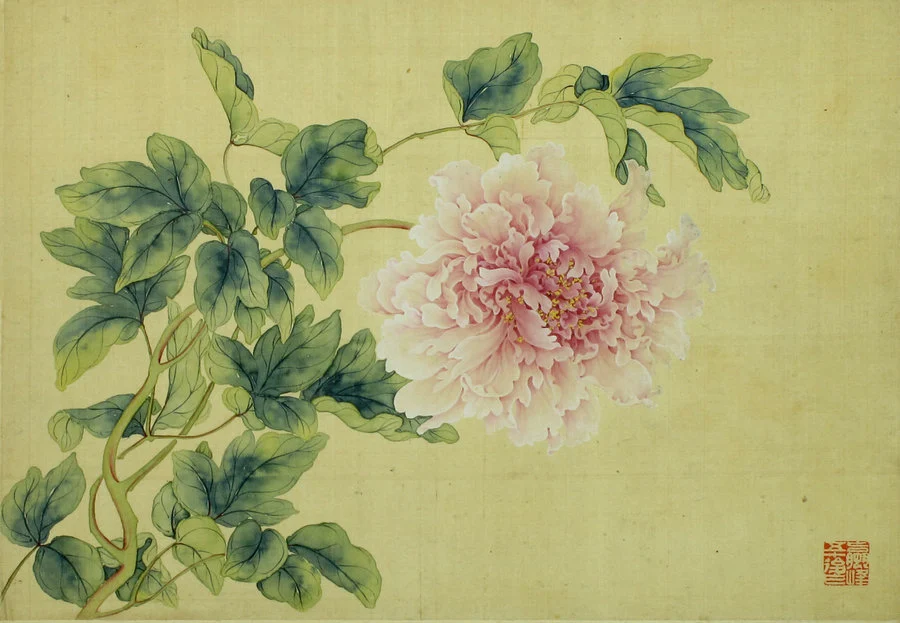
For centuries, the contributions of female artists have been largely relegated to the shadows of art history, a phenomenon observed not only in China but across the globe. Their artistic legacies, often overshadowed by their male contemporaries, have frequently been lost to time, with both documented records and surviving works proving scarce. However, a recent exhibition at the Zhejiang Provincial Museum has brought to light the remarkable achievements of some of these historically overlooked talents, showcasing sixty exquisite pieces by thirty female painters spanning the Ming (1368-1644) and Qing (1644-1911) Dynasties. This groundbreaking exhibition, which commenced on November 25th, offers a rare glimpse into the artistic prowess and unique perspectives of women who, despite societal constraints, carved out significant niches in the art world.
Unveiling a Hidden Artistic Heritage
The exhibition, titled "Silent Brushstrokes: Female Masters of Ming and Qing," is a landmark event, aiming to correct the historical imbalance and illuminate the artistry of women whose names and works have been largely absent from mainstream art discourse. The collection features a diverse range of styles and subjects, but a recurring theme is the delicate rendering of nature, particularly flowers and birds, a genre often associated with feminine sensibilities. Among the featured artists are Wu Dexuan, Yun Bing, and Ma Quan, whose works exemplify the technical skill and aesthetic refinement characteristic of their eras.
Yun Bing and Ma Quan, in particular, stand out as prominent figures within the exhibition. Both hailed from affluent, upper-class families during the Qing Dynasty, a background that likely afforded them access to education and artistic training, privileges not universally available to women of the time. Their mastery of painting flowers and birds is a testament to their keen observation of the natural world and their ability to imbue their subjects with a vibrant, almost palpable life. The delicate petals of flowers, the intricate details of bird plumage, and the subtle interplay of light and shadow in their compositions speak to a profound understanding of artistic principles and a sophisticated aesthetic vision.
Historical Context: The Elusive Female Artist
The marginalization of female artists throughout history is a complex issue rooted in a confluence of societal, cultural, and economic factors. In patriarchal societies, women’s roles were predominantly confined to the domestic sphere, limiting their opportunities for formal education, public recognition, and independent careers. The art world, like many other professional fields, was heavily male-dominated, with academies, guilds, and patronage networks largely excluding women.
In imperial China, while some women from aristocratic or scholarly families might have received private tutelage in the arts, their artistic endeavors were often considered a refined hobby rather than a professional pursuit. The prevailing social norms discouraged women from exhibiting their work publicly or seeking commissions, leading to a scarcity of documented female artists and a fragmented collection of their surviving pieces. The act of artistic creation for women was often a private affair, a means of personal expression or a way to adorn their immediate surroundings, rather than a bid for fame or fortune.
The Ming and Qing Dynasties, though periods of significant cultural and artistic flourishing in China, were no exception to these prevailing norms. While renowned male artists like Tang Yin and Shen Zhou achieved widespread acclaim, the contributions of their female counterparts remained largely unacknowledged. This exhibition, therefore, serves as a crucial corrective, bringing to the forefront the vibrant artistic voices that have been silenced by time and societal neglect.
Chronology of Rediscovery and Recognition
The journey of recognizing and celebrating these ancient female painters is a relatively recent phenomenon. While some scholars and collectors may have privately acknowledged their talents over the years, a concerted effort to bring their works to a wider audience has gained momentum in recent decades.
- Late 20th Century: Art historians and feminist scholars began to re-examine art history, questioning the established canon and actively seeking out the contributions of marginalized groups, including women. This period saw the initial efforts to identify and document surviving works by female artists from various dynasties.
- Early 21st Century: Increased academic research and the digitization of archival materials facilitated the rediscovery and authentication of more works. Museums and galleries began to cautiously include female artists in group exhibitions, often as footnotes to larger thematic shows.
- 2010s Onwards: A growing awareness and demand for diverse artistic narratives have led to more dedicated exhibitions and scholarly attention. The Zhejiang Provincial Museum’s current exhibition is a significant development, marking a more substantial and focused effort to present the oeuvre of these historical female artists.
The exhibition at the Zhejiang Provincial Museum represents a culmination of these efforts, providing a platform for a significant body of work to be seen, appreciated, and studied by the public and art historians alike.
Supporting Data and Artistic Significance
The sixty works on display offer a rich tapestry of artistic styles and thematic preoccupations. While the exhibition highlights a range of subjects, the prevalence of flower-and-bird paintings by artists like Yun Bing and Ma Quan is particularly noteworthy. This genre, known as huaniao hua (花鳥畫), has a long and distinguished history in Chinese art. Traditionally, these paintings were not merely decorative but also carried symbolic meanings, with specific flowers and birds representing virtues, auspiciousness, or seasonal changes.
- Symbolism in Flower and Bird Paintings: For instance, peonies often symbolize wealth and prosperity, while lotuses represent purity and rebirth. Birds, such as magpies, are associated with joy, and cranes symbolize longevity. The meticulous rendering of these subjects by Yun Bing and Ma Quan suggests not only technical virtuosity but also a deep engagement with these cultural and symbolic traditions.
- Feminine Character: The "strong feminine character" attributed to these works is not simply a matter of subject matter but also of stylistic execution. Many of these paintings exhibit a delicate touch, refined brushwork, and a subtle use of color, conveying a sense of grace, harmony, and introspective beauty. This is not to say that these qualities are exclusive to female artists, but rather that they were often emphasized and cultivated within the artistic expressions of women, aligning with prevailing aesthetic ideals and personal inclinations.
- Artistic Lineage and Influence: The exhibition also sheds light on the potential for artistic transmission among women, even in a limited capacity. While formal academies were often inaccessible, it is plausible that artistic knowledge and techniques were passed down through familial connections or informal networks. The inclusion of artists from different periods within the Ming and Qing dynasties allows for an examination of evolving styles and potential influences, even if direct lines of mentorship are difficult to definitively trace.
Official Responses and Inferred Reactions
While direct quotes from museum officials or art historians involved in the exhibition are not provided in the source material, the very act of organizing such a comprehensive display speaks volumes about their commitment to re-evaluating art history.
- Curatorial Intent: The Zhejiang Provincial Museum’s decision to dedicate an entire exhibition to ancient female painters signals a deliberate effort to address historical omissions and promote a more inclusive understanding of Chinese art. This is likely driven by a growing recognition within the museum community of the importance of showcasing diverse voices and challenging established narratives.
- Artistic Community: The exhibition is expected to generate significant interest and discussion within the art historical community. Scholars will likely use this as an opportunity to conduct further research, publish new findings, and re-examine existing scholarship on Ming and Qing dynasty art. The availability of such a concentrated collection of works will undoubtedly fuel new interpretations and analyses.
- Public Engagement: For the general public, the exhibition offers a rare chance to connect with a previously underrepresented segment of China’s artistic heritage. The aesthetic beauty and historical significance of these works are likely to resonate with visitors, fostering a greater appreciation for the artistic contributions of women throughout history.
Broader Impact and Implications
The "Silent Brushstrokes" exhibition at the Zhejiang Provincial Museum has far-reaching implications beyond the immediate display of art. It contributes to a broader global movement to uncover and celebrate the artistic achievements of women that have been historically marginalized.
- Revising Art History: By bringing these works to the forefront, the exhibition actively participates in the revision of art history. It challenges the notion of a singular, male-dominated artistic narrative and encourages a more nuanced and comprehensive understanding of artistic evolution. This can inspire similar efforts in other regions and for other historical periods.
- Inspiration for Contemporary Artists: The exhibition serves as a powerful source of inspiration for contemporary female artists. Witnessing the resilience, talent, and dedication of these historical figures can empower and encourage new generations of artists to pursue their creative ambitions, even in the face of contemporary challenges.
- Cultural Preservation and Education: The careful preservation and exhibition of these works are vital for cultural heritage. They ensure that these artistic legacies are not lost to future generations and provide invaluable educational resources for understanding the social and cultural contexts in which these women lived and created.
- Challenging Gendered Perceptions: The exhibition subtly challenges gendered perceptions of artistic talent and appreciation. By showcasing the technical skill, aesthetic sophistication, and emotional depth of these female artists, it dismantles the stereotype that certain artistic genres or styles are inherently "feminine" in a limiting or lesser sense. Instead, it highlights the diverse range of artistic expression that women are capable of and have historically produced.
In conclusion, the exhibition at the Zhejiang Provincial Museum is more than just a display of ancient paintings; it is a significant act of cultural reclamation. It illuminates the brilliance of forgotten artists, enriches our understanding of Chinese art history, and underscores the enduring power of creative expression, regardless of gender or historical circumstance. The "obscure" are finally stepping into the light, their silent brushstrokes now speaking volumes to a world eager to listen.

 Asep Darmawan
 Rifan Muazin