Asep Darmawan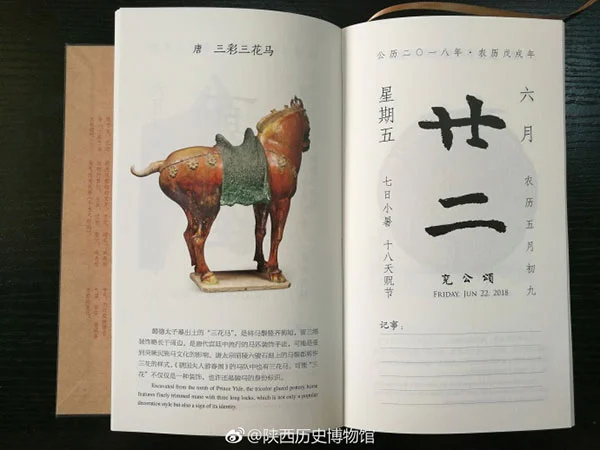
The Shaanxi History Museum has unveiled its first-ever calendar dedicated to cultural relics, offering a year-long journey through 365 exquisite pieces from China’s rich past. The 2018 "Shaanxi History Museum Calendar," themed "Glamour of Chang’an, the Tang Treasures," represents a significant initiative by the museum to make its vast collection accessible and engaging for a wider audience, drawing inspiration from the success of similar high-profile publications.
H2: A Year of Treasures: The "Shaanxi History Museum Calendar" Unveiled
Launched on Tuesday, the calendar is the result of a collaborative effort between the curatorial and research teams of the Shaanxi History Museum and the renowned design team behind the immensely popular "Palace Museum Calendar." This partnership aims to leverage the expertise in historical artifact preservation and presentation with proven success in creating visually appealing and informative products. The calendar’s theme, "Glamour of Chang’an, the Tang Treasures," specifically highlights the opulent and influential Tang Dynasty (618-907 AD), a period when Chang’an (modern-day Xi’an) served as the cosmopolitan capital of China and a major hub along the Silk Road.
Each page of the calendar is meticulously designed to offer a dual experience. The left-hand side features high-quality images of selected cultural relics, accompanied by bilingual introductions in Chinese and English. This dual-language approach ensures accessibility for both domestic and international audiences, fostering a deeper understanding and appreciation of China’s historical heritage. The right-hand side of each page is dedicated to the practicalities of a calendar, offering dates, space for personal notes, and a unique artistic touch: the dates and festivals are presented in calligraphy derived from inscriptions by ancient masters. This fusion of historical artifacts, historical context, and artistic heritage transforms the calendar from a mere timekeeping tool into a valuable educational and cultural artifact in itself.
H2: The Significance of Chang’an and Tang Dynasty Treasures
The choice of Chang’an and Tang Dynasty treasures as the central theme is deeply rooted in the historical importance of the Shaanxi province. Shaanxi, often referred to as the cradle of Chinese civilization, was home to numerous ancient capitals, with Chang’an being the most prominent and influential. As the capital of thirteen dynasties, including the Tang, Chang’an was a vibrant metropolis that shaped Chinese history, culture, and international relations for centuries. The Tang Dynasty, in particular, is celebrated for its economic prosperity, political stability, artistic flourishing, and its openness to foreign cultures, making it a golden age in Chinese history.
The Shaanxi History Museum, established in 1983, houses an unparalleled collection of artifacts spanning over a million years of human history in Shaanxi. Its holdings include a vast array of items from the Tang Dynasty, such as exquisite ceramics, intricate gold and silver ware, vibrant tomb murals, and delicate Buddhist sculptures. These artifacts offer invaluable insights into the daily lives, religious practices, artistic achievements, and political structures of the Tang era. By focusing on these treasures, the calendar provides a tangible connection to this pivotal period, allowing individuals to explore the grandeur and sophistication of ancient Chinese civilization.
H3: Supporting Data and Collection Highlights
The 365 selected cultural relics represent a diverse range of artifacts, each with its own story and historical significance. While specific details of all 365 items are not yet publicly disclosed, the thematic focus suggests that the calendar will likely feature iconic pieces that exemplify Tang Dynasty artistry and culture. These could include:
- Tang Sancai (Three-Color Glazed Pottery): Renowned for its vibrant lead-glazed earthenware, Tang Sancai pottery often depicts lively horses, camels, court ladies, and musicians, offering a glimpse into the dynamism of Tang society and its trade with Central Asia. Examples might include tomb figurines that were buried with the deceased to accompany them in the afterlife.
- Gold and Silverware: The Tang Dynasty was a period of great wealth and skilled craftsmanship in metalwork. The calendar could showcase intricate gold and silver vessels, jewelry, and decorative items that reflect the opulent lifestyle of the Tang aristocracy and the influence of Persian and Central Asian metalworking techniques.
- Calligraphy and Painting: The Tang Dynasty witnessed a flourishing of calligraphy and painting. While original Tang Dynasty paintings are rare, the calendar might feature examples of calligraphic works or reproductions of tomb murals that provide insight into the artistic styles and themes of the era.
- Buddhist Art: Buddhism played a significant role in Tang society, and the museum’s collection likely includes exquisite Buddhist sculptures, bronze statues, and ritual objects that illustrate the development and influence of Buddhist art during this period.
- Silk Road Artifacts: As the eastern terminus of the Silk Road, Chang’an was a melting pot of cultures. The calendar could feature items that demonstrate the exchange of goods and ideas, such as foreign coins, glasswares, or artifacts reflecting the diverse ethnic groups present in the capital.
The decision to select 365 pieces is symbolic, representing each day of the year. This meticulous selection process, undertaken by museum experts, ensures that each featured relic is not only visually appealing but also historically significant, providing a comprehensive overview of the Tang Dynasty’s cultural achievements.
H2: A Legacy of Collaboration and Public Engagement
The collaboration with the "Palace Museum Calendar" team is a strategic move. The "Palace Museum Calendar," produced by Beijing’s Forbidden City, has achieved remarkable success in recent years, becoming a sought-after item and demonstrating a strong market demand for high-quality, culturally rich calendars. This partnership allows the Shaanxi History Museum to benefit from the established brand recognition and distribution networks of its Beijing counterpart, significantly amplifying the reach of its own publication.
The "Palace Museum Calendar" has often been lauded for its detailed historical annotations and its ability to connect ancient artifacts with contemporary life. By adopting a similar approach, the Shaanxi History Museum is poised to create a product that is both educational and aspirational, encouraging a deeper engagement with Chinese history among a broad demographic. The inclusion of bilingual content and the artistic presentation of dates further enhance its appeal, making it an attractive gift item and a personal keepsake.
H3: Chronology of Release and Anticipation
The release of the "Shaanxi History Museum Calendar" on Tuesday marks the culmination of a significant planning and production process. While the exact timeline of its development is not public, such projects typically involve years of research, artifact selection, high-resolution photography, design, translation, and printing. The anticipation for this calendar has been building, particularly among history enthusiasts and those familiar with the museum’s extensive collection. The announcement of its theme, "Glamour of Chang’an, the Tang Treasures," has likely further fueled interest, given the enduring fascination with the Tang Dynasty’s cultural legacy.
H2: Official Statements and Broader Implications
While specific official statements from museum directors or curators at the time of release are not yet available in the provided text, the initiative itself speaks volumes about the Shaanxi History Museum’s commitment to public outreach and cultural dissemination. Such projects are typically driven by a desire to:
- Democratize Access to Heritage: Making museum collections accessible beyond the physical confines of the exhibition halls.
- Enhance Public Understanding: Educating the public about the significance of historical artifacts and their connection to China’s past.
- Promote Cultural Tourism: Inspiring interest in Shaanxi province and its rich historical sites, potentially boosting tourism.
- Foster National Pride and Identity: Reinforcing a sense of cultural heritage and national pride among Chinese citizens.
- Contribute to Global Cultural Exchange: Introducing China’s historical treasures to an international audience.
The fact-based analysis of the implications of this calendar release points to a growing trend in major cultural institutions to leverage modern media and product development to engage with the public. In an era where digital platforms dominate, the creation of tangible, beautifully crafted artifacts like this calendar signifies a recognition of the enduring value of physical objects and the desire for deeper, more curated experiences.
The success of the "Palace Museum Calendar" suggests a strong market for such culturally infused products. The Shaanxi History Museum’s entry into this market, with a focus on its own distinct and equally significant historical offerings, is likely to be met with considerable enthusiasm. This initiative not only highlights the treasures of the Shaanxi History Museum but also contributes to a broader national effort to preserve, promote, and celebrate China’s millennia-old cultural heritage. The "Shaanxi History Museum Calendar" is more than just a calendar; it is an invitation to embark on a year-long exploration of China’s glorious past, one treasure at a time.

 Rifan Muazin