Ali Ikhwan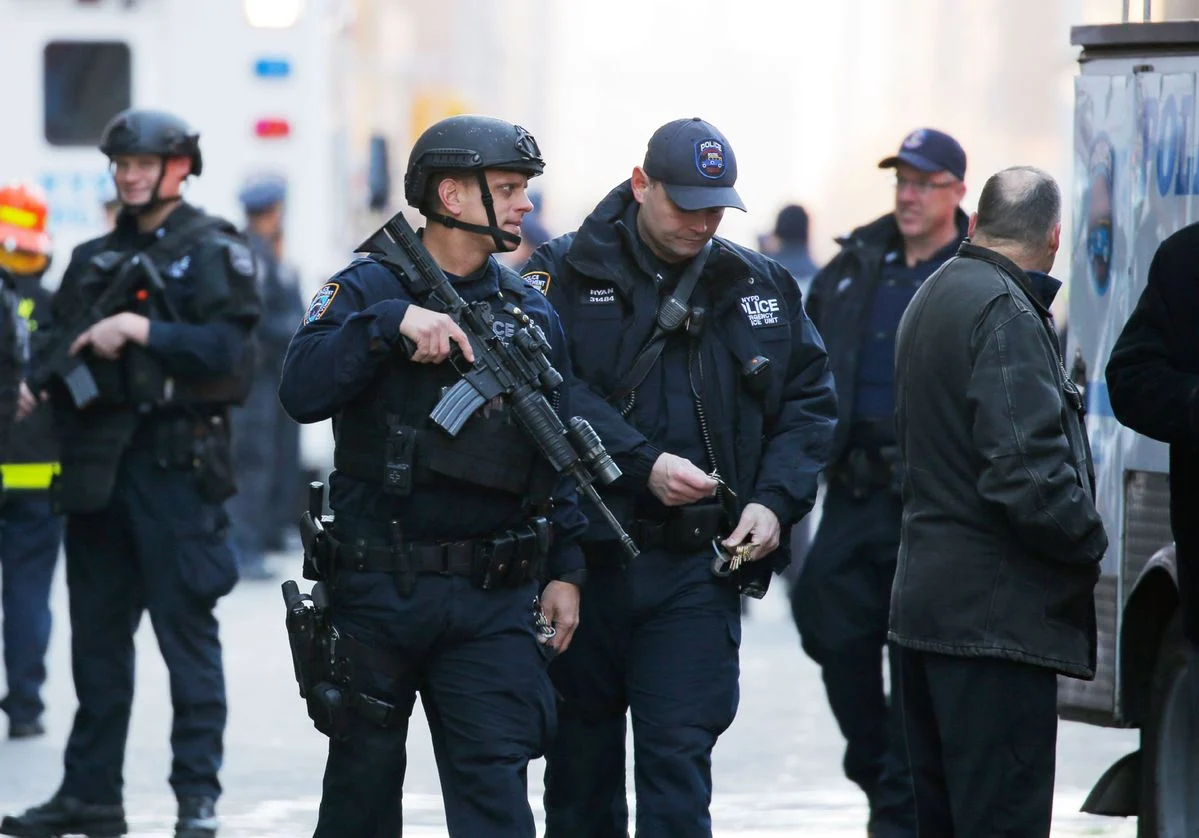
A pre-dawn explosion in a bustling underground passageway near Times Square on Monday, December 11, 2017, sent shockwaves through New York City, injuring four people and prompting immediate security responses. The incident, which occurred at approximately 7:20 AM local time, involved a 27-year-old male suspect who detonated an improvised explosive device attached to his person. The blast, described as low-tech, occurred in a corridor connecting the Port Authority Bus Terminal with the Times Square-42nd Street subway station, a major transportation hub for the city.
The suspect, identified by authorities as Akayed Ullah, sustained serious injuries in the explosion and was taken into custody. Three other individuals present in the vicinity suffered minor injuries, primarily characterized by ringing in the ears and headaches. New York City Police Commissioner James O’Neil confirmed the details at a press conference held close to the scene of the incident, emphasizing that the situation was under control and that the suspect was the sole perpetrator. The event, captured on transit system surveillance footage, immediately triggered a comprehensive review and extensive witness interviews by law enforcement.
The Incident Unfolds: A Chronology of Events
The morning commute in one of the world’s busiest cities was abruptly disrupted by the explosion. At approximately 7:20 AM EST, commuters navigating the underground walkway, a crucial artery for millions of New Yorkers and tourists daily, were jolted by a deafening blast. The device, reportedly a pipe bomb crudely fashioned and strapped to the suspect’s torso, detonated prematurely, according to initial reports. The force of the explosion, while contained, sent a wave of panic through the densely populated area.
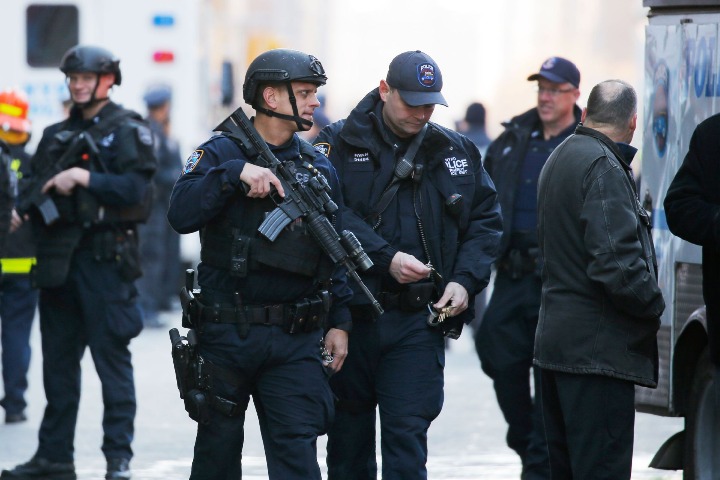
Emergency services were dispatched with remarkable speed. Police officers, already present in heightened numbers due to the holiday season, responded within minutes. The immediate priority was to secure the scene, provide aid to the injured, and apprehend the suspect. The Port Authority Bus Terminal, a hub for intercity bus services, and adjacent subway lines were immediately evacuated and services suspended, causing significant disruptions to the morning commute. The New York City Fire Department and Emergency Medical Services were on-site, treating the injured and assessing the structural integrity of the affected area.
The suspect, Akayed Ullah, was quickly identified and taken into custody, reportedly suffering from burns and shrapnel wounds. The other three injured individuals were treated for non-life-threatening conditions and released or observed for symptoms. The area was cordoned off, transforming the usually vibrant transit nexus into a crime scene under intense scrutiny.
The Suspect and the Device: An Initial Assessment
Police Commissioner O’Neil identified the suspect as Akayed Ullah, a 27-year-old male. While he declined to provide extensive details about Ullah’s background at the initial press conference, subsequent reports began to surface about his alleged motivations and connections. Law enforcement agencies, including the FBI and the Department of Homeland Security, quickly became involved in the investigation, working to ascertain the full scope of the plot and any potential accomplices.
The explosive device was described as an "improvised, low-tech explosive device." This suggests a homemade bomb, likely constructed from readily available materials. Investigations into the precise components of the device and its intended target were immediately launched. The fact that it detonated prematurely and did not cause mass casualties was attributed, in part, to its crude nature and potentially faulty construction, as well as its location within a confined underground space.
Authorities appealed to the public for any information that could aid in their investigation, a standard procedure in such cases. The transit system’s extensive video surveillance network proved crucial in piecing together the events leading up to and immediately following the explosion, providing investigators with vital visual evidence.
Broader Context and Supporting Data
The incident occurred against a backdrop of heightened global security concerns and in a city that has historically been a target for terrorist attacks. New York City has long been a symbol of Western democracy and a focal point for international attention, making it a recurring target for extremist ideologies. The 9/11 terrorist attacks in 2001, which devastated the World Trade Center, remain a stark reminder of the city’s vulnerability. Since then, New York has implemented robust security measures across its transportation networks, including increased police presence, surveillance, and counter-terrorism protocols.
The Port Authority Bus Terminal and the Times Square-42nd Street subway station are among the busiest transit hubs in the United States. The Port Authority handles millions of passengers annually, with thousands of buses arriving and departing daily. The subway station serves multiple major lines, connecting vast swathes of the city and its surrounding areas. An attack on such a critical nexus has the potential for widespread disruption and significant loss of life, underscoring the gravity of this event.
In the years leading up to this incident, there had been a number of high-profile terrorist attacks and attempted attacks in Western cities, often perpetrated by individuals or small groups inspired by extremist ideologies. These events, such as the truck attack on a pedestrian bike path in Manhattan just weeks prior to this explosion, had already heightened public awareness and law enforcement vigilance regarding potential threats. The use of improvised explosive devices by individuals has become a recurring tactic in modern terrorism, posing a significant challenge to security forces due to the difficulty in detecting such crude, homemade weapons.
Official Responses and Reactions
New York City Mayor Bill de Blasio, speaking shortly after the press conference, condemned the attack and reiterated the city’s resilience. "This was an attempted terrorist attack," de Blasio stated, emphasizing that the perpetrator’s actions were aimed at sowing fear and chaos. He praised the swift response of the NYPD and other emergency services, highlighting their professionalism and dedication to public safety. The Mayor assured New Yorkers that the city would not be intimidated and would continue to operate as usual, albeit with increased security measures.
Governor Andrew Cuomo of New York also issued a statement, calling the incident a "terrorist incident" and a "failed attack." He commended the quick actions of law enforcement in apprehending the suspect and minimizing casualties. Governor Cuomo pledged full state support for the investigation and for any necessary security enhancements.
Federal agencies, including the FBI and the Department of Homeland Security, immediately engaged with local authorities. The FBI’s Joint Terrorism Task Force, a collaborative effort between federal and local law enforcement, took the lead in the investigation, working to determine if the suspect had any ties to organized extremist groups or if this was an act of lone-wolf terrorism.
The Port Authority of New York and New Jersey, which operates the bus terminal, released a statement expressing concern for those injured and assuring the public that they were cooperating fully with law enforcement. They also emphasized their commitment to maintaining the safety and security of their facilities.
Implications and Broader Impact
The explosion, though resulting in relatively minor injuries, served as a stark reminder of the persistent threat of terrorism to major urban centers. The incident prompted immediate reviews of security protocols at transportation hubs across the city and the nation. It underscored the ongoing challenge of preventing attacks by individuals who may be radicalized online or through personal networks, and who utilize easily accessible materials to construct explosive devices.
The attack’s location in a high-traffic area during peak commuting hours highlighted the vulnerability of public spaces. It also brought to the forefront the complex interplay between security, public convenience, and civil liberties. The need for robust surveillance and intelligence gathering must be balanced with the rights and freedoms of citizens.
In the aftermath, there was an increased focus on intelligence sharing between federal, state, and local agencies. The effectiveness of community outreach programs aimed at identifying and preventing radicalization also came under renewed scrutiny. The incident served as a catalyst for discussions about the evolving nature of terrorist threats and the need for adaptive security strategies.
Furthermore, the economic implications of such an event, even a relatively contained one, are significant. The disruption to transportation services, while temporary, can have ripple effects on businesses and daily life. The psychological impact on a city that has endured past attacks is also a critical factor, reinforcing the need for effective communication and reassurance to the public.
The investigation into Akayed Ullah’s background, motivations, and any potential connections was expected to be extensive. Understanding how he acquired the materials, constructed the device, and became radicalized would be crucial in preventing similar incidents in the future. The swift response and successful apprehension of the suspect by New York’s law enforcement agencies were widely praised, reinforcing the city’s reputation for effective counter-terrorism efforts. However, the incident served as a sobering reminder that the threat remains, requiring constant vigilance and adaptation in security measures.


 Nana Wu
 Suro Senen