Ammar Sabilarrohman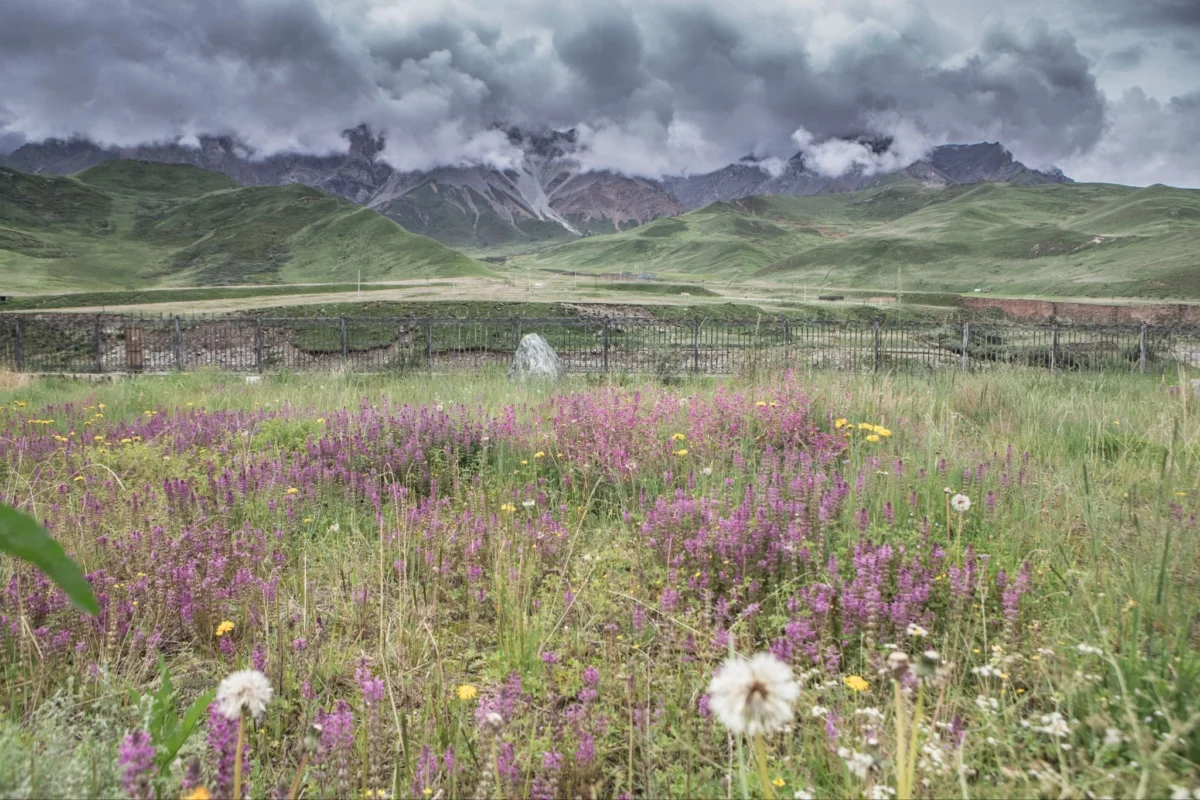
A catastrophic mudslide, triggered by an immense ice-rock avalanche, has ripped through a remote valley straddling the China-Nepal border, leaving a trail of destruction and an escalating humanitarian crisis. As of Wednesday, August 26, initial reports indicate that more than a thousand individuals are missing, and hundreds have been confirmed dead, their lives abruptly ended by the ferocity of the natural disaster that has obliterated communities in both Tibet and Nepal. The incident, which occurred in the early morning hours, has sent shockwaves through the region and ignited urgent discussions about the accelerating impacts of climate change on fragile high-altitude environments.
The Genesis of the Disaster: An Avalanche Unleashes Fury
The initial assessment points to a massive ice-rock avalanche as the catalyst for the devastating mudslide. This colossal cascade of frozen debris, plunging into the river at the valley’s base, generated a powerful flash flood. This initial surge then destabilized the surrounding terrain, unleashing a torrent of mud and debris that swept relentlessly downhill, engulfing everything in its path. While the precise sequence of events is still under rigorous investigation, experts are cautioning against attributing the disaster solely to immediate climate change factors. However, they unequivocally acknowledge that rising global temperatures and the consequent melting of glaciers have likely played a significant, exacerbating role in the lead-up to this tragic event. The Himalayas, a region acutely sensitive to climatic shifts, are experiencing changes that are increasing the frequency and intensity of such natural hazards.
A Pattern of Peril: Echoes of Past Disasters
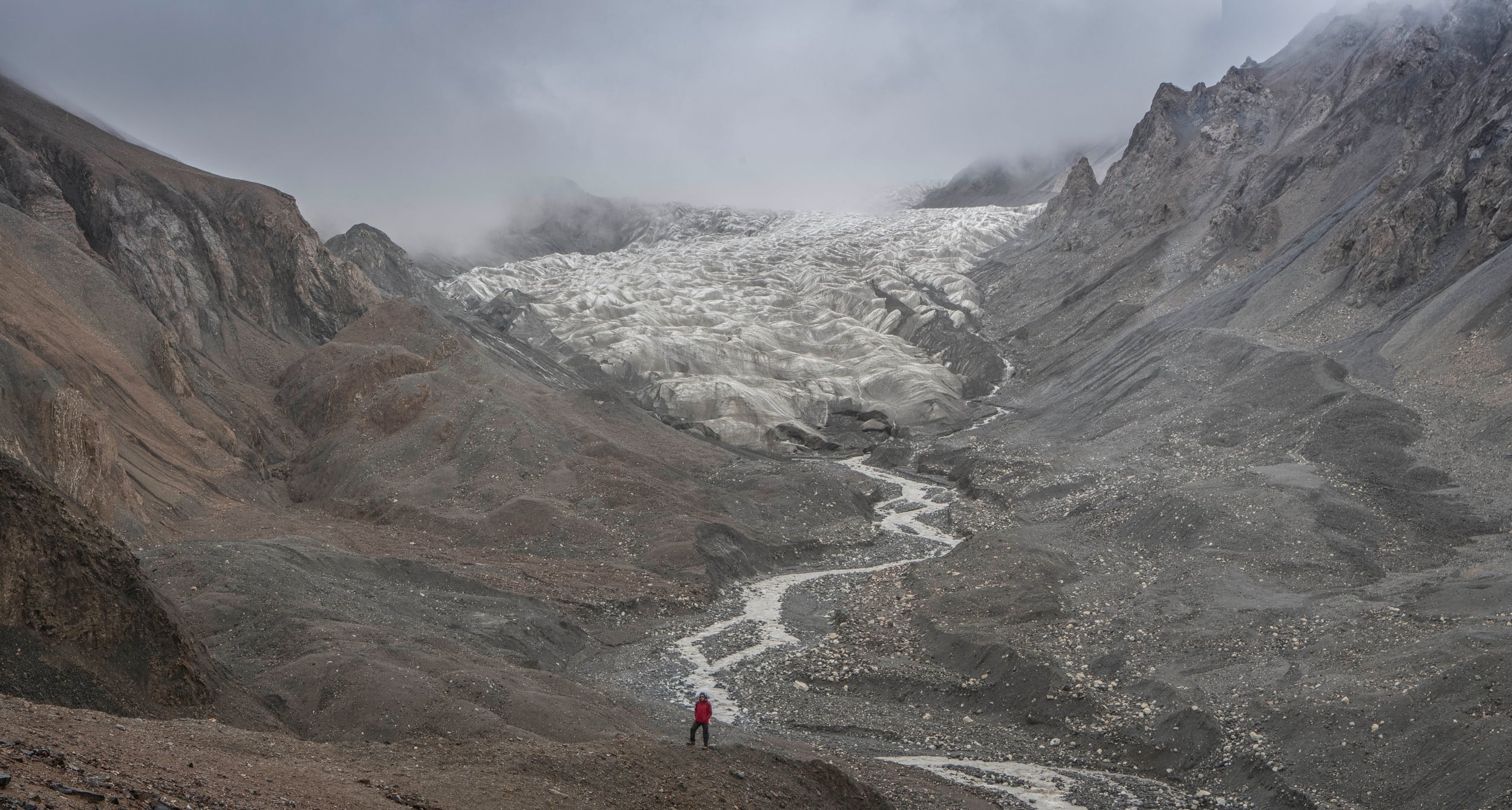
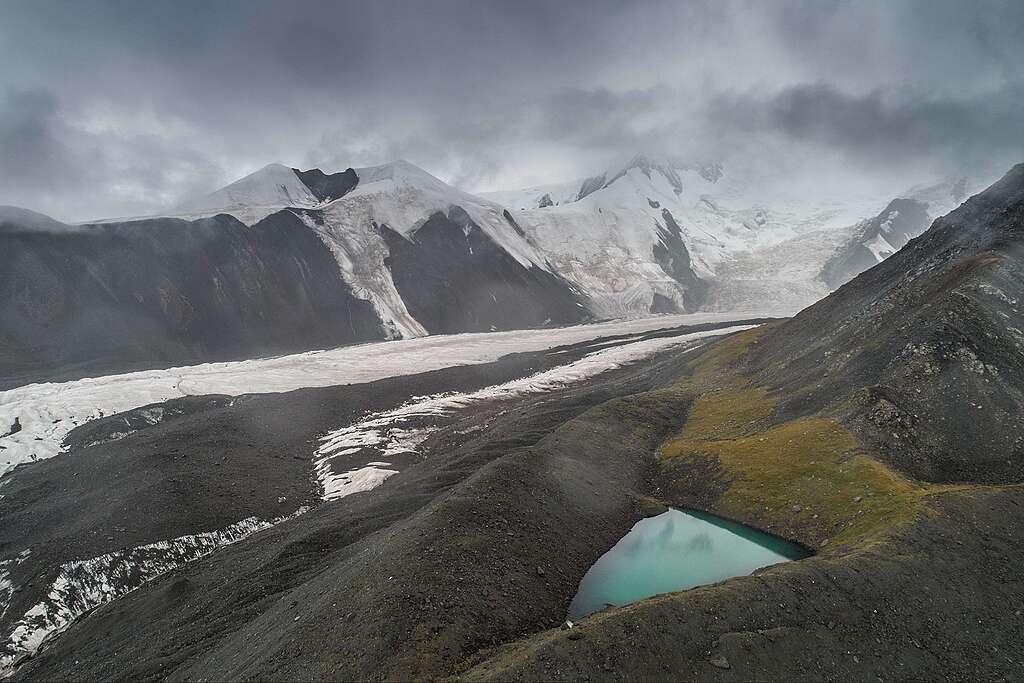
This devastating mudslide is not an isolated incident in the region. Just last year, a similarly catastrophic event – a glacial outburst flood – struck the same border area. A glacial outburst flood occurs when meltwater accumulates behind a natural dam of ice and debris at the base of a glacier, forming a glacial lake. When this moraine wall inevitably fails, the pent-up water is released in a sudden, powerful flood that cascades down the mountainside. The recurring nature of these disasters underscores the growing instability of the Himalayan ecosystem, a direct consequence of the warming climate.
The Unfolding Crisis: Scale of Devastation and Human Toll
The sheer scale of the devastation is still being pieced together as rescue efforts commence in extremely challenging conditions. The remote and rugged terrain of the Himalayas presents significant obstacles for emergency responders. Access to the affected areas is limited, and the ongoing risk of further landslides and aftershocks complicates immediate relief operations. The initial casualty figures, while grim, are expected to rise as search and rescue teams navigate the debris-laden valleys. The loss of life and the disappearance of over a thousand people represent an immeasurable tragedy for the families and communities affected, many of whom relied on traditional livelihoods tied to the land.
Climate Change’s Fingerprint: Scientific Insights and Data
The fragility of permafrost regions in the Himalayas and the Tibetan Plateau is a critical factor in understanding this disaster. These high-altitude, mountainous areas, historically characterized by cold temperatures, have been warming at a rate double the global average. Between 1981 and 2020, the region has seen an increase of approximately 0.5°C every decade, coupled with an average precipitation increase of about 14 millimeters every ten years. These seemingly modest figures, when viewed in the context of sensitive high-altitude ecosystems, translate into profound geological impacts.

The delicate balance of these environments, including soil stability and riverine systems, is being disrupted. The risk of localized events triggering chain reactions is significantly heightened. Furthermore, the vulnerability of populations residing in these mountainous areas to both natural and climate-induced disasters is a growing concern. The thawing of permafrost can destabilize slopes, making them more prone to landslides and avalanches. The increased meltwater from glaciers can lead to the formation and expansion of glacial lakes, increasing the risk of outburst floods.
A Precedent of Concern: Greenpeace’s Earlier Warnings
This disaster echoes the concerns raised by a comprehensive report published in 2018 by Greenpeace East Asia, in collaboration with the Chinese Academy of Sciences and the Gansu Provincial Academy. The report provided a detailed analysis of the impact of climate change on glaciers across China and the broader Asian continent. It explicitly urged for the implementation of more robust early warning systems and enhanced risk prevention measures to address the escalating risks posed by the increasing instability of high-altitude glacial regions. The findings of that report, tragically, appear to have been prescient, highlighting a failure to fully heed the scientific warnings.
Government Response and Policy Frameworks
In the wake of such reports and the mounting evidence of climate change impacts, the Chinese government has implemented several national strategy documents aimed at addressing these challenges. These include the "National Climate Change Adaptation Strategy 2035" and the "Qinghai-Tibet Plateau Ecological Protection Law." Both emphasize the critical need to confront climate-related risks and to strengthen monitoring and early warning systems in these vulnerable regions.
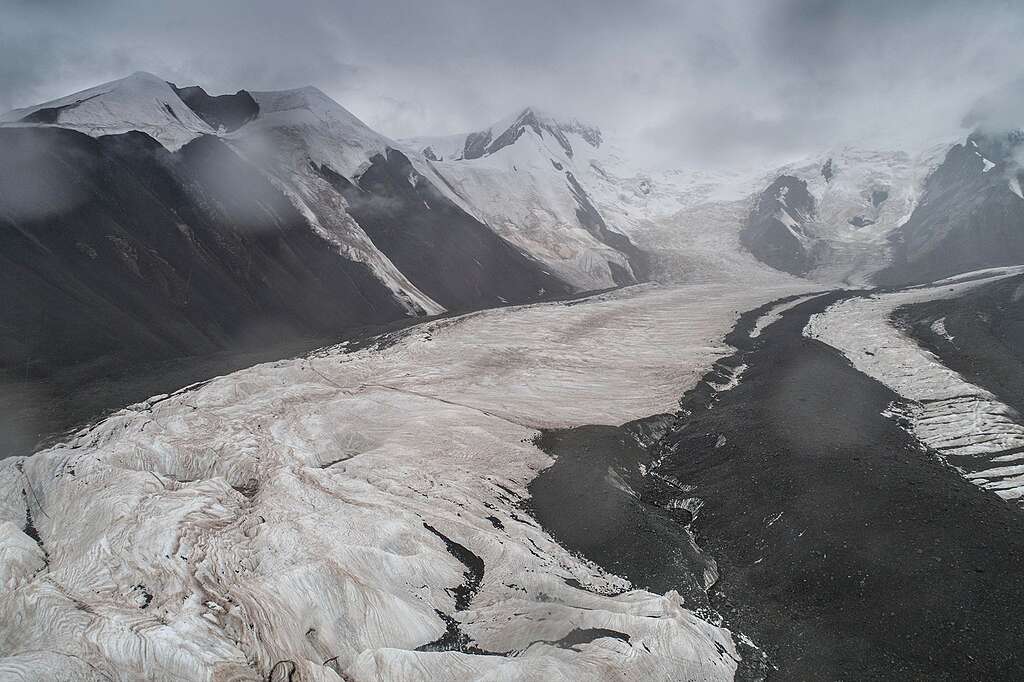
However, despite these policy advancements, significant gaps in climate adaptation remain, particularly within the complex and rapidly changing high-altitude environment characterized by warming permafrost. The need for real-time risk monitoring capabilities and effective on-the-ground emergency management mechanisms is more apparent than ever. The current infrastructure and protocols may not be sufficiently equipped to handle the escalating frequency and intensity of these climate-driven events.
The Narrow Window for Response: Lessons from Simulations
The past decade has witnessed a notable increase in glacial outburst floods, a direct consequence of the destabilizing effects of climate change on glacial lakes. Both Nepal and China have undertaken measures to mitigate these risks, including disaster assessments, the deployment of remote sensing technologies, flood simulations, and fostering cross-border information exchange.
A chilling simulation conducted in 2022 on a neighboring river valley, which shared geological and geographical similarities with the current disaster zone – including the presence of a glacial lake, a steep canyon, and a border crossing – provided a stark illustration of the limited time available for response. The simulation indicated that a glacial lake outburst flood could reach a nearby town in as little as 5 to 11 minutes and arrive at the China-Nepal border within approximately 30 minutes. This suggests an extremely narrow window for evacuation and emergency intervention, underscoring the critical importance of highly effective and rapid early warning systems. The current mudslide, while different in its immediate trigger, highlights the shared vulnerability and the urgent need for enhanced preparedness across the entire Himalayan region.
Broader Implications: A Call for Urgent Action
The devastating mudslide in the Himalayas serves as a stark and tragic reminder of the profound and escalating impacts of climate change on vulnerable regions and populations. The loss of life, the displacement of communities, and the destruction of infrastructure underscore the immediate humanitarian crisis. Beyond the immediate tragedy, this event has far-reaching implications:
- Increased Frequency and Intensity of Extreme Weather Events: The disaster is consistent with scientific projections of an increase in the frequency and intensity of extreme weather events in high-mountain regions due to global warming. This includes landslides, floods, and avalanches.
- Threat to Infrastructure and Livelihoods: The affected areas are often remote and economically vital for local communities, relying on agriculture and tourism. The destruction of infrastructure, including roads and bridges, will have long-term economic consequences and hinder recovery efforts.
- Cross-Border Cooperation: The transboundary nature of the disaster highlights the imperative for enhanced cooperation between nations in disaster preparedness, early warning systems, and joint response mechanisms. Information sharing and coordinated action are crucial for mitigating risks in shared environments.
- Urgent Need for Climate Adaptation and Mitigation: The event amplifies the call for accelerated global efforts in both climate change mitigation (reducing greenhouse gas emissions) and adaptation (building resilience to unavoidable climate impacts). Investing in robust early warning systems, climate-resilient infrastructure, and community-based disaster management programs is paramount.
- Vulnerability of High-Altitude Ecosystems: The disaster underscores the extreme vulnerability of high-altitude ecosystems, which are disproportionately affected by climate change. Protecting these fragile environments requires dedicated conservation efforts and a global commitment to addressing the root causes of climate change.
The tragedy in the Himalayas demands a renewed sense of urgency from the international community. It is a clear signal that the consequences of a warming planet are no longer distant threats but present and devastating realities, requiring immediate and decisive action to protect lives, livelihoods, and the planet’s most sensitive regions.

 Laily UPN
 Basiran