 Siti Muinah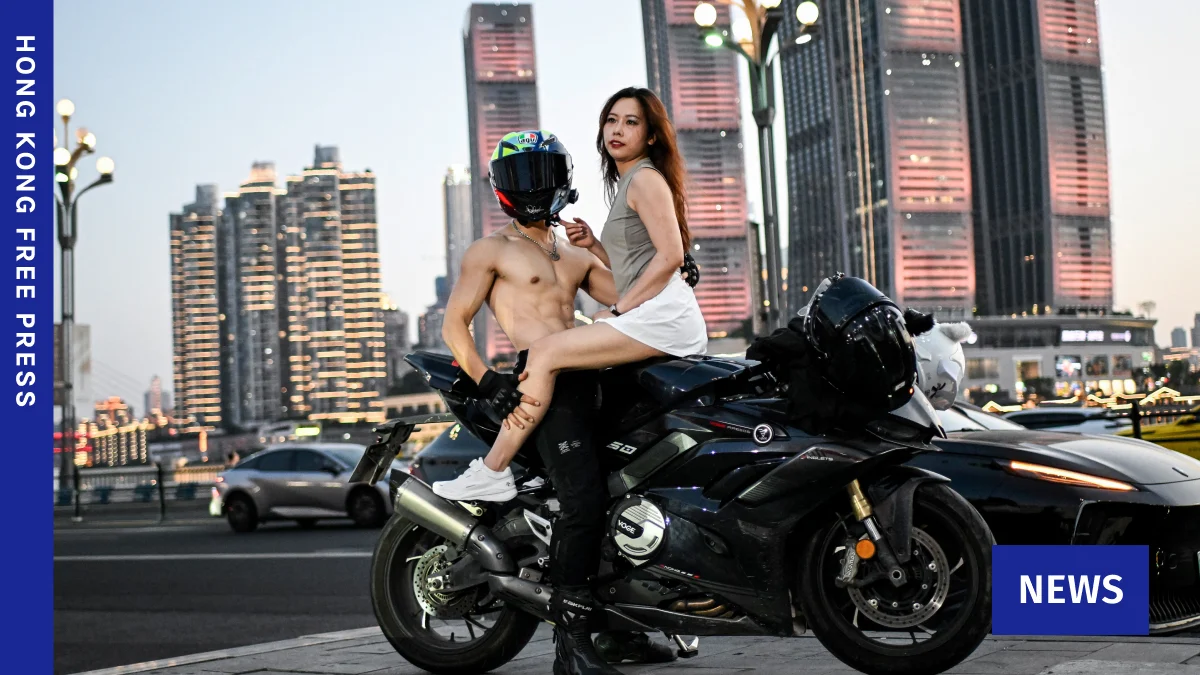
The electrifying hum of motorcycle engines has become the pulsating soundtrack to Chongqing’s nights, transforming the southwestern Chinese metropolis into an unexpected global tourism hotspot. Tourists, often in rented leather jackets that belie the city’s sweltering heat, are flocking to the city to star in their own viral videos, clinging to the backs of muscular riders as they navigate the dazzling, neon-drenched urban landscape. This phenomenon, fueled by social media and a unique urban environment, has elevated Chongqing’s already robust motorcycle culture into a significant driver of its economy.
The scene is a captivating blend of adrenaline and artistry. Teams of entrepreneurs, their gleaming motorbikes parked strategically along bustling streets, hawk personalized filming services to eager passersby. Many of these visitors are not just drawn by the city’s famed cyberpunk aesthetic, but specifically by the visually arresting motorbike videos they’ve encountered online. These short, dynamic clips, often featuring riders and passengers zipping past the city’s iconic illuminated skyscrapers and intricate elevated roadways, have garnered billions of views, creating a powerful word-of-mouth marketing effect that transcends geographical boundaries.
Liu Changqing, a 30-year-old visitor from Shanghai, exemplifies the dedication of these modern-day pilgrims. "I flew from Shanghai to Chongqing this morning, and the first priority is this shoot," she told AFP, the heavy motorcycle jacket a stark contrast to the humid evening air. She describes the full-service experience: "They even have make-up artists to help you," she added, before mounting a crimson superbike, wrapping her arms around her driver, and speeding off into the night, a videographer in hot pursuit to capture every dramatic angle.

A City Built on Two Wheels: The Rise of Chongqing’s Motorcycle Scene
Unlike many other Chinese cities that have imposed stringent restrictions on motorcycle usage, Chongqing has cultivated a unique environment where these vehicles are not only tolerated but actively embraced. This has cultivated a veritable "biker’s paradise" that has now captured the attention of the world. The genesis of this trend can be traced back to local riders who began capturing their own rides and sharing them online. However, it was last year that the phenomenon truly exploded, coinciding with a significant surge in tourism to the mega-city of 23 million.
The impact of these viral videos is undeniable. A specific hashtag associated with Chongqing’s motorbike trend has accumulated a staggering 1.3 billion views on Douyin, China’s ubiquitous short-video platform and the domestic equivalent of TikTok. This immense digital footprint has propelled Chongqing’s motorcycle culture from a regional interest to national prominence, and increasingly, to international recognition.
Zhang Yuanming, a 29-year-old motorbike enthusiast and instructor, paints a vivid picture of the city’s pervasiveness of two-wheeled transport. "There is a local saying that if you put a camera at an intersection in Chongqing, every 30 seconds you’ll see a motorcycle pass by," he remarked. This observation underscores the deep integration of motorbikes into the city’s daily fabric.
Historical Roots and Industrial Might
Zhang attributes the enduring popularity of motorcycling in Chongqing to a confluence of factors, including the city’s historical status as a manufacturing hub, its challenging and dramatic terrain, and its often-congested traffic patterns. Chongqing’s industrial legacy dates back to 1979, when Jialing, a state-owned military equipment manufacturer, began producing civilian motorcycles within the city. This marked the beginning of a long and fruitful relationship between Chongqing and the motorcycle industry.

Over the decades, motorbikes rapidly gained traction among the populace, solidifying Chongqing’s position as a critical center for motorcycle production. Today, the city accounts for more than a third of China’s total motorcycle output, a testament to its enduring industrial capacity and expertise. While many other burgeoning Chinese metropolises are increasingly dominated by electric scooters, which often face fewer regulatory hurdles, Chongqing has maintained an open stance towards traditional, petrol-powered two-wheelers, fostering a distinct riding culture.
Zhang, who operates a racing track on the city’s outskirts and trains aspiring riders, sees the burgeoning tourism as a potential catalyst for further growth in the motorcycle community. "When (tourists) take photos and videos, they may come to like motorbikes and learn to ride, then buy a bike," he stated, expressing optimism about the long-term implications of this trend.
The recent success of Chinese motorcycle brands on the global stage has also provided a significant boost. Since March, when the local brand ZXMoto achieved a historic victory by becoming the first Chinese manufacturer to win a race in the prestigious WorldSSP class in Portugal, there has been a noticeable increase in interest from younger generations. "It’s pushing young people to get in touch with motorcycles," Zhang observed, highlighting the inspirational effect of such achievements on aspiring riders.
A Roaring Business: Monetizing the Neon Dreams
For the local riders who have embraced this trend, Chongqing’s motorcycle prowess represents a lucrative business opportunity. The packages they offer, combining choreographed photos and dynamic videos, are designed to capture the essence of the city’s vibrant nightlife and exhilarating riding experience. Customers are depicted being swept off their feet by dashing riders, cruising past iconic landmarks in slow motion, all set against the backdrop of Chongqing’s spectacular illuminated cityscape. These packages typically start at upwards of 200 yuan (approximately $30 USD).

Li Yan, a 26-year-old rider, explained the organic growth of his business: "We used to just make short videos of ourselves. Later other people saw that we looked pretty handsome so they started wanting to sit on the back," he told AFP. This informal beginning has blossomed into a profitable enterprise, with Li now earning up to 1,000 yuan (around $150 USD) per night from customers.
Li’s team has expanded to seven members, who collectively manage online advertising, engage with potential clients on the street, expertly pilot the motorbikes, and handle the post-production editing of the footage. Each rider, on average, attracts between six to twelve customers each night, demonstrating the sustained demand for these unique experiences.
While the initial frenzy of domestic interest may have slightly cooled from its peak last year, the influx of foreign tourists is increasingly filling the void. Foreign visitors now constitute approximately one-third of their clientele each evening, a trend attributed to the growing international awareness of Chongqing’s motorbike phenomenon.
Alex Schodorowska, a 29-year-old tourist from Britain, discovered the trend on Instagram and considered it an essential part of her Chongqing itinerary. "I saw it was a ‘must do’ in Chongqing," she stated, her anticipation palpable as she waited for her turn. "There is nowhere with a view like this, with all the lights," she added, emphasizing the unique visual appeal of the city. "I don’t think many places could have the same effect for video."

Broader Implications and Future Outlook
The Chongqing motorbike tourism trend has significant implications beyond mere entertainment. It represents a powerful example of how digital media can transform urban landscapes into tourist attractions and create new economic avenues. The city’s embrace of this trend, despite potential safety concerns often associated with large crowds and fast-moving vehicles, highlights a pragmatic approach to capitalizing on emergent cultural phenomena.
The success of these video services also underscores the growing desire among individuals, particularly younger generations, to create shareable and engaging digital content. Chongqing’s unique visual identity, coupled with the thrill of a motorbike ride, provides the perfect canvas for this aspiration.
However, the rapid growth also raises questions about sustainability and regulation. As the trend continues to gain international traction, authorities may need to consider implementing clearer guidelines to ensure the safety of both participants and the public, while also managing the potential impact on traffic flow and urban aesthetics. The long-term viability of this tourism model will likely depend on its ability to maintain its authenticity and appeal while adapting to evolving visitor expectations and regulatory frameworks.
The narrative of Chongqing’s neon-lit nights and roaring engines is far from over. It’s a story of how a city’s industrial heritage, combined with the pervasive influence of social media, has conjured a captivating tourism experience, offering a glimpse into a future where urban landscapes and digital culture converge in spectacular fashion. As more tourists seek out these personalized, high-octane adventures, Chongqing is solidifying its reputation not just as a manufacturing powerhouse, but as a vibrant, dynamic destination that truly rides the wave of the digital age.


 Asep Darmawan
 Lina Hope