Pevita Pearce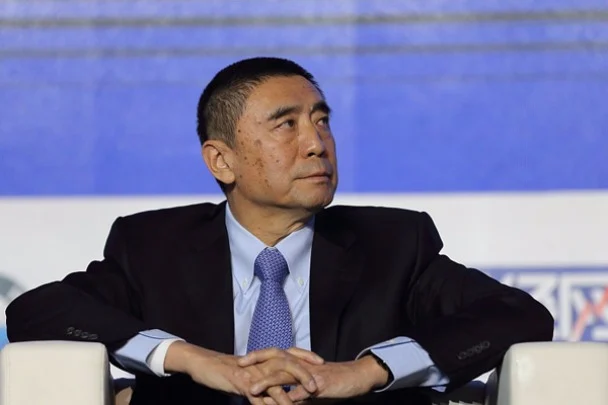
Beijing-headquartered conglomerate China Poly Group Corp (Poly Group) has articulated an assertive strategy for sustained global expansion, committing to deepen its commercial footprint across both established developed economies and the rapidly evolving markets encompassed by the Belt and Road Initiative (BRI). This dual-pronged approach underscores Poly Group’s ambition to cultivate new growth engines, mitigate risks through geographic and sectoral diversification, and bolster its influence on the international stage. Xu Niansha, chairman of the conglomerate, emphasized the intrinsic value of these overseas ventures, stating, "Our overseas projects generate profits and help Poly build a good image there." This strategic directive positions Poly Group not merely as an investor but as a significant facilitator of economic development and cultural exchange worldwide.
A Strategic Imperative for Global Reach
Poly Group, a formidable state-owned enterprise with a diverse portfolio spanning real estate, trade, culture, defense, and industrial investment, has long been a key player in China’s "going out" policy. The current strategy marks a refined evolution of this long-standing objective, adapting to a dynamic global economic landscape and China’s own shifting domestic priorities. The decision to increase investment in Western markets, while simultaneously undertaking meticulous investment opportunity studies in BRI economies, reflects a nuanced understanding of global market dynamics. Western markets, characterized by mature regulatory frameworks, advanced technological ecosystems, and established consumer bases, offer opportunities for higher-value investments, technology acquisition, and brand enhancement. Conversely, BRI economies present vast potential for infrastructure development, resource integration, and the establishment of new supply chains, aligning with China’s broader geopolitical and economic objectives.
The Belt and Road Initiative, launched in 2013, has emerged as a cornerstone of China’s foreign policy and economic engagement. It envisions a vast network of infrastructure projects, trade routes, and investment corridors connecting Asia, Africa, and Europe. Poly Group’s significant engagement within this framework, operating in two-thirds of the economies involved, highlights its pivotal role in translating the BRI vision into tangible projects. These initiatives often focus on critical infrastructure such as ports, railways, power plants, and industrial parks, alongside livelihood projects aimed at improving local communities. These undertakings not only generate profits for Poly Group but also contribute substantially to the economic development, job creation, and connectivity of host nations, thereby fostering goodwill and strengthening bilateral ties.
Diversifying Beyond Traditional Real Estate
A critical component of Poly Group’s evolving strategy is a pronounced shift within its formidable real estate division. The domestic real estate sector in China has experienced a significant maturation, characterized by a more balanced supply-demand situation and consequently, a slowdown in profit margins. In response, Poly Group is strategically pivoting towards diversified real estate sectors with substantial growth momentum, both domestically and internationally. This includes a targeted focus on elderly care, commercial retail, and tourism real estate projects.
The elderly care sector, in particular, represents a burgeoning global market driven by demographic shifts towards an aging population. As societies worldwide grapple with the need for specialized housing, healthcare, and community services for seniors, Poly Group aims to leverage its extensive experience in large-scale development to create integrated elderly care communities. These could range from assisted living facilities and retirement villages to specialized medical support centers, catering to a growing demand across various income brackets.
In commercial retail, the company is likely to explore developing modern shopping complexes, mixed-use developments that integrate retail with residential or office spaces, and logistics hubs that support the rapidly expanding e-commerce ecosystem. The global retail landscape is undergoing continuous transformation, and Poly Group’s investment in this sector would aim to capitalize on evolving consumer habits and technological advancements in retail management.
Tourism real estate, encompassing hotels, resorts, theme parks, and related leisure infrastructure, also offers robust growth prospects, particularly in emerging markets with untapped tourism potential and in developed regions experiencing a resurgence in travel. Poly Group’s involvement could span the entire value chain, from property development to operational management, contributing to the development of integrated tourism destinations that attract both domestic and international visitors. This diversification is a pragmatic response to market saturation in traditional residential real estate and an astute move to tap into sectors driven by long-term demographic and lifestyle trends.
The Cultural Exchange Nexus: Enhancing Soft Power
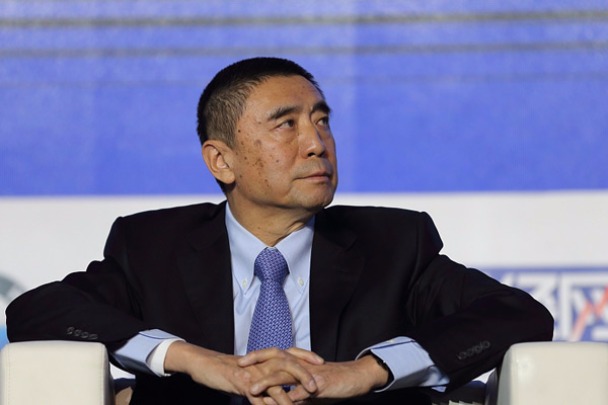
Beyond economic infrastructure and real estate, Poly Group is strategically expanding its engagement in the cultural sector, viewing it as a crucial avenue for international cooperation and the enhancement of China’s soft power. Xu Niansha underscored the dual significance of cultural export, stating, "Culture export undertakes the responsibility of cultural communication between different countries and also bears economic significance, helping enhance the soft power of a country." This perspective aligns with China’s broader national strategy to promote its cultural heritage and contemporary artistic expressions globally, fostering mutual understanding and appreciation.
Poly Group’s cultural endeavors are multifaceted, encompassing cooperation in performance and theater management, the arts business, auctions, and cinema investment. Through these channels, the company actively facilitates a two-way flow of cultural products. On one hand, it is instrumental in exporting Chinese cultural products to Western markets, showcasing traditional Chinese arts, contemporary performances, and cinematic works. This not only introduces diverse audiences to the richness of Chinese culture but also creates economic opportunities for Chinese artists and cultural institutions. On the other hand, Poly Group plays a vital role in introducing Western classics—from opera and ballet to fine art exhibitions and acclaimed films—to the Chinese market, enriching China’s cultural landscape and broadening the artistic horizons of its populace.
Poly Culture Group, a subsidiary, is a prominent player in this domain, managing numerous theaters and performance venues across China, curating art exhibitions, and operating auction houses that deal in high-value art and antiquities. Its global reach in cultural exchange positions Poly Group as a significant bridge builder, fostering dialogue and collaboration between different civilizations. This cultural diplomacy, underpinned by commercial viability, contributes to a more nuanced international perception of China, moving beyond purely economic narratives to embrace its rich cultural heritage and contemporary creativity.
Broader Implications and Future Outlook
Poly Group’s ambitious global expansion strategy is set against a backdrop of China’s enduring confidence in its own economic growth trajectory and its unwavering commitment to further opening up its economy to outside investment. Xu Niansha’s assertion that "China’s determination to further open itself to outside investment shows that China will be an open economy and has more confidence in international markets" reflects a broader national policy. This commitment signals to international partners that China remains a reliable and increasingly integrated participant in the global economy, eager for extensive cooperation.
The implications of Poly Group’s strategy are far-reaching. For the conglomerate itself, it promises sustained revenue growth, enhanced brand reputation, access to diversified markets and technologies, and improved risk management through a balanced portfolio. For the host countries, particularly those along the BRI, it translates into critical infrastructure development, job creation, technological transfer, and potential boosts to local economies. For China, it reinforces its role as a global economic powerhouse, strengthens its diplomatic ties, and significantly enhances its soft power through cultural exchange.
However, such a grand strategy is not without its challenges. Operating in diverse international markets requires navigating complex regulatory environments, managing geopolitical sensitivities, and adapting to varying cultural norms. In Western markets, issues of corporate governance, transparency, and data privacy are paramount, while in BRI economies, considerations of environmental sustainability, debt sustainability, and local community engagement often come to the fore. Poly Group’s success will depend on its ability to meticulously address these complexities, demonstrating a commitment to responsible investment and sustainable development practices.
As China continues its journey of economic transformation and global integration, enterprises like Poly Group are at the forefront, shaping the contours of international commerce and cultural exchange. Their strategic initiatives, balancing profit generation with broader developmental and diplomatic objectives, are indicative of a mature and confident approach to global engagement. The ongoing commitment to extensive cooperation with international partners, as articulated by Xu Niansha, suggests a future where Poly Group continues to play a pivotal role in fostering a more interconnected and culturally rich global landscape.

 Evan Lee Salim
 Suro Senen