Asro
Asro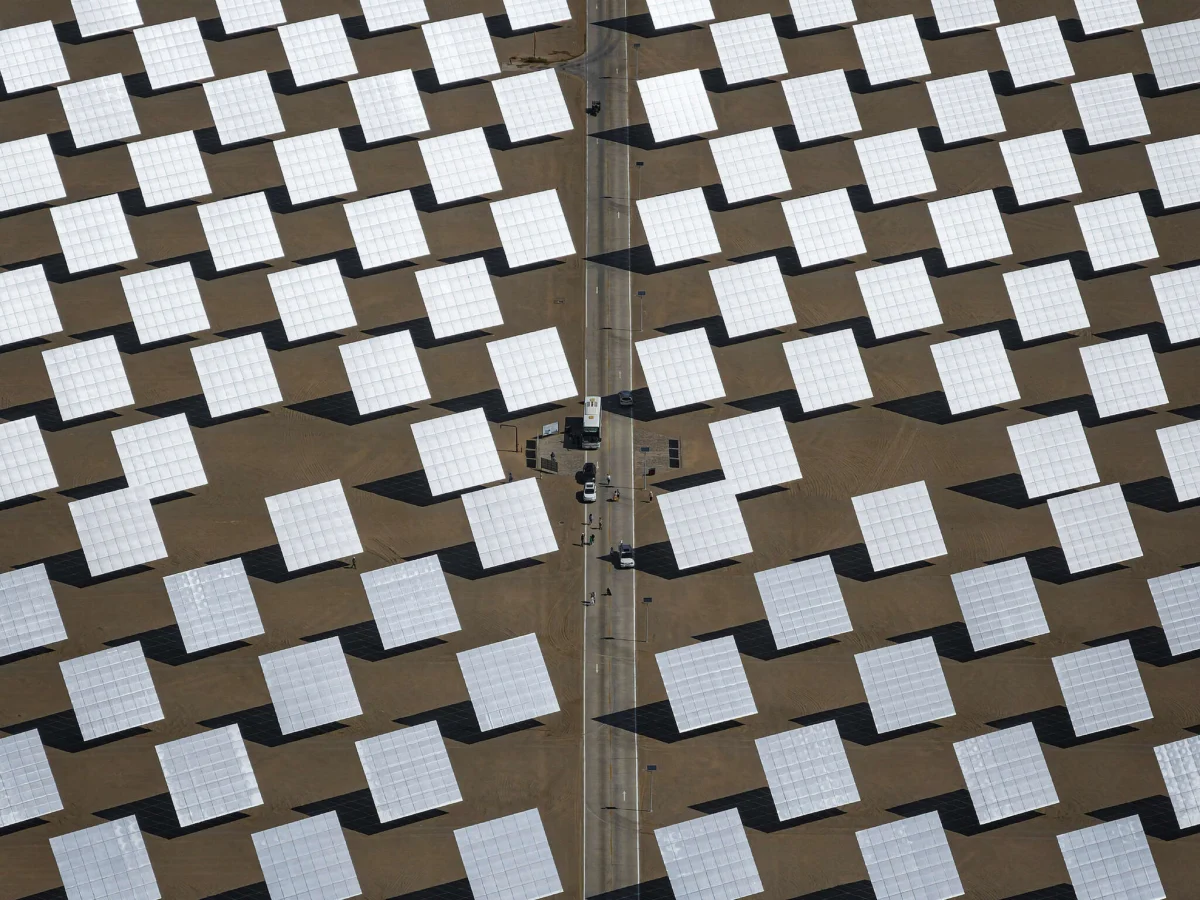
The rapid expansion of data centers across China, fueled by an insatiable demand for electricity, presents a complex yet critical juncture for the nation’s commitment to a sustainable energy future. While Chinese technology companies operating these digital infrastructures have begun to demonstrate tangible progress in greening their electricity consumption, with an ambitious ultimate goal of achieving 100% renewable energy utilization, the burgeoning AI revolution is casting a new and intricate shadow over these efforts. A recent comprehensive report by Greenpeace East Asia’s Beijing office has meticulously examined 25 leading tech firms involved in cloud computing and data center operations. The findings reveal a heartening, albeit uneven, upward trajectory in both the total volume of renewable energy consumed and the proportion of their overall electricity usage derived from sustainable sources, even as the AI data center boom intensifies.
However, the true extent of the emissions reduction achieved through this transition remains a subject requiring deeper scrutiny. The current analysis, heavily reliant on publicly disclosed data, highlights a significant limitation: tech companies typically provide aggregate energy consumption and emissions figures, often omitting granular breakdowns specific to their data centers. This opacity necessitates more detailed, proprietary information to accurately pinpoint the actual energy footprint of these vital digital hubs.
This ongoing investigation is an integral component of Greenpeace East Asia’s decade-long “Clean Cloud” campaign, dedicated to addressing the electricity consumption patterns of cloud computing and data centers within China. The campaign’s latest findings are detailed in the comprehensive “Clean Cloud 2026” report.
The immense pressure on technology companies to adopt renewable energy sources, coupled with supportive government policies that advocate for a synergistic relationship between computing power and renewable energy development, has spurred significant investment. Several major Chinese tech giants are actively engaging in large-scale, utility-scale renewable energy projects and securing long-term power purchase agreements. These strategic moves aim to guarantee a stable and consistent supply of clean energy. Nevertheless, the pace of progress is not uniform across the sector. A discernible disparity exists, with some companies exhibiting minimal advancements or, concerningly, disclosing scant information to the public regarding their sustainability initiatives.
The Race Towards 100% Renewable Energy by 2030
For the foreseeable future, continuous and vigilant monitoring, coupled with direct advocacy towards technology companies, will be paramount to ensure they meet the critical target of sourcing 100% renewable energy by 2030. For nearly a decade, Greenpeace East Asia’s Beijing office has been a steadfast advocate for data centers to achieve operational carbon neutrality no later than 2030. When this campaign commenced, the computational demands of Artificial Intelligence were not the formidable force they represent today. However, this evolving landscape does not alter the fundamental imperative: China’s data centers must transition to 100% renewable energy sources by the end of this decade.
Greenpeace East Asia is closely observing four pivotal trends that will shape the trajectory of this crucial transition:
1. AI Data Centers: A Complex Dynamic in China’s Green Energy Landscape
The escalating electricity demands of data centers, directly attributable to the rapid expansion of AI infrastructure, project a significant surge in China’s overall data center energy consumption. To achieve targeted emissions reductions, the deployment of renewable energy sources must accelerate at an even more prodigious rate. The ambitious goal of 100% renewable energy by 2030 remains the unwavering benchmark.
China’s approach to AI data center expansion possesses unique characteristics, shaped both by the structural organization of this growth and the stringent climate targets set by Beijing as part of its broader net-zero commitments. A key differentiator lies in the concentration of new data centers within established hubs. Many of these facilities are strategically located in regions that have already witnessed substantial development of utility-scale renewable energy projects. The growth in solar and wind capacity across China has been so extensive that renewable energy projects frequently find themselves actively seeking demand to absorb their generated power. Consequently, data center development is often strategically situated in proximity to these clean energy sources.
This geographical alignment presents a distinct advantage for China compared to other regions. While globally, the sheer increase in AI-related power demand often strains existing grids and necessitates the construction of new, sometimes fossil-fuel-dependent, power plants, China’s pre-existing renewable energy infrastructure creates a more favorable starting point. The challenge here is not necessarily a lack of renewable energy supply, but rather ensuring that the rapid uptake by data centers is exclusively from renewable sources and that the grid infrastructure can effectively integrate these distributed renewable assets.
2. Government Mandates and Incentives: Forging a Synergy Between Data Centers and Renewables
The influence of state-level policies on corporate behavior in China is profound. The central government has explicitly linked the expansion of new computing capacity, particularly for AI applications, with a coordinated strategy for the growth and adoption of renewable energy. This top-down approach creates a framework of incentives designed to encourage data centers to align with renewable energy objectives. However, the practical efficacy of these initiatives requires diligent observation to ascertain their real-world impact. Technical challenges are inherent in coordinating the intensified expansion of data centers with the fluctuating nature of renewable energy generation.

Currently, local governments are increasingly proactive in attracting cloud computing providers and data center companies by offering long-term access to renewable energy resources. This competition among regions to host these vital digital infrastructure projects could accelerate the adoption of clean energy. Nevertheless, the ultimate success of these policies will be measured by their tangible contribution to the overall climate impact of these colossal technology firms. The effectiveness of these incentives will depend on their ability to translate into verifiable emissions reductions and a genuine shift towards sustainable energy practices across the entire operational lifecycle of the data centers.
The synergistic approach mandated by the government is a critical lever. By integrating data center development with renewable energy expansion, China aims to avoid the "energy dilemma" where technological advancement outpaces clean energy availability. The success of this strategy hinges on robust regulatory oversight and clear metrics for accountability. For instance, ensuring that the "synergy" translates to the direct sourcing of new renewable energy capacity, rather than merely claiming existing grid-based renewables, will be crucial for genuine climate progress.
3. Supply Chain Decarbonization: A Critical Frontier for Tech Giants
The transparency surrounding corporate electricity sourcing and the energy consumption of supply chain partners has improved significantly since the inception of Greenpeace East Asia’s campaign. Tech companies are now providing more detailed disclosures regarding how they power their operations. However, enhanced disclosure is merely the foundational step. The data revealed underscores the urgent need for more robust, direct action to decarbonize the entire value chain.
Technology companies must establish explicit targets to accelerate the reduction of emissions originating from their supply chains. This includes actively supporting, and in some cases mandating, that their rented data center providers and other upstream partners transition to renewable energy sources. The influence of major tech firms on their suppliers is substantial, and this leverage can be a powerful catalyst for broader decarbonization efforts.
The concept of Scope 3 emissions – those generated by a company’s value chain – is particularly relevant here. For data center operators, this includes emissions from the manufacturing of hardware, the transportation of goods, and the energy consumed by facilities they may lease rather than own. Addressing these indirect emissions is often more challenging but is essential for achieving comprehensive climate neutrality. Companies like Alibaba Cloud, Tencent Cloud, and Huawei Cloud, which have extensive global operations and intricate supply networks, face a particularly complex task in mapping and mitigating these Scope 3 impacts. Their ability to drive their suppliers towards renewable energy will be a significant determinant of their overall climate success.
4. Beyond 100% Renewable Energy: Embodied Carbon and Global Footprints
The very act of constructing data centers contributes to greenhouse gas emissions. A significant risk associated with setting targets for carbon neutrality or 100% renewable energy is the potential for these goals to overlook the broader, real-world climate and environmental impacts, particularly those associated with embodied carbon.
The construction of a data center demands substantial quantities of steel and cement, both of which are highly carbon-intensive building materials. This inherent carbon footprint is a critical aspect of the industry’s environmental impact. Sourcing low-carbon steel and exploring alternative, less carbon-intensive concrete formulations can significantly mitigate this embodied carbon. The lifecycle assessment of a data center, from raw material extraction to deconstruction, is therefore crucial for a holistic understanding of its environmental toll.
Furthermore, Chinese cloud computing providers and data center operators are increasingly expanding their presence internationally, with prominent entities such as Alibaba Cloud, GDS, and ByteDance making substantial investments in new computing capacity across Southeast Asia, the Middle East, Latin America, and beyond. In these diverse international contexts, Chinese tech companies encounter a different array of energy policies, environmental regulations, and socio-cultural landscapes. Achieving their climate targets not only within China but also across their global operations presents a distinct and formidable challenge. This global expansion necessitates adaptability and a commitment to applying high environmental standards irrespective of local regulations.
The Global AI Data Center Boom: Unfolding Repercussions
The ultimate repercussions of this global AI data center boom remain to be fully understood. However, there is every reason to maintain a close and critical watch on the climate impact of these technological titans, including those originating from China. The interplay between rapid technological advancement, burgeoning energy demands, and the urgent need for climate action defines the critical landscape ahead. The data presented in Greenpeace East Asia’s report, while indicating progress, also underscores the substantial work that remains. The path towards a truly sustainable digital future is one that requires unwavering commitment, transparent reporting, and sustained pressure from both policymakers and the public.
The year 2026 marks a pivotal point in this ongoing narrative. As the demand for AI computing power continues its exponential rise, the choices made by China’s leading tech companies today will significantly shape the global climate trajectory for decades to come. The push for 100% renewable energy is not merely an environmental aspiration; it is an economic and strategic imperative for a nation seeking to lead in the technologies of the future while safeguarding the planet for generations to come. The world is watching.

 Pevita Pearce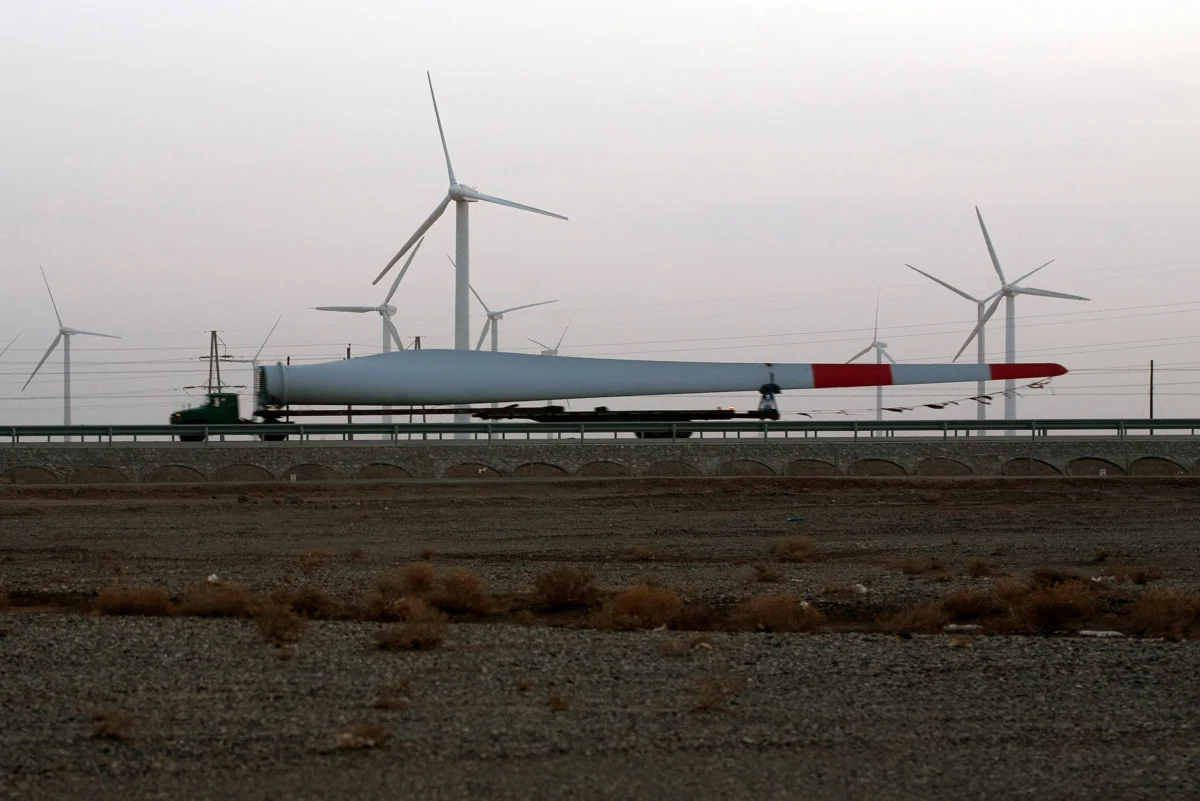
 Siti Muinah