Siti Muinah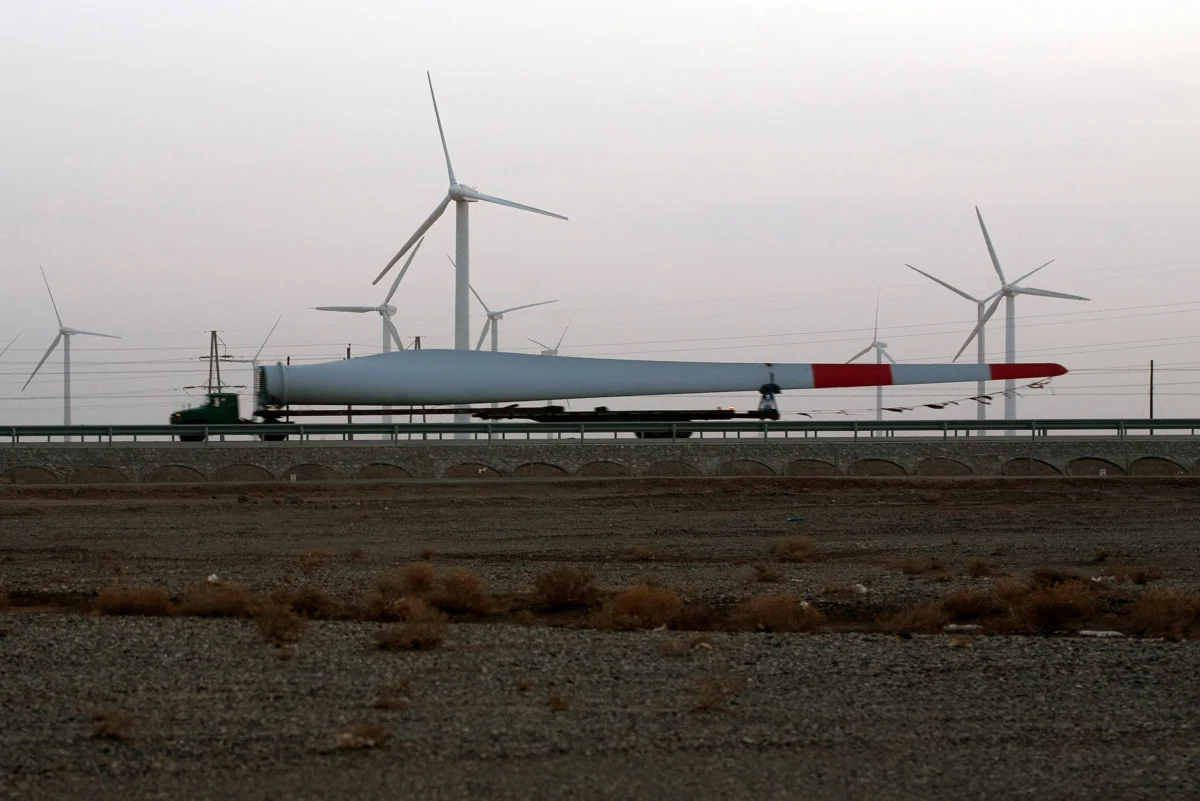
Beijing – China has emerged as a pivotal force in the global electrification movement, accounting for a staggering 80% of the worldwide increase in electrification rates since 2015. This remarkable progress was highlighted in the "China’s Electrical Development Annual Report 2026," released by the China Electricity Council on September 22. The report further revealed that China’s own electrification rate reached approximately 29.5% in 2025, underscoring its significant domestic advancements and its growing influence on international energy transitions. This achievement positions China as a key player in upcoming climate negotiations, particularly at COP31, where ambitious targets for electrification, including a proposed 35% global rate by 2035, are expected to be central to discussions.
The comprehensive report, drawing on extensive data and analysis, paints a detailed picture of China’s transformative journey in modernizing its energy infrastructure and embracing cleaner energy sources. The findings underscore a strategic national commitment to electrification, driven by both domestic energy security imperatives and a burgeoning recognition of the environmental and economic benefits of transitioning away from fossil fuels. This commitment has not only reshaped China’s internal energy landscape but has also reverberated globally, influencing supply chains, technological development, and international climate policy.
China’s Dominance in Global Electrification Growth
The statistic that China has been responsible for 80% of the global increase in electrification rates since 2015 is a powerful indicator of its disproportionate impact. This period, roughly from 2015 onwards, coincides with a concerted push by China to accelerate its renewable energy deployment, enhance grid infrastructure, and promote the adoption of electric technologies across various sectors, including transportation and industry.
Supporting Data and Context:
- Renewable Energy Expansion: Between 2015 and 2025, China significantly scaled up its capacity in solar and wind power. By the end of 2025, China’s installed renewable energy capacity had surpassed that of all other nations combined, with solar photovoltaic and wind power leading the charge. This rapid expansion provided the clean electricity necessary to fuel the growing demand from electrified processes.
- Electric Vehicle (EV) Market Growth: China has become the world’s largest market for electric vehicles. Government subsidies, supportive policies, and the rapid development of domestic EV manufacturers have fueled an exponential increase in EV sales and adoption. This has not only reduced reliance on fossil fuels in transportation but has also spurred innovation in battery technology and charging infrastructure.
- Industrial Electrification: Beyond transportation, China has been actively electrifying its industrial sector. This includes the adoption of electric heating, electric furnaces, and other electrified processes in manufacturing, leading to significant reductions in direct fossil fuel consumption in these heavy industries.
- Grid Modernization: To support the increasing integration of renewable energy and the growing demand from electrified sectors, China has invested heavily in modernizing its electricity grid. This includes upgrades to transmission and distribution networks, the development of smart grid technologies, and enhanced energy storage solutions to ensure grid stability and reliability.
The report’s findings suggest that China’s domestic electrification efforts have created a powerful ripple effect internationally, driven by its manufacturing prowess and the global demand for clean technologies.
Greenpeace East Asia’s Perspective: Engineering Global Electrification
Liu Junyan, Greenpeace East Asia’s Beijing-based Deputy Program Director, offered a nuanced perspective on China’s role, emphasizing that its global impact is still unfolding. She stated, "China’s total impact on the global transition towards electrification is only beginning. The core of impact since 2015 here has been China’s own domestic electrification. But China’s increased export of clean tech like batteries and electric vehicles along with solar components are a major driver in electrification globally."
Junyan further elaborated on the evolving nature of China’s influence: "This is also reaching a tipping point as Chinese clean tech enterprises increasingly go overseas to set up manufacturing and value chains, not just export. China in many ways is engineering global electrification." This signifies a shift from simply exporting finished goods to actively participating in and shaping the industrial landscape of other nations through foreign direct investment and the establishment of local production facilities.
This development has significant implications for the global energy transition, as it means that the principles and standards governing these overseas operations will play a crucial role in determining the overall sustainability and equity of electrification efforts worldwide.
Implications for International Climate Negotiations and Policy
The timing of the "China’s Electrical Development Annual Report 2026" release is particularly significant as it precedes major international climate discussions. Electrification targets are anticipated to be a central theme at COP31, where a coalition of governments is advocating for a global electrification rate of 35% by 2035. China’s own rapid progress and its leading role in providing the necessary technologies make its stance and actions at these negotiations critically important.
Broader Impact and Implications:
- Setting Global Standards: As Chinese companies expand their international footprint, there is a growing expectation that they will adhere to, and ideally exceed, the environmental and social regulations of host countries. Liu Junyan highlighted this imperative: "Chinese solar, battery, and electric vehicle enterprises going abroad critically must be vectors for strengthening environmental regulation, just transitions, and the social co-benefits of these technologies’ deployment." This suggests a need for robust international cooperation to ensure that China’s outward investment contributes positively to sustainable development goals.
- The Role of Policy and Regulation: The report implicitly points to the effectiveness of China’s domestic policies in driving electrification. As China continues to strengthen regulation of its own clean tech industries, the expectation is that these strengthened protections will be mirrored or even enhanced in overseas ventures. This includes ensuring fair labor practices, community engagement, and the protection of ecosystems in regions where Chinese companies operate.
- Addressing Fossil Fuel Dependency: While celebrating electrification achievements, Liu Junyan also stressed the importance of domestic progress in phasing out fossil fuels. "Domestically, China needs to make progress in phasing out fossil fuels so wind and solar realize the true benefits of this electrification groundwork now in place," she urged. This highlights the interconnectedness of decarbonization efforts: electrification alone is insufficient without a concurrent reduction in the use of fossil fuels for energy generation.
- Supporting the Global South: The report and commentary also emphasize China’s potential to play a crucial role in supporting electrification efforts in developing nations, particularly in the Global South. "Internationally, China will need to actively support other countries, especially in the Global South, to realize electrification goals," Junyan stated. This support could take the form of technology transfer, investment in renewable energy projects, and capacity building, helping these nations leapfrog traditional fossil fuel-based development pathways.
Chronology of China’s Electrification Drive
While the report focuses on recent achievements, understanding the historical context provides further insight into China’s trajectory:
- Early 2000s: China began investing in renewable energy research and development, laying the groundwork for future expansion. Policies focused on increasing energy efficiency and reducing pollution.
- 2010s: This decade marked a significant acceleration. China became a major manufacturer of solar panels and wind turbines. Government incentives for electric vehicles were introduced, and the country started building out its charging infrastructure. The Paris Agreement in 2015 further solidified China’s commitment to climate action, with electrification becoming a key component of its national strategy.
- Mid-2010s to Present: China’s electrification efforts intensified across all sectors. The country consistently surpassed its own renewable energy targets. The EV market experienced explosive growth, making China the undisputed global leader. Chinese companies began to establish a strong international presence in the clean energy sector.
- 2025: The report highlights the achievement of a 29.5% electrification rate, a testament to the cumulative impact of over a decade of focused policy and investment.
- Post-2025: The focus shifts towards sustaining this momentum, further phasing out fossil fuels, and leveraging China’s global influence to promote electrification and sustainable development worldwide. The upcoming COP31 negotiations will be a critical platform for demonstrating this commitment on the international stage.
Official Responses and Future Outlook
While the report itself is an official release from the China Electricity Council, the statements from Greenpeace East Asia provide a crucial external perspective on its implications. The commentary suggests that while China’s achievements are undeniable, the next phase of its electrification journey will require a greater emphasis on the qualitative aspects of this transition, including environmental stewardship, social equity, and international cooperation.
The ongoing efforts to strengthen environmental regulations within China for its clean technology industries are a positive sign. As these industries expand globally, the challenge will be to ensure that these strengthened protections are effectively implemented and enforced across diverse international contexts. The success of China’s electrification strategy will ultimately be measured not only by the percentages and kilowatt-hours but also by its contribution to a just and sustainable global energy future.
The report’s findings are likely to inform China’s negotiating position at COP31, where it will advocate for ambitious global climate action. Its own success story in electrification provides a powerful case study and a foundation for offering technical and financial support to other nations seeking to accelerate their own transitions. The coming years will be crucial in determining whether China can not only engineer global electrification but also ensure it is a truly sustainable and equitable process.
For media enquiries please contact:
August Rick, Greenpeace East Asia, Beijing, ([email protected])
Greenpeace International Press Desk, ([email protected]), +31 20 718 2470 (24 hours)


 Azzam Bilal Chamdy
 Nana
Nana