Ali Ikhwan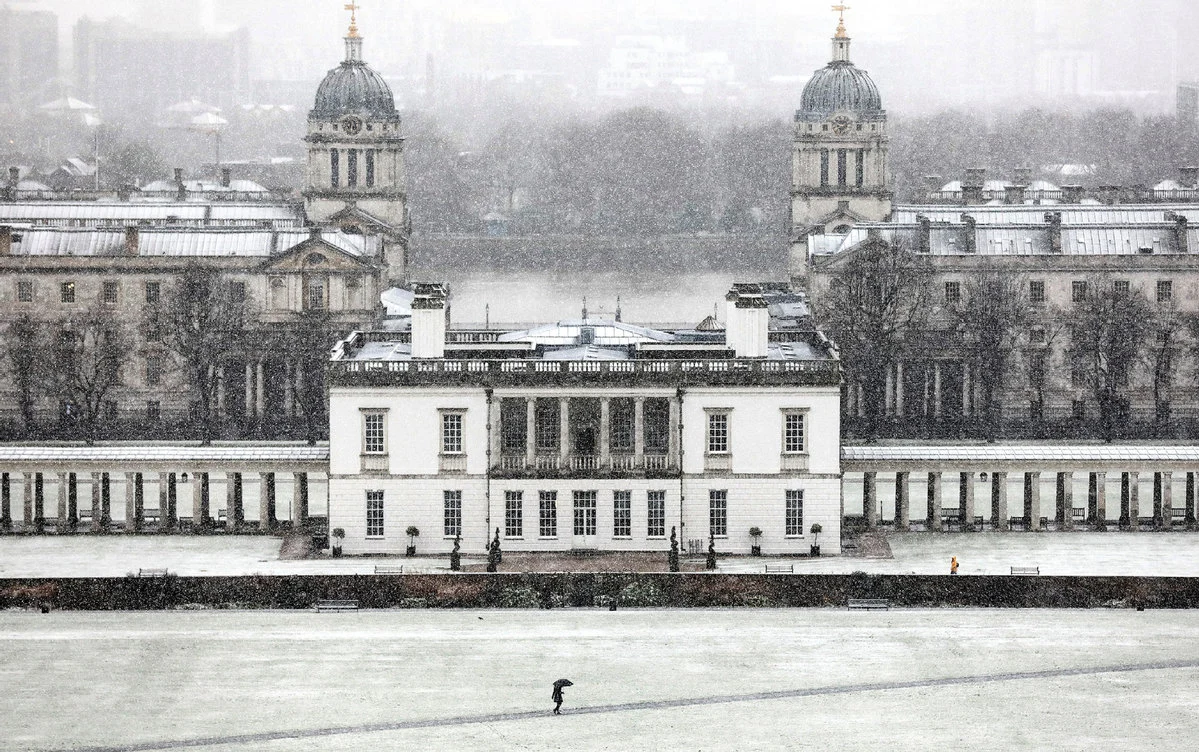
Severe frost, relentless rains, and treacherous icy roads following heavy snowfall have plunged large swathes of Britain into significant travel disruption, earning Monday, December 11, 2017, the moniker "Black Ice Monday" by local media. The adverse weather conditions have led to widespread flight cancellations, port closures, and school shutdowns, leaving commuters and travellers facing significant challenges.
Widespread Travel Paralysis and Disruptions
The impact of the severe weather was immediately felt across the United Kingdom on Monday morning. By midday, a staggering quarter of all flights scheduled to depart from London Heathrow Airport, one of Europe’s busiest air hubs, had been cancelled. This significant reduction in air traffic underscored the severity of the conditions, forcing thousands of passengers to alter their travel plans. Similar disruptions were reported at other major airports, including Birmingham and Stansted, where flights were suspended outright. Many other airports issued advisories urging passengers to meticulously check with their respective airlines for the latest updates and to allow considerably more time for their journeys to account for potential delays and unpredictable road conditions.
The severity of the weather extended beyond the skies, with ferry services also severely impacted. The Port of Calais, a vital gateway for cross-channel trade and travel between Britain and mainland Europe, was forced to close its operations due to the deteriorating weather. This closure not only affected passenger ferries but also had significant implications for freight and logistics, potentially leading to delays in the supply chain.
A Nation Under Yellow and Amber Warnings
The Met Office, the United Kingdom’s national weather service, had issued a series of increasingly urgent warnings in anticipation of the severe conditions. An amber warning for snow had been in effect from 4 am (UTC) on Sunday, December 10, impacting key regions including Wales, the Midlands, and substantial parts of northern and eastern England. This warning indicated a likelihood of significant disruption due to snowfall.
As the weather system persisted and temperatures plummeted, a yellow warning for ice was subsequently issued across significant portions of central England and Wales. This warning highlighted the danger of widespread icy surfaces, particularly on untreated roads and pavements, posing a considerable risk to both motorists and pedestrians. Temperatures in some rural areas dropped to a chilling -12 degrees Celsius overnight on Sunday, exacerbating the formation of ice and the severity of the frost.
Impact on Daily Life: Schools and Power Grids
The hazardous road conditions and the pervasive threat of icy surfaces led to the unfortunate closure of hundreds of schools across the affected regions on Monday. This decision, while necessary for the safety of students and staff, presented logistical challenges for many families who had to arrange alternative childcare and adapt to disruptions in their daily routines.
The power grid also bore the brunt of the adverse weather. Power suppliers reported that on Sunday, more than 140,000 homes had experienced power outages amidst the combination of heavy snow and high winds. By Monday, several thousand of these homes remained cut off from electricity, adding further hardship to communities already grappling with the consequences of the severe weather. These power failures often compounded the difficulties, leaving residents without heating and essential services.
Official Guidance and Preparedness
In response to the escalating crisis, Highway England issued crucial advice to drivers, urging them to exercise extreme caution and to prepare adequately before embarking on any journeys. The guidance recommended checking weather forecasts diligently before travelling and ensuring that vehicles were equipped with essential supplies. This included "warm clothing, food, drink… and a torch," underscoring the potential for extended delays and the need for self-sufficiency. The emphasis on preparedness highlighted the severity of the anticipated disruptions and the potential for vehicles to become stranded.
Chronology of the Weather Event
The severe weather event unfolded over several days, with its impact intensifying on Sunday and Monday.
- Saturday, December 9, 2017: Initial reports of falling temperatures and the commencement of snowfall in various parts of the UK.
- Sunday, December 10, 2017:
- 4:00 am (UTC): The Met Office issues an amber warning for snow, affecting Wales, the Midlands, and parts of northern and eastern England.
- Throughout the day: Heavy snowfall and high winds lead to widespread disruptions, including significant power outages affecting over 140,000 homes.
- Overnight: Temperatures plummet to as low as -12 degrees Celsius in some rural areas, leading to the formation of severe frost and icy conditions.
- Monday, December 11, 2017:
- Morning: The Met Office issues a yellow warning for ice across parts of central England and Wales.
- Throughout the day: The country experiences "Black Ice Monday" with major travel chaos, including extensive flight cancellations at Heathrow, Birmingham, and Stansted airports. The Port of Calais is closed. Hundreds of schools are forced to shut their doors.
- Ongoing: Several thousand homes remain without power.
Broader Implications and Context
The events of "Black Ice Monday" serve as a stark reminder of the UK’s vulnerability to extreme weather events, particularly during the winter months. While snow and ice are not uncommon, the severity and widespread nature of this particular event highlighted the potential for significant economic and social disruption.
The impact on transportation networks is a recurring concern for the UK. The reliance on road and air travel means that even moderate weather disruptions can have cascading effects. The cancellation of flights at major airports not only affects individual travellers but also has broader implications for businesses, tourism, and international trade. Similarly, the closure of the Port of Calais underscores the interconnectedness of supply chains and the potential for weather events in one location to impact availability of goods and services across borders.
The power outages, affecting tens of thousands of homes, also bring to the forefront the resilience of the UK’s energy infrastructure. While power suppliers work to restore services, prolonged outages during cold weather can pose significant risks to vulnerable individuals, particularly the elderly and those with pre-existing health conditions. The need for robust contingency planning and infrastructure upgrades to withstand extreme weather is a continuous discussion point for energy providers and government bodies.
The school closures, while prioritized for safety, also highlight the societal reliance on educational institutions functioning smoothly. The disruption to schooling can impact learning outcomes and place additional burdens on working parents.
Looking ahead, the Met Office indicated that the snow and ice would continue to affect parts of the UK until Tuesday, suggesting that the period of disruption was likely to extend beyond Monday. This forecast reinforced the need for continued vigilance and preparedness from both individuals and authorities.
The events of December 2017, and particularly "Black Ice Monday," provided valuable data for meteorological forecasting and emergency response planning. The detailed reporting of flight cancellations, school closures, and power outages offers insights into the critical infrastructure points most susceptible to severe weather. This information can inform future investments in infrastructure resilience, public awareness campaigns, and the refinement of emergency protocols to mitigate the impact of similar events in the years to come. The collective experience also serves as a testament to the importance of community support and preparedness in navigating the challenges posed by nature’s unpredictable forces.


 Nana Wu
 Suro Senen