Basiran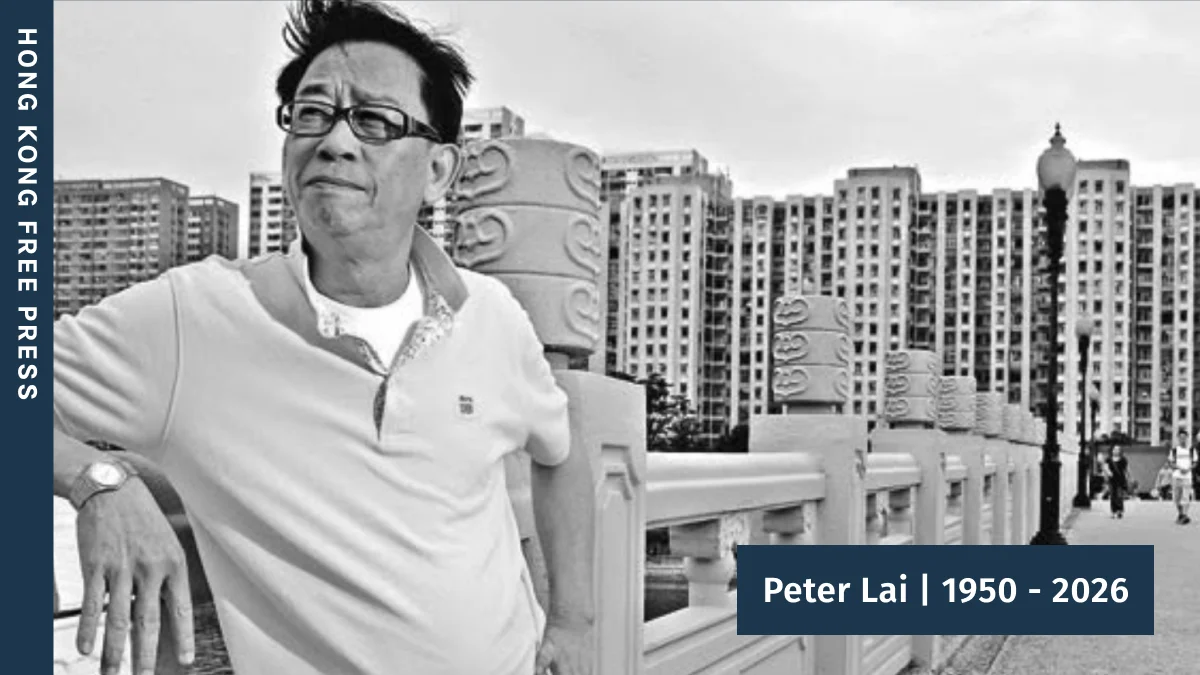
Hong Kong’s vibrant music scene is in mourning following the passing of Peter Lai, a seminal lyricist whose words propelled Cantopop into its golden era. Lai died on Wednesday morning at the age of 76, his family and close friends confirmed during a press conference. His hospitalization earlier this year after suffering a stroke marked a period of concern for fans and colleagues who recognized his profound influence on the genre.
Lai, affectionately known as "The Lyrical Maverick," was a pivotal figure whose creative output defined the sound and spirit of Hong Kong pop music for decades. His lyrical prowess was instrumental in the success of countless artists, shaping a generation’s musical landscape. The news of his death has sent ripples of grief through the entertainment industry and among the millions who grew up with his songs.

A Legacy of Iconic Lyrics
Peter Lai’s contribution to Cantopop is immeasurable, with his lyrics forming the backbone of some of the most enduring hits in the genre’s history. Among his most celebrated works is the 1984 classic "Monica," performed by the legendary Leslie Cheung. This song, a vibrant and infectious anthem, remains one of Hong Kong pop’s most recognizable and beloved tracks, a testament to Lai’s ability to craft lyrics that resonated deeply with audiences.
Beyond "Monica," Lai penned lyrics for numerous other chart-topping songs that cemented the careers of Cantopop superstars. His collaborations extended to foundational figures like Sam Hui, often hailed as the "God of Gamblers" and a pioneer of Hong Kong’s music scene, and Anita Mui, the "Madonna of Asia," whose dynamic performances were often elevated by Lai’s insightful and evocative lyrics.
Sam Hui, in a touching tribute, expressed his gratitude for Lai’s artistry, stating, "Thank you for crafting countless remarkable works for the Hong Kong cantopop scene. Your lyrics are exoteric yet never vulgar." This sentiment reflects the widespread appreciation for Lai’s skill in creating lyrics that were both accessible and artistically sophisticated, appealing to a broad spectrum of listeners while maintaining a level of elegance and wit.

The Rise of a Lyrical Genius
Lai’s career, which spanned several decades, reached its zenith during the 1970s and 1980s, a period widely regarded as the golden age of Cantopop. He emerged as one of Hong Kong’s first-generation cantopop lyricists, standing shoulder-to-shoulder with other influential figures such as James Wong and Jimmy Lo. This pioneering group laid the groundwork for a musical genre that would come to dominate the Chinese-speaking world.
What set Lai’s lyrics apart was their distinctively down-to-earth appeal and his signature humor. He drew profound inspiration from the everyday lives of Hong Kong’s working class and the dynamic social fabric of the city during its period of rapid economic growth. This grounded approach allowed his lyrics to connect with ordinary people, reflecting their hopes, struggles, and joys in a way that felt authentic and relatable. His ability to translate the pulse of the city into memorable verses was a key factor in Cantopop’s meteoric rise in popularity.
A Prolific Career and Enduring Impact
The sheer volume and quality of Lai’s work underscore his prolific talent. While specific figures for his total lyrical output are not readily available, it is widely acknowledged that he contributed hundreds of songs to the Cantopop repertoire. His influence was not confined to individual hits but extended to shaping the thematic content and emotional depth of the genre. He masterfully navigated themes of love, life, social commentary, and aspiration, all delivered with a characteristic blend of wit and sincerity.

The economic boom in Hong Kong during the latter half of the 20th century provided fertile ground for the flourishing of Cantopop. As the city transformed into a global financial hub, its cultural output, particularly its music, mirrored this dynamism. Lai’s lyrics often captured this spirit of optimism and progress, while also acknowledging the challenges and complexities of modern urban life. This nuanced portrayal contributed to the genre’s broad appeal and its ability to serve as a cultural touchstone for the city.
Tributes Pour In from Across the Music World
The news of Peter Lai’s passing has elicited an outpouring of tributes from artists, fans, and industry professionals on social media and in public statements. His enduring legacy is evident in the heartfelt messages shared online, many referencing his iconic lyrics.
One user poignantly echoed a line from "Monica," asking, "Who can replace your place?" This question encapsulates the sense of irreplaceable loss felt by many. Another tribute simply stated, "Many thanks, Peter," a sentiment that resonates with the gratitude felt by an entire generation of music lovers for his invaluable contributions.

Artists who collaborated with Lai or were inspired by his work have also shared their condolences. While specific statements from all mentioned artists like Anita Mui, who passed away in 2003, are naturally not possible, the general sentiment expressed by Sam Hui is representative of the broader artistic community. The impact of Lai’s work is such that his influence continues to be felt by contemporary musicians who are inspired by his lyrical craftsmanship and his ability to imbue songs with relatable emotion and cultural resonance.
A Look Back at the Golden Age of Cantopop
The period of the 1970s and 1980s was a transformative era for Hong Kong’s cultural landscape. Cantopop, which had been evolving since the 1940s, experienced an explosive growth in popularity and artistic sophistication during these decades. Several factors contributed to this phenomenon:
- Economic Prosperity: Hong Kong’s economic miracle created a thriving middle class with disposable income and a greater appetite for entertainment and cultural consumption.
- Technological Advancements: The advent of television and radio played a crucial role in disseminating music, reaching a wider audience than ever before. Music television programs and radio shows became powerful platforms for artists and songwriters.
- Influence of Western Pop Culture: While firmly rooted in Cantonese traditions, Cantopop also absorbed influences from Western pop, rock, and disco music, creating a unique fusion that appealed to younger audiences.
- Emergence of Talented Artists and Songwriters: This era saw the rise of iconic singers and exceptionally talented songwriters like Peter Lai, James Wong, and Jimmy Lo, who were instrumental in defining the genre’s sound and lyrical content.
- Development of the Music Industry: The establishment of record labels, music production houses, and professional music awards fostered a competitive and innovative environment that encouraged artistic development.
Peter Lai was a central figure in this vibrant ecosystem. His lyrics provided the narrative and emotional core for songs that not only entertained but also reflected the aspirations and experiences of Hong Kong society. His ability to capture the essence of everyday life, infused with wit and a keen understanding of human emotions, made his work timeless and universally relatable.

Broader Implications and Enduring Legacy
The passing of Peter Lai signifies the end of an era for Cantopop, but his legacy is far from over. His lyrics will continue to be cherished, performed, and studied by future generations of musicians and music enthusiasts. His influence can be seen in the continued popularity of the songs he wrote and in the enduring appeal of the artists he helped elevate.
Lai’s work serves as a reminder of the power of language in music and the profound connection between lyrics and audience reception. His ability to craft words that are both poetic and accessible, humorous yet profound, has set a high standard for lyricism in popular music. The "Lyrical Maverick" may have departed, but his words will forever echo in the soundtrack of Hong Kong’s cultural history, a testament to a life dedicated to the art of song.
The tributes from fans, often quoting his own lyrics back to him, highlight the deep personal connection audiences felt with his work. This emotional resonance is the hallmark of truly great songwriting, and Peter Lai excelled at forging such connections. His passing is not just the loss of a lyricist; it is the dimming of a bright light that illuminated the golden age of a beloved musical genre, leaving behind a rich tapestry of words that will continue to inspire and entertain for years to come.

 Jia Lissa
 Muslim