Laily UPN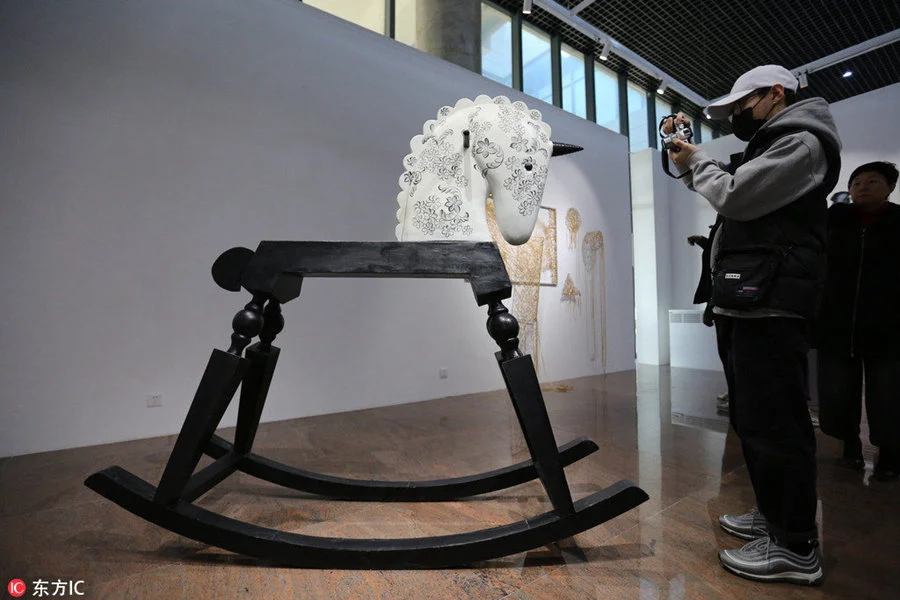
Dalian, China – A vibrant showcase of emerging artistic talent has opened its doors at the art museum of Luxun Academy of Fine Arts in Dalian, Northeast China’s Liaoning province. The exhibition, which commenced on December 3, 2017, features an impressive collection of over 300 artworks created by students from nine of China’s most prestigious art universities. This quinquennial event aims to highlight the innovative ideas, technical prowess, and evolving creative landscape of China’s younger generation of artists. The diverse range of mediums on display offers a comprehensive glimpse into the current trends and future directions within China’s art education system.
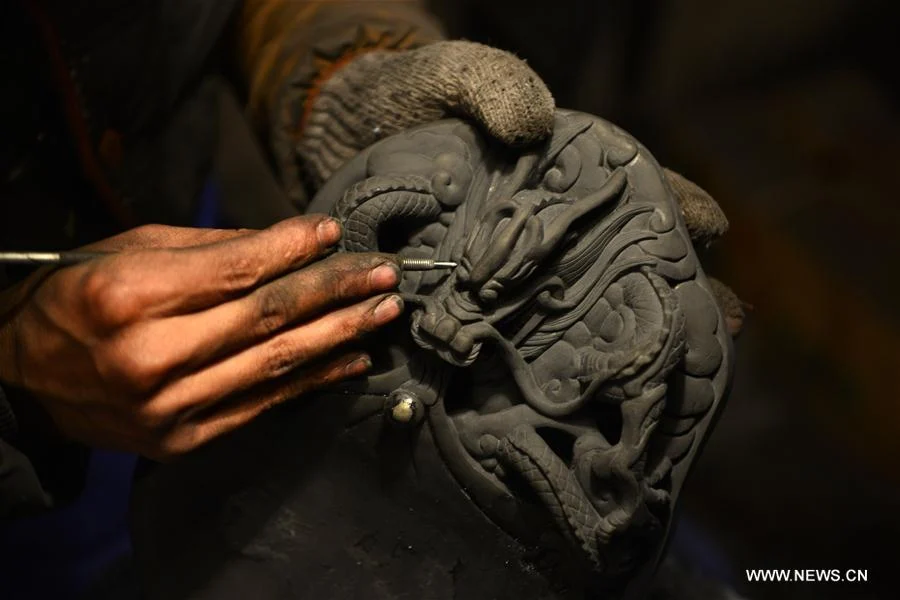
The exhibition, open to the public free of charge until December 24, 2017, presents a broad spectrum of artistic disciplines. Visitors can immerse themselves in traditional Chinese ink paintings and intricate calligraphies, marvel at the dynamic forms of contemporary sculptures, appreciate the delicate craftsmanship of porcelain works, and explore the functional aesthetics of industrial designs. This multifaceted approach ensures that the exhibition appeals to a wide audience, from seasoned art connoisseurs to casual observers, offering a rich and varied artistic experience. The strategic selection of participating institutions—nine key art universities—underscores the significance of this event as a benchmark for artistic development at a national level. These institutions are widely recognized for their rigorous curricula, influential faculty, and the caliber of graduates they produce, making their students’ collective output a compelling representation of the nation’s artistic vanguard.
Genesis and Evolution of the Exhibition
While the provided information pinpoints the 2017 exhibition, the practice of art academies collaborating to showcase student work has deeper roots, reflecting a growing emphasis on inter-institutional exchange and the professional development of young artists in China. Such exhibitions serve as crucial platforms for students to gain exposure beyond their academic environments, receive feedback from a broader public and art community, and potentially launch their professional careers. The Luxun Academy of Fine Arts, as a host institution, has a distinguished legacy in art education, named after the renowned writer and intellectual Lu Xun, who was also a pivotal figure in promoting modern Chinese art and culture. Its role in curating and hosting this significant exhibition further solidifies its position as a leader in fostering artistic innovation.
The timing of the exhibition, coinciding with the end of the year, often signifies a period of review and anticipation for the future. For students, it represents a culmination of their academic endeavors and a stepping stone towards their artistic futures. For the art institutions involved, it is an opportunity to demonstrate the effectiveness of their pedagogical approaches and the strength of their creative output to a wider audience, including potential patrons, galleries, and critics. The selection of Dalian as the host city, a major port and industrial hub in Northeast China, also adds a unique dimension, potentially influencing the types of art produced and the perspectives of the young artists themselves, who may be inspired by their surroundings.
A Spectrum of Artistic Expression
The breadth of artistic mediums represented at the exhibition is a testament to the comprehensive nature of contemporary art education in China.
Traditional Arts Reimagined: Chinese Paintings and Calligraphy
The inclusion of Chinese paintings and calligraphies signifies a commitment to preserving and evolving traditional artistic forms. Students are likely to be presenting works that not only adhere to classical techniques and aesthetics but also incorporate contemporary themes, materials, and conceptual approaches. This can range from traditional landscape paintings rendered with a modern sensibility to abstract calligraphic compositions that explore the interplay of form, rhythm, and meaning. The challenge for these young artists lies in bridging the historical with the present, demonstrating that these ancient art forms remain relevant and capable of expressing the complexities of 21st-century life. Data from China’s Ministry of Culture and Tourism has consistently shown a strong public appreciation for traditional arts, with exhibitions of this nature often drawing significant crowds, indicating a sustained interest in cultural heritage.
Sculptural Innovations: Form, Material, and Concept
Sculpture, a discipline that inherently deals with three-dimensional space and materiality, is expected to be a highlight. Students from leading art academies are likely to be pushing the boundaries of traditional materials like bronze, stone, and wood, experimenting with contemporary mediums such as recycled materials, plastics, and digital fabrication. The thematic concerns within these sculptures could span social commentary, environmental issues, explorations of identity, and abstract explorations of form and space. The scale of these works might vary, from intimate tabletop pieces to monumental installations that command the exhibition space. Institutions like the Central Academy of Fine Arts (CAFA) in Beijing and the China Academy of Art in Hangzhou are known for their robust sculpture departments, often producing works that garner international attention.
The Enduring Appeal of Porcelain
Porcelain art, with its rich history in China, continues to be a significant medium for artistic expression. The exhibition likely features contemporary interpretations of this delicate craft, moving beyond traditional decorative vases to explore innovative forms, glazes, and surface treatments. Students might be experimenting with sculptural porcelain, functional ware with artistic merit, or even integrating porcelain elements into mixed-media installations. The technical mastery required for porcelain work, coupled with creative vision, makes these pieces particularly compelling. Jingdezhen Ceramic University, renowned for its specialization in ceramics, is a likely contributor, bringing its expertise to the forefront.
Industry Designs: Function Meets Aesthetics
The inclusion of industry designs highlights the growing importance of art and design in the manufacturing and consumer goods sectors. This category likely encompasses a range of products, from furniture and lighting to consumer electronics and transportation concepts. The focus here is on the intersection of functionality, ergonomics, user experience, and aesthetic appeal. Students in this field are trained to solve practical problems through creative design solutions, often incorporating principles of sustainability and technological innovation. Their work reflects the rapid pace of industrial development in China and the country’s ambition to move up the value chain in global manufacturing. Universities with strong design programs, such as the Guangzhou Academy of Fine Arts, are likely to showcase cutting-edge projects in this area.
Supporting Data and Context
The exhibition’s scale—over 300 artworks from nine key institutions—suggests a carefully curated selection process. The participating universities are among the most influential in China’s art education landscape, potentially including:
- Central Academy of Fine Arts (CAFA), Beijing: Often considered the premier art institution in China, known for its comprehensive programs and influential alumni.
- China Academy of Art (CAA), Hangzhou: A historic and highly respected academy with a strong tradition in both fine arts and design.
- Luxun Academy of Fine Arts (LAFA), Dalian: The host institution, with a significant reputation in Northeast China.
- Tsinghua University (Academy of Arts & Design), Beijing: A multidisciplinary university with a highly regarded design school.
- Sichuan Fine Arts Institute (SCFAI), Chongqing: Known for its dynamic and often socially engaged artistic output.
- Guangzhou Academy of Fine Arts (GAFA), Guangzhou: A leading institution in Southern China with a strong focus on design and visual arts.
- Xi’an Academy of Fine Arts (XAFA), Xi’an: A prominent academy in Western China with a rich history.
- Hubei Institute of Fine Arts (HIFA), Wuhan: A significant institution in Central China.
- Jingdezhen Ceramic University, Jingdezhen: The leading institution for ceramic arts in China.
The participation of these institutions signifies a collaborative effort to present a unified vision of the future of Chinese art and design. Such exhibitions often receive support from provincial or municipal cultural bureaus, as well as art foundations, underscoring the government’s commitment to fostering creative industries and cultural development. In recent years, China has placed a significant emphasis on developing its creative economy, with art and design education playing a crucial role in this strategy. The total value of China’s creative industries has seen consistent growth, with art education serving as a foundational pillar. For instance, reports from the National Bureau of Statistics of China have indicated steady increases in the contribution of cultural and creative industries to the national GDP, highlighting the economic importance of nurturing artistic talent.
Chronology of the Event
- Pre-Exhibition Period: Participating universities likely selected their best student works through internal reviews and competitions. Curatorial teams from Luxun Academy of Fine Arts would have coordinated with each institution to finalize the selection and logistical arrangements.
- December 3, 2017: The exhibition officially opens to the public at the art museum of Luxun Academy of Fine Arts in Dalian.
- December 3 – December 24, 2017: The exhibition runs for the public, with visitors able to engage with the artworks.
- Post-Exhibition Period: Works are returned to their respective institutions. Feedback from the exhibition may inform future curriculum development and student projects.
Potential Reactions and Inferences
While specific statements from participating faculty, students, or art critics are not provided, it is logical to infer potential reactions based on the nature of such exhibitions.
- From Students: For the student artists, this exhibition represents a significant achievement, offering validation of their hard work and creativity. It provides an invaluable opportunity for their work to be seen by a wider audience, potentially leading to career advancements, commissions, or further study opportunities. The chance to see their work displayed alongside peers from other leading institutions can also foster a sense of camaraderie and healthy competition.
- From Educators and Institutions: Faculty members and university administrators would likely express pride in their students’ accomplishments. They would view the exhibition as a testament to the quality of their teaching and the effectiveness of their artistic programs. The collective presentation of works also serves as a powerful recruitment tool, attracting prospective students to their institutions. Furthermore, it reinforces the reputation of these universities as centers of artistic excellence.
- From the Art Community and Public: Art critics and curators attending the exhibition would be looking for emerging trends, innovative techniques, and promising new talents. The exhibition provides a snapshot of the current artistic discourse among young Chinese artists and can influence critical reception and market interest. For the general public, the free admission makes it an accessible cultural experience, offering a window into the creative output of the next generation and fostering a broader appreciation for the arts. The act of visitors taking photographs, as noted, indicates engagement and a desire to share the experience, a common practice in contemporary art consumption.
Broader Impact and Implications
The exhibition in Dalian carries significant implications for the development of art and design in China.
- Fostering National Artistic Dialogue: By bringing together students from across the country, the exhibition promotes a dialogue between different artistic traditions and regional influences. This cross-pollination of ideas can lead to a more diverse and dynamic national art scene.
- Benchmarking Artistic Education: The collective display serves as a benchmark for the quality of art education in China. It allows for comparison of pedagogical approaches and artistic outcomes across different institutions, potentially driving improvements in curricula and teaching methods.
- Cultivating Future Creative Leaders: The nurturing of young artistic talent is crucial for the growth of China’s creative industries. Exhibitions like this identify and support individuals who will likely become future leaders in fields ranging from fine arts and design to architecture and digital media. The ability of these young artists to translate their creative vision into tangible works of art and design is a key indicator of China’s future innovation capacity.
- Enhancing Cultural Soft Power: Showcasing the creative output of its youth on a national platform contributes to China’s cultural soft power. It projects an image of a nation that values creativity, innovation, and cultural expression, both domestically and internationally. As China continues to assert its global influence, its cultural achievements, including advancements in the arts, play an increasingly important role.
- Economic Contribution of the Creative Sector: The skills and creativity fostered through art education have direct economic implications. Graduates of these programs contribute to sectors such as advertising, media, fashion, product design, and cultural tourism, all of which are vital components of a modern economy. The emphasis on industry designs specifically points to the integration of artistic thinking into commercial product development and manufacturing, a key strategy for China’s economic evolution.
In conclusion, the exhibition at the Luxun Academy of Fine Arts in Dalian is more than just a display of student artwork; it is a significant event that reflects the current state and future trajectory of art education and creative expression in China. It underscores the nation’s commitment to fostering a vibrant artistic ecosystem, nurturing the next generation of creative minds, and leveraging their talents for cultural and economic advancement. The diverse array of disciplines and the caliber of participating institutions promise an engaging and insightful experience for all who attend.

 Asep Darmawan
 Rifan Muazin