 Azzam Bilal Chamdy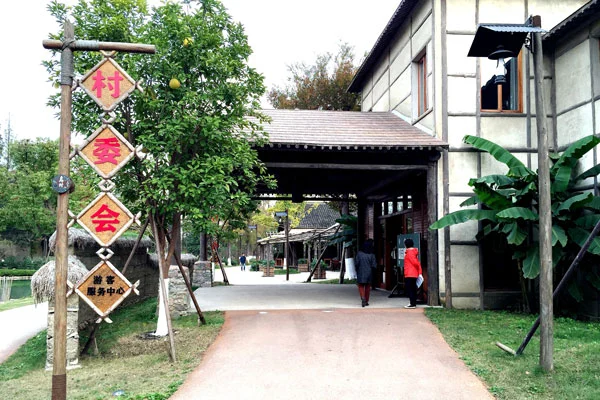
A vibrant new culture center has emerged as a significant draw in Wucun village, Zhejiang province, a locale already celebrated for its picturesque agrarian charm. Nestled amidst verdant fields and traditional white-walled farmhouses capped with black-shingled rooftops, the center, which officially opened its doors in July, is not merely an addition to Wucun’s attractions but a catalyst for deeper visitor experiences. It aims to weave a richer tapestry of activities, blending contemporary family engagement with the enduring allure of rural life, thereby bolstering Wucun’s standing as a premier destination within Zhejiang’s renowned Wuzhen water town tourism circuit.
A New Hub for Family Experiences and Nostalgia
The Wucun Culture Center is designed to be a dynamic space catering to a diverse range of interests, with a particular emphasis on parent-child interactions. Its programming spans a variety of engaging activities, including hands-on baking classes, creative Lego block building sessions, artistic endeavors, culinary exploration, and even the exhilarating challenge of rock climbing. This multifaceted approach ensures that visitors of all ages can find something to spark their curiosity and enjoyment.
Crucially, the center intentionally incorporates elements that evoke a sense of nostalgia. It provides children with the opportunity to engage with games and toys that were popular among their parents and even grandparents, fostering a unique intergenerational connection and a tangible link to the past. This deliberate inclusion of heritage-themed activities is a cornerstone of the center’s philosophy, aiming to educate and entertain simultaneously.
"The center has spiced up what Wucun already has and attracted more visitors," commented Zhong Ying, an official from Wucun, highlighting the immediate positive impact of the new facility. This sentiment underscores the strategic importance of the culture center in revitalizing and enhancing the existing tourism offerings of the village.
Wucun’s Journey: From Pastoral Ideal to Tourism Hotspot
Wucun village itself began welcoming the public at the start of 2016, with an overarching mission to present visitors with an authentic pastoral charm. Its strategic location further enhances its appeal; the village is situated adjacent to the historic Grand Canal, a waterway of immense historical and economic significance, connecting the imperial capital of Beijing to Zhejiang’s provincial capital, Hangzhou. This proximity to a major artery of Chinese history and commerce adds another layer of depth to Wucun’s appeal.
The vision for Wucun was to create a space where urban dwellers could escape the hustle and bustle of city life and immerse themselves in a more serene, nature-connected environment. The village’s architectural integrity, characterized by its traditional farmhouses, and its surrounding natural landscape were preserved and enhanced to offer a genuine glimpse into rural Chinese life.
The Power of Experiential Tourism: A Significant Boost in Visitor Numbers
The effectiveness of the culture center’s programming is demonstrably reflected in visitor statistics. Zhong Ying further elaborated on the demographic appeal of Wucun, stating, "Family visitors are the major force, and parents want their children to experience the old-fashioned farming life." This insight confirms that the center’s focus on experiential learning and traditional activities directly addresses a key market segment.
The impact of this focus was vividly illustrated during a month-long children’s festival held in Wucun in August. This event, designed to immerse young visitors in the essence of rural living, proved to be a resounding success, drawing substantial crowds. The festival offered a rich array of activities, allowing children to actively participate in planting and harvesting vegetables, engage in fishing in the village pond, pick fruits directly from the trees, and experience living in traditional rural courtyards.
The surge in attendance was remarkable. In August, the number of visitors to Wucun experienced an impressive growth of 150 percent compared to the previous month, July. This dramatic increase is a clear indicator of the culture center’s drawing power and the success of its event programming in attracting and engaging families.
Popular Activities and Their Intergenerational Appeal
Within the culture center, certain activities have emerged as particularly popular, drawing enthusiastic participation from visitors. Western-style pastry baking, a modern culinary pursuit, has found a receptive audience. Complementing this are traditional art projects, such as crochet and plaiting rattan, which connect participants to artisanal crafts.
"Those activities are highly interactive and bring parents and their children closer to each other," Zhong Ying observed, emphasizing the social and familial benefits of the center’s offerings. The interactive nature of these workshops fosters a sense of shared accomplishment and creates lasting memories for families.
The operational model of the center reflects its popularity. Most classes are fully booked during peak tourism seasons, indicating a consistent demand. Each session typically lasts between 45 and 60 minutes and is designed to accommodate up to 20 participants, ensuring a manageable and engaging learning environment. The consistent booking of these classes underscores the center’s successful integration into the Wucun visitor experience.
Broader Implications for Rural Tourism and Economic Development
The success of the Wucun Culture Center offers valuable insights into the evolving landscape of rural tourism. In an era where authentic experiences and family-friendly activities are highly sought after, destinations that can effectively blend heritage with engaging programming are poised for growth. The center’s model, which emphasizes interactivity, intergenerational connection, and a direct link to traditional rural life, serves as a blueprint for other villages seeking to enhance their tourism appeal.
The significant increase in visitor numbers directly translates to economic benefits for Wucun and the surrounding Wuzhen area. Increased tourism typically leads to higher spending on local accommodations, food, and handicrafts, thereby supporting local businesses and creating employment opportunities. This economic uplift can be crucial for the sustainability and development of rural communities.
Furthermore, the center’s success in attracting families, particularly from nearby urban centers like Shanghai and Hangzhou, highlights the potential for short-distance, weekend tourism to thrive. The ability to offer a refreshing and educational escape from urban pressures makes Wucun a compelling destination for these demographics.
The strategic integration of a modern culture center within a historically preserved village setting demonstrates a forward-thinking approach to tourism development. It acknowledges the need to evolve and adapt to contemporary traveler preferences while remaining rooted in the unique cultural and natural assets of the location. The Wucun Culture Center is not just adding sparkle to Wucun’s attractions; it is cultivating a deeper, more meaningful engagement with its visitors, thereby enriching the broader tourism landscape of Zhejiang province. The sustained popularity of its interactive workshops and heritage-focused activities suggests a promising future for Wucun as a destination that offers both relaxation and enriching experiences for families.

 Asep Darmawan
 Rifan Muazin