Nana Muazin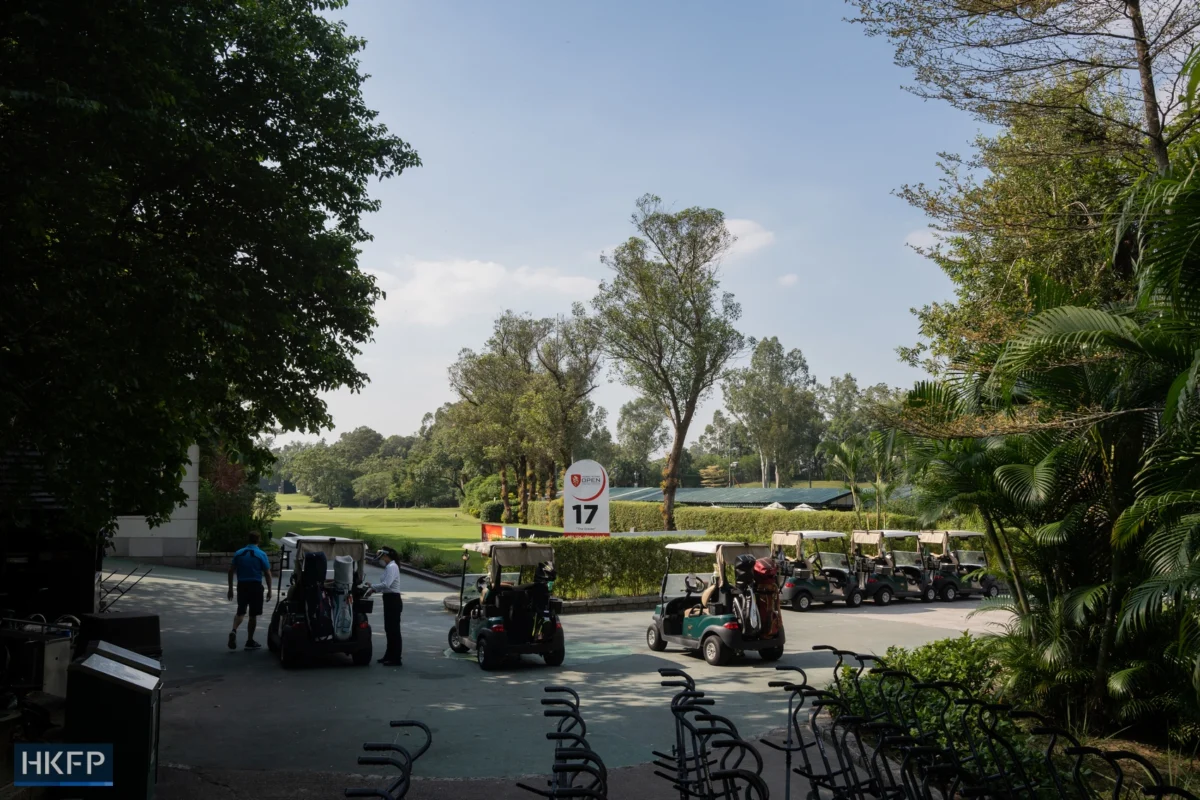
Hong Kong’s Court of Appeal has delivered a significant blow to the government’s controversial plans to develop public housing on a portion of the Fanling golf course, affirming a lower court’s decision that found procedural irregularities in the approval of the project’s environmental impact assessment (EIA). The ruling on Monday marks a critical juncture in the protracted legal battle, potentially delaying or reshaping the government’s ambitious housing targets and raising questions about its environmental assessment processes.
The legal challenge, initiated by the Hong Kong Golf Club, focused not on the government’s right to reclaim land for housing, but specifically on the legality of the Environmental Protection Department’s (EPD) approval of the Environmental Impact Assessment (EIA) report for the proposed development. The Court of Appeal’s decision underscores the importance of rigorous public consultation and adherence to statutory procedures when undertaking large-scale infrastructure projects, particularly those with potential ecological ramifications.

Background to the Fanling Golf Course Controversy
The Fanling golf course, a sprawling 172-hectare site in the New Territories, has long been a focal point of debate regarding land use in densely populated Hong Kong. For years, the government has earmarked a significant portion of the course – approximately 32 hectares, with a specific 9.5-hectare plot designated for housing development – for public housing to address the city’s chronic housing shortage. This plan, announced by the Development Bureau, aimed to provide homes for an estimated 33,600 residents.
However, the proposal faced considerable opposition from various quarters. Environmental groups and conservationists raised concerns about the potential loss of biodiversity and the impact on the site’s ecological value, which includes mature trees and habitats for various species. Conversely, proponents of the housing development emphasized the urgent need for affordable housing, citing the long waiting lists for public flats and the prohibitive cost of private accommodation. The golf club, a private entity operating on leased government land, argued that its operations were integral to Hong Kong’s sporting and recreational landscape and that the land reclamation would be a detrimental loss.
A Timeline of Legal Challenges and Environmental Assessments
The legal proceedings that culminated in the Court of Appeal’s decision trace back to a judicial review filed by the Hong Kong Golf Club in 2023. The core of their argument centered on the Environmental Impact Assessment (EIA) process, a crucial step for any major development project in Hong Kong, mandated by the Environmental Impact Assessment Ordinance.

Key Milestones:
- Initial Government Proposal: The government formally announced plans to resume part of the Fanling golf course for public housing development.
- EIA Submission and Approval: The Civil Engineering and Development Department (CEDD), responsible for the project, submitted an EIA report to the Director of Environmental Protection for approval. This report detailed the potential environmental impacts and proposed mitigation measures.
- Submission of Additional Information: Following the initial submission, the CEDD provided supplementary information to the EIA, including new ecological surveys detailing affected bird and moth populations.
- High Court Ruling (2024): The Hong Kong Golf Club initiated a judicial review, challenging the Director of Environmental Protection’s approval of the EIA. The club contended that the government failed to adequately consult the public on the new information submitted by the CEDD. In its ruling, the High Court sided with the Golf Club, agreeing that the authorities should have reopened the public consultation period after the additional ecological data was provided. This decision was a significant setback for the government’s housing agenda.
- Government Appeal: The government, seeking to advance its housing goals, appealed the High Court’s decision to the Court of Appeal.
- Court of Appeal Ruling (Monday): The Court of Appeal upheld the High Court’s judgment, dismissing the government’s appeal and reinforcing the findings of procedural unfairness in the EIA approval process.
The Crux of the Legal Dispute: Procedural Fairness in EIA
The legal battle was not about whether to build housing on the golf course, but how the decision-making process was conducted, specifically concerning the EIA. An EIA is a critical document that assesses the potential environmental consequences of a proposed project and outlines measures to minimize any negative impacts. It requires a thorough public consultation phase to allow stakeholders, including affected communities and interest groups, to voice their concerns and provide input.
The Golf Club’s primary contention, which was validated by both the High Court and the Court of Appeal, was that the government failed to offer a sufficient opportunity for public scrutiny of the updated environmental information. When the CEDD submitted new surveys detailing the ecological impact, particularly on avian and lepidopteran species, the club argued that this constituted a material change that warranted a fresh round of public consultation. The failure to do so, they claimed, rendered the entire EIA approval process procedurally flawed and unfair.

Court of Appeal’s Verdict: Unfairness in Consultation
In its judgment on Monday, a three-judge panel of the Court of Appeal emphatically stated that there was a demonstrable "unfairness" in the consultation process. The judges highlighted that the supplementary information, which included detailed ecological surveys, was "material that ought to have been but was not included in the EIA report for public inspection."
The court further elaborated that the "failure to remedy this deficiency by holding a further consultation meant that there was unfairness in the consultation overall." This implies that the EPD, in approving the EIA report, did not adequately consider the golf club’s responses to the additional information, nor did it provide the public with a proper chance to engage with these crucial findings. The ruling emphasizes that environmental decision-making processes must be transparent and inclusive, allowing for robust public participation, especially when new, significant data emerges.
Data and Expert Analysis on Ecological Impact
The Fanling golf course site is known to be of significant ecological value, supporting a diverse range of flora and fauna. While the original EIA likely provided an overview, the supplementary surveys introduced by the CEDD were crucial in quantifying the specific impacts on sensitive species.

- Biodiversity Hotspot: The Fanling area, including the golf course, is recognized for its mature trees, water bodies, and diverse habitats, which are essential for a variety of bird species, insects, and other wildlife.
- Species of Concern: The focus on bird and moth populations in the supplementary surveys suggests a concern for species that may be particularly vulnerable to habitat disruption. For instance, the presence of specific moth species can be indicative of the health of the local ecosystem.
- Mitigation Measures: While not explicitly detailed in the provided text, typical EIA mitigation measures for such projects often include habitat restoration, translocation of species, and the creation of new ecological corridors. The effectiveness and adequacy of these measures would have been subject to scrutiny during the consultation process.
The court’s emphasis on the materiality of the additional information suggests that the ecological data presented was significant enough to potentially alter public perception and necessitate a re-evaluation of the project’s environmental footprint. This underlines the vital role of independent ecological surveys and their proper integration into the public decision-making framework.
Implications for Hong Kong’s Housing Goals
The government has consistently stressed the urgency of its housing targets, aiming to alleviate a long-standing crisis that impacts the affordability and livability of Hong Kong. The Development Bureau has previously indicated that the legal challenges surrounding the Fanling golf course development would have a "substantial impact" on the yield and completion dates for its housing goals.
This latest ruling by the Court of Appeal is likely to exacerbate these concerns. Any project that faces significant legal delays can have a ripple effect on the entire housing pipeline. This could mean:

- Delayed Project Commencement: The government will likely need to revisit the EIA process, which could involve further studies, public consultations, and potentially revisions to the development plan. This could add months or even years to the project’s timeline.
- Reduced Housing Yield: Depending on the nature of any required revisions to the EIA or the development plan, the number of housing units that can be built on the site might be affected.
- Increased Costs: Delays and the need for revised plans can inevitably lead to increased project costs, which may be passed on to taxpayers or affect the affordability of the final housing units.
- Precedent for Future Projects: This ruling could set a precedent for how future large-scale developments are scrutinized. It may embolden environmental groups and affected parties to challenge government decisions on similar projects, demanding greater transparency and adherence to procedural fairness in EIA processes.
Official Responses and Future Outlook
While the immediate reaction from government officials is not detailed in the provided text, it can be inferred that this ruling represents a significant challenge to their land development strategy. The Development Bureau’s past statements indicate a concern about the impact on housing supply.
The government now faces a critical decision: whether to accept the court’s ruling and initiate a new, more robust EIA process, or to explore further legal avenues, though options may be limited after the Court of Appeal’s decision. The latter is less likely given the clear pronouncements from the judiciary.
The broader implication of this judgment is a reinforcement of the principle that environmental governance in Hong Kong must be thorough, transparent, and inclusive. The courts have once again demonstrated their role as a check on administrative power, ensuring that development projects, however necessary, are pursued with due regard for legal processes and public interest.

This protracted saga over the Fanling golf course highlights the complex balancing act Hong Kong faces between its pressing need for housing and its commitment to environmental protection. The courts’ intervention underscores that the path to development must be paved with procedural integrity and genuine public engagement. The future of the Fanling housing project, and potentially other large-scale developments, will likely be shaped by the lessons learned from this significant legal challenge.


 Layla Zulfa
 Basiran