Asro
Asro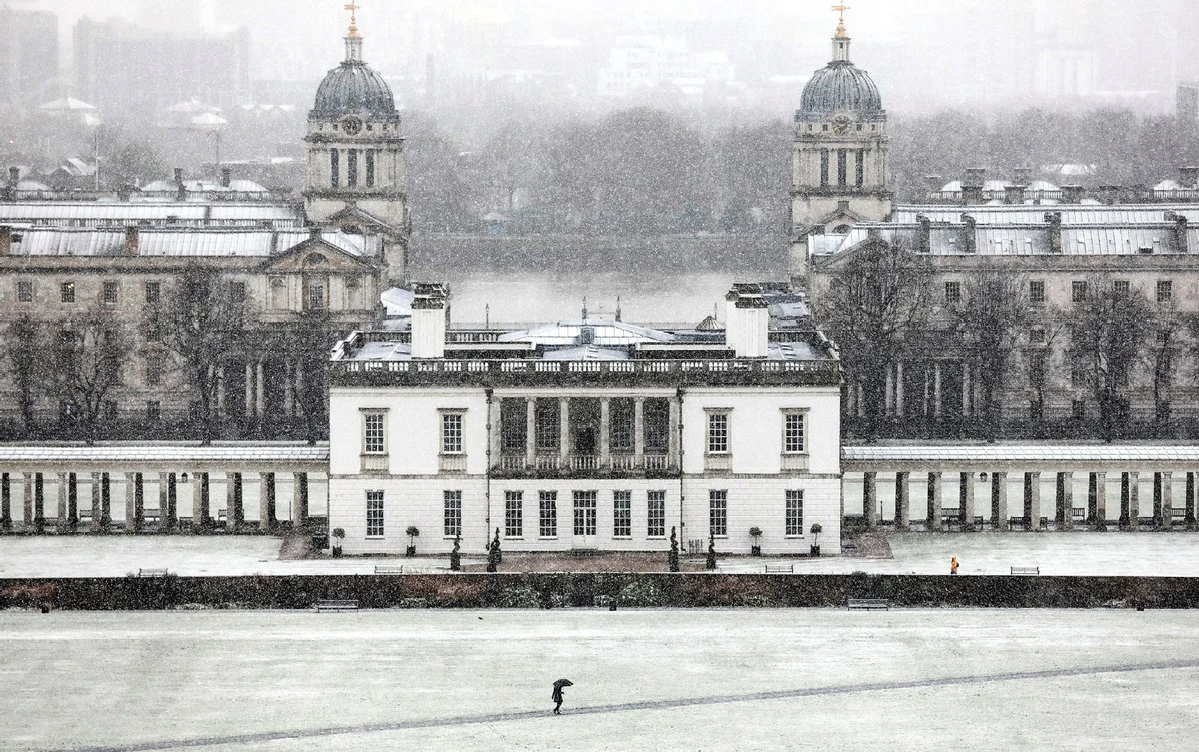
Severe frost, relentless rain, and treacherous icy roads following heavy snowfall plunged large swathes of Britain into chaos on Monday, with local media dubbing the day "Black Ice Monday." The inclement weather has inflicted significant travel disruption, leading to widespread flight cancellations, port closures, and school shutdowns, as the nation grapples with sub-zero temperatures and hazardous conditions. The Met Office has issued yellow warnings for ice across central England and Wales, with forecasts indicating the wintry conditions are set to persist until Tuesday.
Widespread Travel Chaos
The impact on transportation has been particularly severe. By Monday morning, a substantial quarter of flights at London Heathrow Airport, one of Europe’s busiest, had already been cancelled. This disruption rippled across other major aviation hubs, with flights suspended at Birmingham and Stansted airports. Passengers at numerous other airports were advised to meticulously check with their respective airlines and allocate significantly extra time for their journeys, acknowledging the unpredictable nature of the prevailing weather. The Port of Calais, a critical gateway for cross-Channel trade and travel, was also closed due to the adverse conditions, further exacerbating logistical challenges.
The perilous state of the roads, often coated in a slick layer of black ice, posed a significant threat to motorists. Highway England issued urgent advice to drivers, imploring them to consult weather forecasts meticulously before embarking on any travel. Beyond checking forecasts, drivers were urged to be adequately prepared, carrying essential items such as "warm clothing, food, drink … and a torch." This advice underscored the severity of the situation, highlighting the potential for prolonged delays and the necessity of self-sufficiency in case of breakdowns or extended immobilization.
Educational Institutions Shut Down
The hazardous road conditions and the overarching threat to student safety compelled hundreds of schools across the country to close their doors on Monday. This decision, while necessary for safeguarding children and staff, has undoubtedly impacted educational continuity for a significant number of students and created logistical challenges for working parents. The closures serve as a stark indicator of how deeply the weather has permeated daily life, forcing a halt to routine activities and demanding a collective response to mitigate risks.
Power Outages and Infrastructure Strain
The severe weather has not only disrupted travel and education but has also placed considerable strain on essential infrastructure, particularly the power grid. Power suppliers reported that over 140,000 homes experienced power outages on Sunday amidst the heavy snow and high winds. While efforts were underway to restore electricity, several thousand households remained cut off on Monday, facing prolonged periods without heating and light. This highlights the vulnerability of the energy network to extreme weather events and the critical importance of robust infrastructure and rapid response mechanisms.
Meteorological Outlook and Warnings
The Met Office, the UK’s national weather service, has been at the forefront of issuing warnings and advisories. A yellow warning for ice was in effect across parts of central England and Wales, signaling the risk of slippery surfaces and potential travel hazards. Earlier, on Sunday, an amber warning for snow had come into force at 4 am UTC, specifically affecting Wales, the Midlands, and portions of northern and eastern England. These warnings are crucial for informing the public and enabling authorities to prepare and respond effectively.
The Met Office’s assessment indicated that the persistent snow and ice would continue to impact various regions of the UK throughout Tuesday, suggesting that the period of disruption was far from over. This extended forecast adds another layer of complexity for planning and recovery efforts, requiring a sustained and coordinated approach from government agencies, emergency services, and the public alike.
Background Context: A Nation Unprepared for Winter’s Fury
While winter weather is a regular occurrence in the UK, the intensity and widespread nature of the disruption experienced in early December 2017 caught many by surprise. The country, while accustomed to dealing with seasonal cold, often finds its infrastructure and preparedness tested by more extreme conditions. The juxtaposition of heavy snowfall followed by freezing rain and severe frost created a particularly hazardous cocktail of weather phenomena.
The initial heavy snowfall, which began to accumulate significantly over the weekend, blanketed large areas of the country. This was followed by a rapid drop in temperatures, leading to the formation of treacherous black ice on roads and pavements. The combination of these elements created a perfect storm for travel disruption. The reliance on road networks for commuting, logistics, and emergency services meant that any impediment to their function had cascading effects across society.
Historically, the UK has faced significant challenges during severe winter spells. The winter of 2010-2011, for instance, saw widespread disruption due to heavy snowfall and freezing temperatures, leading to school closures, transport cancellations, and significant economic losses. While authorities learn from these past events, the sheer scale of the current disruption underscores the persistent vulnerability of a nation to extreme weather.
Chronology of Disruption
Saturday Evening/Sunday Morning: Heavy snowfall begins to accumulate across many parts of the UK, particularly in Wales, the Midlands, and northern and eastern England. This triggers the Met Office to issue an amber warning for snow.
Sunday: The snowfall continues, with accompanying high winds in some areas. Power outages begin to affect tens of thousands of homes. Travel begins to be impacted, with early reports of difficult driving conditions.
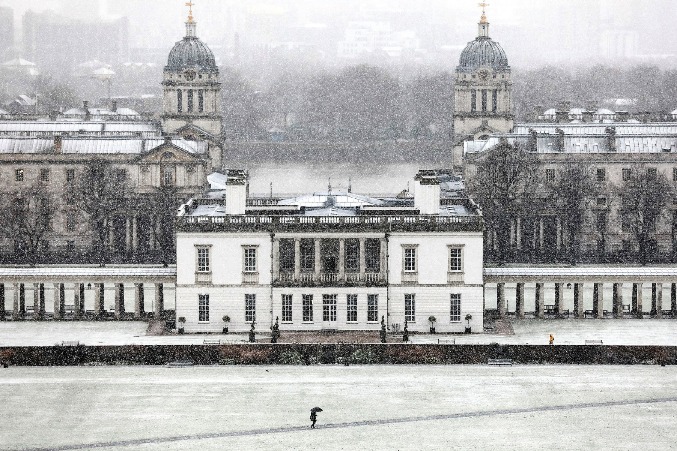
Sunday Evening/Monday Morning: Temperatures plummet dramatically, leading to widespread frost and the formation of black ice on roads and other surfaces. This exacerbates existing travel difficulties.
Monday Morning: "Black Ice Monday" dawns with significant travel chaos. Heathrow Airport reports a quarter of flights cancelled. Birmingham and Stansted airports suspend flights. The Port of Calais closes. Hundreds of schools announce closures. Highway England issues severe weather warnings and advice for drivers.
Monday Throughout the Day: The hazardous conditions persist. Thousands of homes remain without power. Emergency services and local authorities work to clear roads and restore essential services, but the scale of the challenge is immense.
Tuesday: The Met Office forecasts that the snow and ice will continue to affect parts of the UK, indicating that the period of disruption is likely to extend.
Reactions and Official Responses
The scale of the disruption inevitably drew reactions from various stakeholders. While specific public statements from all affected parties may not be immediately available in this initial report, the actions taken by authorities speak volumes. The issuance of weather warnings by the Met Office, the advice from Highway England, and the decisions by local authorities to close schools all represent coordinated responses to mitigate the impact of the severe weather.
Transportation operators, including airlines and rail companies, were faced with the unenviable task of managing cancellations and delays, often issuing apologies and advising passengers to seek alternative arrangements. Ferry operators and port authorities also had to contend with closures and diversions.
Emergency services, such as police and ambulance services, would have been on high alert, dealing with an increased volume of weather-related incidents, including road traffic accidents and calls for assistance from stranded individuals. The resilience of these services is paramount during such events.
Broader Impact and Implications
The "Black Ice Monday" event, while primarily a weather-related incident, carries broader implications for the UK.
Economic Impact: The disruption to transportation networks has a direct economic cost. Flight cancellations impact business travel and tourism. Port closures disrupt supply chains, affecting the availability of goods and potentially leading to increased prices. School closures can impact parental productivity and the broader economy. The cost of repairing infrastructure damaged by the weather and the expenses associated with emergency response efforts also contribute to the overall economic burden.
Societal Impact: Beyond the immediate logistical challenges, the event highlights societal vulnerabilities. The reliance on timely and efficient transportation means that widespread disruption can isolate communities, prevent access to essential services, and create significant stress for individuals and families. The impact on vulnerable populations, such as the elderly and those with pre-existing health conditions, who may be more susceptible to the cold and less able to cope with power outages, is a significant concern.
Infrastructure Resilience: The strain on the power grid and the challenges faced by road maintenance crews underscore the need for continued investment in infrastructure resilience. As climate patterns become more unpredictable, with an increasing likelihood of extreme weather events, ensuring that essential services can withstand such pressures becomes ever more critical. This includes investing in more robust energy networks, improving road maintenance strategies for icy conditions, and enhancing emergency preparedness protocols.
Public Preparedness: The event also serves as a reminder of the importance of public preparedness. While official warnings are crucial, individuals also play a role in ensuring their own safety and that of their families. Having emergency supplies, understanding how to drive in adverse conditions, and staying informed about weather forecasts are all vital components of personal resilience.
In conclusion, "Black Ice Monday" was a stark demonstration of nature’s power to disrupt daily life. The widespread chaos, from grounded flights to power outages, underscored the interconnectedness of modern society and its reliance on functioning infrastructure. As the UK continues to navigate the challenges of a changing climate, events like this serve as critical learning experiences, prompting reflection on preparedness, resilience, and the ongoing need for robust infrastructure and informed public response. The lingering effects of the snow and ice, as forecast by the Met Office, ensure that the nation will remain on alert as it seeks to recover from this significant winter weather event.


 Nana Wu
 Suro Senen