Lina Hope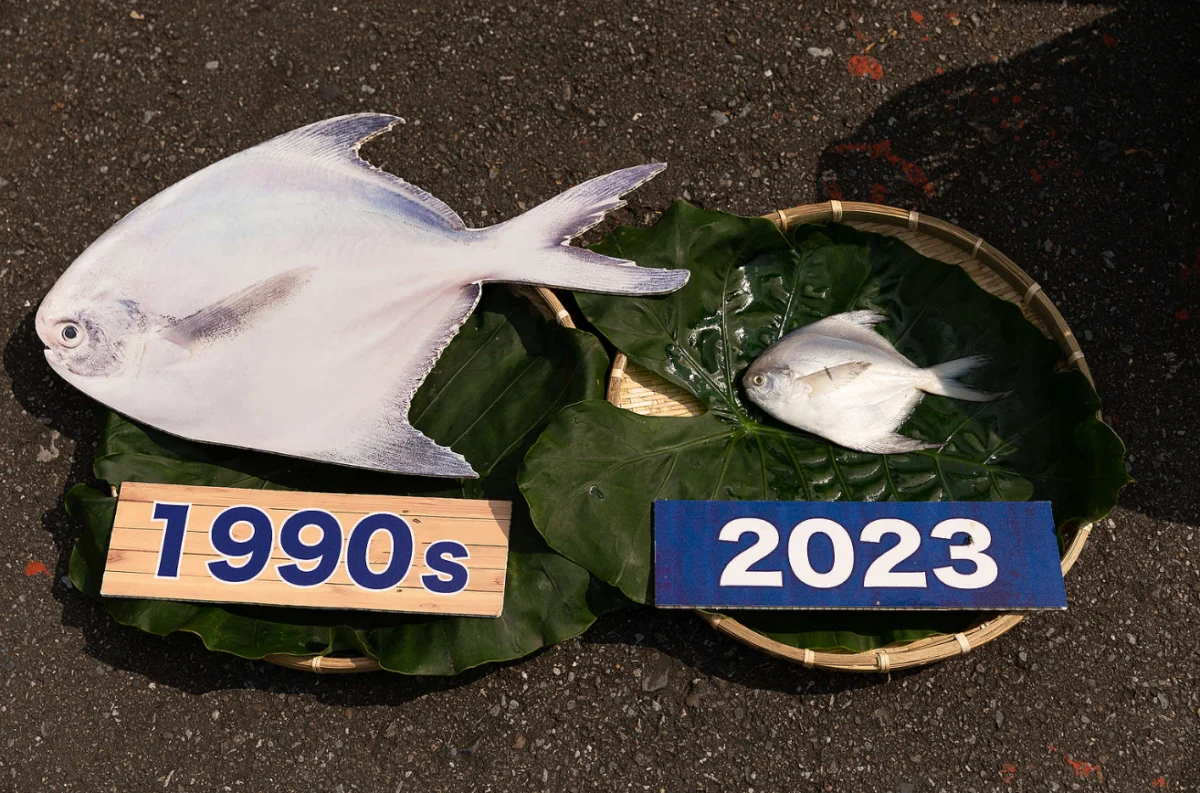
Protecting the world’s oceans is a monumental task, often perceived as beyond the reach of ordinary individuals. While beach cleanups and mindful seafood choices are commendable first steps, understanding the complex issues beneath the surface and empowering citizens to act requires a more comprehensive approach. In 2025, a dedicated group of volunteers in Taiwan demonstrated that meaningful ocean conservation can be achieved through sustained engagement, from the pre-dawn bustle of fishing ports to interactive educational initiatives on city streets. Their efforts highlight a dual focus on the immediate challenges of coastal overfishing and the often-overlooked labor rights issues within distant-water fishing fleets, revealing the interconnectedness of marine health and human well-being.

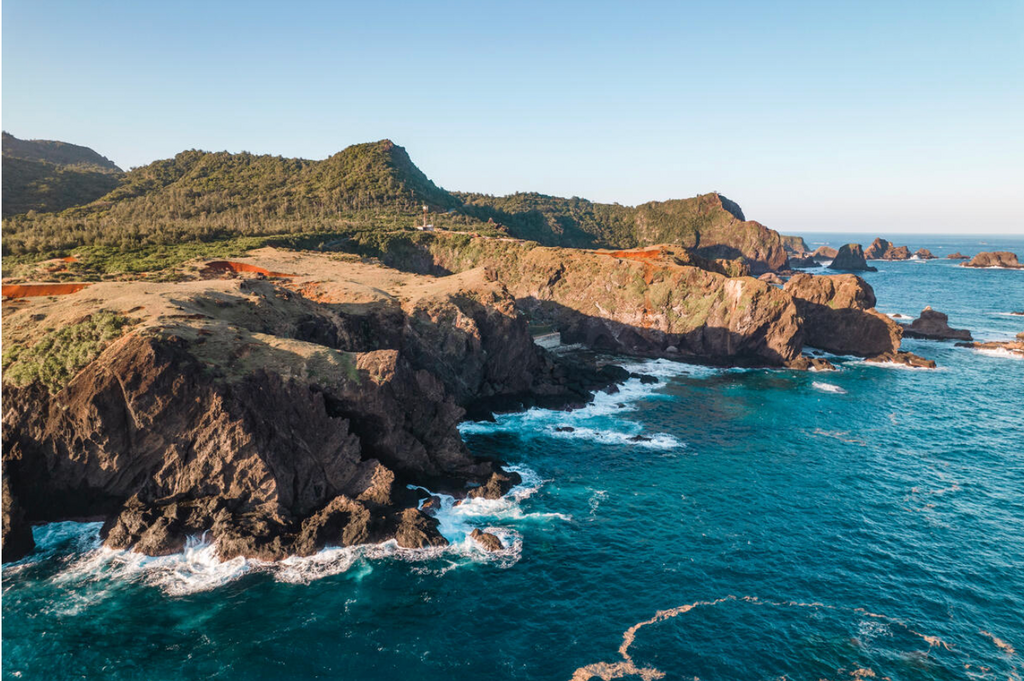
Taiwan, an island nation, is intrinsically linked to the sea, which boasts an extraordinary marine biodiversity with over 3,000 recorded fish species, representing approximately one-tenth of the global total. This rich ecosystem, however, faces severe threats. Overfishing, coupled with habitat destruction, inadequate fisheries management, and the escalating impacts of climate change—such as coral bleaching and ocean acidification—are steadily degrading these vital marine environments. These intertwined challenges necessitate a multifaceted response, bridging scientific data collection with public education and advocacy.
The Citizen Scientist Fish Survey Project: Gathering Crucial Data
In 2023, Greenpeace launched the "Citizen Scientist Fish Survey Project," a groundbreaking initiative aimed at collecting firsthand data on fish species and their lengths directly from fishing ports. This project sought to provide empirical evidence to inform marine policy and conservation efforts. Collaborating with Associate Professor He Xuanqing from the Department of Aquaculture at National Kaohsiung University of Science and Technology and Associate Professor Xu Weiyuan from National Taiwan Ocean University, the project ingeniously integrated artificial intelligence with citizen science. This marked a pioneering effort in Taiwan to combine AI with trained volunteers for data collection on commonly found coastal fish species, specifically to investigate the link between fish size and overfishing.
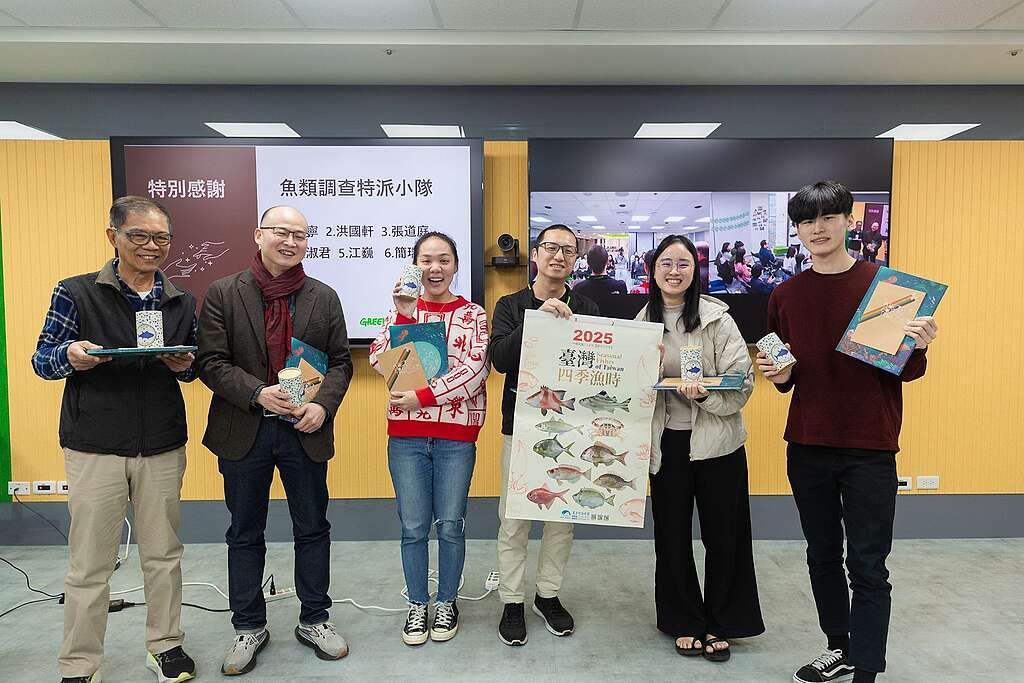
The project, now in its fourth year, has expanded its reach, involving over 35 dedicated citizen scientists. These volunteers are categorized into two key roles: "fishing port survey volunteers" and "fish labeling volunteers."
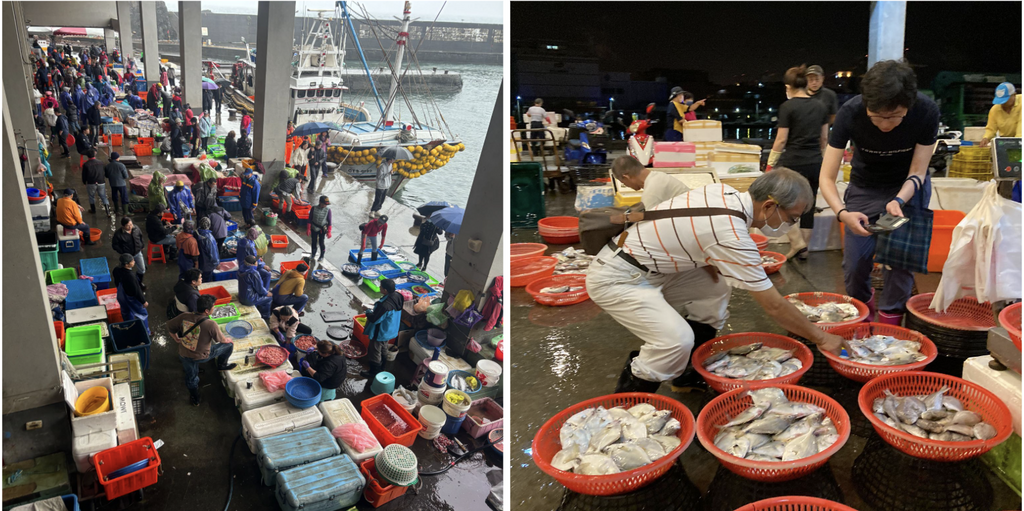
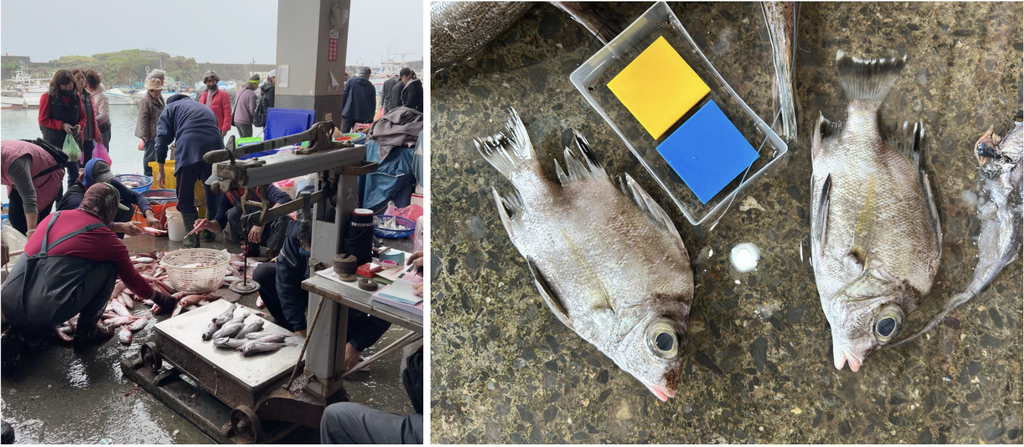
Fishing Port Survey Volunteers are the boots on the ground, tasked with meticulously documenting fish catches. Before their fieldwork, these volunteers undergo intensive training camps to familiarize themselves with a wide array of target fish species. Their duties involve early morning visits to bustling fish markets in key locations across Taiwan, including Daxi and Nanfangao in Yilan, Kezailiao and Qianzhen Fishing Ports in Kaohsiung, Donggang in Pingtung, and Magong Fishing Port in Penghu. Arriving before the day’s catch is sold, they identify specific fish species, strategically place a calibrated scale reference object alongside them, and capture high-quality photographs. These images serve as invaluable primary data for scientific analysis.
Fish Labeling Volunteers, conversely, work remotely, leveraging their acquired knowledge of fish species. They are responsible for classifying and labeling hundreds of photographs uploaded by their counterparts at the fishing ports. Using specialized computer software, they meticulously identify and mark each fish species within the images. This rigorous labeling process is crucial for building a comprehensive database, which in turn, fuels the development of AI tools for both fish species identification and body length estimation. This innovative AI system represents a significant advancement in Taiwan for simultaneously analyzing these two critical aspects of fisheries data.
In its inaugural year, the project focused on 40 common nearshore fish species in Taiwan. Within that year, volunteers documented their presence at five major fishing ports, amassing an impressive collection of 18,180 fish sample photographs.
First Survey Results Reveal Alarming Trends
The initial findings from the Citizen Scientist Fish Survey Project, released on World Oceans Day 2024, painted a stark picture of the state of Taiwan’s marine fisheries. Of the 40 common fish species surveyed, a significant majority—24 species—had more than half of their sampled individuals falling short of the "50% sexual maturity length (Lm50)." This critical metric indicates the size at which a fish population can sustainably reproduce. Species exhibiting the most severe overfishing conditions included silver pomfret, star pomfret, greater amberjack, pomfret, and black seabass, with over 90% of their sampled individuals being below the Lm50. This data provided concrete evidence for concerns that had long been voiced by conservationists and fishermen alike.
In response to these alarming results, the Citizen Scientist Fish Survey Project was extended into a long-term volunteer monitoring program. The scope of the investigation was further expanded in 2025 to include 45 fish species. Over its three-year duration, the project has amassed a total of 24,227 photographs, providing continuous support for Greenpeace’s ocean conservation initiatives in Taiwan.
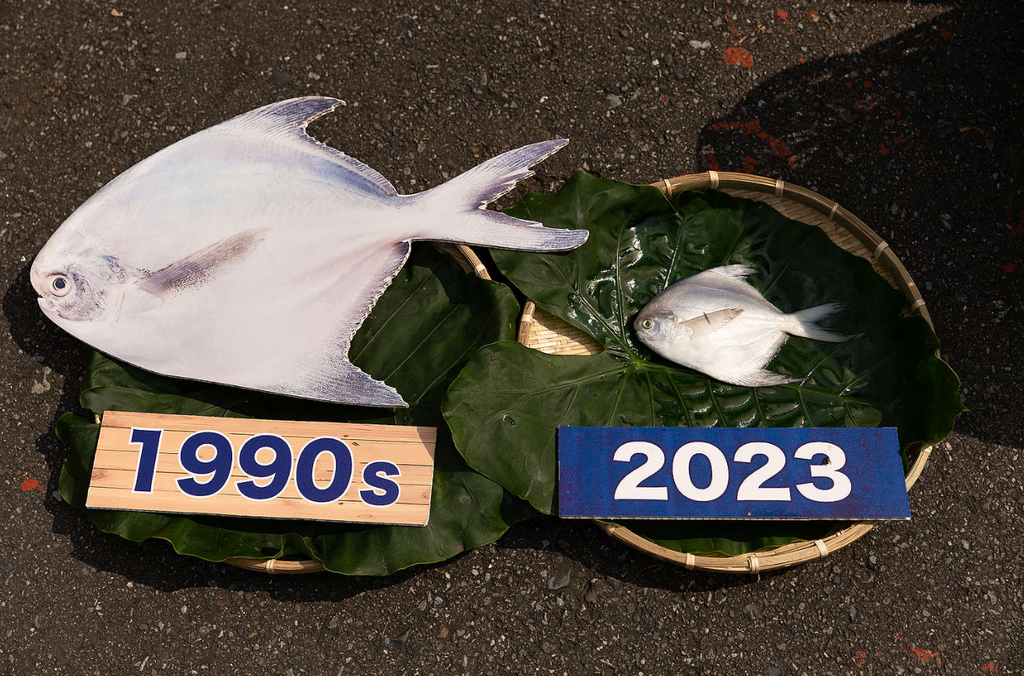
The urgency of these findings was underscored by a press conference held by Greenpeace’s Ocean Project team on March 9, 2023, outside the Executive Yuan. The team presented a stark comparison between the mature body length reference values of pomfret found in historical scientific literature and the juvenile fish being sold in contemporary fish markets. This visual evidence served as a powerful plea for the swift review and passage of the "Marine Conservation Act." The persistent advocacy, coupled with growing public awareness, culminated in the Act’s passage in late 2024 and its official enactment in July 2025, a significant legislative victory for marine protection in Taiwan.
Voices from the Frontlines: Fishermen’s Concerns and Migrant Worker Rights
The observations of volunteers provided crucial qualitative insights into the human dimension of marine resource depletion. Conversations with fish vendors revealed a growing sense of hardship within the industry, with many lamenting the significant decline in fish catches and the escalating difficulty of their livelihoods. Volunteer Daoting noted the palpable internal conflict among fishermen, who, while often friendly during auctions, privately expressed concerns about diminishing catches and the destructive practices of unregulated commercial vessels. They recognized that the unsustainable exploitation of marine resources ultimately harms everyone involved in the industry.
For volunteers with deep personal connections to coastal communities, the observed degradation of marine ecosystems was particularly distressing. Jia, a resident of Donggang, expressed profound shock upon witnessing the capture of an exceptionally small red snapper, stating, "The severity of overfishing exceeded imagination. I realized I cannot just be a consumer; I must start taking action." Similarly, volunteer Christina from Malaysia was deeply disturbed to see rare fish species, which should be protected in marine museums, appearing in the context of bloody auction scenes.
Beyond the ecological impact, an anonymous volunteer brought to light the dire conditions faced by migrant workers on fishing vessels. They described "dirty and chaotic" onboard environments, with migrant workers resorting to showering directly on deck, highlighting the extremely harsh working conditions. This testimony underscores a critical aspect of marine conservation: it extends beyond the health of fish populations to encompass the fundamental dignity and labor rights of every individual involved in the entire industry chain.
Empowering the Public: Volunteer-Designed Ocean Education Booths
Recognizing that ocean issues extend far beyond coastal overfishing, the Greenpeace Community Outreach Campaign Team launched the "Taichung Ocean Volunteer Project" in 2024 and 2025. This initiative aimed to empower volunteers in Taichung, a region without a dedicated Greenpeace office, to become independent advocates for ocean protection. The project focused on training volunteers to independently manage booth preparations and develop engaging lesson plans for public awareness campaigns.
Relaying Ocean Protection: Experienced Volunteers Mentoring New Recruits
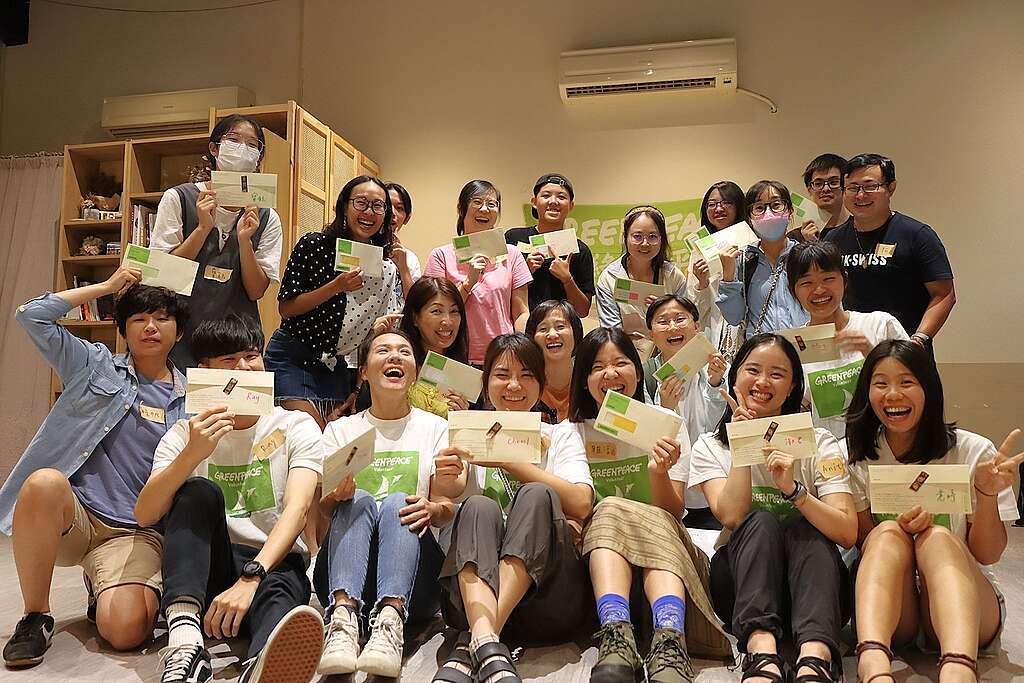
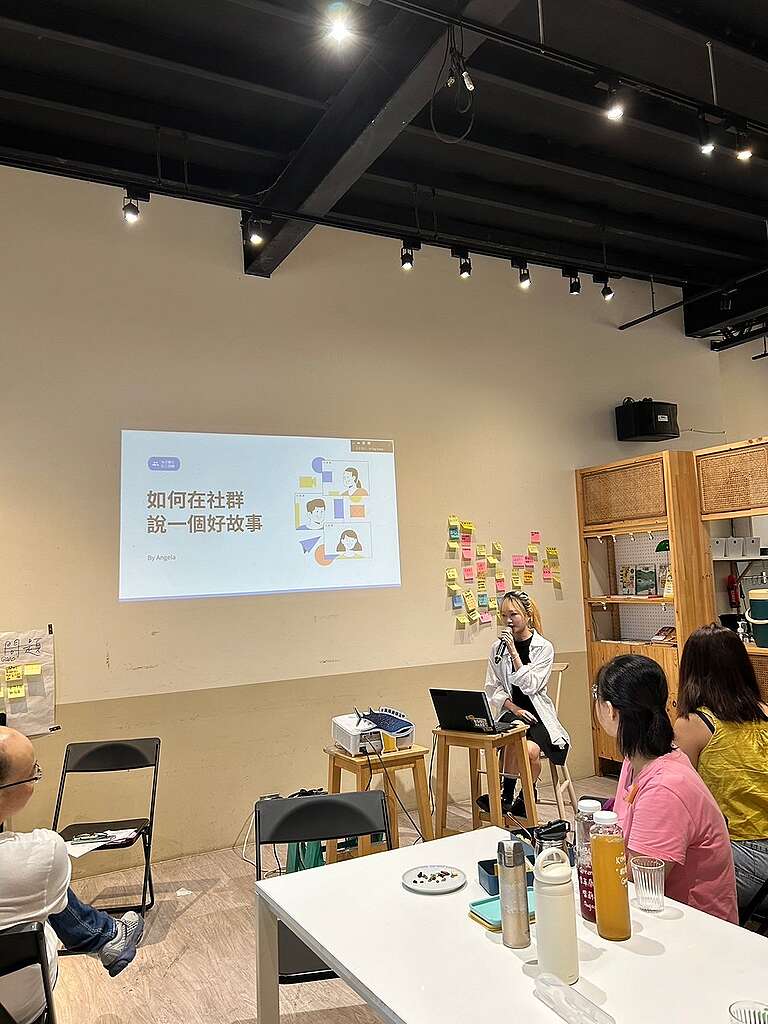
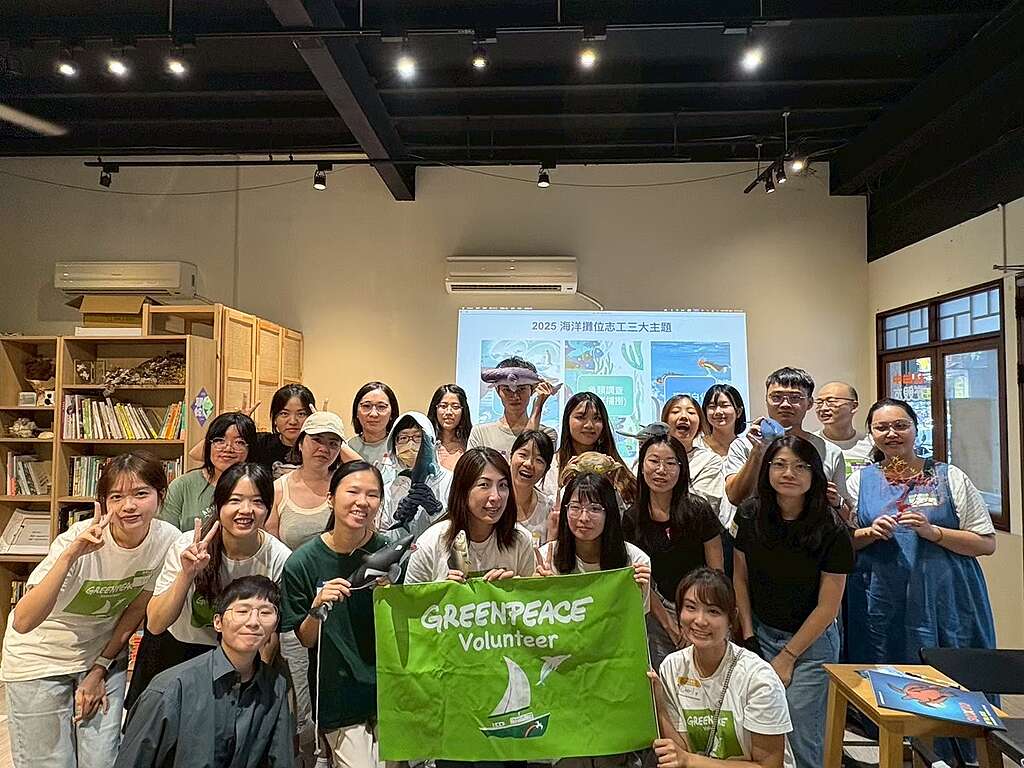
The "Taichung Ocean Volunteer Project" commenced with a comprehensive two-day training camp held in August 2024. Eighteen volunteers participated, dividing into three specialized groups: "Deep-sea mining," "Distant-water issues" (focusing on overfishing and fisheries labor rights), and "Nearshore issues" (addressing the Taiwan Marine Conservation Act and sustainable seafood practices). A unique and highly effective aspect of this program was the leadership structure, where experienced Greenpeace volunteers mentored newcomers. These senior volunteers shared their extensive experience in advocacy and booth management, guiding new recruits through the entire process of conceptualizing and executing an independent ocean advocacy action.
Greenpeace’s social media marketing team also contributed valuable training, equipping volunteers with essential skills to promote their campaigns online and broaden their reach. A second training camp, held in August 2025, saw 19 volunteers engage with topics such as "Coral bleaching," "Marine protected areas," and "Overfishing," further expanding the network of dedicated advocates.
Volunteers Take the Lead: Creative Lesson Plans from Conception to Execution
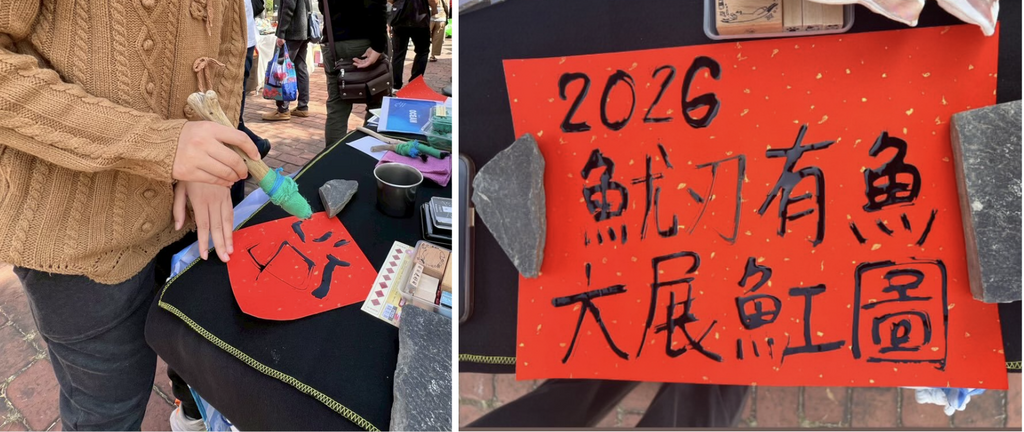
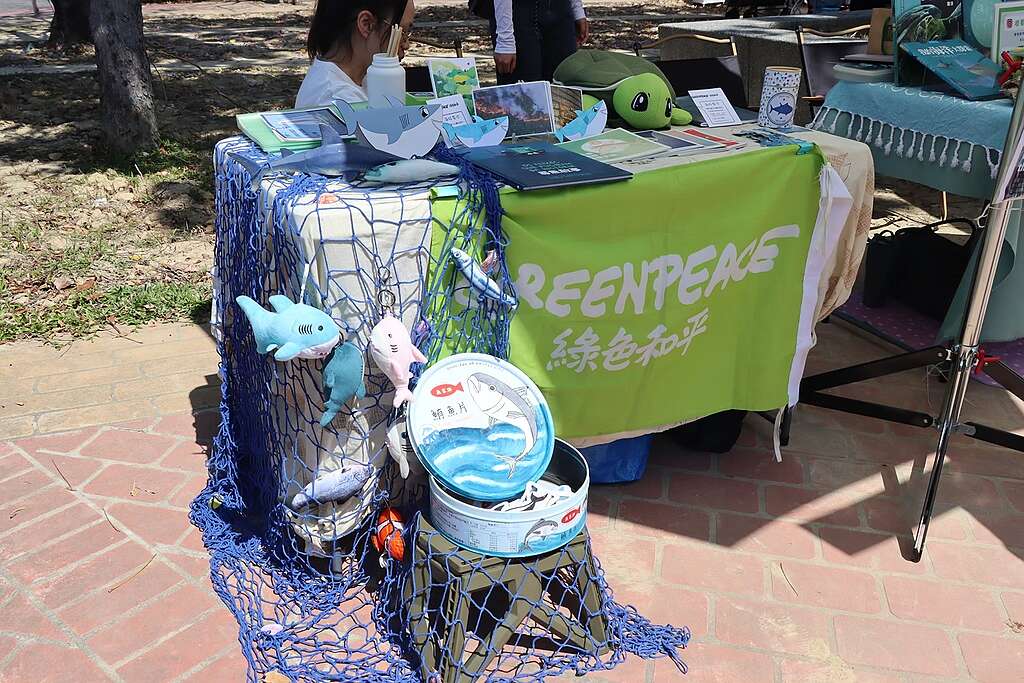
The volunteers demonstrated remarkable creativity and initiative in designing interactive and educational experiences for the public. During New Year events, they ingeniously crafted "marine debris pens" using driftwood, fishing nets, and discarded fishing lines. The public was invited to use these unique pens to create ocean-themed spring couplets, transforming marine pollution into an artistic medium and raising awareness about the issue.
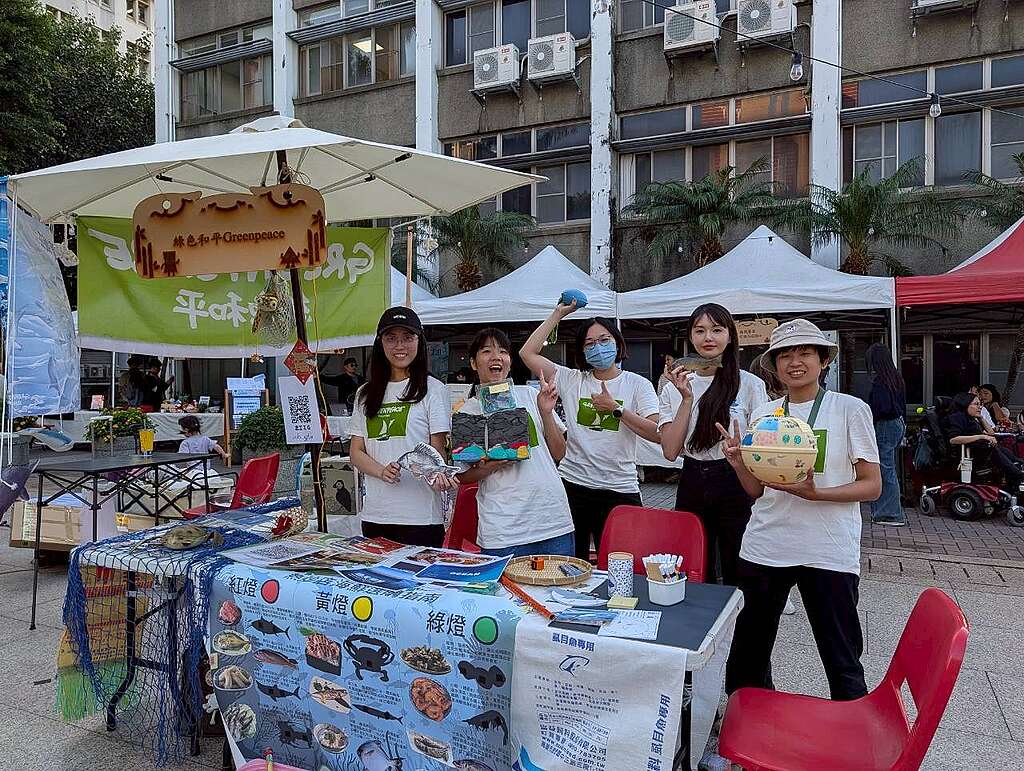
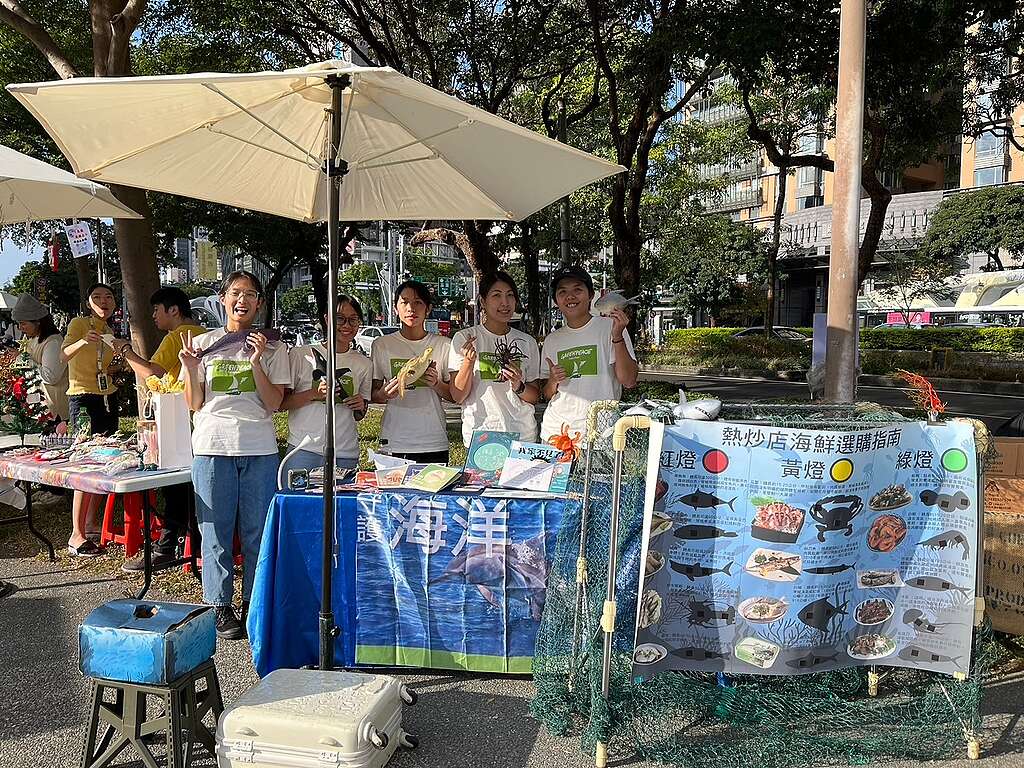
To simplify complex sustainable seafood guidelines, volunteers developed an accessible "red, yellow, green light" system. This visual aid categorized seafood based on the abundance of fish stocks: "Green" for abundant resources (suitable for frequent consumption), "Yellow" for decreasing resources (occasional consumption), and "Red" for endangered species (to be avoided). They further enhanced this by creating an engaging "Seafood purchasing guide for stir-fry restaurants." This interactive display invited participants to engage in a simulated "fishing" activity, drawing out seafood items and comparing them to the guide to understand their sustainability status. This playful approach facilitated learning about making ocean-friendly choices in daily shopping and dining.
A particularly impactful educational tool was a handcrafted 3D model titled "Tuna Human Cans." Resembling a tuna can from the outside, the interior revealed cardboard cutouts of fishermen, dolphins, sharks, and tuna. This exhibit visually connected fishing methods, the working conditions of fishermen, and the ecological impact on marine life, all within the context of tuna consumption. Volunteers encouraged the public to interact with bycatch paper models (sharks, dolphins) and fisherman cutouts, sparking curiosity and leading to discussions about the ecological damage caused by certain fishing practices and the human rights issues faced by distant-water fishermen. For those seeking deeper understanding, QR codes linked to the documentary "Before You Eat," offering further insights into these critical issues.
Impact and Reflections: Weaving a Stronger Net for Ocean Protection
Over three years, Greenpeace ocean volunteers, through consistent booth activities and public engagement, successfully integrated ocean conservation issues into daily life. Their efforts resulted in over two thousand people actively participating in protective measures.
Senior volunteer A-Kuan emphasized the importance of bringing hidden issues to light: "Just because you cannot see it does not mean it is not happening." By designing interactive games and educational tools, volunteers effectively communicated the link between the seafood on our plates and the exploitation of human rights within the industry.
Volunteer Yixuan, who served as a group leader, highlighted the continuous improvement in communication skills observed among team members. "At the beginning, our opening lines were very awkward, but later we adjusted quickly depending on tools and situations, such as using ‘marine debris spring couplets’ to attract attention. I think this is a big improvement for everyone!"
The collaborative spirit was a significant motivator, as noted by volunteer Baoyu, who participated for two consecutive years. She expressed that the positive initial volunteer experience, characterized by mutual respect and open communication, fostered a strong sense of camaraderie, encouraging continued involvement.
The future of our oceans hinges on collective action. In 2025, the network of volunteers expanded its impact from meticulous data collection at fishing ports to creative public outreach in bustling markets. Each data point collected and every conversation held represents a vital step towards restoring our depleted seas. While thousands of photographs have been amassed and countless individuals reached, the challenges facing our oceans remain significant.
The baton of ocean protection is continuously being passed on. Individuals can now actively contribute to this vital cause. Those with a passion for direct action can sign up as "fish survey volunteers" to collect crucial data at fishing ports and protect the ocean on the front lines. For those unable to commit time but wishing to support the cause, joining Greenpeace volunteers and following their community on Instagram provides updates on activities and opportunities to stand in solidarity for ocean protection. The collective strength of these dedicated individuals is weaving a stronger net for the future of our planet’s most vital resource.


 Raul Delapena Setiawan
 Nila Kartika Wati