Iffa Jayyana
Sun Zhengcai, the former secretary of the Chongqing Municipal Committee of the Communist Party of China (CPC), has been formally placed under investigation on suspicion of accepting bribes, according to an announcement made by the Supreme People’s Procuratorate on Monday. This development marks a critical legal progression in a case that has garnered considerable national and international attention, given Sun’s once-prominent position within the Party hierarchy. The procuratorate confirmed that Sun has been subjected to "coercive measures," a broad legal term in China that encompasses a range of actions from summons by force and bail to residential surveillance, detention, and formal arrest, indicating the serious nature of the ongoing judicial inquiry. The investigation into the bribery allegations is currently underway, with authorities committed to a thorough and impartial process.
Chronology of a Political Downfall
Sun Zhengcai’s fall from grace began months before the formal bribery charges were announced, unfolding through a series of escalating disciplinary actions by the Party’s internal watchdog. The initial public indication of trouble emerged in July when the CPC Central Commission for Discipline Inspection (CCDI), the Party’s highest anti-graft body, launched an investigation into Sun for "serious violations of Party discipline." This initial probe signaled the gravity of the accusations, as such investigations are typically reserved for high-ranking officials suspected of significant misconduct.
The CCDI’s findings, released following their comprehensive investigation, painted a damning picture of Sun’s conduct, detailing a wide array of transgressions that spanned ethical, political, and financial improprieties. According to the CCDI, Sun Zhengcai was found to have profoundly betrayed Party principles and to have systematically ignored the Party’s code of conduct and established rules. He was specifically accused of seriously violating the CPC’s stringent eight-point code on frugality and maintaining close ties with the masses, a directive issued by President Xi Jinping aimed at curbing official extravagance and elitism. Sun was found to have sought pomp, ostentation, and privileges, directly contravening the spirit and letter of this crucial Party regulation designed to foster humility and public service.
Beyond these ethical breaches, the CCDI’ uncovered more severe allegations involving corruption and abuse of power. Sun was found guilty of nepotism, leveraging his influential position to seek benefits in the selection and promotion of officials, undermining the meritocratic principles the Party espouses. He was also accused of leaking confidential Party information, a breach of trust with potentially severe implications for national security and Party operations. Furthermore, the investigation revealed that Sun seriously breached Party rules on integrity, suggesting a fundamental failure to uphold the ethical standards expected of senior cadres.
The financial aspects of Sun’s alleged misconduct were particularly highlighted. The CCDI stated that he abused his power and exploited his official capacity to gain benefits for others, subsequently accepting "huge bribes" in return. These illicit payments were reportedly made both in cash and properties, indicating a systemic pattern of corruption. The investigation also found that Sun sought substantial benefits for his relatives’ businesses and accepted valuable gifts, blurring the lines between public duty and private gain. The anti-graft inspectors further accused Sun of bureaucracy and sloth in his work, implying a dereliction of duty and a lack of commitment to public service. In a particularly severe accusation, the CCDI also implicated him in "degradation and power-for-sex trades," pointing to a severe moral and ethical failing.
The CCDI’s statement unequivocally concluded that Sun Zhengcai had "totally deviated from the Party spirit and political requirements of senior officials." His misconduct, the commission asserted, betrayed the trust of the CPC Central Committee and the broader public, inflicting "huge harm" to the Party and the country and generating "extremely bad" social influences. Following the completion of its internal disciplinary investigation, the CCDI transferred the criminal evidence involving his case to judicial authorities for further investigation and prosecution, setting the stage for the formal legal proceedings announced by the Supreme People’s Procuratorate.
In September, prior to the formal bribery charges, the Political Bureau of the CPC Central Committee took decisive action, expelling Sun from the Party and dismissing him from all public offices. This definitive move stripped him of his political standing and prepared the ground for the subsequent legal actions.
Background Context: A Promising Career and the Anti-Graft Campaign
Sun Zhengcai’s trajectory was once seen as a testament to the Party’s ability to cultivate talented leaders. Born in 1963, Sun was among the youngest officials to hold such high-ranking positions. He held a doctorate in agricultural science and his career progressed steadily through various significant roles, including Minister of Agriculture, Party Secretary of Jilin Province, and ultimately, Party Secretary of Chongqing. He was widely regarded as a potential candidate for China’s next generation of top leaders, often discussed as a "sixth-generation" leader alongside Hu Chunhua, another young Party official. His appointment to Chongqing in 2012, a major municipality directly under the central government, was particularly significant. Chongqing had just been rocked by the dramatic downfall of its previous Party chief, Bo Xilai, another high-profile official purged for corruption and abuse of power. Sun’s appointment was seen as an effort to stabilize the city and restore its political integrity after the scandal. His rapid ascent and perceived potential made his eventual downfall all the more striking.
Sun’s investigation and subsequent legal proceedings are part of President Xi Jinping’s sweeping anti-corruption campaign, launched shortly after he came to power in late 2012. This campaign, famously targeting both "tigers" (high-ranking officials) and "flies" (lower-level cadres), has been unprecedented in its scale and intensity. It aims to root out pervasive corruption that threatened the legitimacy of the Party and hampered economic development. Since its inception, millions of officials across all levels of government, state-owned enterprises, and military have been investigated and punished. The campaign has seen the downfall of numerous powerful figures, including former Politburo Standing Committee member Zhou Yongkang, former Vice Chairman of the Central Military Commission Xu Caihou, and former general Guo Boxiong. The removal of Sun Zhengcai, a sitting Politburo member and provincial-level chief, underscores the campaign’s relentless pursuit of corruption at the highest echelons of power, irrespective of an individual’s past influence or future prospects. The campaign serves not only to curb corruption but also to consolidate President Xi’s authority within the Party.
Supporting Data and Broader Implications
The formal investigation into Sun Zhengcai for bribery adds to a significant body of evidence demonstrating the depth and reach of China’s anti-corruption efforts. The campaign has not only disciplined officials but also recovered vast sums of illicitly gained assets. According to official reports, in 2017 alone, the CCDI investigated 527,000 cases and disciplined 527,000 officials. Between 2012 and 2017, over 1.5 million officials were punished. These figures underscore the systemic nature of the problem that the campaign seeks to address and the immense effort being put into combating it. The financial costs of corruption, including lost tax revenue, misallocated public funds, and distorted market competition, are substantial. The campaign aims to improve governance, foster a fairer business environment, and ultimately enhance the Party’s legitimacy in the eyes of the public.
The case of Sun Zhengcai carries several profound implications:
Political Implications: Sun’s removal and investigation reinforce President Xi Jinping’s absolute authority and his unwavering commitment to the anti-graft drive. His downfall sends a clear and unambiguous message across the Party that no official, regardless of rank or perceived influence, is immune from scrutiny if suspected of corruption or disloyalty. This strengthens Party discipline and consolidates power around the central leadership. It also signals a significant shift in political dynamics, potentially influencing future leadership appointments and succession planning within the Party. Chongqing, a strategically important municipality, once again finds itself under national scrutiny, highlighting its unique political sensitivity following the scandals involving Bo Xilai and now Sun Zhengcai.
Economic Implications: While the anti-corruption campaign may cause some short-term disruption as officials become more cautious, its long-term aim is to create a more transparent and predictable economic environment. By reducing bribery and illicit dealings, it seeks to level the playing field for businesses, attract legitimate investment, and improve the efficiency of public spending. The removal of corrupt officials who prioritize personal gain over public welfare can lead to better policy implementation and more equitable resource distribution, potentially fostering sustainable economic growth.
Social Implications: The public reaction to high-profile corruption cases like Sun’s is generally one of approval. For ordinary citizens, the anti-graft campaign is seen as a necessary measure to address deep-seated grievances about inequality and injustice. The Party’s efforts to hold powerful individuals accountable can help restore public trust and reinforce the perception that the government is working in the public interest. However, the sheer scale of corruption uncovered also highlights the challenges in maintaining integrity within a vast and complex bureaucratic system. The emphasis on "extremely bad social influences" in the CCDI statement underscores the Party’s awareness of the public’s perception and the need to demonstrate resolute action.
Rule of Law and Party Discipline: The progression of Sun’s case—from internal Party disciplinary action by the CCDI to formal judicial investigation by the procuratorate—illustrates China’s dual system of oversight. Party discipline often precedes criminal prosecution, reflecting the Party’s paramount role in governance. This sequence ensures that political and ethical breaches are addressed internally before criminal charges are pursued in the legal system. The move from Party expulsion to judicial investigation demonstrates a commitment to upholding both Party rules and national laws, indicating a move towards a more systematic approach to combating corruption, even if the process begins with internal Party mechanisms.
As the investigation into Sun Zhengcai continues, the details that emerge will likely provide further insights into the complexities of corruption within China’s political landscape and the ongoing efforts to reform governance. The case stands as a stark reminder of the risks associated with unchecked power and the formidable reach of the Party’s anti-graft apparatus.

 Sagoh
Sagoh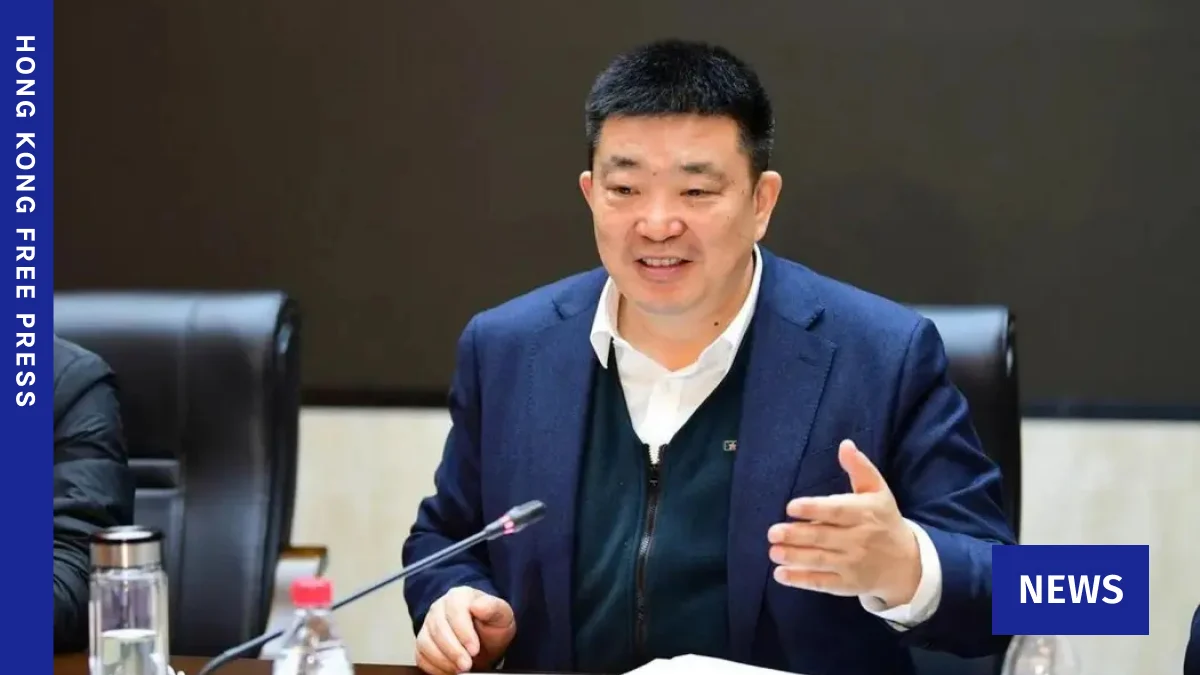
 Asro
Asro