Ammar Sabilarrohman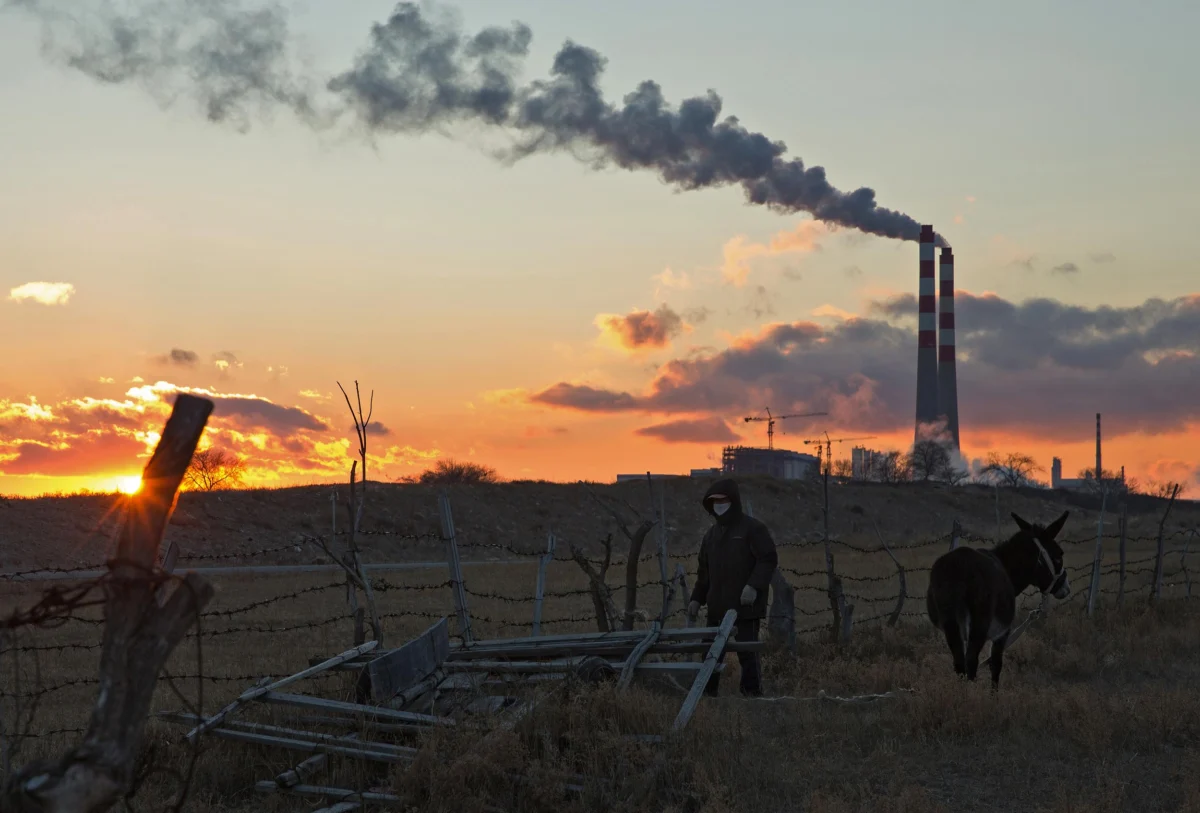
Beijing – Coal-fired power plants generated 49.7% of all electricity output in China during the first six months of 2026, a landmark moment marking the first time the sector’s contribution has fallen below the 50% threshold. This significant shift, detailed in recent analyses, signals a pivotal transition in China’s energy landscape, driven by aggressive expansion of renewable energy sources and a strategic move away from its historical reliance on coal.
The milestone, while representing a crucial step in China’s decarbonization efforts, underscores the ongoing challenges and the substantial work still ahead. According to Gao Yuhe, Beijing-based project lead for Greenpeace East Asia, the decline in coal’s share is a direct consequence of the rapid growth in solar and wind power. "This is another step in coal’s decline in China, and there’s still a way to go," Gao stated. "Solar and wind play a central role in outcompeting and displacing coal."
However, Gao also highlighted that renewable sources, while rapidly expanding, still represent a smaller portion of the overall energy mix. "Solar and wind generation is still only at 25%," she noted. "Stronger targets for solar and wind generation will have a knock-on effect to further undercut coal. China’s current 2030 target for wind and solar is 30%, but we can easily hit 33% by 2028. Without stronger targets, coal will linger in the interim." The organization emphasizes that to accelerate this transition, more ambitious renewable energy targets are essential, particularly in the short to medium term.
Historical Context: China’s Evolving Energy Strategy
For decades, coal has been the backbone of China’s industrial and economic growth, powering its manufacturing sector and providing electricity to its vast population. This reliance, however, came at a significant environmental cost, contributing to severe air pollution and making China the world’s largest emitter of greenhouse gases. Recognizing these challenges, the Chinese government has increasingly prioritized renewable energy development as part of its national strategy, aiming to balance economic progress with environmental sustainability and energy security.
The journey to this 49.7% mark has been a gradual but determined one. In 2015, coal accounted for approximately 64% of China’s electricity generation. By 2020, this figure had fallen to around 58%. The intervening years have seen an unprecedented surge in investment and deployment of solar photovoltaic (PV) and wind power capacity. This acceleration is not merely a domestic policy choice but also aligns with China’s international climate commitments, including its pledges under the Paris Agreement.
The Rise of Renewables: Driving the Shift
The decline in coal’s dominance is inextricably linked to the meteoric rise of solar and wind power. China has emerged as the global leader in renewable energy deployment, driven by government incentives, technological advancements, and a growing understanding of the economic benefits of clean energy.
Solar Power Growth
China has consistently led the world in installed solar capacity. Between 2020 and 2025, the nation added hundreds of gigawatts of solar power, significantly boosting its renewable energy portfolio. This growth has been fueled by both large-scale utility projects and a rapid expansion of distributed solar, particularly rooftop installations. The cost of solar technology has plummeted over the past decade, making it increasingly competitive with traditional energy sources.
Wind Power Expansion
Similarly, China has become a powerhouse in wind energy, with onshore and offshore wind farms contributing substantially to the national grid. Investments in advanced wind turbine technology and improved grid integration have enabled the country to harness its vast wind resources more effectively.
Supporting Data and Projections
Industry reports and government statistics paint a clear picture of this transition. Data from the International Energy Agency (IEA) and the National Bureau of Statistics of China consistently show a declining trend in coal’s share of electricity generation and a corresponding upward trajectory for renewables.
- 2020: Coal accounted for approximately 58% of electricity generation. Renewables (including hydro, wind, and solar) contributed around 35%.
- 2023: Preliminary data suggested coal’s share had fallen to around 53%, with renewables reaching approximately 40%.
- First Half of 2026: The reported 49.7% for coal represents a continuation of this trend, with renewables collectively likely surpassing 45% of the generation mix during this period.
Projections indicate this trend will continue. By 2030, many analysts anticipate that non-fossil fuel sources could account for over 50% of China’s total electricity generation. The Greenpeace East Asia statement suggests that with more ambitious targets, China could reach 33% of its electricity from wind and solar alone by 2028, exceeding the current official target of 30% for 2030. This would further accelerate the displacement of coal.
Key Sectors to Watch: Rooftop Solar and Energy Storage
Gao Yuhe specifically highlighted "rooftop solar and energy storage" as crucial sectors to monitor in the coming years. This insight points to a strategic shift towards decentralized energy solutions and grid flexibility.
Rooftop Solar: Empowering Local Generation
The proliferation of rooftop solar installations, particularly on residential, commercial, and industrial buildings, offers a significant avenue for distributed energy generation. This approach reduces reliance on large, centralized power plants and can alleviate strain on the national grid. For provinces with high energy demand, such as those along the eastern seaboard, rooftop solar provides a localized solution to meet peak electricity needs, reducing transmission losses and improving grid resilience. The economic incentives and supportive policies for rooftop solar have made it an increasingly attractive option for individuals and businesses alike.
Energy Storage: Bridging the Gap
The intermittent nature of solar and wind power has long been a challenge for grid stability. Energy storage solutions, particularly battery storage, are vital for overcoming this hurdle. By storing excess renewable energy generated during periods of high production and releasing it during times of low production or high demand, storage systems ensure a more consistent and reliable power supply. This integration of storage with renewables is crucial for maximizing the utilization of clean energy and further reducing the need for baseload power from fossil fuels. The deployment of battery storage alongside rooftop solar in high-demand areas is seen as a key strategy for managing peak loads and enhancing energy independence.
Implications and Broader Impact
The decline in coal’s share of electricity generation has far-reaching implications, both domestically and globally.
Environmental Benefits
The most immediate impact is on air quality and greenhouse gas emissions. A reduction in coal-fired power generation directly translates to lower emissions of sulfur dioxide, nitrogen oxides, particulate matter, and carbon dioxide. This will contribute to improved public health in heavily industrialized areas and is crucial for China to meet its climate targets.
Energy Security
While China possesses significant domestic coal reserves, diversifying its energy sources with renewables enhances its energy security by reducing reliance on a single fuel source, which can be subject to price volatility and geopolitical influences.
Economic Transformation
The shift towards renewables is fostering a new economic landscape, driving innovation and creating jobs in the clean energy sector. While the coal industry faces contraction, the growth in renewable manufacturing, installation, and maintenance offers new economic opportunities. This transition also necessitates retraining and supporting workers from the coal sector to ensure a just and equitable transition.
Global Climate Leadership
As the world’s largest energy consumer and emitter, China’s progress in decarbonizing its power sector has a profound impact on global climate efforts. Its success in transitioning away from coal serves as a powerful example and can encourage other nations to accelerate their own clean energy transitions.
Official Responses and Future Outlook
While the specific government statements regarding this 49.7% figure were not included in the initial information, official policy directions indicate a continued commitment to renewable energy. China has consistently reiterated its goals of peaking carbon emissions before 2030 and achieving carbon neutrality before 2060. These ambitious targets necessitate a continued phasing out of coal and an accelerated build-out of clean energy infrastructure.
The National Energy Administration (NEA) regularly releases plans and targets for renewable energy deployment, and these are expected to be updated to reflect the pace of growth and the need for further acceleration. Industry associations and research institutions are also closely watching policy developments, anticipating that future targets will be more aggressive.
The Greenpeace East Asia assessment that China can "easily hit 33% by 2028" for wind and solar suggests a belief that current policy frameworks, if emboldened, can facilitate even faster progress. The call for "stronger targets" indicates that environmental organizations and industry stakeholders are pushing for more ambitious national policies to ensure that coal’s decline is not just gradual but a rapid and decisive phase-out.
The coming years will be critical in determining the speed and scale of China’s energy transition. The continued expansion of solar and wind, coupled with advancements in energy storage and smart grid technologies, will be key drivers. The strategic focus on rooftop solar and energy storage, as highlighted by Greenpeace, suggests a pathway towards a more resilient, decentralized, and cleaner energy future for China. The 49.7% figure is not an endpoint, but rather a significant waypoint on a much larger and more complex journey towards a sustainable energy paradigm.

 Raul Delapena Setiawan
 Suro Senen