Jia Lissa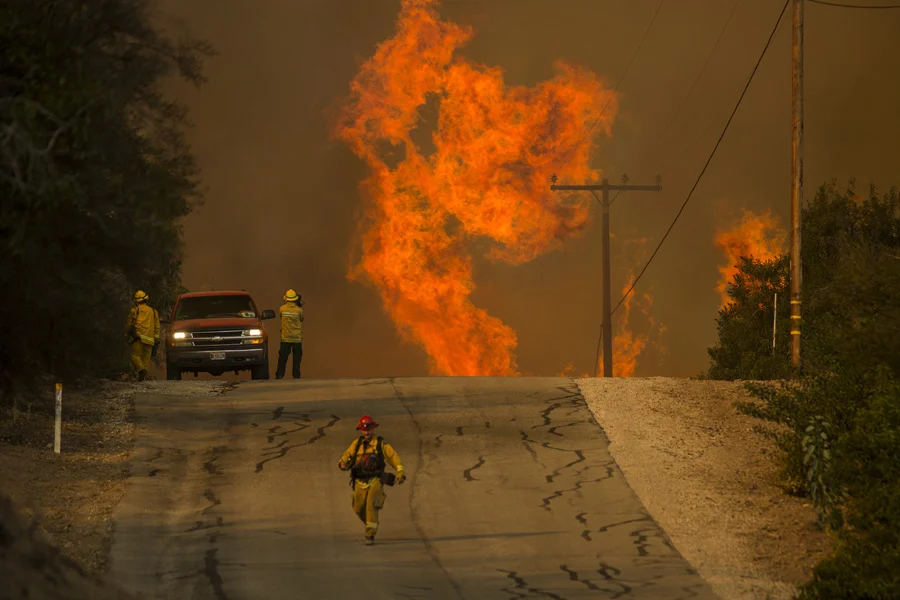
California Governor Jerry Brown has declared that the state must brace for a recurring threat of devastating wildfires, labeling the escalating frequency and intensity of these blazes as a "new normal" driven by accelerating climate change. His somber assessment came following an inspection of the widespread destruction wrought by a series of massive wildfires that have ravaged Southern California in early December 2017. The infernos, fanned by powerful Santa Ana winds, have consumed vast tracts of land, destroyed hundreds of homes, and forced tens of thousands of residents to evacuate, painting a grim picture of a state increasingly vulnerable to extreme weather events.
The Scale of Destruction and the Role of Santa Ana Winds
The wildfires, which erupted in early December 2017, demonstrated a terrifying ferocity and speed, largely attributed to the notorious Santa Ana winds. These powerful, dry, downslope winds, originating inland and sweeping towards the Southern California coast, are a seasonal phenomenon often dubbed "devil winds" for their ability to rapidly propagate wildfires. In this instance, the winds were described as unusually forceful and sustained, exacerbating a dry fire season that had extended well into December.
By the time Governor Brown made his pronouncements, six major wildfires had ignited across a broad swathe of Southern California, stretching from Santa Barbara County in the north to San Diego County in the south. These infernos had collectively scorched over 708.2 square kilometers (approximately 273.4 square miles) of land and tragically resulted in the destruction of at least 793 structures, predominantly homes. The economic toll was significant, with initial estimates pointing to billions of dollars in damages. The immediate human cost was immense, with widespread evacuations and a desperate struggle to contain the blazes.

A Timeline of the December 2017 Southern California Wildfires
The events unfolded with alarming rapidity:
- Early December 2017 (specific date not provided in original source, but context suggests beginning of the week): Unusually strong and sustained Santa Ana winds begin to blow across Southern California.
- Monday, December 4, 2017: The first major wildfires ignite, fueled by the dry conditions and powerful winds. The Thomas Fire, which would become the largest and most destructive, began in Ventura County.
- Within Days: Multiple other large fires erupt across Santa Barbara, Ventura, Los Angeles, and San Diego counties, including the Creek Fire, Rye Fire, Skirball Fire, and Lilac Fire.
- Mid-Week: The fires spread rapidly, overwhelming containment efforts and forcing widespread evacuations. Tens of thousands of residents are displaced from their homes.
- Thursday, December 7, 2017: Governor Jerry Brown declares a state of emergency for Ventura and Los Angeles counties, mobilizing state resources to combat the escalating crisis.
- Friday, December 8, 2017: Governor Brown visits Ventura County to survey the damage and address the media, issuing his stark warning about the "new normal." At this point, the fires had consumed vast areas and destroyed hundreds of structures.
- Continuing: Firefighting efforts continue throughout the week, with the Thomas Fire eventually becoming the largest wildfire in California history at the time, burning over 281,000 acres. Containment is a protracted process, taking weeks in some cases.
Governor Brown’s Stark Warning: The "New Normal"
Governor Brown’s remarks were not merely a description of the current crisis but a profound statement about the future challenges facing California. He articulated a clear link between the escalating wildfire threat and anthropogenic climate change, asserting that human-induced warming has pushed weather patterns to unprecedented extremes.

"We’re facing a new reality in this state," Brown stated during a press conference held after his visit to the fire-ravaged Ventura County. "We have to have the resources to combat the fires and we have to also invest in managing vegetation and forests, and all the ways we dwell in this very wonderful place, but a place that’s getting hotter."
He emphasized that the current conditions – characterized by unusually prolonged dry seasons and more intense wind events – are no longer isolated incidents but indicative of a persistent trend. The governor explicitly linked these extreme weather phenomena to global climate change, a stance that has been consistently advocated by climate scientists.

The Broader Implications of a Warming Climate
Brown’s declaration of a "new normal" carries significant implications for California and beyond. The state, already prone to drought and wildfires due to its Mediterranean climate, is now experiencing these natural hazards with greater intensity and frequency. This trend is projected to worsen under continued climate change.
- Increased Fire Risk: Warmer temperatures lead to drier vegetation, creating more fuel for fires. Longer dry seasons extend the period during which fires can ignite and spread.
- More Extreme Weather Events: Climate change is associated with more volatile weather patterns, including stronger winds, more intense heatwaves, and shifts in precipitation, all of which can exacerbate fire conditions.
- Water Scarcity: The combination of prolonged droughts and increased evaporation due to higher temperatures puts immense pressure on California’s already strained water resources.
- Economic Impact: The cost of fighting wildfires, coupled with the destruction of property and infrastructure, represents a significant economic burden. This includes not only direct costs but also lost tourism, agricultural damage, and increased insurance premiums.
- Public Health Concerns: Wildfire smoke can have severe impacts on air quality, leading to respiratory problems and other health issues for millions of people.
- Ecosystem Disruption: Frequent and intense wildfires can fundamentally alter ecosystems, impacting biodiversity and the long-term health of forests and natural landscapes.
Plans for Mitigation and a Call to Action
In response to this escalating threat, Governor Brown announced his intention to develop a comprehensive plan to mitigate the effects of climate change and enhance the state’s resilience. This plan, he indicated, would involve a multi-faceted approach:

- Increased Investment in Firefighting Resources: Ensuring that the state has the necessary personnel, equipment, and training to effectively combat wildfires.
- Proactive Forest and Vegetation Management: Implementing strategies to reduce fuel loads in fire-prone areas, such as controlled burns and targeted thinning of forests. This acknowledges the role of forest health in wildfire behavior.
- Land Use Planning and Development: Re-evaluating building codes and development practices in high-risk areas to reduce vulnerability to wildfires.
- Investing in Climate Change Adaptation: Developing strategies to cope with the broader impacts of climate change, including water management, infrastructure resilience, and public health preparedness.
- Promoting Renewable Energy and Emissions Reduction: Continuing California’s efforts to transition away from fossil fuels and reduce greenhouse gas emissions, recognizing that addressing the root cause of climate change is crucial.
Governor Brown also used the occasion to criticize the federal government’s approach to climate change, urging for more robust action rather than complacency. "It’s a time to do more, not less," he asserted, underscoring the persistent nature of environmental threats. "Fires, floods and earthquakes don’t go away." His remarks highlighted a growing divergence between state and federal policies on climate action, with California positioning itself as a leader in the fight against global warming.
Expert and Public Reactions (Inferred)
While the original article did not include direct quotes from other parties, the context of such a significant event would invariably elicit a range of reactions:

- Firefighters and First Responders: Likely expressed exhaustion and frustration with the relentless nature of the fires, emphasizing the need for better resources and long-term strategies. They would be acutely aware of the dangers and the personal toll of fighting such immense blazes.
- Evacuees and Affected Communities: Would be grappling with loss, displacement, and the trauma of experiencing such destruction. Their focus would be on immediate recovery, rebuilding their lives, and seeking assurances that such devastation can be prevented in the future.
- Environmental Scientists and Climate Advocates: Would likely commend Governor Brown’s acknowledgment of climate change as the driving force, while also urging for more aggressive policy changes to accelerate the transition to a clean energy economy and implement more ambitious adaptation measures.
- Policy Makers and Legislators: Would face pressure to allocate significant funding for wildfire prevention, response, and climate adaptation. Debates over land use, forest management, and climate policy would intensify.
- Skeptics of Climate Change: May continue to attribute the fires solely to natural causes or poor forest management, potentially challenging the governor’s emphasis on climate change.
The Long Road Ahead: Resilience in a Changing Climate
The December 2017 wildfires served as a stark and potent reminder of California’s vulnerability to the intensifying impacts of climate change. Governor Brown’s declaration of a "new normal" signifies a critical shift in how the state must approach disaster preparedness and long-term environmental policy. The challenges are multifaceted, requiring a concerted effort from government, communities, and individuals to adapt to a warming world and mitigate the risks that lie ahead. The lessons learned from these devastating infernos will undoubtedly shape California’s strategies for years to come as it navigates an increasingly unpredictable climate landscape. The state’s commitment to aggressive climate action, coupled with robust disaster response and adaptation measures, will be crucial in building resilience against the persistent threats of wildfires, droughts, and other extreme weather events.
The source of this article is Xinhua, as indicated by the byline.


 Nana Wu
 Suro Senen