Ammar Sabilarrohman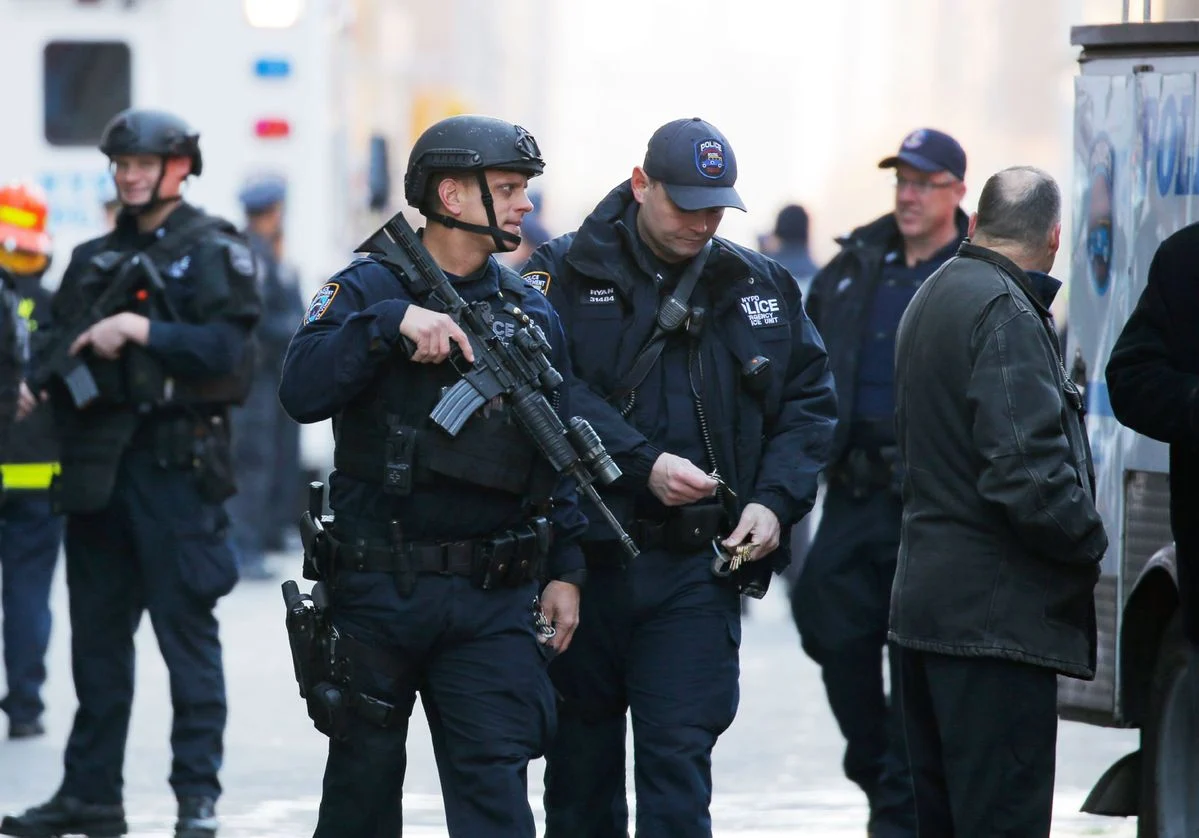
NEW YORK – A bustling Monday morning in Midtown Manhattan was abruptly shattered by an explosion near the New York Port Authority Bus Terminal, a major transit hub, sending shockwaves through the city and injuring four individuals. The incident, which occurred around 7:20 AM local time on December 11, 2017, involved an improvised explosive device detonated by a 27-year-old man identified as Akayed Ullah. While the blast caused minor injuries to three bystanders, the suspect sustained more serious wounds and was taken into custody by law enforcement.
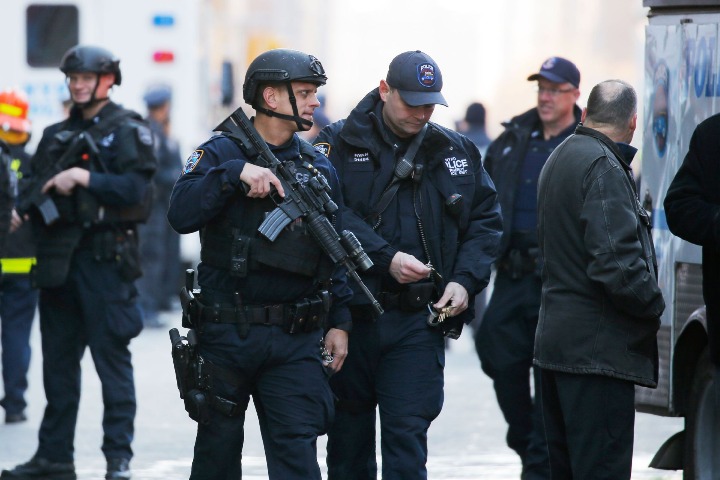
The explosion took place in a subterranean passageway connecting the Port Authority Bus Terminal and the Times Square subway station, a high-traffic area typically teeming with commuters, tourists, and early morning workers. The device, described by authorities as "low-tech" and attached to the suspect’s body, detonated as Ullah navigated the busy corridor. The immediate aftermath saw a swift and robust response from the New York City Police Department (NYPD) and other emergency services, who quickly secured the scene and initiated an investigation.
The Incident Unfolds: A Chronology of Events
The events of December 11, 2017, began as a typical start to the week for millions in New York City. However, the routine was violently interrupted at approximately 7:20 AM EST.
7:20 AM EST: An explosion is reported in a pedestrian tunnel beneath West 42nd Street, near the Port Authority Bus Terminal. Commuters and workers in the vicinity reported hearing a loud bang and seeing smoke.
Minutes Following the Explosion: NYPD officers, already present in significant numbers due to the busy transit hub and ongoing security measures, immediately responded to the scene. Emergency medical services were dispatched to tend to the injured.
Within the Hour: The area surrounding the Port Authority Bus Terminal, including the bus terminal itself, several subway lines, and surrounding streets, was cordoned off as a precautionary measure. This led to significant disruptions in public transportation and traffic.
Press Conference: New York City Police Commissioner James O’Neil held a press conference near the scene of the incident to provide initial details. He confirmed the explosion, identified the suspect as Akayed Ullah, and stated that four people, including the suspect, were injured. He also indicated that the device was an improvised explosive, attached to the suspect.
Ongoing Investigation: Detectives and federal agents from the FBI and Department of Homeland Security began a comprehensive investigation, collecting evidence from the scene and reviewing security footage. The suspect, Akayed Ullah, was taken into custody and transported to a local hospital for treatment of his injuries.
Public Appeal: Authorities appealed to the public for any information that might assist in their investigation.
The Suspect and the Device
The individual responsible for the blast was identified as Akayed Ullah, a 27-year-old man. Police Commissioner O’Neil confirmed that Ullah was apprehended at the scene and was in custody, receiving medical attention. While initial details about Ullah were scarce, subsequent reports and investigations began to paint a picture of his background and potential motivations.
The explosive device was described as an improvised explosive device (IED), a common term for homemade bombs. The fact that it was attached to Ullah’s person suggests it was intended to be a suicide attack or a device he could detonate remotely. The "low-tech" nature of the device indicated it was not a sophisticated piece of ordnance, but nonetheless capable of causing harm and significant disruption. The material composition of the IED was a key focus for bomb squads and forensic investigators to determine its origin and potential precursors.
The Victims: Injuries and Immediate Aftermath
Fortunately, the casualties of the explosion were relatively minor. Three individuals sustained injuries that were characterized as non-life-threatening. These injuries primarily included symptoms such as ringing in the ears (tinnitus), a common consequence of loud explosions, and headaches. The suspect, Akayed Ullah, suffered more severe injuries, though specific details were not immediately released by authorities.
The swift response of first responders was crucial in managing the immediate aftermath. Paramedics were on hand to provide aid to the injured, and the NYPD’s rapid deployment of officers ensured the scene was secured, preventing further harm and facilitating the commencement of the investigation. The disruption to the Port Authority Bus Terminal and nearby subway lines was substantial, impacting the daily commutes of thousands of New Yorkers.
Supporting Data and Context
The Port Authority Bus Terminal is one of the busiest bus terminals in the world, serving over 200,000 passengers daily and handling approximately 8,000 buses. Its strategic location in Midtown Manhattan, adjacent to Times Square, makes it a nexus of transportation and a prime target for any potential attacker seeking to maximize disruption and public impact.
The incident occurred in a city that has a long history of being a target for terrorist attacks, most notably the September 11, 2001, attacks. New York City has since implemented extensive security measures across its transportation infrastructure, including the Port Authority and its subway system, to mitigate such threats. The presence of security cameras throughout the transit system, as mentioned by Commissioner O’Neil, is a critical component of these security protocols, aiding in the immediate identification of suspects and the gathering of evidence.
The use of improvised explosive devices by individuals or small groups has been a recurring tactic in various extremist ideologies. Such devices, while often less sophisticated than those employed by organized terrorist groups, can be devastating and are a constant concern for law enforcement agencies globally.
Official Responses and Investigations
New York City Mayor Bill de Blasio, alongside Commissioner O’Neil, addressed the public shortly after the incident. Mayor de Blasio condemned the attack, stating, "This was an attempted terrorist attack." He emphasized the city’s resilience and its commitment to not allowing such acts to instill fear.
Federal agencies, including the FBI and the Department of Homeland Security, were quickly involved in the investigation, given the potential implications of terrorism. The FBI’s New York Field Office took the lead in the joint investigation with the NYPD. The focus of the investigation would involve:
- Forensic Analysis: Detailed examination of the explosive device to determine its components, origin, and any links to specific bomb-making techniques or materials.
- Witness Interviews: Gathering accounts from individuals who were present at the scene, including commuters and transit workers, to corroborate the timeline and provide further details about the suspect’s actions.
- Review of Surveillance Footage: Meticulous analysis of all available security camera footage from the Port Authority Bus Terminal, the subway system, and surrounding areas to reconstruct the suspect’s movements leading up to the explosion and to identify any potential accomplices.
- Background Checks and Intelligence Gathering: Investigating Akayed Ullah’s personal history, including his immigration status, employment, social media activity, and any known associations or affiliations that might shed light on his motivations and radicalization process.
The call for public assistance underscores the collaborative nature of modern counter-terrorism efforts, where citizen awareness and reporting are vital components in preventing and responding to threats.
Broader Impact and Implications
The explosion at the Port Authority Bus Terminal, while resulting in minor injuries, served as a stark reminder of the persistent threat of terrorism in major urban centers. The incident triggered immediate concerns about:
- Public Safety and Security: The attack prompted a review of security protocols at transportation hubs and a renewed focus on vigilance among the public. The NYPD and other law enforcement agencies would undoubtedly reassess their readiness and response capabilities.
- Counter-Terrorism Strategies: The investigation into Akayed Ullah’s background would likely inform ongoing counter-terrorism efforts, particularly concerning the radicalization of individuals and the methods used to detect and prevent lone-wolf attacks.
- Immigration and National Security: As reports emerged about Ullah’s immigration status, discussions surrounding immigration policies and their potential impact on national security were likely to intensify. The origin and pathways of individuals who carry out such attacks are often scrutinized in the context of broader security concerns.
- Resilience of New York City: New York City has a demonstrated history of resilience in the face of adversity. The immediate response from authorities and the general public’s composure in the hours and days following the incident underscored the city’s ability to recover and move forward, refusing to be cowed by acts of violence.
The incident at the Port Authority Bus Terminal was a significant event, highlighting the ongoing challenges of maintaining security in densely populated urban environments. The comprehensive investigation, the swift response of law enforcement, and the underlying strength of the city would be crucial in understanding the full scope of the event and in fortifying defenses against future threats. The focus would remain on meticulous investigation, intelligence gathering, and ensuring the safety and security of the millions who rely on the city’s vital transit infrastructure.


 Nana Wu
 Suro Senen