Ali Ikhwan
London, Britain, December 11, 2017 – A significant winter storm has brought the United Kingdom to a standstill, unleashing severe frost, treacherous icy roads, and widespread travel disruptions across large swathes of the country on Monday. Dubbed "Black Ice Monday" by local media, the extreme weather conditions have led to a cascade of cancelled flights, closed transport hubs, and a significant number of school closures, impacting hundreds of thousands of people. The Met Office has issued amber and yellow warnings, indicating the severity and potential longevity of the wintry conditions, which are expected to persist into Tuesday.
Widespread Travel Paralysis and Disruptions
The impact on transportation has been immediate and severe. Heathrow Airport, one of the world’s busiest international hubs, reported that a quarter of its flights were cancelled by Monday morning, with passengers facing significant delays and uncertainty. Similar disruptions were observed at other major airports, including Birmingham and Stansted, where flights were suspended altogether. Airports nationwide advised passengers to proactively check with their respective airlines for updates and to allow considerably more time for their journeys, a plea that many found impossible to heed given the scale of the cancellations.
The maritime sector also experienced significant disruption. The Port of Calais, a crucial gateway for freight and passenger traffic between Britain and mainland Europe, was forced to close due to the adverse weather. This closure has immediate implications for supply chains and cross-channel travel, potentially leading to delays in the delivery of goods and impacting the plans of thousands of travellers. Ferry services operating across the English Channel have also faced cancellations and severe delays, further exacerbating the isolation felt by some regions.
On the roads, the combination of heavy snowfall, subsequent freezing rain, and plummeting temperatures created extremely hazardous driving conditions. "Black ice," a thin, transparent layer of ice on roadways, has been a particular menace, rendering many surfaces deceptively smooth and treacherous. Highway England issued urgent advice to motorists, urging them to check weather forecasts meticulously before embarking on any journey. Drivers were also advised to be thoroughly prepared, carrying essential items such as warm clothing, food, drinks, and a torch, anticipating potential breakdowns or prolonged periods of being stranded. The RAC, a prominent breakdown assistance provider, reported a significant surge in call-outs, with their patrols working tirelessly to assist stranded motorists.
Educational Institutions Shut Down
The hazardous conditions have not spared the education sector. Hundreds of schools across the country were forced to close their doors on Monday, preventing tens of thousands of students from attending classes. This widespread closure highlights the severity of the weather and the inability of many local authorities and school administrators to guarantee the safety of students and staff travelling to and from educational facilities. For many families, these closures have necessitated last-minute childcare arrangements and disrupted work schedules.
Extreme Temperatures and Power Outages
The plummeting temperatures have added another layer of concern. In some rural areas, overnight temperatures dropped as low as -12 degrees Celsius, creating a harsh and potentially dangerous environment. The Met Office responded by issuing a yellow warning for ice, specifically targeting parts of central England and Wales, signaling a risk of further hazardous conditions.
The power infrastructure has also been severely tested by the storm. Power suppliers reported that over 140,000 homes lost electricity on Sunday, a consequence of the heavy snowfall and high winds that battered the country. While some power had been restored, several thousand homes remained cut off on Monday, facing the prospect of a cold and dark day without essential services. Utility companies have deployed additional engineers to address the widespread outages, but the challenging weather conditions are hampering repair efforts in many areas.
Timeline and Official Warnings
The adverse weather system began to impact the UK on Sunday, with the Met Office issuing an amber warning for snow that came into force at 4 am (UTC). This warning specifically affected Wales, the Midlands, and significant portions of northern and eastern England, indicating a high likelihood of disruption. The transition to Monday saw the intensification of these conditions, with the emergence of severe frost, icy roads, and continued snowfall, leading to the widespread "Black Ice Monday" disruptions.
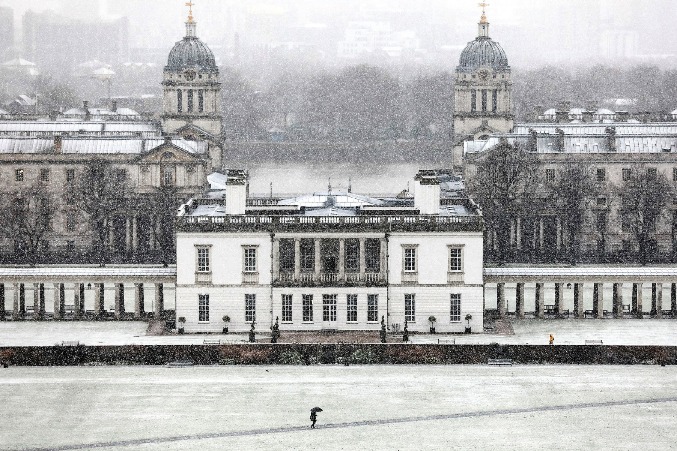
The Met Office has cautioned that the wintry conditions, characterized by snow and ice, are expected to persist across parts of the UK until Tuesday. This forecast suggests that the current travel disruptions and challenges are unlikely to abate in the immediate future, requiring continued vigilance and preparedness from the public and authorities alike.
Background Context: A Nation Under Snow’s Grip
This severe winter event is not an isolated incident but part of a broader pattern of increasingly unpredictable weather events, a phenomenon that scientists attribute to the broader impacts of climate change. While the UK experiences winter weather annually, the intensity and widespread nature of this particular storm, combined with its rapid onset, has caught many off guard.
Historically, the UK has experienced significant snowfall, with notable blizzards in years such as 1947, 1963, and more recently in 2009 and 2010. These events have often led to similar disruptions, highlighting the nation’s vulnerability to severe winter weather. However, the interconnectedness of modern society, with its reliance on global supply chains and complex transportation networks, means that the impact of such weather events can be amplified in the 21st century. The cancellation of flights at major international airports and the closure of vital ferry routes underscore this globalized vulnerability.
Official Responses and Public Advice
Government agencies and transport authorities have been working to manage the crisis. The Department for Transport has been in close contact with transport operators to monitor the situation and coordinate responses. Local authorities have been deploying gritters and snowploughs to clear major routes, but the sheer scale of the snowfall and the ongoing freezing temperatures have made this a challenging and often ongoing battle.
The National Police Chiefs’ Council has urged the public to exercise extreme caution and to only travel if absolutely necessary. They have emphasized that emergency services are facing increased demand and that non-essential travel could hinder their ability to respond to critical incidents.
Broader Impact and Implications
The immediate implications of this severe weather event are multifaceted. Economically, the disruption to travel and commerce will have a tangible impact. Lost working days, delayed deliveries, and cancellations of events will all contribute to economic losses. The cost of emergency response, including the deployment of snow-clearing equipment and the restoration of power, will also add to the financial burden.
Socially, the disruption affects the daily lives of millions. Families are separated, plans are ruined, and many individuals are facing significant inconvenience. The elderly and vulnerable populations are particularly at risk during periods of extreme cold and power outages, necessitating targeted support from local authorities and community groups.
Environmentally, while the snow itself is a natural phenomenon, the increased reliance on heating due to the cold temperatures will lead to a temporary surge in energy consumption. The long-term implications of such extreme weather events, however, are a stark reminder of the need for robust infrastructure and effective adaptation strategies in the face of a changing climate. The frequency and intensity of such events may well increase, requiring a proactive and resilient approach to national preparedness. The "Black Ice Monday" serves as a potent illustration of how a nation, despite its technological advancements, remains susceptible to the raw power of nature.


 Nana Wu
 Suro Senen