
 Suro Senen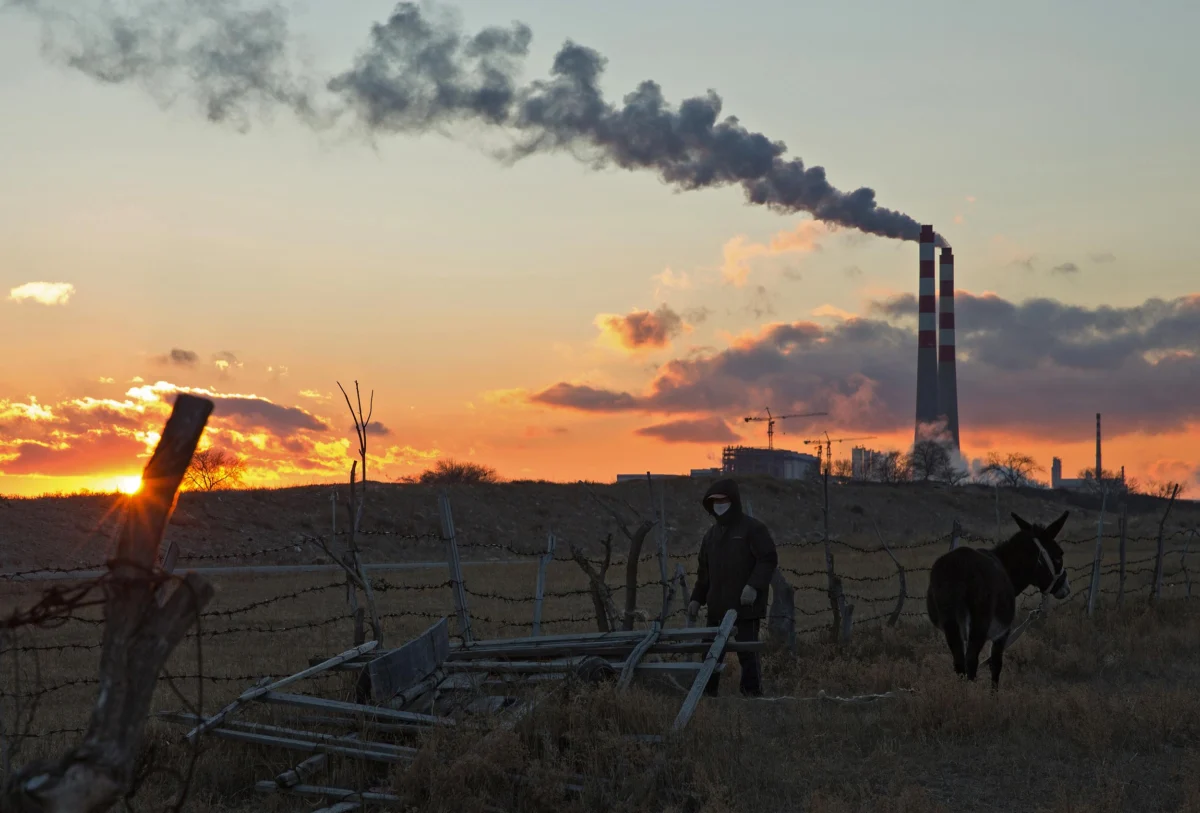
Beijing, China – In a landmark shift for the nation’s energy landscape, coal-fired power plants accounted for 49.7% of China’s total electricity output during the first six months of 2026. This development marks the first time the share of coal in the country’s power generation mix has fallen below the 50% threshold, signaling a significant turning point in China’s long-standing reliance on fossil fuels for its immense energy demands. The milestone underscores the accelerating momentum of renewable energy sources, particularly solar and wind power, in reshaping the nation’s approach to energy production and climate change mitigation.
The data, analyzed by Greenpeace East Asia, highlights a discernible trend of coal’s declining dominance. While this represents a crucial step forward, experts emphasize that the transition away from coal is far from complete. Gao Yuhe, Beijing-based project lead for Greenpeace East Asia, stated that while solar and wind power are playing a pivotal role in outcompeting and displacing coal, their current contribution to the overall electricity generation stands at 25%. This figure, though substantial, still leaves room for considerable growth and underscores the need for more ambitious targets to further accelerate the phasing out of coal.
The Gradual Decline of Coal: A Statistical Overview
For decades, coal has been the backbone of China’s rapid economic development, powering its burgeoning industries and illuminating its cities. However, mounting environmental concerns, including severe air pollution and China’s commitment to global climate targets, have prompted a strategic pivot towards cleaner energy alternatives. The first half of 2026’s statistics reflect the culmination of years of policy initiatives, significant investment in renewable technologies, and a growing public awareness of environmental issues.
The 49.7% figure represents a notable decrease from previous years. While precise historical data for every half-year period is not readily available in the provided snippet, general trends indicate a consistent downward trajectory. For instance, in 2020, coal still constituted over 60% of China’s power generation. By 2025, this figure had significantly reduced, and the latest data confirms the crossover point below 50% has now been achieved. This gradual but steady decline is a testament to the effectiveness of China’s renewable energy push.
Renewable Energy’s Ascendancy: Solar and Wind at the Forefront
The success in reducing coal’s share is intrinsically linked to the exponential growth of solar and wind power. These two renewable sources have become increasingly cost-competitive and technologically advanced, making them viable alternatives to traditional fossil fuels. The 25% contribution from solar and wind in the first half of 2026 is a substantial increase from just a decade ago, when their combined share was a fraction of this.
Greenpeace East Asia’s analysis points out that more aggressive targets for solar and wind generation would have a cascading effect, further diminishing coal’s economic viability. China’s current national target for wind and solar capacity by 2030 is set at 30% of total electricity generation. However, Gao Yuhe suggests that based on current growth trajectories, the nation could potentially achieve 33% by 2028. This optimistic projection implies that existing targets might be conservative and that China has the capacity to accelerate its renewable energy deployment even further. The implication of not setting stronger targets, according to the environmental organization, is that coal will continue to be a significant, albeit declining, part of the energy mix for a longer interim period.
The Crucial Role of Rooftop Solar and Energy Storage
Beyond utility-scale solar and wind farms, the report highlights two other critical sectors to monitor: rooftop solar installations and energy storage solutions. These technologies are poised to play an increasingly vital role in meeting China’s dynamic energy needs, particularly in densely populated and industrialized regions.
Rooftop Solar: The widespread adoption of rooftop solar panels on residential, commercial, and industrial buildings offers a decentralized approach to electricity generation. This not only reduces reliance on the centralized grid but also empowers consumers to become producers of their own energy. In provinces with high energy demand, especially along the eastern seaboard, rooftop solar can provide a significant portion of local electricity needs, thereby reducing the strain on the national grid and decreasing the demand for electricity generated from fossil fuels.
Energy Storage: The intermittency of renewable energy sources like solar and wind has historically been a challenge. However, advancements in battery technology and other energy storage solutions are rapidly addressing this issue. By storing excess renewable energy generated during peak production times and releasing it when demand is high or renewable output is low, energy storage systems ensure a stable and reliable power supply. In high-demand provinces, the strategic deployment of battery storage alongside rooftop solar can effectively meet peak electricity demand, further displacing the need for peaker plants, which are often powered by natural gas or even coal.
Broader Implications for China and the Global Climate Agenda
The dip below 50% for coal-fired power generation is more than just a statistical milestone; it carries profound implications for China’s economy, its environmental policies, and its global leadership on climate change.
Economic Diversification: A reduced reliance on coal can spur innovation and investment in the renewable energy sector, creating new jobs and driving economic growth in emerging green industries. This transition also mitigates the economic risks associated with volatile fossil fuel prices and the increasing costs of carbon emissions.
Environmental Benefits: The most immediate impact will be on air quality. A significant reduction in coal combustion will lead to cleaner air in urban centers, reducing respiratory illnesses and associated healthcare costs. Furthermore, lower carbon emissions are crucial for China to meet its climate commitments under the Paris Agreement and its ambitious goals of achieving carbon neutrality before 2060.
Global Energy Transition: As the world’s largest energy consumer and emitter, China’s energy transition has a ripple effect globally. Its success in scaling up renewables and reducing coal dependency can inspire and encourage other nations to accelerate their own clean energy efforts. This shift also influences global energy markets, driving down the costs of renewable technologies and making them more accessible worldwide.
Official Responses and Future Outlook
While the provided information focuses on Greenpeace East Asia’s analysis, it is reasonable to infer that government agencies and energy companies in China would be closely monitoring and responding to these developments. China’s National Energy Administration (NEA) has consistently emphasized its commitment to a cleaner energy future. Official statements in the past have often highlighted the nation’s progress in developing and deploying renewable energy, alongside efforts to improve the efficiency of existing coal power plants and to develop cleaner coal technologies.
The trend indicates a strong commitment from the Chinese government to its stated renewable energy goals. However, the continued reliance on coal for nearly half of the nation’s electricity output underscores the scale of the challenge. The coming years will be critical in determining the pace of this transition. The effectiveness of policies aimed at incentivizing rooftop solar and energy storage, coupled with the setting of more ambitious renewable energy targets, will be key determinants in whether China can fully capitalize on this momentum and accelerate its journey towards a low-carbon future. The nation’s ability to navigate this complex energy transformation will undoubtedly shape its economic trajectory and its role in addressing the global climate crisis for decades to come.
Looking Ahead: Challenges and Opportunities
Despite the positive trend, several challenges remain. Ensuring grid stability with a higher penetration of variable renewable sources will require continued investment in grid infrastructure and advanced energy management systems. The social and economic implications for coal-dependent regions and communities will also need careful management, with strategies for workforce retraining and economic diversification.
However, the opportunities presented by this energy transition are immense. China is strategically positioned to become a global leader in renewable energy technology manufacturing, deployment, and innovation. The continued focus on rooftop solar and energy storage, as highlighted by Greenpeace, represents a smart strategy to address both energy security and environmental sustainability at a local and national level. As the world grapples with the urgent need to decarbonize, China’s evolving energy landscape will remain a focal point of global attention and a crucial indicator of progress in the fight against climate change.


 Basiran
 Nana
Nana