Lina Hope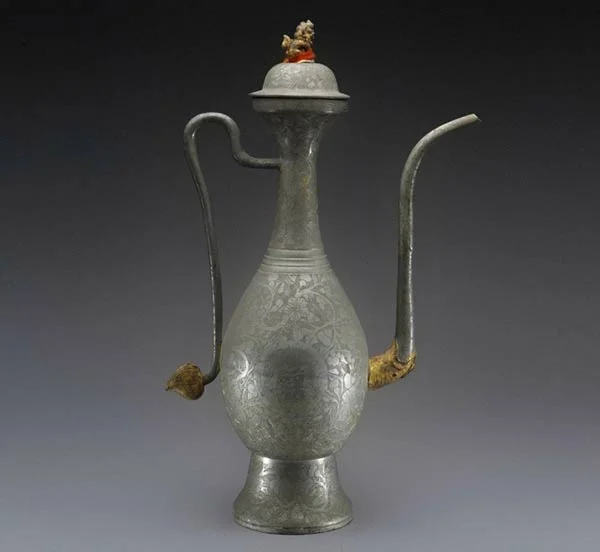
As the 21st solar term of the year, Major Snow, descends this Thursday, signaling a pronounced drop in temperatures and the onset of heavier snowfall, a sense of contemplative warmth pervades the air. This period, deeply ingrained in traditional Chinese culture, often evokes imagery of gathering around a hearth, perhaps with a warming cup of wine, to ward off the encroaching chill. In a fitting tribute to this ancient seasonal marker and the enduring cultural significance of wine in China, the Palace Museum in Beijing has delighted netizens by sharing a curated selection of its exquisite collection of wine vessels on the popular microblogging platform, Sina Weibo. This digital exhibition offers a fascinating glimpse into centuries of craftsmanship and the evolution of ceremonial and everyday practices surrounding the consumption of wine.
A Deep Dive into Ancient Chinese Wine Culture
The sharing of these artifacts by the Palace Museum is more than just a visual treat; it is an invitation to explore the rich tapestry of Chinese wine culture, which stretches back millennia. Wine, or jiǔ (酒) in Mandarin, has played a multifaceted role in Chinese society, from its use in religious rituals and dynastic ceremonies to its presence at feasts and in scholarly pursuits. The vessels themselves are not merely utilitarian objects but are often imbued with artistic merit, reflecting the aesthetic sensibilities and technological advancements of their respective eras.
The Palace Museum’s decision to highlight these wine vessels during the Major Snow solar term underscores the seasonal connection. While ancient Chinese wine was often brewed from grains like millet and rice, and its consumption could vary in intensity and purpose, the act of warming wine, as alluded to in the initial description, speaks to a timeless desire for comfort and conviviality during colder months. This tradition of nuán jiǔ (暖酒), or warming wine, is a practice that has been documented and enjoyed for centuries, providing a tangible link between the past and present.
Understanding Ancient Wine Vessels: The Gong and Beyond
The article highlights two key types of ancient wine vessels: the gong and the wine pot. Each offers unique insights into the history and function of wineware.
The Gong: A Symbol of Ritual and Status
The gong is described as an ancient wine vessel, typically shaped in the form of animals, and popular from the late Shang Dynasty (c. 16th century – 11th century BC) to the early Western Zhou Dynasty (c. 11th century – 771 BC). This period, the Bronze Age of China, was a time of immense cultural and technological development, particularly in bronze casting.
- Historical Context: The Shang and Western Zhou dynasties were characterized by complex hierarchical societies and elaborate ritualistic practices. Bronze vessels, including gong, were central to these rituals, often used for offerings to ancestors and deities, as well as for banquets attended by the ruling elite. The craftsmanship of these bronze pieces, often featuring intricate designs and symbolic motifs, reflects the immense skill of Shang and Zhou artisans.
- Symbolism: The animalistic forms of gong vessels were not merely decorative; they often carried symbolic meanings related to power, protection, and the natural world. Animals such as dragons, phoenixes, and mythical beasts were frequently depicted, connecting the user to spiritual forces and reinforcing their status.
- Material Significance: Bronze was a highly prized material during these dynasties, signifying wealth and power. The production of bronze required sophisticated metallurgical knowledge and considerable resources, making bronze vessels exclusive to the aristocracy and religious institutions.
- Chronological Significance: The prevalence of the gong during the Shang and early Western Zhou periods provides a valuable marker for understanding the evolution of ritualistic practices and ceramic traditions in ancient China. Its decline in popularity in later periods suggests shifts in ceremonial customs and artistic preferences.
The Wine Pot: Evolution of a Functional Vessel
The wine pot is described as a type of wine container usually featuring a long neck, a large belly, and round feet. While the article doesn’t specify its exact chronological range beyond the Qing Dynasty example, wine pots represent a more generalized category of wine-holding vessels that have existed in various forms throughout Chinese history.
- Functional Design: The long neck of a wine pot often served to regulate the flow of wine and to preserve its aroma. The large belly provided ample capacity, suitable for serving multiple individuals or for storing larger quantities. The round feet, while seemingly simple, would have provided stability on various surfaces.
- Material Diversity: Unlike the predominantly bronze gong of earlier eras, wine pots have been crafted from a wide array of materials throughout history, including pottery, porcelain, bronze, and even tin, as evidenced by the Qing Dynasty example. This diversity reflects advancements in material science, manufacturing techniques, and evolving aesthetic preferences.
- Qing Dynasty Example: The tin-made wine pot from the Qing Dynasty (1644-1911) offers a glimpse into later periods. Tin, while not as historically significant as bronze or porcelain for high-status ritual vessels, was used for everyday items and sometimes for more practical or decorative purposes. The Qing Dynasty was a period of extensive imperial patronage and sophisticated craftsmanship, and even utilitarian objects often displayed a high degree of artistry. The use of tin might suggest a vessel intended for more personal use or for specific types of beverages, perhaps even for warming wine directly on a stove, aligning with the initial premise of the article.
The Palace Museum’s Digital Outreach: A Modern Approach to Heritage Preservation
The Palace Museum, also known as the Forbidden City, is one of the world’s most significant cultural institutions, housing an unparalleled collection of Chinese imperial artifacts. Its decision to leverage social media platforms like Sina Weibo to showcase its holdings is a testament to its commitment to making cultural heritage accessible to a wider, global audience.
- Sina Weibo Engagement: Sina Weibo, with its vast user base, provides an ideal platform for disseminating information and fostering public interest in historical artifacts. The museum’s official Weibo account serves as a digital gallery, allowing individuals who may not have the opportunity to visit in person to engage with the collection.
- Educational Impact: By sharing images and contextual information about these wine vessels, the Palace Museum educates the public about ancient Chinese history, art, and culture. This digital exhibition not only celebrates the Major Snow solar term but also serves as a valuable educational resource, enriching understanding of the past.
- Preservation and Accessibility: In an era where digital access is increasingly paramount, this initiative contributes to the long-term preservation of cultural memory. By creating digital records and engaging the public, the museum ensures that these artifacts remain relevant and appreciated by future generations.
Supporting Data and Broader Context
The collection at the Palace Museum represents a significant portion of China’s tangible cultural heritage. While the specific number of wine vessels within the collection is not readily available, it is known to contain millions of artifacts spanning thousands of years of Chinese history. The artifacts shared on Weibo are likely selected for their historical significance, artistic merit, and relevance to the chosen theme.
- Chronological Span of Chinese Wine Consumption: Archaeological evidence suggests that the production and consumption of alcoholic beverages in China date back to the Neolithic period, over 9,000 years ago. Early forms of wine were likely fermented from fruits, honey, and grains. By the Shang Dynasty, the production of alcoholic beverages, often referred to as li (醴) or jiǔ, was well-established and played a significant role in social and religious life.
- Evolution of Wineware Materials: The materials used for wine vessels evolved dramatically over time. Early vessels were often made of pottery. The Shang and Zhou dynasties saw the ascendancy of bronze for ritualistic purposes. Later periods, particularly the Han Dynasty onwards, witnessed the widespread use of lacquerware and, most famously, porcelain, with its exquisite glazes and intricate designs.
- The Role of Wine in Ancient Chinese Society: Wine was not merely a beverage; it was intertwined with various aspects of life:
- Rituals and Ceremonies: As mentioned, wine was crucial in ancestral worship, sacrifices, and state ceremonies, often believed to facilitate communication with the divine.
- Social Gatherings and Feasts: Banquets and gatherings were common occasions for the consumption of wine, fostering social bonds and demonstrating hospitality.
- Intellectual and Artistic Pursuits: Wine was often associated with scholars, poets, and artists, inspiring creativity and intellectual discourse. Famous poets like Li Bai frequently wrote about the pleasures and inspirations derived from wine.
- Medicine and Health: In traditional Chinese medicine, wine was sometimes used for its perceived medicinal properties, often as a vehicle for herbal remedies.
Inferred Statements and Reactions
While no direct quotes are provided, one can infer the general sentiment among netizens engaging with the Palace Museum’s Weibo posts.
- Netizen Appreciation: It is highly probable that netizens expressed admiration for the beauty and historical significance of the wine vessels. Comments likely included praise for the craftsmanship, expressions of awe at the age of the artifacts, and appreciation for the opportunity to learn about their heritage. Phrases such as "stunning," "incredible," and "thank you for sharing" would likely be prevalent.
- Museum’s Internal Perspective: The Palace Museum, through this initiative, likely aims to foster a deeper connection with its audience, demonstrating that its vast collection is not just a static repository but a living testament to China’s rich past. The move signifies a proactive approach to cultural dissemination and engagement in the digital age. The success of such outreach can be measured by increased online engagement, public interest in visiting the museum, and a broader appreciation for Chinese history and art.
Analysis of Implications: Cultural Continuity and Digital Heritage
The Palace Museum’s initiative has several significant implications:
- Reinforcing Cultural Identity: By connecting ancient artifacts with contemporary seasonal observances, the museum strengthens the sense of cultural continuity. It reminds people that traditions, while evolving, are rooted in a deep historical past.
- Democratizing Access to Heritage: Social media platforms break down geographical and economic barriers, allowing anyone with internet access to experience elements of China’s imperial legacy. This democratization of heritage is crucial for fostering a shared sense of national pride and global cultural understanding.
- Advancing Digital Archiving and Education: Such digital exhibitions contribute to the ongoing effort of digitally archiving and making accessible vast museum collections. This not only aids researchers but also provides rich material for educational curricula, both formal and informal.
- Economic and Tourism Impact: Increased public interest generated through online platforms can translate into higher visitor numbers at the physical museum, boosting cultural tourism and supporting the local economy.
A Timeless Connection
As the Major Snow solar term unfolds, bringing with it the promise of winter’s embrace, the Palace Museum’s sharing of its ancient wine vessels serves as a poignant reminder of the enduring human desire for warmth, conviviality, and connection to our past. The intricate designs of a Shang Dynasty gong and the practical elegance of a Qing Dynasty wine pot, though separated by millennia, speak to a shared human experience. This digital exhibition is a testament to the Palace Museum’s role not only as a guardian of history but also as an active participant in shaping how that history is understood and appreciated in the 21st century, proving that even the coldest winter can be made warmer by the glow of heritage and the shared appreciation of timeless beauty.

 Asep Darmawan
 Rifan Muazin