Dwi Wanna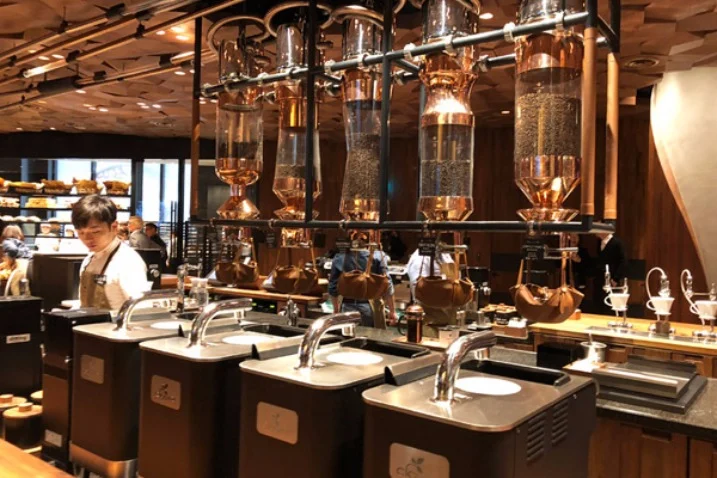
Despite the formidable advancements and widespread adoption of online shopping platforms in recent years, the intrinsic value and enduring appeal of the in-store shopping experience continue to assert their dominance within the global retail landscape. This sentiment underpins a growing consensus that online and offline retail channels are not mutually exclusive adversaries but rather synergistic partners, capable of coexisting and even cooperating to shape the future of consumer engagement. This strategic perspective has been vocally championed by industry leaders, including Victor Cha, the managing director and deputy chairman of HKR International Ltd., a prominent developer deeply invested in China’s evolving commercial real estate sector.
The Resilience of Brick-and-Mortar Amidst Digital Disruption
Cha’s assertion that "e-commerce indeed has made its strong impact towards physical retail, but brick-and-mortar stores are irreplaceable and continuing taking the lion’s share of retail sector" highlights a nuanced understanding of the market. While digital platforms offer unparalleled convenience and reach, physical spaces provide sensory engagement, immediate gratification, and social interaction that remain foundational to the human shopping experience. This perspective challenges the once-prevalent narrative of the "retail apocalypse," suggesting instead a transformation rather than an outright demise of physical stores.
Data from the Ministry of Commerce in China in 2016 underscored this balance, revealing that while online retail sales of physical goods reached a substantial 4.19 trillion yuan ($633.5 billion), marking a robust 25.6 percent year-on-year increase, they still constituted only 12.6 percent of the total retail value of all consumer goods purchased. This statistical snapshot indicated that the vast majority of consumer spending continued to occur in physical establishments, even as e-commerce experienced explosive growth. Further corroborating this trend, a survey by financial research firm Gordon Haskett indicated a persistent consumer preference for in-store purchases across a range of categories, particularly for experience-based goods such as groceries, household essentials, health and beauty products, pet supplies, and automotive items. The online realm, while strong in music, books, movies, and small appliances, had not yet fully captured the experiential segments.
The Rise of "New Retail" and the Experiential Imperative
The period between 2016 and 2018 marked a pivotal moment in China’s retail history, characterized by the emergence of the "New Retail" concept, famously coined by Alibaba founder Jack Ma. This paradigm advocated for the seamless integration of online, offline, logistics, and data across a single value chain. For developers like HKR International, this meant rethinking the fundamental purpose of shopping malls. "Shopping malls are no longer a place purely for shopping, but a one-stop experience provider for shopping, lifestyle and social," Cha articulated, emphasizing that "retailers have to either embrace this trend peacefully or be phased out." This shift demanded an evolution from mere transactional spaces to vibrant community hubs that offer diverse experiences, entertainment, and social interaction.
HKRI Taikoo Hui: A Blueprint for Future Retail
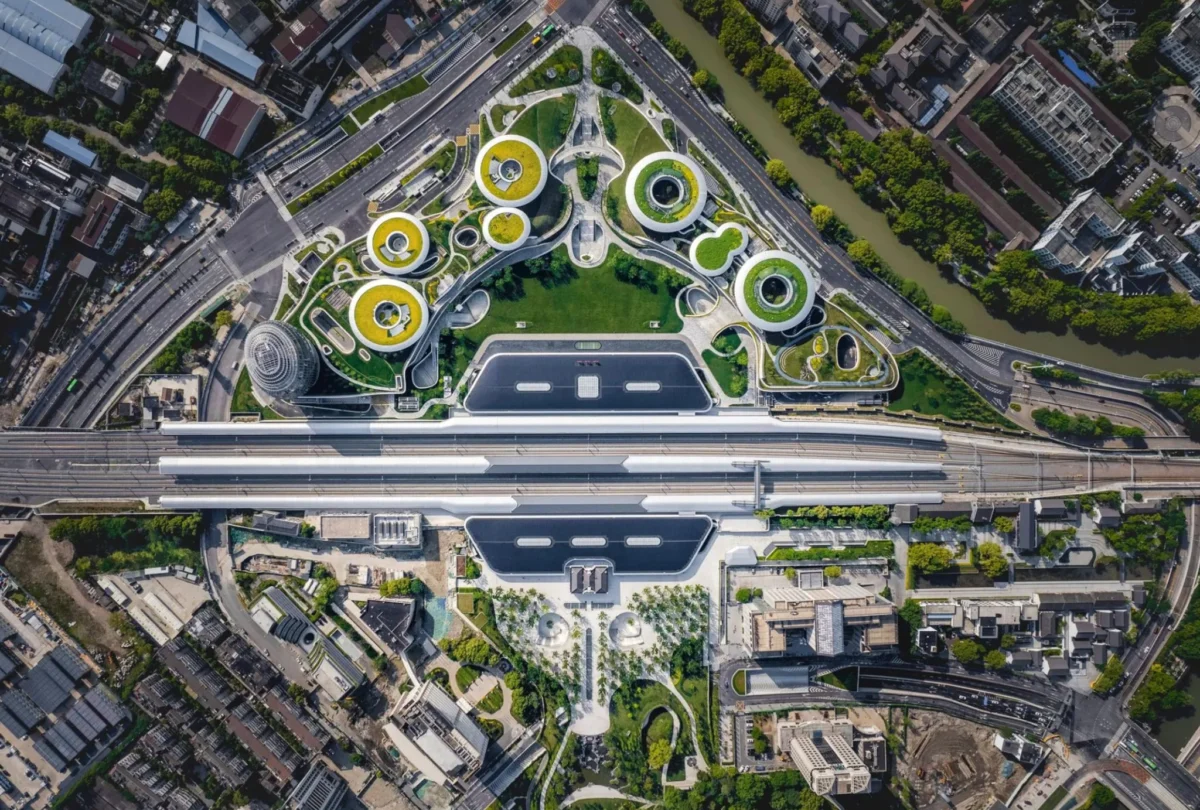
At the forefront of this experiential retail movement stands the HKRI Taikoo Hui, a monumental 322,000-square-meter commercial complex strategically located on Shanghai’s bustling West Nanjing Road. Officially opened in early November, this ambitious development represents an investment of up to 18 billion yuan (approximately $2.7 billion at 2017 exchange rates), symbolizing HKR International’s deep commitment to the Chinese market. The complex is not merely a shopping mall but a meticulously integrated urban ecosystem comprising a sprawling retail center, two luxury hotels, a premium serviced apartment building, and two state-of-the-art office towers. This multi-faceted design embodies the "one-stop experience" philosophy, aiming to cater to a broad spectrum of consumer needs, from daily shopping and leisure to hospitality and professional workspaces.
The project’s revenue projections for 2018 were ambitious, with HKR expecting it to generate revenue equivalent to two-thirds of 11 total projects of similar size, a testament to its anticipated impact. Cha attributed this optimistic outlook to several key differentiators: the innovative retail brands attracted to the mall, the deliberate interaction fostered between online and offline channels, and the sophisticated application of big data analytics to precisely understand the preferences and habits of their target customers.
A Curated Ecosystem: Differentiating Through Novelty
In a market saturated with homogenous shopping malls, often featuring identical luxury brand lineups, HKRI Taikoo Hui adopted a bold strategy of differentiation. Rather than chasing established global luxury giants like Louis Vuitton or Gucci, the mall meticulously curated a unique tenant mix designed to surprise and delight consumers. Among its approximately 250 diversified brands, a significant portion represented novel entries into the Chinese market. Eight brands made their China debut within HKRI Taikoo Hui, while 22 others opened their inaugural outlets in Shanghai. Furthermore, 15 brands established special concept stores, offering unique retail formats or limited-edition products designed specifically for this location.
This strategy was a direct response to the prevalent "sameness" in Shanghai’s retail landscape, as noted by Qi Xiaozhai, head of the Shanghai Society of Commercial Economy. "On average, more than 70 percent of the brands in Shanghai’s department stores and shopping malls are the same, so what brands the developer chooses will decide how successful it is," Qi observed. By prioritizing novelty and unique experiences, HKRI Taikoo Hui aimed to carve out a distinct identity and attract discerning consumers seeking fresh retail encounters.
The Starbucks Reserve Roastery: An Anchor of Experiential Retail
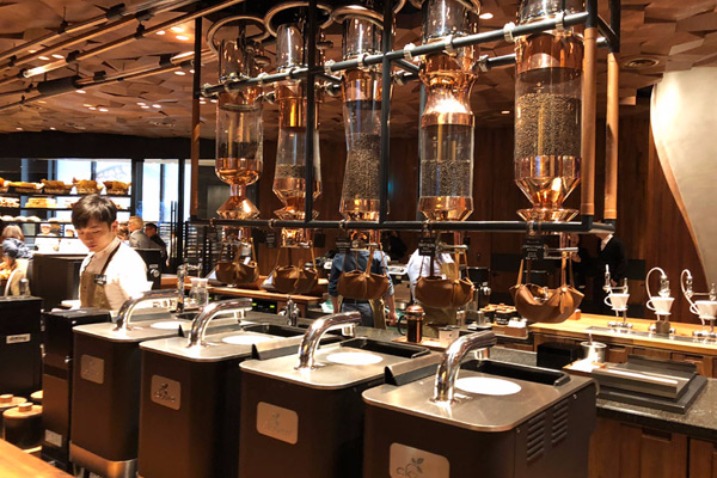
A prime example of HKRI Taikoo Hui’s commitment to experiential retail is its distinction as the location for the newly opened Starbucks Reserve Roastery in China. At the time, this was only the second such establishment globally, with the first being in Seattle, the home city of Starbucks’ headquarters. The Roastery is far more than a typical coffee shop; it is an immersive, multi-sensory destination where visitors can witness the entire coffee roasting process, participate in tasting experiences, and explore exclusive merchandise. This flagship store serves as a powerful magnet, drawing in vast numbers of consumers who seek not just a product, but an engaging and memorable experience. Its presence significantly elevates the mall’s profile, reinforcing its identity as a hub for innovative and unique lifestyle offerings.
The Convergence of Online and Offline: Data-Driven Strategies
The competitive landscape in China’s retail sector has been further intensified by the foray of major internet retailers like Alibaba and JD.com into the physical space. Leveraging their immense capital resources and unparalleled big data capabilities, these online giants are actively opening brick-and-mortar stores, blurring the lines between digital and physical commerce. In response, traditional retail operators are compelled to adopt state-of-the-art technologies to remain competitive. Cha emphasized this point, stating that the successful integration of online and offline interactions, coupled with the application of big data to analyze customer preferences, is crucial for survival and growth.
For HKRI Taikoo Hui, this means more than just having Wi-Fi or digital signage. It involves sophisticated analytics that track foot traffic, dwell times, purchase patterns, and even social media engagement within the complex. This data informs everything from tenant mix adjustments to marketing campaigns and personalized promotions, creating a more responsive and relevant shopping environment. The goal is to understand the customer journey comprehensively, whether it begins online with product research or offline with a spontaneous visit, and to ensure a seamless transition between these touchpoints.
HKR International’s Enduring Commitment to Mainland China
HKR International’s strategic focus on the Chinese mainland, particularly the vibrant Yangtze River Delta region, is a long-standing commitment. Over the 15 years leading up to the HKRI Taikoo Hui opening, the company had invested approximately 20 billion yuan (roughly $3 billion) into the mainland, accounting for nearly half of its total investment during that period. This substantial capital allocation underscores the company’s confidence in China’s economic trajectory and its burgeoning consumer market.
Victor Cha articulated the rationale behind this strategy, stating, "Our weighing in the Chinese mainland, especially in the Yangtze River Delta region, will continue to grow, as we are a Chinese company, and we will continuously look for real estate investment opportunities both in residential and commercial sectors, in line with the central government’s policies and strategies." This alignment with national policies and strategies is crucial in China’s market, signaling a deep understanding of the local economic and political landscape.
Furthermore, Cha highlighted the enduring demand for high-quality residential property, driven by the expanding middle class. "The Chinese people in the past two decades have generated abundant wealth; in regards to their strong attachment in buying property, high-quality residential property will continue to be sought after by the expanding middle class, and that is what we were doing for the past four decades and will continue to do in the coming four decades." This dual focus on both commercial and residential sectors positions HKR International to capitalize on China’s ongoing urbanization and the rising aspirations of its populace.
Broader Implications: The Future of Urban Retail and Consumer Behavior
The successful model demonstrated by HKRI Taikoo Hui has significant implications for the future of urban retail and consumer behavior in China and beyond. It signals a definitive shift from purely transactional retail to one centered on experiences, lifestyle, and community. This transformation impacts urban planning, as developers rethink how commercial spaces integrate with residential and cultural elements to create holistic urban environments.
The symbiotic relationship between online and offline channels, driven by data and technological innovation, is set to intensify. Consumers will increasingly expect seamless transitions between digital browsing and physical interaction, personalized recommendations, and efficient fulfillment options. Physical stores will evolve into showrooms, social hubs, and pick-up points, while online platforms will become personalized discovery engines and efficient transaction portals.
Moreover, the emphasis on unique, curated tenant mixes will push brands and retailers to innovate constantly, offering exclusive products, immersive experiences, and engaging customer service. This will foster a more dynamic and diverse retail landscape, moving away from the monotony of global brand replication.
Challenges remain, including the need for continuous innovation to stay ahead of evolving consumer tastes, managing complex data ecosystems, and navigating economic fluctuations. However, the success of projects like HKRI Taikoo Hui demonstrates that with strategic vision, substantial investment, and a deep understanding of consumer psychology, physical retail is not only resilient but poised for a new era of growth and relevance in the digital age. The future of retail in China, as epitomized by developments like HKRI Taikoo Hui, is a vibrant fusion of technology, experience, and community, where the physical and digital worlds converge to create unparalleled value for the modern consumer.

 Evan Lee Salim
 Suro Senen