 Muslim
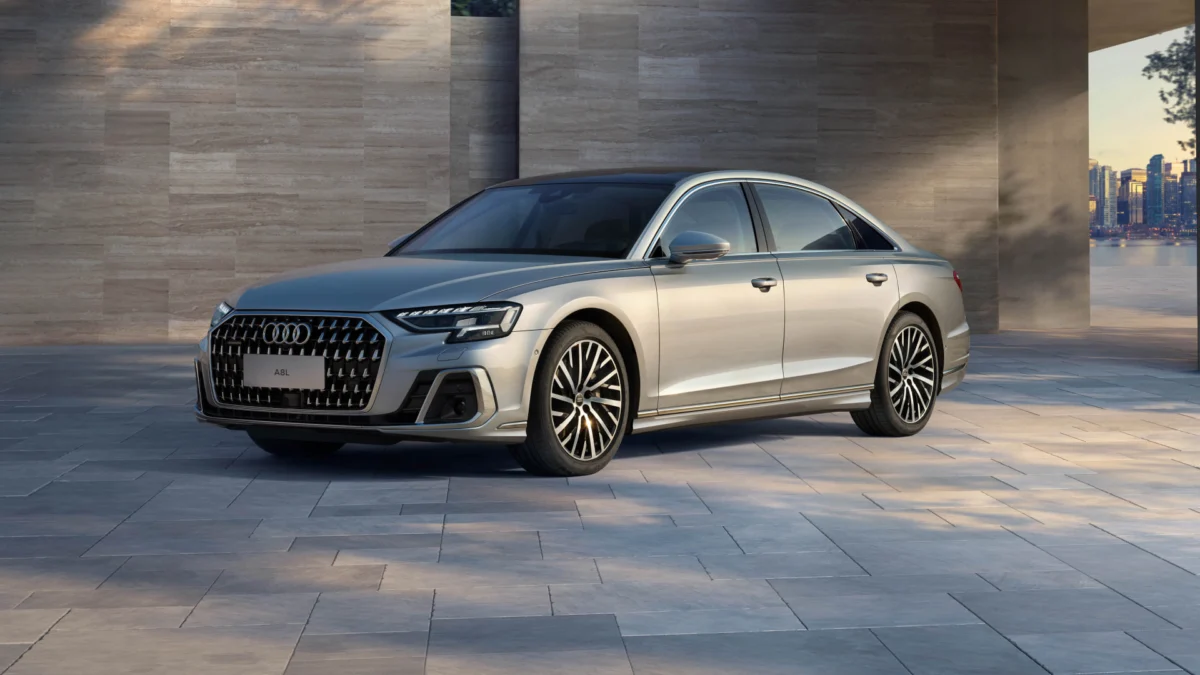
The German luxury automaker Audi is reportedly in advanced discussions with the Chinese technology giant Huawei to co-develop a China-specific version of its next-generation A8 flagship sedan, leveraging Huawei’s advanced vehicle architecture. This proposed collaboration extends beyond the A8, encompassing other premium vehicles, including an SUV, according to a report by Germany’s Manager Magazin. The strategic move aims to bolster Audi’s competitive standing in China’s rapidly evolving and increasingly localized premium-car market, with an ambitious target for initial production before the end of 2028 at Audi’s Changchun manufacturing operation. Crucially, the proposed models would be manufactured entirely in China, with significant development work, particularly related to intelligent systems and software architecture, provided by Huawei, rather than being imported from Germany. While an agreement has not yet been finalized, these discussions underscore a profound shift in how traditional Western automakers are seeking to navigate the unique challenges and opportunities presented by the world’s largest automotive market.
The Strategic Imperative: Audi’s Quest for Relevance in China
China has long been a cornerstone of profitability and volume for premium automakers like Audi. For decades, the German brand, a subsidiary of the Volkswagen Group, enjoyed immense success through its established joint ventures, particularly FAW-VW, cementing its status as a leading luxury choice for Chinese consumers. However, the landscape of the Chinese automotive market has undergone a seismic transformation in recent years, largely driven by the rapid electrification trend and the emergence of highly competitive domestic brands.
Chinese consumers, especially in the premium segment, are increasingly prioritizing advanced digital cockpits, sophisticated connectivity features, and cutting-edge autonomous driving capabilities – areas where local tech companies and nascent EV manufacturers have demonstrated remarkable agility and innovation. Brands like Nio, Xpeng, Li Auto, and Huawei-backed AITO have captured significant market share by integrating smart technologies seamlessly, often outpacing the software development cycles of traditional foreign OEMs. This shift has placed immense pressure on legacy automakers, who often struggle to adapt their global platforms and software stacks to the specific demands and rapid pace of the Chinese market.
Audi, despite its strong brand heritage, has not been immune to these pressures. While its internal combustion engine (ICE) models continue to perform well, its electric vehicle (EV) offerings have faced challenges in gaining significant traction against the domestic contenders. The brand’s initial EV strategy, largely based on global platforms and software developed by the Volkswagen Group’s Cariad unit, has encountered setbacks, including slower-than-expected software development and difficulties in tailoring features specifically for Chinese preferences. This perceived lag in "smart car" capabilities has led to a gradual erosion of competitive advantage in a market where software-defined vehicles are becoming the new standard.
Huawei’s Ascendancy in Automotive Technology
Huawei, a global technology behemoth, has strategically pivoted its vast R&D capabilities towards the automotive sector, positioning itself not as a direct car manufacturer (though its AITO brand is a notable exception in partnership with Seres) but as a crucial technology provider for the intelligent automobile era. Banned from many Western telecom markets due to geopolitical tensions, Huawei has channeled its immense resources into developing advanced solutions for smart cockpits, intelligent driving systems, connectivity modules, and core electronic and electrical (E/E) architectures.
Huawei’s "Intelligent Automotive Solution Business Unit" (IAS BU) offers a comprehensive suite of products and services, ranging from computing platforms and operating systems to lidar, radar, and vision sensing solutions. Its "HarmonyOS" operating system has been adapted for automotive applications, offering a highly integrated and user-friendly digital experience. The company’s "DriveONE" electric drive system and "ADS" (Autonomous Driving Solution) are also gaining recognition. This technological prowess makes Huawei an attractive partner for automakers seeking to accelerate their transition into the software-defined vehicle era, particularly those looking to localize their offerings for the discerning Chinese market.
The Proposed Partnership: A Deep Dive into the Collaboration
The discussions between Audi and Huawei signify a potential partnership far more profound than a simple component supply agreement. The Manager Magazin report suggests Huawei would contribute its "vehicle architecture" for the next-generation A8. This term is critical, implying a much deeper integration that could involve:
- E/E Architecture: Huawei’s expertise in developing robust and scalable electronic and electrical architectures could form the backbone of the new A8, enabling seamless integration of advanced sensors, computing platforms, and connectivity modules. This is a fundamental layer that dictates a vehicle’s intelligence and upgradeability.
- Smart Cockpit Solutions: Leveraging HarmonyOS or similar platforms, Huawei could provide the entire infotainment system, user interface, digital instrument cluster, and connectivity services, tailored to Chinese consumer preferences for rich multimedia, seamless smartphone integration, and advanced voice assistants.
- Intelligent Driving Systems: While Audi would retain responsibility for core driving dynamics and safety, Huawei’s ADS could provide the software and hardware stack for advanced driver-assistance systems (ADAS) and potentially higher levels of autonomous driving capabilities specifically optimized for Chinese road conditions and regulatory frameworks.
- Cloud Services and Data Management: Huawei’s cloud infrastructure could support over-the-air (OTA) updates, data analytics, and connected car services, which are increasingly vital for modern vehicles.
The decision to manufacture the proposed A8 and other premium vehicles directly in China, rather than importing them, carries significant implications. Local production not only bypasses import tariffs and reduces logistical complexities but also allows for greater flexibility in design and engineering to meet local market demands more rapidly. Audi’s Changchun plant, part of its long-standing FAW-VW joint venture, would be the likely beneficiary, potentially seeing significant investment in new production lines and technologies to accommodate the Huawei-powered models. This strategy aligns with the broader trend of "in China, for China" that many multinational corporations are adopting to remain competitive.
Chronology and Broader Context within the Volkswagen Group
The potential Audi-Huawei partnership does not exist in a vacuum but rather within the broader strategic recalibration of the Volkswagen Group’s approach to China.
- Early 2020s: Volkswagen, like many traditional OEMs, begins to acknowledge the accelerating pace of digital innovation in China and the growing gap in software capabilities compared to local players. The Cariad software unit is established to consolidate and accelerate the group’s software development.
- 2021-2022: Initial EV launches from Volkswagen Group in China, such as the Audi e-tron models and VW ID. series, receive mixed reviews, with software performance often cited as a weakness compared to local competitors. This highlights the urgent need for localized software solutions.
- July 2023: Volkswagen Group announces a significant partnership with Chinese EV maker XPeng, investing $700 million to acquire a 4.99% stake. The agreement involves co-developing two new VW-branded electric models for the Chinese market, utilizing XPeng’s G9 platform and software. This move signals a willingness by VW to license advanced Chinese EV technology to accelerate its offerings.
- August 2023: Volkswagen acquires a 60% stake in Horizon Robotics, a leading Chinese provider of computing platforms for autonomous driving. This further demonstrates VW’s strategy to deepen its engagement with local technology partners for critical components.
- Late 2023: Reports emerge about Audi’s ongoing challenges with its own EV development roadmap and software integration, particularly within the Cariad framework, leading to a more aggressive pursuit of external partnerships for the Chinese market. The discussions with Huawei are understood to have intensified during this period, reflecting a recognition that a "global-first" approach to software may not suffice for China.
These developments illustrate a clear strategic trajectory for the Volkswagen Group: decentralizing certain aspects of R&D, embracing local expertise, and forging deep partnerships with Chinese tech and automotive companies to stay competitive in the world’s most dynamic auto market. The Audi-Huawei talks represent a logical, albeit highly significant, extension of this strategy into the premium segment.
Supporting Data and Market Dynamics
The urgency behind Audi’s potential move is underscored by compelling market data:
- China’s Automotive Market Size: China has been the world’s largest automotive market for over a decade, with annual sales frequently exceeding 25 million units. The premium segment, though smaller in volume, is highly lucrative and represents a significant portion of global profits for brands like Audi, BMW, and Mercedes-Benz.
- EV Dominance: China leads the world in EV adoption. In 2023, new energy vehicle (NEV) sales (including BEVs and PHEVs) accounted for approximately 35.7% of all new vehicle sales, reaching over 9.49 million units. This share is projected to grow further, indicating that future growth in the premium segment will overwhelmingly be driven by EVs.
- Rise of Domestic Brands: Chinese domestic brands have rapidly gained market share, especially in the EV sector. In 2023, Chinese brands accounted for over 50% of the passenger vehicle market share, up from less than 40% a few years prior. In the EV segment, this dominance is even more pronounced, with local players like BYD, Nio, Xpeng, and AITO consistently outperforming many foreign brands in sales.
- Software as a Differentiator: A recent McKinsey study highlighted that Chinese consumers place a significantly higher value on advanced connectivity, digital services, and intelligent driving features compared to their counterparts in other major markets. They are also more willing to pay a premium for these "smart" features. This explains why foreign OEMs, often slower in software iteration, are struggling to resonate.
- Premium EV Landscape: While Mercedes-Benz and BMW have introduced electric models in China, their market penetration in the premium EV segment lags behind domestic offerings. Audi’s sales of its e-tron models have been modest, underscoring the brand’s challenge to translate its ICE legacy into EV success.
Potential Implications and Broader Impact
Should the Audi-Huawei agreement materialize, its implications would be far-reaching, impacting not only the two companies but also the broader automotive industry and geopolitical landscape.
For Audi and the Volkswagen Group:
- Market Rejuvenation: The partnership could provide Audi with a much-needed injection of cutting-edge software and E/E architecture, significantly accelerating its ability to offer competitive "smart car" features tailored for China. This could help regain lost ground in the premium EV segment and reinforce its brand image as technologically advanced.
- Accelerated Development: Leveraging Huawei’s established tech stack and agile development processes could drastically reduce Audi’s time-to-market for new, intelligent vehicles, circumventing some of the challenges faced by its internal software unit, Cariad.
- Brand Perception Risk: A potential drawback is the risk of diluting Audi’s long-standing premium brand image, which is built on German engineering, luxury, and driving dynamics. Associating too closely with a tech company, especially one facing geopolitical scrutiny, could be perceived differently by consumers in various markets.
- IP and Data Security Concerns: Deep collaboration with a Chinese tech giant like Huawei necessitates robust frameworks for intellectual property protection and data security, especially given increasing scrutiny from Western governments regarding data flows and technology transfer.
- Geopolitical Sensitivities: The partnership could draw attention from regulators and policymakers in Europe and the United States, given Huawei’s designation on various restricted entity lists. This could complicate Audi’s global operations or necessitate careful communication strategies.
For Huawei:
- Validation and Expansion: Securing a partnership with a globally recognized premium automotive brand like Audi would be a significant validation of Huawei’s automotive technology solutions. It would elevate its standing as a credible and advanced supplier, potentially opening doors for collaborations with other international OEMs.
- Revenue Diversification: Further solidifying its position in the automotive sector helps Huawei diversify its revenue streams away from traditional telecom equipment, which has been impacted by sanctions.
- Ecosystem Growth: The collaboration would expand Huawei’s automotive ecosystem, fostering greater adoption of its HarmonyOS, ADS, and other platforms within the industry.
- Internal Competition: Huawei’s close involvement with the AITO brand could lead to perceived conflicts of interest or questions about the differentiation of its offerings to partners versus its own-brand collaborations.
Broader Industry Impact:
- A New Blueprint for Collaboration: This partnership could serve as a template for other traditional foreign OEMs struggling in China, demonstrating that deep collaboration with local tech powerhouses is a viable path to market relevance. It signals a move beyond traditional joint ventures to more integrated technological alliances.
- Shifting Value Chain: The deal reinforces the ongoing shift in the automotive value chain, where software and intelligent systems providers are gaining increasing influence, potentially challenging the long-held dominance of traditional automakers in vehicle development.
- "China-First" Development: It highlights a growing trend where global automakers are increasingly developing vehicles specifically "for China, in China," with localized R&D, design, and manufacturing capabilities, rather than merely adapting global models.
- Geopolitical Ramifications: The collaboration between a leading German automaker and a prominent Chinese tech company could intensify debates around technological interdependence, supply chain resilience, and national security in an era of escalating geopolitical tensions.
Official Responses and Outlook
As of now, neither Audi nor Huawei has officially confirmed the advanced nature of these discussions. Public statements are likely to be cautious, emphasizing ongoing dialogues and exploration of various strategic options to strengthen their respective positions in the Chinese market. Audi would likely reiterate its commitment to localization and innovation in China, while Huawei would stress its role as an enabler of intelligent vehicles for the entire industry.
The potential Audi-Huawei partnership represents a pivotal moment for both companies and the wider automotive industry. For Audi, it is a bold and perhaps necessary gamble to reclaim its competitive edge in a market that is fundamentally reshaping the future of mobility. For Huawei, it is a significant step towards solidifying its vision of becoming the leading technology provider for the intelligent vehicle era. The outcome of these negotiations will undoubtedly be closely watched as a bellwether for how global and local players navigate the complex, technology-driven future of automotive manufacturing.


 Rifan Muazin

 Neng Nana