Jia Lissa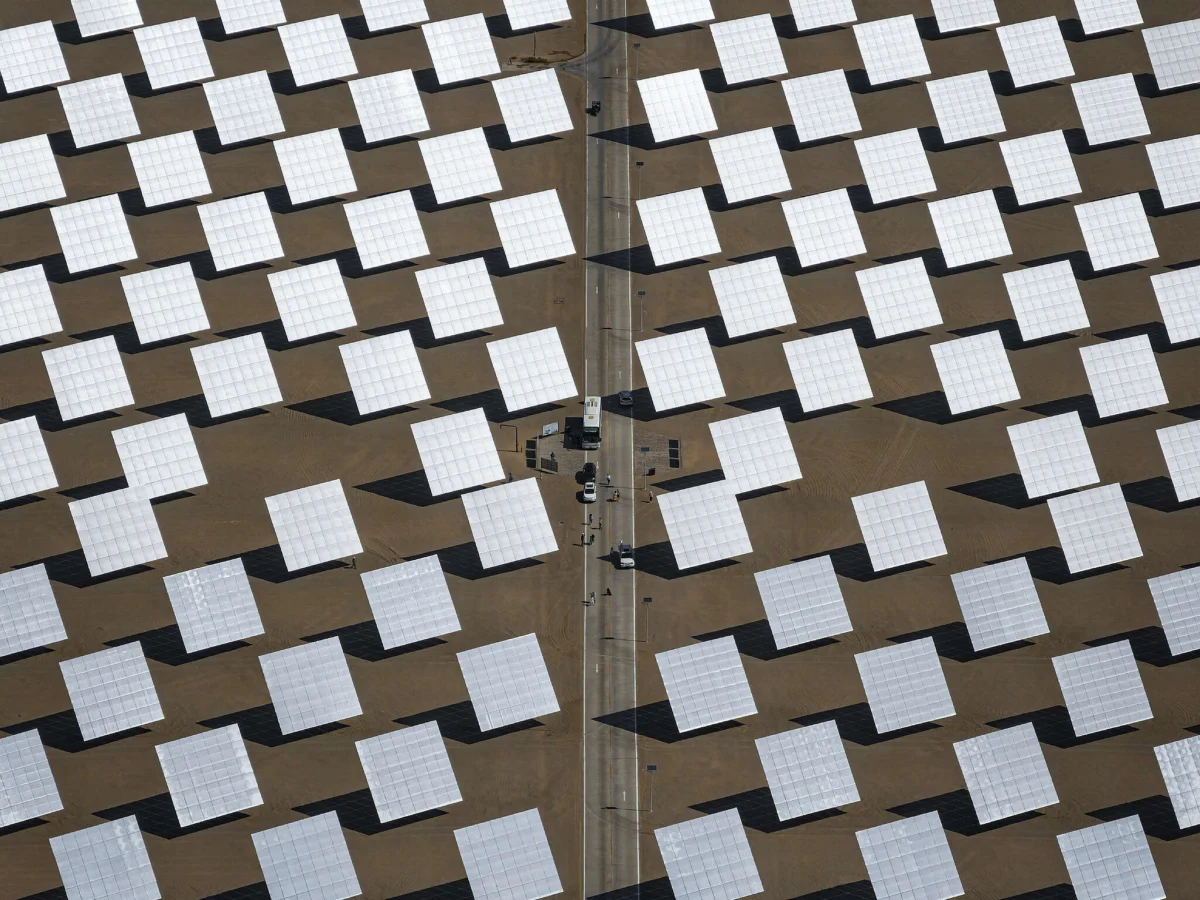
China’s burgeoning data center sector, a critical engine for its digital economy and the rapidly expanding field of artificial intelligence, is navigating a complex path towards renewable energy consumption. While significant progress is being made by leading tech companies in greening their vast electricity needs, the unprecedented demand spurred by AI presents a formidable challenge. A recent report by Greenpeace East Asia, titled "Clean Cloud 2026," reveals a mixed but ultimately hopeful picture, highlighting both the strides made and the persistent hurdles that must be overcome to achieve a truly sustainable digital future.
The Accelerating Demand for Green Energy in China’s Digital Infrastructure
The sheer scale of China’s digital infrastructure is staggering. As of 2023, the country hosts one of the largest numbers of data centers globally, a figure that has seen exponential growth over the past decade. This expansion is directly linked to the escalating demand for cloud computing services, which power everything from e-commerce platforms and social media networks to advanced scientific research and, increasingly, AI development. The energy footprint of these facilities is immense, making their transition to renewable sources a paramount concern for environmental sustainability.
Greenpeace East Asia’s latest analysis, which meticulously examined the electricity consumption patterns of 25 prominent Chinese tech companies involved in cloud computing and data center operations, indicates a positive trend. The report, a culmination of a decade-long "Clean Cloud" campaign, found that both the total volume of renewable energy utilized and the percentage of overall electricity consumption derived from renewables are on an upward trajectory for many of these companies. This growth has persisted even in the face of the recent AI-driven surge in data center construction.
However, the exact impact of this transition on overall emissions reduction remains somewhat opaque. The Greenpeace report acknowledges that its findings are based on publicly available disclosures. Tech companies typically provide aggregate energy use and emissions data, often without granular breakdowns specific to their data center operations. This lack of detailed, facility-level reporting makes it challenging to precisely quantify the actual energy consumption and its corresponding environmental impact. This data gap underscores the ongoing need for greater transparency and more comprehensive reporting from the industry.
The AI Data Center Boom: A Double-Edged Sword
The advent of advanced AI technologies has ushered in a new era of unprecedented computational power demands. Large Language Models (LLMs) and sophisticated AI algorithms require massive amounts of energy for training and operation, leading to a significant increase in the electricity consumption of data centers. This surge poses a critical juncture for China’s green energy ambitions.
While the demand for electricity is soaring, so too is the impetus for companies to meet ambitious climate targets. China’s national commitment to achieving carbon neutrality by 2060 and peaking emissions before 2030 provides a strong policy framework. This has translated into significant pressure on tech firms to accelerate their adoption of renewable energy.
The Greenpeace report highlights that some major Chinese tech companies are responding proactively by investing heavily in large-scale, utility-grade renewable energy projects, particularly solar and wind farms. These investments are often coupled with long-term power purchase agreements (PPAs). These PPAs are crucial for securing stable, predictable supplies of renewable energy, a vital element for the continuous operation of data centers. The strategic placement of new data centers in regions with abundant renewable energy capacity further exemplifies this synergistic approach.
A Timeline of Progress and Persistent Challenges
Greenpeace East Asia’s engagement with China’s data center sector dates back nearly a decade, with the "Clean Cloud" campaign actively advocating for data centers to achieve operational carbon neutrality by at least 2030. When the campaign began, the computational demands of AI were not as pronounced as they are today. However, the fundamental objective remains the same: to ensure that China’s data centers are powered entirely by renewable energy sources by the critical 2030 deadline.
Key Milestones and Trends:
- Early 2010s: Growing awareness of the environmental impact of the digital sector, including data centers. Initial calls for energy efficiency and the exploration of renewable energy sources.
- Mid-2010s: Greenpeace East Asia launches its "Clean Cloud" campaign, focusing on increasing transparency and advocating for renewable energy adoption by Chinese tech companies. Early reports highlight the significant energy consumption of data centers.
- Late 2010s: Increased corporate commitments to sustainability emerge, with some companies beginning to invest in or procure renewable energy. Policy frameworks around energy efficiency and emissions reduction start to take shape in China.
- Early 2020s: The rapid rise of AI intensifies data center energy demand. Greenpeace’s research indicates continued growth in renewable energy use among leading companies, even amidst this boom. The "Clean Cloud 2026" report is published, offering a comprehensive assessment.
- Present and Near Future (2024-2030): Continued focus on achieving 100% renewable energy for data centers. Addressing supply chain emissions and the embodied carbon of construction materials become increasingly critical. International expansion of Chinese tech companies brings new challenges.
Despite the positive trajectory, progress is not uniform across the industry. The Greenpeace report notes that some companies lag behind, either showing minimal advancement in their renewable energy adoption or providing very limited public information. This disparity underscores the need for continued advocacy and regulatory oversight.

Government Mandates and Industry Synergies
The Chinese government plays a pivotal role in shaping the energy landscape for its tech sector. State-level policies have been instrumental in fostering a symbiotic relationship between the growth of computing capacity, particularly for AI, and the expansion of renewable energy infrastructure. Beijing’s "net zero" targets create a powerful incentive for companies to align their operations with national climate goals.
This policy direction has led to a situation where local governments are increasingly proactive in attracting cloud computing providers and data center operators by offering favorable terms, including long-term access to renewable energy sources. These incentives are designed to stimulate economic growth while simultaneously advancing the nation’s environmental agenda.
However, the practical implementation of these initiatives presents technical complexities. Ensuring that the increased demand from data centers is effectively met by the expansion and integration of renewable energy capacity requires sophisticated planning and coordination. While the intention is clear, the actual results in terms of companies’ overall climate impact will require ongoing scrutiny.
Deeper Dives: Supply Chains and Embodied Carbon
The Greenpeace report emphasizes that achieving true sustainability extends beyond direct electricity consumption. A crucial aspect is the decarbonization of the entire value chain, including the energy used by companies within the tech industry’s complex supply chains.
While corporate disclosures on energy sourcing have improved significantly since the inception of the "Clean Cloud" campaign, transparency remains a work in progress. The current level of disclosure, though better, highlights the urgent need for more robust action. Tech companies are being urged to set explicit targets for reducing supply chain emissions. This could involve supporting rented data centers, which often form a significant part of a company’s infrastructure, to transition to renewable energy sources.
Furthermore, the report draws attention to the often-overlooked environmental impact of data center construction itself. The materials used in building these massive facilities, particularly steel and cement, are highly carbon-intensive. This "embodied carbon" footprint must be addressed. Sourcing low-carbon alternatives for construction materials, such as low-carbon steel, can significantly mitigate this aspect of environmental impact.
Global Reach, Global Responsibility
As Chinese tech giants like Alibaba Cloud, GDS, and ByteDance increasingly expand their operations internationally, investing in computing capacity across Southeast Asia, the Middle East, and Latin America, they encounter a diverse array of energy policies, environmental regulations, and socio-cultural contexts. This global expansion presents a new set of challenges for achieving their climate targets.
Operating in different regions requires an understanding of local energy grids, renewable energy availability, and regulatory frameworks. The success of Chinese tech companies in meeting their sustainability goals will depend on their ability to adapt their strategies to these varied environments. The implications of this global AI data center boom are far-reaching, and continuous monitoring of the climate impact of these tech giants, both within China and beyond its borders, is essential. The transition to a green digital future is not merely a national endeavor but a global imperative.
The path forward for China’s data center industry is one of ambitious goals, significant investment, and persistent challenges. The growing reliance on AI underscores the urgency of accelerating the transition to 100% renewable energy. While the "Clean Cloud 2026" report by Greenpeace East Asia paints a picture of progress, it also serves as a critical reminder that sustained effort, enhanced transparency, and a holistic approach encompassing supply chains and embodied carbon are vital to truly "light the future" with clean, sustainable energy. The coming years will be crucial in determining whether China’s digital infrastructure can power innovation without compromising the planet.

 Dwi Wanna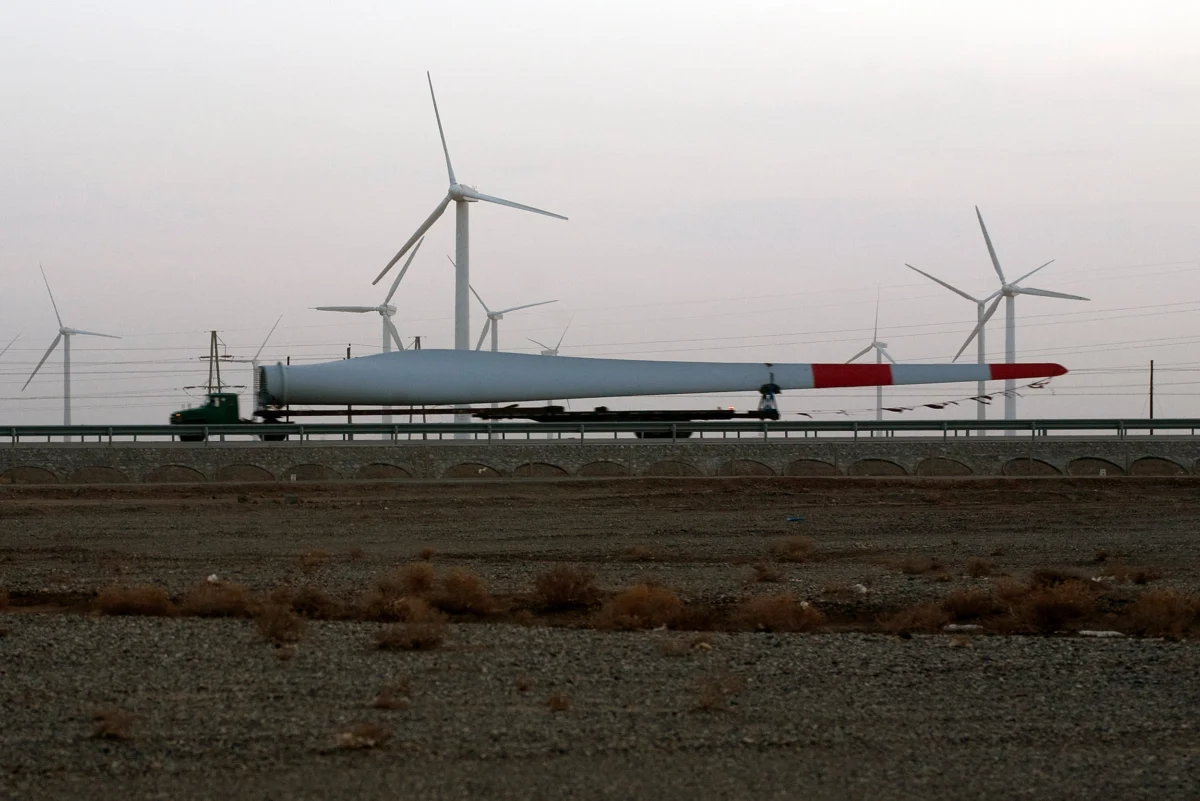
 Evan Lee Salim