Evan Lee Salim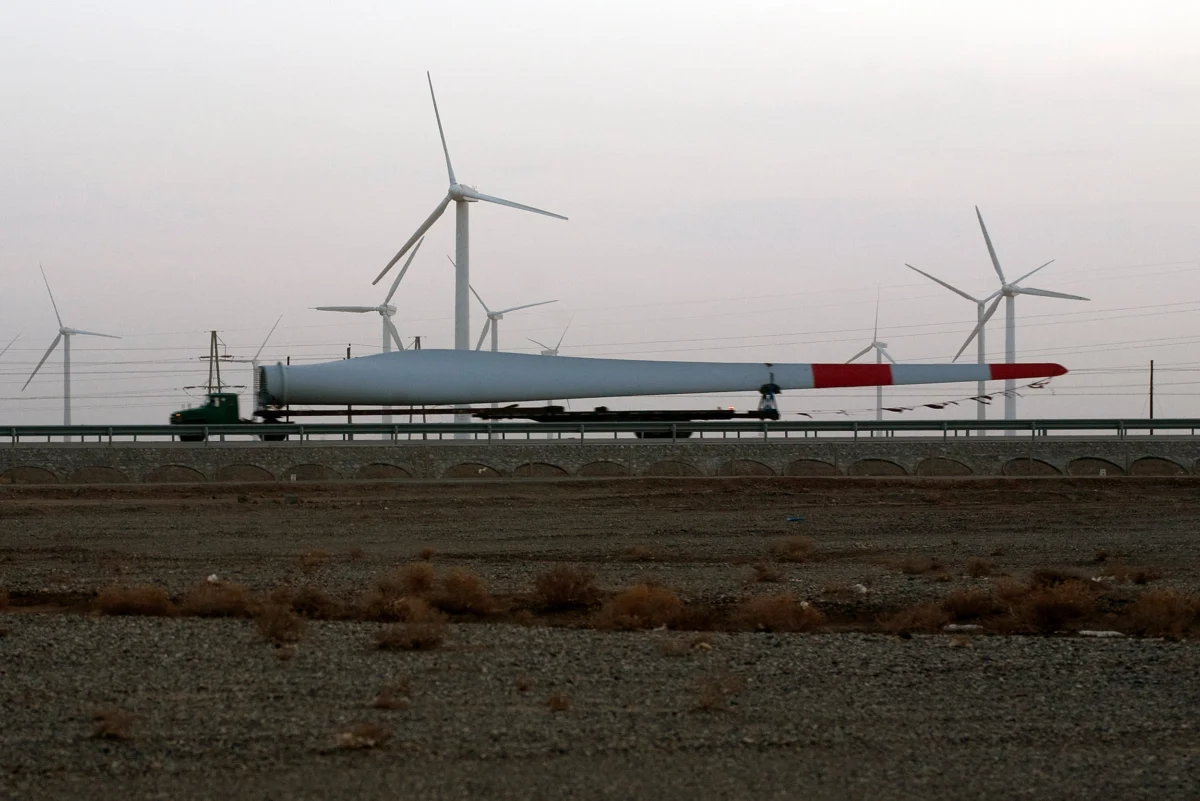
Beijing, China – The China Electricity Council has unveiled its comprehensive "China’s Electrical Development Annual Report 2026," revealing the nation’s profound and increasingly influential role in the global shift towards electrification. The report, released on September 22, indicates that China has been the primary engine driving the worldwide increase in electrification rates since 2015, accounting for an astonishing 80% of this global surge. By 2025, China’s own electrification rate had reached approximately 29.5%, a significant milestone that underscores its domestic progress and its capacity to influence international trends. This trajectory is poised to be a central theme at upcoming climate negotiations, with COP31 expected to feature ambitious electrification targets, including a push for a 35% global electrification rate by 2035.
China’s Electrification Surge: A Global Powerhouse
The "China’s Electrical Development Annual Report 2026" paints a compelling picture of China’s ascent as a leader in the global energy transition. The report’s finding that China has been responsible for 80% of the global increase in electrification rates since 2015 is a staggering statistic, signifying the magnitude of the nation’s efforts and their far-reaching impact. This dominance is not merely a result of domestic policy and investment but also a testament to China’s burgeoning export of clean energy technologies.
Key Findings from the Report:
- Global Electrification Driver: China has accounted for 80% of the global increase in electrification rates since 2015.
- Domestic Electrification Rate: China’s electrification rate reached approximately 29.5% in 2025.
- Future Targets: International climate negotiations, particularly at COP31, are likely to focus on ambitious electrification goals, with proposals for a 35% global electrification rate by 2035.
Context of the Report’s Release:
The release of this report comes at a critical juncture in global climate action. As the world grapples with the escalating impacts of climate change, the transition to cleaner energy sources and increased electrification of key sectors, such as transportation and industry, are paramount. China’s role, as highlighted by the report, is not just significant but foundational to achieving these global objectives. The report’s findings are particularly relevant as nations prepare for high-level climate discussions, where the pace and scale of electrification will be a key determinant of success in meeting Paris Agreement targets.
Greenpeace East Asia: China’s Evolving Global Role
Liu Junyan, Deputy Program Director for Greenpeace East Asia based in Beijing, offered a nuanced perspective on China’s expanding influence in the global electrification movement. She emphasized that China’s impact is multifaceted, extending beyond its domestic achievements to encompass its growing role as a supplier of clean technologies and a shaper of international norms.
A Deep Dive into China’s Global Impact:
"China’s total impact on the global transition towards electrification is only beginning," Liu stated. "The core of impact since 2015 here has been China’s own domestic electrification. But China’s increased export of clean tech like batteries and electric vehicles along with solar components are a major driver in electrification globally. This is also reaching a tipping point as Chinese clean tech enterprises increasingly go overseas to set up manufacturing and value chains, not just export. China in many ways is engineering global electrification."
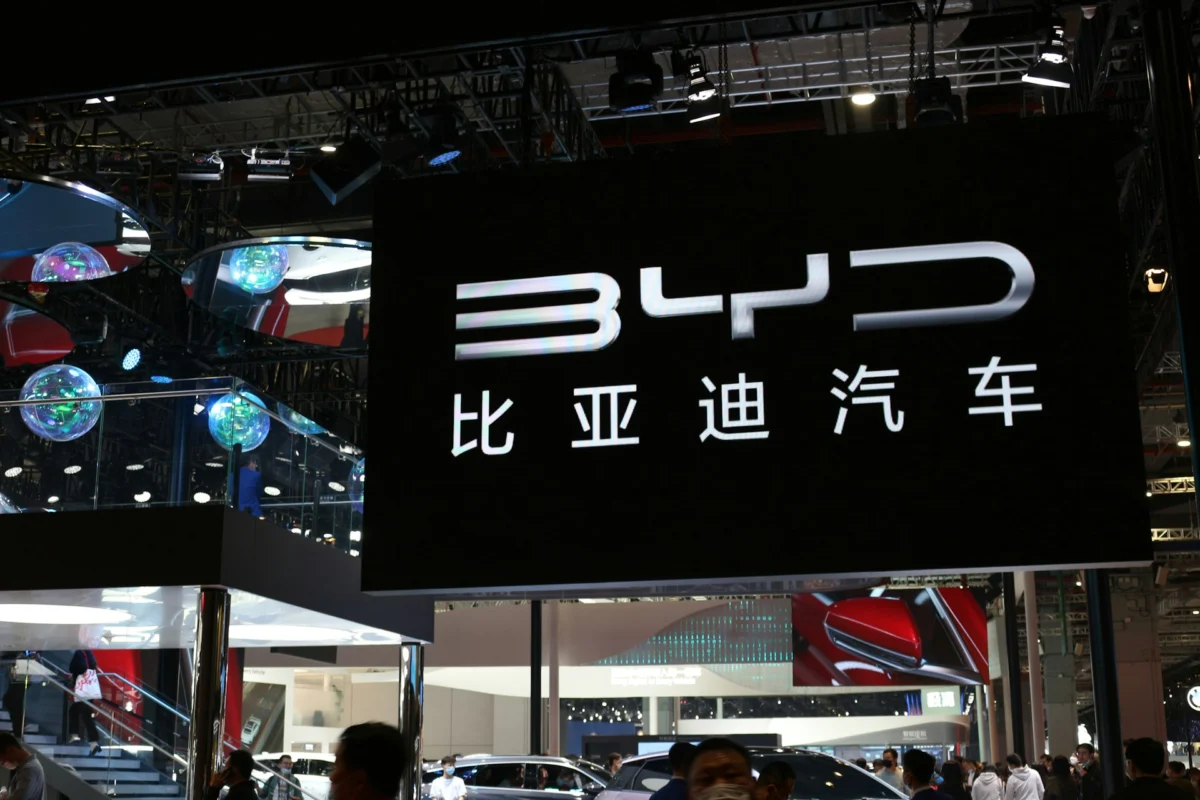
This assertion highlights a crucial shift: China is moving from being solely a manufacturing hub to actively participating in the establishment of global clean energy infrastructure. The export of electric vehicles (EVs), solar panels, and advanced battery technology has democratized access to these technologies, enabling other nations to accelerate their own electrification efforts. This outward expansion is not limited to product sales; Chinese companies are increasingly establishing manufacturing facilities and research and development centers in other countries, integrating into local economies and supply chains.
The Need for Responsible Global Expansion:
Liu Junyan also underscored the critical responsibility that accompanies China’s global leadership. "But this transition is also one where China shifts into a more rule-making role internationally," she noted. "And Chinese solar, battery, and electric vehicle enterprises going abroad critically must be vectors for strengthening environmental regulation, just transitions, and the social co-benefits of these technologies’ deployment."
This points to the imperative for Chinese companies operating overseas to adhere to, and ideally exceed, the environmental and social standards of their host countries. As these companies become integral parts of foreign economies, their practices will directly influence local communities and ecosystems. The call for "just transitions" acknowledges the need to ensure that the benefits of electrification are shared equitably and that no communities are left behind or disproportionately burdened by the energy shift.
"Regulation of these industries is strengthening in China," Liu added. "As Chinese companies invest overseas, and access markets and resources, they need to create the same or even stronger protections for communities and ecosystems abroad." This highlights a growing expectation for China to export not only its technological prowess but also its evolving regulatory framework for environmental protection and sustainable development.
Electrification at COP31: A Global Imperative
The upcoming COP31 climate summit is set to place electrification at the forefront of international discussions. The report’s mention of a potential target for a 35% global electrification rate by 2035 underscores the urgency and ambition required to address the climate crisis effectively.
The Role of Electrification in Climate Negotiations:
Electrification is widely recognized as a cornerstone strategy for decarbonizing economies. By replacing fossil fuel-dependent systems with electric alternatives powered by renewable energy, nations can significantly reduce greenhouse gas emissions. This includes electrifying transportation through EVs, heating and cooling systems in buildings, and industrial processes.
The proposed 35% global electrification target by 2035 signifies a collective recognition that a rapid and widespread transition is necessary. Achieving such a target would require substantial investments in renewable energy generation, grid modernization, and the deployment of electric technologies across all sectors.
China’s Dual Role at COP31:
Liu Junyan outlined China’s expected engagement at COP31, emphasizing a two-pronged approach:
"Electrification will be a core focus in the discussions at COP31, and China’s work will be on two levels. Domestically, China needs to make progress in phasing out fossil fuels so wind and solar realize the true benefits of this electrification groundwork now in place. Internationally, China will need to actively support other countries, especially in the Global South, to realize electrification goals."
This statement highlights the critical need for China to continue its domestic transition away from coal and other fossil fuels. While China has made remarkable strides in renewable energy deployment, a complete phase-out of fossil fuels is essential to fully leverage its investments in electrification and achieve net-zero emissions.
Furthermore, China’s commitment to supporting the Global South in their electrification efforts is crucial. Many developing nations face significant challenges in accessing capital, technology, and expertise needed for a clean energy transition. China’s experience and its growing capabilities in clean technology make it a potential key partner in enabling these countries to leapfrog to sustainable energy systems. This support could take the form of financial aid, technology transfer, capacity building, and the development of joint ventures.
Broader Implications and Future Outlook
The findings of the "China’s Electrical Development Annual Report 2026" and the insights from Greenpeace East Asia carry significant implications for the global energy landscape and international climate diplomacy.
Supporting Data and Trends:
While the provided text does not contain specific numerical data beyond the electrification rates, it is worth noting the broader context of global trends in renewable energy and electric vehicles. The International Energy Agency (IEA) has consistently reported significant growth in solar PV installations worldwide, with China leading the way in both manufacturing and deployment. Similarly, the global EV market has experienced exponential growth, driven by technological advancements, declining battery costs, and supportive government policies, with China being the largest EV market globally.
- Renewable Energy Growth: Global renewable energy capacity, particularly solar and wind, has surged in recent years. China has been instrumental in this growth, not only in its own installations but also through its dominance in manufacturing solar panels and wind turbines. For instance, in 2023, China accounted for over 80% of global solar PV manufacturing capacity and a significant portion of wind turbine production.
- Electric Vehicle Adoption: The global electric vehicle market has seen rapid expansion. China’s domestic EV market is the world’s largest, accounting for over half of all global EV sales. This rapid adoption has been supported by government incentives, a robust charging infrastructure, and the availability of a wide range of EV models.
- Battery Technology: China is also a global leader in battery manufacturing, particularly for lithium-ion batteries used in EVs and energy storage. This dominance in the battery supply chain is crucial for the continued growth of electrification globally.
Analysis of Implications:
China’s dominant role in electrification presents both opportunities and challenges. On one hand, its technological leadership and manufacturing scale can accelerate the global transition to clean energy, making technologies more affordable and accessible. This is particularly vital for developing nations that are seeking to modernize their energy systems and achieve sustainable development goals.
On the other hand, the concentration of manufacturing and supply chains in China raises concerns about geopolitical dependencies and supply chain resilience for other nations. As highlighted by Liu Junyan, the expansion of Chinese companies overseas must be accompanied by robust environmental and social safeguards. Ensuring that these companies uphold high standards in their international operations is crucial for the equitable and sustainable deployment of electrification.
The push for international rule-making by China in this sector is a significant development. It signifies a shift in global power dynamics and presents an opportunity for China to shape the future of energy governance. This also necessitates robust engagement from other nations and international organizations to ensure that these rules are inclusive, effective, and aligned with global climate objectives.
Fact-Based Analysis:
The report’s assertion of China’s 80% contribution to the global increase in electrification rates since 2015 can be understood through several lenses:
- Scale of Domestic Deployment: China’s massive domestic market has absorbed enormous quantities of solar panels, wind turbines, and electric vehicles, driving down costs through economies of scale. This has made these technologies more affordable globally.
- Export Dominance: Chinese manufacturers have become the primary global suppliers of many key electrification components. This means that the deployment of these technologies in other countries is heavily reliant on Chinese production.
- Investment in R&D: Significant Chinese investment in research and development has led to continuous innovation and improvement in clean energy technologies, further enhancing their attractiveness and competitiveness.
The potential target of 35% global electrification by 2035, if achieved, would represent a substantial acceleration of the current pace. This would require a coordinated global effort, with significant policy support, investment, and technological advancements. China’s continued leadership, coupled with its willingness to support other nations, will be critical to achieving such ambitious goals.
Conclusion
The "China’s Electrical Development Annual Report 2026" serves as a pivotal document, illuminating China’s central role in the global electrification revolution. From its dominant contribution to the increase in global electrification rates to its growing influence in shaping international clean energy markets, China’s impact is undeniable. As the world looks towards crucial climate negotiations like COP31, the report’s findings, coupled with the insights from organizations like Greenpeace East Asia, underscore the need for responsible, equitable, and sustainable expansion of electrification worldwide. China’s journey in this domain is not just a national story but a narrative that will significantly shape the global response to climate change for decades to come.
For media enquiries please contact:
August Rick, Greenpeace East Asia, Beijing, [email protected]
Greenpeace International Press Desk, [email protected], +31 20 718 2470 (24 hours)


 Laily UPN
 Ammar Sabilarrohman