Dwi Wanna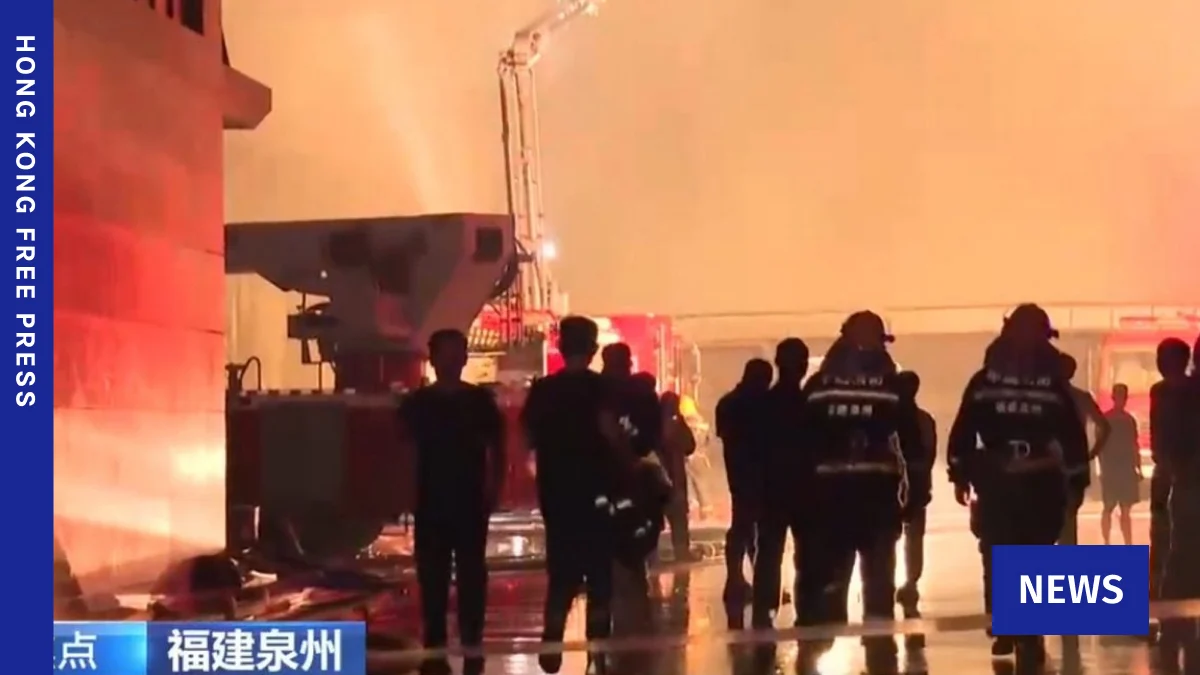
The tragic incident unfolded at the Huiteng Shoes factory around noon local time (0400 GMT), quickly escalating into a fierce blaze that trapped numerous workers within the multi-storey building. As thick black smoke billowed from broken windows, images broadcast by state television CCTV depicted desperate scenes, with some individuals seeking refuge near windows and on the building’s roof as flames consumed the lower floors. The scale of the disaster immediately triggered a significant deployment of emergency services, with firefighters employing multiple hoses to douse the facade and interior, racing against time amidst fears that many more were still unaccounted for inside the burning structure.
Immediate Aftermath and Presidential Directives

Hours after the fire ignited, the grim reality began to emerge as preliminary reports confirmed a significant loss of life. President Xi Jinping promptly addressed the calamity, acknowledging the "heavy human losses" and issuing stern directives for a thorough and swift investigation. State news agency Xinhua later confirmed the initial death toll of 28. President Xi emphasized the critical importance of identifying the accident’s cause without delay and ensuring "those responsible must be strictly held accountable." This swift and decisive response from the highest levels of government underscored the severity of the incident and China’s commitment to industrial safety, particularly in the wake of a series of recent high-profile accidents.
In an immediate move reflecting the seriousness of the situation, authorities detained the company owner and several other individuals associated with Huiteng Shoes. Furthermore, the company’s financial accounts were frozen, a standard procedure in major industrial accident investigations in China, designed to prevent asset stripping and ensure resources are available for potential compensation and penalties. The emergency management ministry called for "all-out" efforts, not only to extinguish the remaining flames but also to conduct exhaustive searches for trapped survivors and provide urgent medical care to the injured. Reports from Xinhua indicated that some individuals remained "out of contact," intensifying the urgency of the rescue operations. CCTV reported that 237 factory workers and two delivery personnel were present at the time of the blaze, with 213 successfully evacuated. The discrepancy between the number evacuated and the preliminary death toll highlighted the chaotic nature of the event and the challenges in accounting for everyone amidst the devastation.
Challenges in Combating the Blaze

The structural and material characteristics of the Huiteng Shoes factory presented significant challenges to the hundreds of firefighters on the scene. Jinjiang city fire chief Du Zhenzhou explained to state media that his personnel faced immense difficulties accessing the upper levels of the burning building. This was primarily due to stairwells and exits being "blocked with shoe materials," a common, albeit dangerous, practice in many factories where storage space is maximized, often at the expense of safety protocols.
Adding to the complexity and danger, Chief Du highlighted that the adhesives and other raw materials integral to shoe manufacturing acted as significant accelerants, fueling the fire and contributing to its rapid spread and intensity. Shoe factories typically utilize a range of highly flammable substances, including various glues (often solvent-based, containing volatile organic compounds like toluene, acetone, and methyl ethyl ketone), synthetic rubbers, polyurethane foams, plastics, fabrics, and large quantities of cardboard and other packaging materials. When ignited, these materials produce dense, toxic smoke and release significant heat, making firefighting operations extremely hazardous and reducing the chances of survival for those trapped inside. The presence of such combustible materials in blocked passageways created a deadly environment, severely hampering evacuation routes and rescue efforts.
Jinjiang: A Global Footwear Production Powerhouse

The location of the tragedy, Jinjiang, is not merely a regional industrial center but a globally significant hub for footwear production. According to the state-run Global Times, Jinjiang is renowned as "China’s Footwear Capital" and a critical center for the manufacturing of athletic footwear, supplying a substantial portion of the world’s leading brands. The city boasts thousands of shoe manufacturers, ranging from small workshops to large-scale enterprises, contributing significantly to China’s overall manufacturing output and global export market. This high concentration of factories, often operating under intense production pressures, underscores the potential for widespread implications stemming from a major industrial accident like this.
The industry in Jinjiang is a cornerstone of the local economy, employing hundreds of thousands of people. The competitive nature of global manufacturing, coupled with the drive for efficiency and cost reduction, can sometimes lead to compromises in safety standards, a concern frequently raised by labor rights groups and safety advocates. The Huiteng Shoes factory, like many others in the region, likely played a role in this extensive supply chain, and the incident will undoubtedly cast a spotlight on safety practices across the entire sector.
China’s Industrial Safety Record and Ongoing Challenges

President Xi Jinping’s remarks, noting "several major industrial safety accidents" in China so far this year, place the Jinjiang fire within a broader, troubling context. While China has made significant strides in improving industrial safety over the past two decades, particularly in comparison to the early 2000s when accidents were even more frequent and catastrophic, challenges persist. Rapid industrialization, combined with vast numbers of factories and sometimes inconsistent enforcement of regulations, continues to result in deadly incidents.
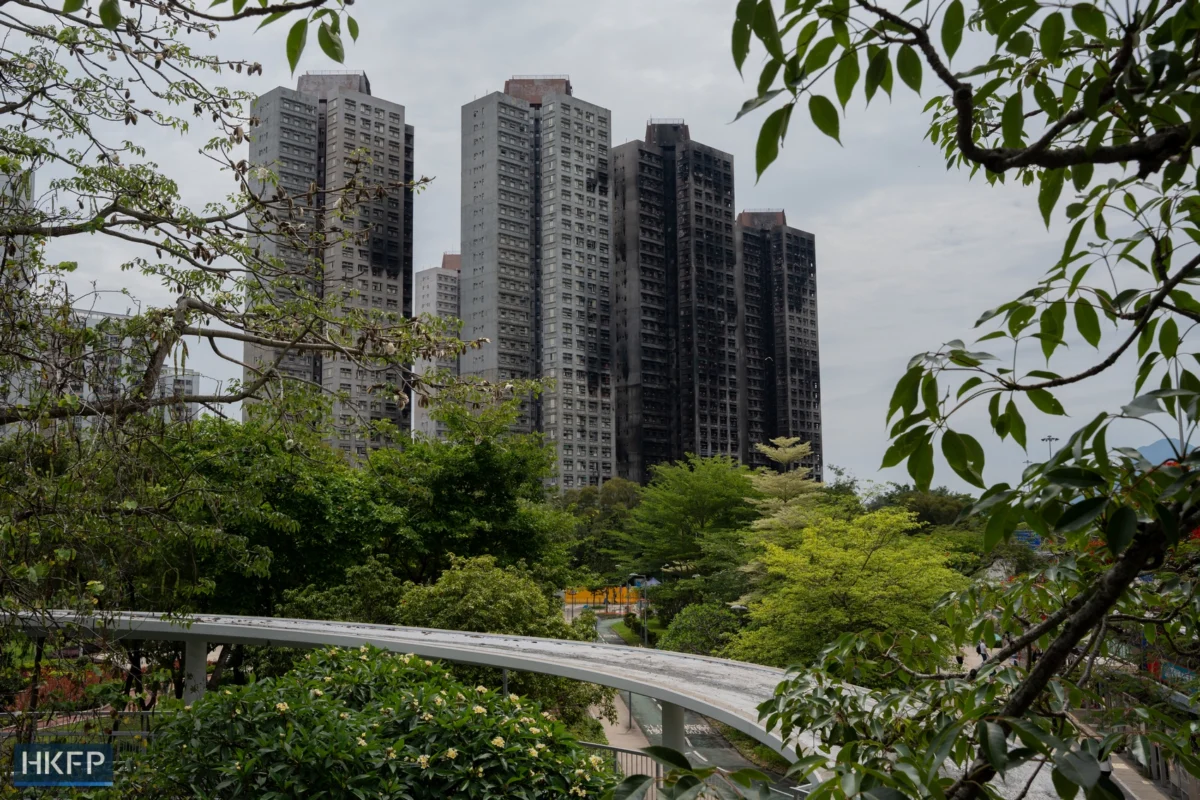
The government has repeatedly launched campaigns to enhance workplace safety, often following major disasters. For instance, China initiated a nationwide campaign against fire hazards in high-rise buildings in November 2025, a direct response to a massive blaze that engulfed several tower blocks in Hong Kong, tragically killing 168 people. Just a month later, a fire in a residential building in southern China’s Guangdong province claimed 12 lives. Furthermore, in May of the same year, a devastating explosion at a fireworks factory in central China killed 37 people, marking one of the nation’s deadliest industrial accidents in recent memory. These incidents, while varied in nature, collectively highlight an ongoing struggle to embed rigorous safety cultures and enforce regulations uniformly across all sectors and regions.
Industrial accidents in China are often attributed to a combination of factors, including:

- Lax Enforcement: Despite strict regulations on paper, enforcement can be inconsistent, particularly at the local level, where economic development targets might sometimes take precedence over safety compliance.
- Inadequate Training: Workers may not receive sufficient safety training, especially migrant workers who often fill manufacturing jobs.
- Poor Infrastructure and Maintenance: Older factory buildings might lack modern fire suppression systems, proper emergency exits, or structural integrity to withstand intense fires. Maintenance of existing safety equipment can also be neglected.
- Cost-Cutting Measures: Companies, under pressure to reduce costs and meet production quotas, may skimp on safety investments, use cheaper, less safe materials, or overcrowd facilities.
- Blocked Exits and Passageways: As seen in the Huiteng factory fire, blocked exits and internal passageways are a recurring issue, severely hindering evacuation and rescue efforts.
- Hazardous Materials Management: Inadequate storage, handling, and disposal of flammable or toxic materials pose significant risks, especially in industries like shoemaking, chemicals, and fireworks.
Investigative Imperatives and Future Implications
President Xi’s directive for regions and relevant departments to "draw profound lessons from these incidents" and "implement rigorous and effective safety measures" signals a renewed push for accountability and preventive action. The ongoing investigation into the Huiteng Shoes factory fire will undoubtedly scrutinize several critical aspects:
- Cause of the Fire: Determining the ignition source (e.g., electrical fault, human error, equipment malfunction, arson) is paramount.
- Compliance with Safety Regulations: Investigators will examine the factory’s fire safety certificates, evacuation plans, fire suppression systems, and adherence to building codes, particularly regarding clear exits and storage practices.
- Management Responsibility: The roles and decisions of the factory owner and management will be closely scrutinized, especially concerning any alleged negligence or violations that contributed to the tragedy.
- Local Oversight: The effectiveness of local government bodies and safety inspectorates in ensuring compliance will also be under review.
The implications of this disaster extend beyond the immediate loss of life and the economic impact on Huiteng Shoes. It is likely to trigger heightened scrutiny of the entire footwear manufacturing sector in Jinjiang and potentially lead to broader safety inspections across industrial zones throughout Fujian province and beyond. Such incidents often serve as catalysts for nationwide safety campaigns, prompting authorities to revise regulations, increase inspections, and impose harsher penalties for non-compliance.

For the global footwear industry, the fire could prompt a re-evaluation of supply chain risks and ethical manufacturing practices. International brands sourcing from Jinjiang might face pressure to ensure their suppliers adhere to stringent safety and labor standards, leading to more rigorous auditing processes.
Ultimately, the Huiteng Shoes factory fire is a stark reminder of the human cost when industrial safety protocols fail. It underscores the ongoing challenge for China, as a global manufacturing powerhouse, to balance rapid economic development with the paramount need to protect its workforce and ensure a safe working environment. The lessons drawn from this tragedy, and the subsequent actions taken by authorities and industry, will be crucial in preventing similar calamities in the future. The community in Jinjiang will grapple with the profound human toll, mourning the lives lost and reflecting on the vulnerabilities inherent in industrial production.


 Sagoh
Sagoh
 Asro
Asro