Lina Irawan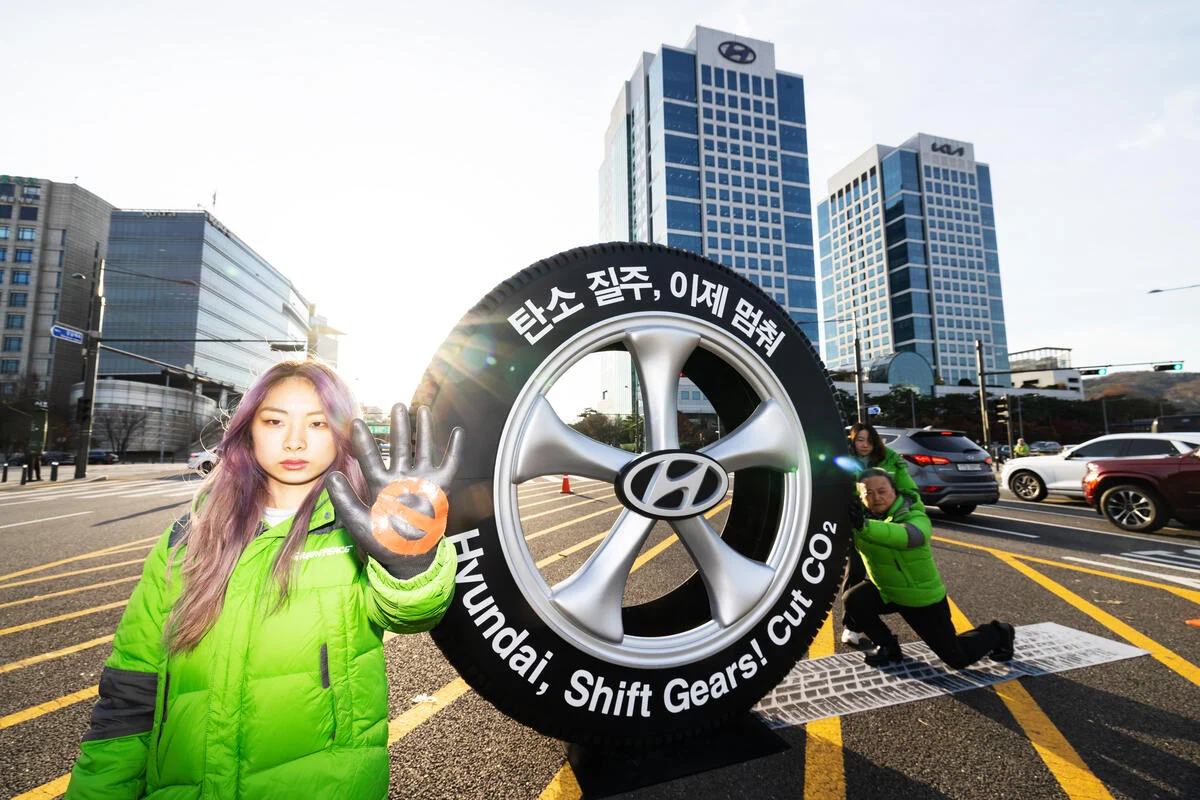
A coalition of international non-governmental organizations (NGOs) has issued a public appeal to Euisun Chung, Executive Chair of Hyundai Motor Group, urging the automotive giant to reconcile its ambitious climate commitments with tangible actions, particularly in light of its long-standing partnership with FIFA and its prominent role in the upcoming 2026 FIFA World Cup. The letter, signed by a diverse array of environmental and human rights advocacy groups, highlights significant discrepancies between Hyundai’s stated vision of "progress for humanity" and its current operational and supply chain practices.
Background: Hyundai’s FIFA Partnership and the World Cup
Hyundai Motor Group has been a dedicated partner of FIFA for over two decades, a relationship that underscores its significant investment in global sports marketing. The reported $300 million sponsorship for the 2026 FIFA World Cup positions Hyundai as a highly visible corporate face of the tournament. This association is strategically leveraged by Hyundai to promote an image of sustainable and clean mobility, showcasing its advancements in electric vehicles (EVs) and articulating a vision for an environmentally conscious future. The company has actively promoted its EV lineup and spoken of a future driven by clean energy.
The FIFA World Cup, a quadrennial event that captivates billions worldwide, represents a prime opportunity for major corporations to enhance their brand visibility and influence. However, the scale of the tournament also brings intense scrutiny regarding its environmental and social impact. Recent reports have underscored the significant carbon footprint of such mega-events, with projections indicating the 2026 World Cup could be one of the most carbon-intensive in football history. This context amplifies the NGOs’ call for corporate responsibility.
Discrepancies Between Stated Vision and Operational Reality
The NGOs’ appeal is grounded in a stark contrast between Hyundai’s public messaging and its operational metrics. While the company champions its electric vehicle technology and future-oriented strategies, the collective emissions generated by Hyundai and Kia vehicles annually are substantial, reportedly comparable to the annual emissions of Spain, approximately 250 million tonnes of CO2-equivalent.
Furthermore, the penetration of electric vehicles within Hyundai’s global sales portfolio remains relatively low. Despite substantial investments in marketing and sponsorship, EVs constitute only about 7% of the 6.8 million vehicles sold annually by the group. This statistic suggests that the overwhelming majority of vehicles currently produced and sold by Hyundai continue to rely on fossil fuels, a fact that directly challenges the company’s "clean, green mobility" narrative.
Supply Chain Concerns: Human Rights and Environmental Abuses
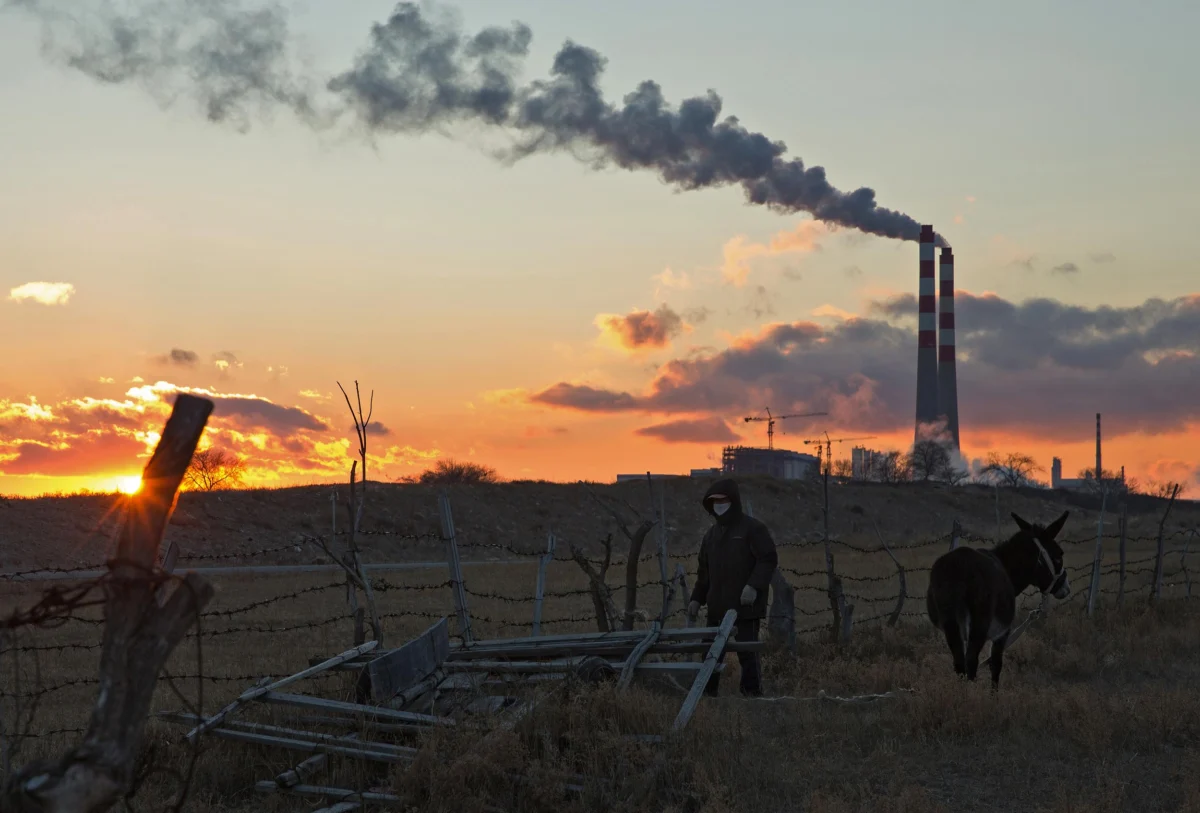
Beyond emissions, the NGOs have raised grave concerns regarding Hyundai’s extensive supply chain. Investigations by organizations such as the Fair Steel Coalition, Mighty Earth, and Jobs to Move America have documented severe human rights, labor, and environmental abuses linked to Hyundai’s operations and procurement practices. These reports cite evidence of child labor and prison labor being utilized in the extraction of raw materials and manufacturing processes, unsafe working conditions for employees, and significant environmental degradation across various global regions.
Specific allegations include the use of carbon-intensive materials like steel produced under exploitative conditions, raising questions about the ethical sourcing and manufacturing processes that underpin Hyundai’s products. The NGOs contend that Hyundai’s vision for "progress for humanity" must be intrinsically linked to actively preventing and rectifying these devastating impacts within its supply chain, ensuring that its investments genuinely benefit workers and communities rather than contributing to their exploitation.
Lack of Robust Response to Allegations
Recent media coverage has highlighted protests and actions organized by the NGOs’ coalition in Guadalajara, drawing attention to these supply chain issues. While Hyundai issued a response to this coverage, the NGOs argue that the company failed to directly address the specific allegations. Instead, the statement reportedly relied on generic references to existing internal processes that, according to the NGOs, are insufficient to demonstrate robust human rights and environmental due diligence. This perceived evasiveness has further fueled the urgency of the current appeal.
Demands for Concrete Action
The coalition’s message to Euisun Chung is clear: "We are not asking you to be perfect. We are asking you to be honest—to align your commitments with your actions." The NGOs have outlined three specific, actionable demands for Hyundai Motor Group:
-
Commitment to a Phased-Out Internal Combustion Engine (ICE) Vehicle Sales Plan: The group calls for a public commitment to a clear, time-bound plan for phasing out internal combustion engine vehicles across all global markets. Crucially, they urge Hyundai to accelerate its transition to achieving 100% electric vehicle sales by the year 2030. This ambitious target would represent a significant acceleration from current industry trends and a clear demonstration of commitment to a zero-emission future.
-
Supply Chain Remediation and Ethical Sourcing: Hyundai is urged to "clean up its supply chain" by rigorously upholding human rights and environmental standards at every stage of its operations. This includes critical mineral sourcing, manufacturing emissions, and the responsible procurement of materials such as steel, ensuring that workers and affected communities benefit from the company’s activities. This demand emphasizes a holistic approach to corporate responsibility, extending beyond direct operations to the entire value chain.
-
Genuine Climate Leadership, Not Greenwashing: The NGOs insist that Hyundai’s partnership with the FIFA World Cup must reflect authentic climate leadership rather than "greenwashing." This requires the establishment of transparent, independently verified emissions targets and demonstrable, measurable progress towards achieving them. This demand directly challenges the company to substantiate its sustainability claims with concrete data and verifiable outcomes.
Implications for Market Share and Brand Reputation
Hyundai and Kia achieved a record combined market share of 11.3% in the United States in 2025, a significant accomplishment that underscores their growing influence in a critical global market. The 2026 FIFA World Cup presents an unparalleled opportunity for Hyundai to further solidify its presence and win consumer loyalty in this region. The NGOs contend that this opportunity should not be squandered on superficial marketing of a "clean and humane image" but rather earned through demonstrable commitments to genuinely clean vehicles and a just supply chain.
The call for greater accountability from major corporations like Hyundai in the context of high-profile global events is a growing trend. As consumers and stakeholders become increasingly aware of the environmental and social costs associated with corporate activities, brands that fail to align their actions with their stated values risk significant reputational damage and potential loss of market share. The NGOs’ appeal suggests that the upcoming FIFA World Cup will be a crucial test of Hyundai’s commitment to sustainable and ethical business practices.
The coalition’s demands are not presented as an insurmountable burden but as a necessary step towards true progress. They believe that Hyundai possesses the capacity to drive a fundamental shift away from exploitation and pollution, thereby contributing to a more equitable and sustainable future for all. The organizations are awaiting Hyundai’s response, signaling their intent to continue advocating for these critical changes.
The signatories of the letter represent a broad spectrum of influential NGOs, including Actions Speak Louder, Eko, Fair Steel Coalition, Good Neighbors Louisiana, Greenpeace East Asia, Mighty Earth, Networks for Green Transport, Plan1.5, Public Citizen, Sierra Club, and Solutions for Our Climate. Their collective voice amplifies the pressure on Hyundai Motor Group to demonstrate genuine commitment to its environmental and social responsibilities.

 Ammar Sabilarrohman
 Raul Delapena Setiawan