Suro Senen
CANBERRA – Australia and Vietnam solidified their strategic alignment on Tuesday, announcing a significant expansion of military cooperation designed to bolster regional stability and counter the increasing assertiveness of Beijing across the Pacific and in the contested waters of the South China Sea. The agreement, forged during talks between Australian Prime Minister Anthony Albanese and Vietnamese leader To Lam in Canberra, marks a pivotal moment in the bilateral relationship, underscoring a shared commitment to a rules-based international order.
Following high-level discussions, the two nations revealed plans for closer collaboration between their defence forces, specifically focusing on enhanced maritime security initiatives and the conduct of joint training exercises. This deepening engagement extends to their respective defence industries, signaling a more integrated approach to regional security challenges.
"Our defence industries, as well as our defence forces, are cooperating more and more," Prime Minister Albanese stated in his opening remarks during the meeting with the Vietnamese leader. He emphasized the contemporary geopolitical landscape, adding, "Today’s uncertain world means that it is more important than ever that friends engage with each other on all levels – economic, social, environmental – to meet the challenges that are before us." This statement encapsulates Australia’s broader foreign policy doctrine, which advocates for diversified partnerships and multilateral engagement in response to complex global and regional dynamics.

The Strategic Imperative: Countering Beijing’s Expanding Reach
The impetus behind this expanded defence pact is largely driven by shared concerns regarding China’s burgeoning military power and its assertive territorial claims, particularly in the South China Sea. Both Australia and Vietnam, recognized as significant middle powers in the Indo-Pacific, perceive China’s actions as a direct challenge to established international norms and regional peace.
Vietnam is a key claimant in the South China Sea, holding overlapping claims with Beijing, the Philippines, Malaysia, Brunei, and Taiwan over various islands, reefs, and maritime zones. China’s expansive "nine-dash line" claim, which encompasses nearly the entirety of the vital waterway, was decisively rejected by an international arbitration tribunal in The Hague in 2016. The Permanent Court of Arbitration ruled that China’s assertion had no legal basis under the United Nations Convention on the Law of the Sea (UNCLOS). Despite this ruling, Beijing has continued to build and militarize artificial islands, deploy naval and coast guard vessels, and harass fishing boats and energy exploration activities of other claimant states, creating significant regional tension. The South China Sea is a critical global trade artery, with an estimated USD $3.4 trillion in annual trade passing through its waters, making freedom of navigation and overflight paramount to global economic stability.
Australia, while not a direct claimant in the South China Sea, has consistently advocated for adherence to international law, including UNCLOS, and for the maintenance of freedom of navigation and overflight. Its economic prosperity is intrinsically linked to open sea lanes, and it has expressed strong concerns over any actions that undermine regional stability or the rules-based order. The Australian government has frequently conducted freedom of navigation operations and deployed surveillance aircraft in the region, often drawing rebukes from Beijing.
Australia’s Evolving Defence Posture
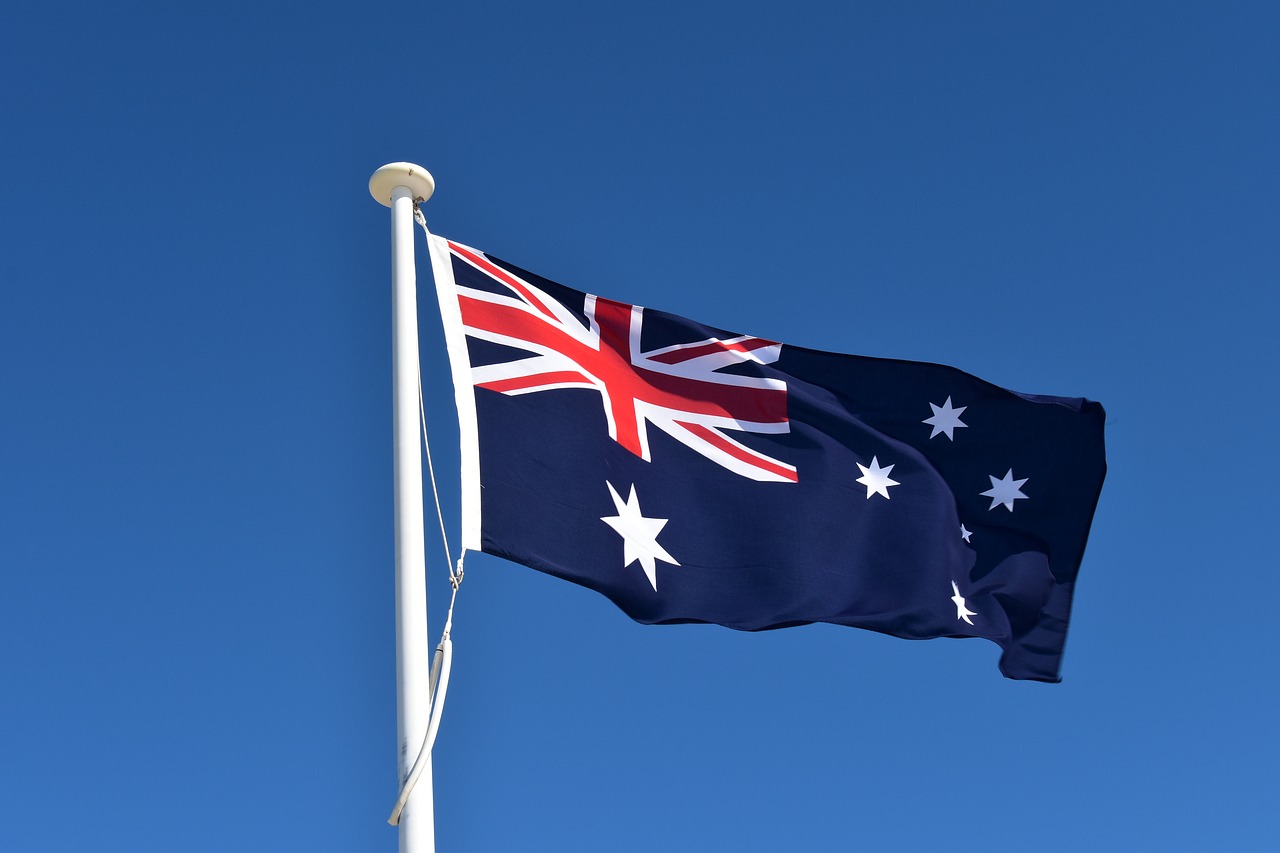
The decision to deepen military cooperation with Vietnam aligns with Australia’s broader strategy to enhance its defence capabilities and forge stronger regional partnerships. Australia is currently undertaking a once-in-a-generation expansion and modernization of its defence forces, a process largely informed by the 2023 Defence Strategic Review (DSR). The DSR highlighted the need for Australia to adapt to a more complex and contested strategic environment, emphasizing enhanced deterrence capabilities, a focus on its immediate northern approaches, and greater interoperability with allies and partners.
A cornerstone of this modernization effort is the AUKUS security pact with the United States and the United Kingdom, which will see Australia acquire conventionally armed, nuclear-powered submarines. This ambitious program, along with significant investments in long-range strike capabilities, advanced surveillance, and enhanced naval capacity, aims to project Australian power and influence further into the Indo-Pacific. Furthermore, Australia is increasingly hosting a growing U.S. military footprint on its territory, including rotational deployments of Marines and air force assets, signaling a robust allied presence designed to balance China’s regional military build-up.
Australian Defence Minister Richard Marles emphasized the direct contribution of the deepening cooperation with Vietnam to "the stability and security of our region." This sentiment reflects Australia’s understanding that collective security, through robust bilateral and multilateral partnerships, is essential to maintaining peace and preventing conflict in a strategically vital but increasingly volatile region.

Vietnam’s Strategic Balancing Act
For Vietnam, the expanded cooperation with Australia is another carefully calibrated move in its long-standing strategy of "diversification and multilateralization" in foreign relations. Hanoi operates under its "Four No’s" defence policy: no military alliances, no foreign military bases on Vietnamese territory, no threatening or using force in international relations, and no joining one country against another. This policy reflects Vietnam’s historical experiences and its pragmatic approach to navigating complex geopolitical currents, particularly concerning its powerful northern neighbor, China.
Despite the "Four No’s," Vietnam actively seeks to modernize its military, particularly its naval and air capabilities, to protect its sovereignty and maritime interests. It has engaged in defence dialogues and limited cooperation with various partners, including the United States, Japan, India, and European nations. The enhancement of maritime security cooperation and joint training with Australia provides Vietnam with valuable experience, technology transfer opportunities, and a means to strengthen its capacity to monitor and protect its extensive coastline and maritime zones without formally entering a military alliance.
Vietnam’s economic growth over the past decades has been remarkable, driven by its integration into the global economy. Maintaining stability and security in the South China Sea is paramount for its continued economic prosperity, as its fishing industry, offshore oil and gas exploration, and vital shipping lanes depend on a peaceful and predictable maritime environment. Partnering with Australia, a country with significant maritime expertise and a shared interest in a rules-based order, offers a practical pathway for Vietnam to bolster its defensive capabilities and diplomatic leverage.

Broader Regional Security Dynamics
The enhanced Australia-Vietnam partnership sends a clear signal about the growing willingness of middle powers in the Indo-Pacific to take proactive steps to safeguard their national interests and contribute to regional stability. This trend is part of a broader re-shaping of the regional security architecture, where traditional alliances are being complemented by flexible, issue-based partnerships.
This cooperation can be seen as strengthening the network of like-minded countries that seek to uphold international law and norms in the face of revisionist challenges. It complements other regional groupings and initiatives, such as ASEAN’s centrality in regional security dialogues, the Quadrilateral Security Dialogue (Quad) involving Australia, India, Japan, and the United States, and various bilateral defence agreements. By fostering greater interoperability and shared understanding between their defence forces, Australia and Vietnam aim to enhance collective responses to potential crises, improve maritime domain awareness, and deter coercive actions.
Beyond Defence: Economic and Cultural Ties

While defence cooperation dominated the headlines, Tuesday’s announcement also encompassed a slate of other agreements designed to deepen the comprehensive strategic partnership between Canberra and Hanoi. These include a commitment to enhance "economic resilience," acknowledging the importance of diverse and secure supply chains in a volatile global economy. Australia is a significant trading partner and investor in Vietnam, with bilateral trade reaching approximately AUD $20 billion annually in recent years. Further economic integration and cooperation in critical sectors are expected to yield mutual benefits.
In a more light-hearted but symbolically significant deal, the two countries also agreed to restart market access for Australian game meat, including kangaroo, to Vietnam. This demonstrates the breadth of their relationship, extending beyond strategic security concerns to practical economic and trade matters that benefit both populations. These multifaceted engagements reflect a maturing relationship built on shared interests and mutual respect.
Implications and Future Outlook
The expanded military cooperation between Australia and Vietnam carries several significant implications. Firstly, it strengthens the collective capacity of regional states to address maritime security challenges, particularly in the South China Sea. This could lead to more robust information sharing, coordinated patrols, and enhanced search and rescue capabilities. Secondly, it signals to Beijing that its assertive actions are prompting a more unified and coordinated response from other regional players, potentially encouraging greater restraint.

However, the partnership is also likely to draw scrutiny from China, which typically views such collaborations as attempts to contain its rise. Both Australia and Vietnam will need to carefully manage their diplomatic relations with Beijing while pursuing their security interests.
Looking ahead, this enhanced partnership lays the groundwork for further collaboration in areas such as cybersecurity, humanitarian assistance, disaster relief, and counter-terrorism. It underscores a strategic convergence between two middle powers determined to play an active role in shaping the future of the Indo-Pacific, prioritizing stability, sovereignty, and adherence to international law in an increasingly complex and contested geopolitical landscape. The Canberra talks represent a clear step towards a more resilient and secure regional order, built on the foundations of mutual cooperation and shared values.

 Evan Lee Salim
 Jia Lissa