Nila Kartika Wati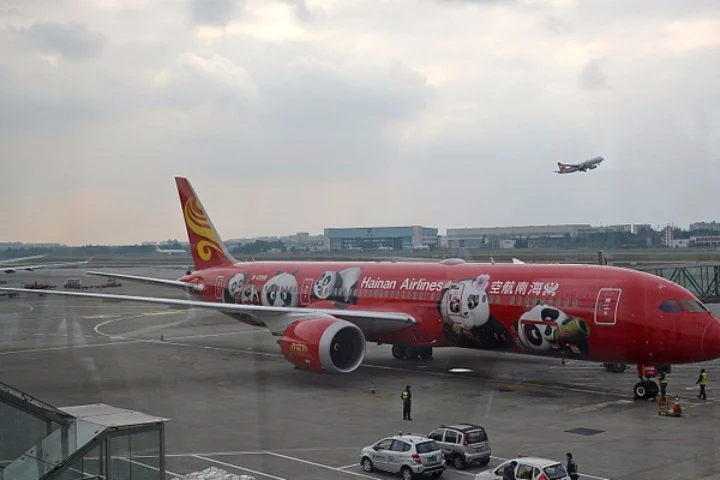
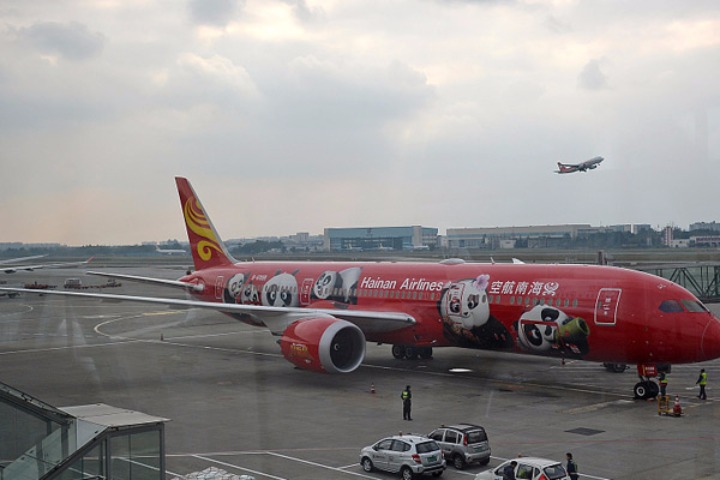
Hainan Airlines, China’s largest private air carrier, is aggressively pursuing an expansion of its direct flight network between China and the United States, targeting critical flying rights for services connecting Shanghai with major American cities. This strategic push comes amidst a flourishing trans-Pacific travel market, driven by escalating demand from Chinese travelers and robust bilateral economic activity. The airline’s ambitions include not only securing new routes but also fortifying its presence through enhanced cooperation with American carriers, signaling a clear intent to deepen its footprint in one of the world’s most lucrative aviation corridors.
Navigating the Vibrant China-US Aviation Corridor
The China-US aviation market has long been a linchpin of global air travel, characterized by significant passenger volumes and freight movement. In the years preceding this period, Chinese outbound tourism experienced exponential growth, with the United States emerging as a premier destination for leisure, education, and business travel. According to industry reports from organizations like the U.S. National Travel and Tourism Office (NTTO) or similar entities at the time, Chinese visitor arrivals to the U.S. had been consistently increasing, often by double-digit percentages year-on-year. For instance, data from sources such as Brand USA or the U.S. Department of Commerce often cited that Chinese tourists spent billions annually in the U.S., supporting hundreds of thousands of American jobs. This burgeoning demand created a fertile ground for airlines, stimulating a fierce yet rewarding competition among both Chinese and American carriers.
Direct flights play a pivotal role in this ecosystem, offering unparalleled convenience for travelers and significantly reducing transit times. For business travelers, direct connections facilitate efficient cross-border operations and meetings. For students, who constitute a substantial portion of Chinese visitors to the U.S., direct routes ease the journey to academic institutions. Leisure travelers benefit from reduced travel fatigue and simplified logistics, encouraging longer stays and greater exploration of American destinations. The presence of direct routes acts as a powerful economic catalyst, fostering trade, investment, and cultural exchange between the connected cities and regions. Each new direct flight route represents an open artery for commerce and tourism, injecting vitality into local economies on both sides of the Pacific.
Hainan Airlines’ Calculated Expansion Strategy
Hainan Airlines’ strategy for expansion is multi-faceted, focusing on key hubs, untapped secondary markets, and strategic partnerships. The carrier’s regional managing director in the United States, Pubin Liang, emphasized the airline’s determined efforts to secure flying rights for direct flights between Shanghai and major US cities. This ambition is particularly focused on destinations that already boast direct connections to Beijing, indicating a strategy to mirror and compete with existing high-demand routes from China’s other principal international gateway. Shanghai, as China’s financial capital and a global metropolis, serves as a crucial hub for both business and leisure travel, and securing a stronger presence there is vital for Hainan Airlines to challenge the dominance of state-owned carriers and further increase its market share.
Beyond the major gateways, Hainan Airlines has proactively identified and capitalized on the burgeoning demand emanating from China’s second-tier cities. Liang highlighted the success of launching direct flights from these smaller, yet economically vibrant, Chinese cities to major US destinations. This approach taps into a growing segment of travelers who prefer the convenience of departing from their local airports rather than enduring additional domestic travel to reach Beijing or Shanghai. The strategy mitigates some of the saturation issues prevalent on primary routes while cultivating new customer bases. Cities like Chongqing and Chengdu, for example, represent vast regional economies with rapidly expanding middle classes, eager for direct international travel options. These routes not only serve local demand but also act as feeders from surrounding provincial areas, consolidating Hainan Airlines’ network influence across China.
To further bolster its network coverage within the United States, particularly on the East and West Coasts, Hainan Airlines is set to launch code-sharing programs with Alaska Airlines and JetBlue Airways in the coming year. Code-sharing agreements are critical for airlines seeking to extend their reach without operating additional flights. By partnering with established domestic carriers, Hainan Airlines can offer its passengers seamless onward connections to numerous US cities beyond its direct gateways. This collaboration provides a vital "last mile" solution, allowing travelers arriving on Hainan Airlines’ trans-Pacific flights to easily connect to a broader range of destinations across the United States, enhancing the overall customer experience and strengthening Hainan’s competitive offering against other international carriers. These partnerships are particularly strategic for addressing challenges like the one encountered in the Midwest, where direct route competition with a former partner impacted network expansion.
Operational Performance and Market Dynamics
Hainan Airlines’ aggressive expansion has translated into tangible financial and operational successes. Between January and September of the reporting year, the airline achieved sales revenue of 2.59 billion yuan ($390 million) from its China-US flights, marking a significant 19 percent increase year-on-year. This robust growth underscores the strong demand within the market and the effectiveness of Hainan Airlines’ strategy. Furthermore, the average passenger load ratio on these flights exceeded 80 percent, a crucial metric in the aviation industry indicating high efficiency and profitability for long-haul routes. Maintaining such a high load factor is essential for covering the substantial operational costs associated with international flights, including fuel, aircraft maintenance, crew salaries, and airport fees.
However, the trans-Pacific market is not without its fluctuations. Hainan Airlines, like other carriers, experiences distinct busy and low seasons. Peak travel periods, typically from June to October and again in December and January, coincide with summer holidays, school breaks, and major festive seasons in both China and the US. During these times, the airline witnesses outstanding sales performance and higher yields. Conversely, during off-peak periods, the airline faces operational pressures due to potentially lower demand. To mitigate these challenges and stimulate travel, Hainan Airlines proactively adjusts its business strategies, often resorting to promotions such as package deals that bundle flights with tourism destination resort tickets and hotel accommodations. This dynamic pricing and marketing approach helps to maintain healthy load factors throughout the year and ensures sustained revenue streams.
A Decade of Trans-Pacific Connectivity: Hainan Airlines’ Route Development
Hainan Airlines’ journey in the China-US market commenced in June 2008 with its inaugural direct flights between Beijing and Seattle. This pioneering route marked the beginning of its strategic pivot towards intercontinental travel, positioning the airline as a significant player in the trans-Pacific arena. Seattle, a major tech hub and gateway to the Pacific Northwest, offered a strong starting point, attracting both business and leisure travelers.
Over the subsequent years, Hainan Airlines systematically expanded its American footprint, demonstrating a clear commitment to building a comprehensive network.
- September 2013: The airline launched direct flights between Beijing and Chicago, a crucial development as it was the first such route operated by a Chinese airline. Chicago, a major hub in the US Midwest, opened up significant connectivity to the central and eastern parts of the country.
- June 2014: Nonstop flights between Beijing and Boston were introduced, linking China’s capital with one of America’s oldest and most historically significant cities, also a major educational and biotech center.
- June 2015: This year saw a significant expansion with the launch of direct flights between Shanghai and Seattle, mirroring the Beijing-Seattle route and strengthening the connection to the West Coast. Concurrently, direct flights between Beijing and San Jose, California, were established, targeting the heart of Silicon Valley and its booming tech industry. In the same period, the airline also introduced direct flights connecting Shanghai and Boston, further solidifying its presence on the East Coast from China’s financial hub.
- December 2016: Hainan Airlines inaugurated direct flights between Beijing and Las Vegas, a groundbreaking move as it marked the first direct flight between the Chinese mainland and the popular entertainment capital. This route catered specifically to the growing segment of Chinese tourists seeking unique leisure and entertainment experiences.
- January 2017: Direct flights between Changsha, the capital of Hunan province in Central China, and Los Angeles were launched, extending Hainan Airlines’ reach to another key second-tier city and providing direct access to the vibrant Southern California market.
- October 2017: The most recent additions to the network included direct flights between Chongqing and New York, and Chengdu and New York. These routes were particularly significant as they represented the first direct flights connecting New York with these two major Western Chinese cities, opening up entirely new travel corridors and underscoring Hainan Airlines’ strategy of tapping into previously underserved markets.
To date, Hainan Airlines has established itself as the Chinese airline operating the most direct flights—a total of 12 routes—between the two countries, a testament to its aggressive growth strategy and its recognition of the immense potential in the China-US market.
Overcoming Headwinds: Competition and Geopolitical Realities
While Hainan Airlines has demonstrated remarkable growth, the trans-Pacific market presents considerable challenges. Lin Zhijie, an aviation industry analyst and columnist at Carnoc, a prominent civil aviation website in China, noted that flights between major Chinese cities and the United States are becoming quite saturated. This saturation leads to intense competition, particularly on routes like Beijing-Chicago, where Hainan Airlines encountered issues with its cooperation with American Airlines. The original code-sharing and connecting flight agreement weakened after Hainan Airlines launched its own direct Beijing-Chicago service, directly competing with American Airlines’ offering on the same route. Pubin Liang acknowledged the "significant negative impact" of this situation, particularly on the airline’s expansion of networks in the Midwest, stating, "Now, we face significant challenges in growing our business in this area with Chicago as the hub." This highlights the delicate balance between direct competition and strategic partnerships in a mature market.
Furthermore, operating direct flights between second-tier Chinese cities and the United States, while strategically sound for market penetration, can entail higher operating cost pressures compared to high-volume hub-to-hub routes. These routes might require more extensive marketing efforts and face lower initial demand, necessitating careful management of capacity and pricing to ensure profitability.
Beyond market dynamics, the broader geopolitical landscape casts a shadow over long-term planning. Lin Zhijie prudently advised that "the possible fluctuation of Sino-US relations should also be taken into consideration." Bilateral relations between China and the United States can profoundly impact travel demand, visa policies, and even regulatory approvals for new routes. Periods of tension or trade disputes can lead to a softening of travel demand, affecting passenger numbers and airline profitability. Airlines operating in this corridor must therefore navigate not only commercial complexities but also the vagaries of international diplomacy, making flexibility and adaptability crucial for sustained success.
Industry Perspectives and Future Outlook
Aviation experts generally concur that despite market saturation on some routes and operational pressures, the underlying demand for China-US travel remains robust. Chinese carriers like Hainan Airlines are not merely expanding their networks; they are also elevating their service standards, investing in modern aircraft, and enhancing passenger experience to compete effectively on a global stage. The strategic importance of international routes, particularly those connecting major economic powers, is paramount for an airline’s prestige, profitability, and long-term growth.
The continued pursuit of flying rights, especially for key hubs like Shanghai, reflects Hainan Airlines’ unwavering commitment to becoming a dominant player in the trans-Pacific market. Their focus on second-tier cities demonstrates an astute understanding of evolving travel patterns within China, catering to a demographic eager for direct international access. The planned code-sharing agreements with Alaska Airlines and JetBlue Airways are a smart move to leverage existing US domestic networks, providing seamless connectivity and a competitive edge against other long-haul carriers.
Looking ahead, the China-US aviation market is poised for continued evolution. While challenges such as intense competition, fluctuating operational costs, and geopolitical uncertainties persist, the fundamental drivers of demand—economic ties, cultural exchange, and educational pursuits—are likely to ensure its enduring vitality. Hainan Airlines, with its aggressive expansion, strategic partnerships, and focus on underserved markets, is well-positioned to capitalize on these trends, cementing its status as a pivotal bridge between China and the United States for millions of travelers annually. The airline’s journey reflects not just a corporate expansion, but a broader narrative of increasing global connectivity and the dynamic interplay of commerce and culture across continents.


 Evan Lee Salim
 Suro Senen