Nana Muazin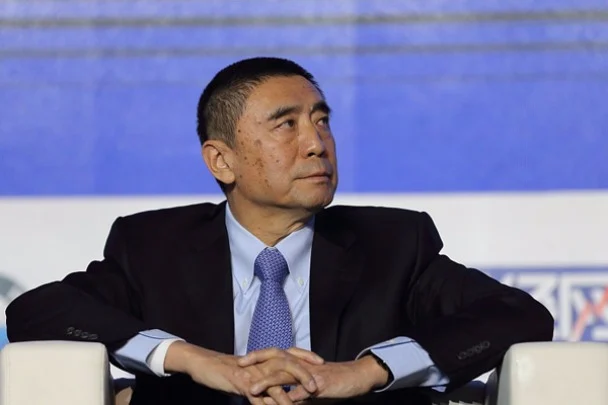
Beijing-headquartered conglomerate China Poly Group Corp has unveiled an ambitious and multifaceted strategy to significantly expand its international footprint, committing to continuous business promotion across both developing and developed nations. This strategic pivot underscores a dynamic approach to global market engagement, balancing increased investment in established Western economies with a focused pursuit of opportunities within the burgeoning Belt and Road Initiative (BRI) economies, positioning these as critical new growth engines for its diverse portfolio.
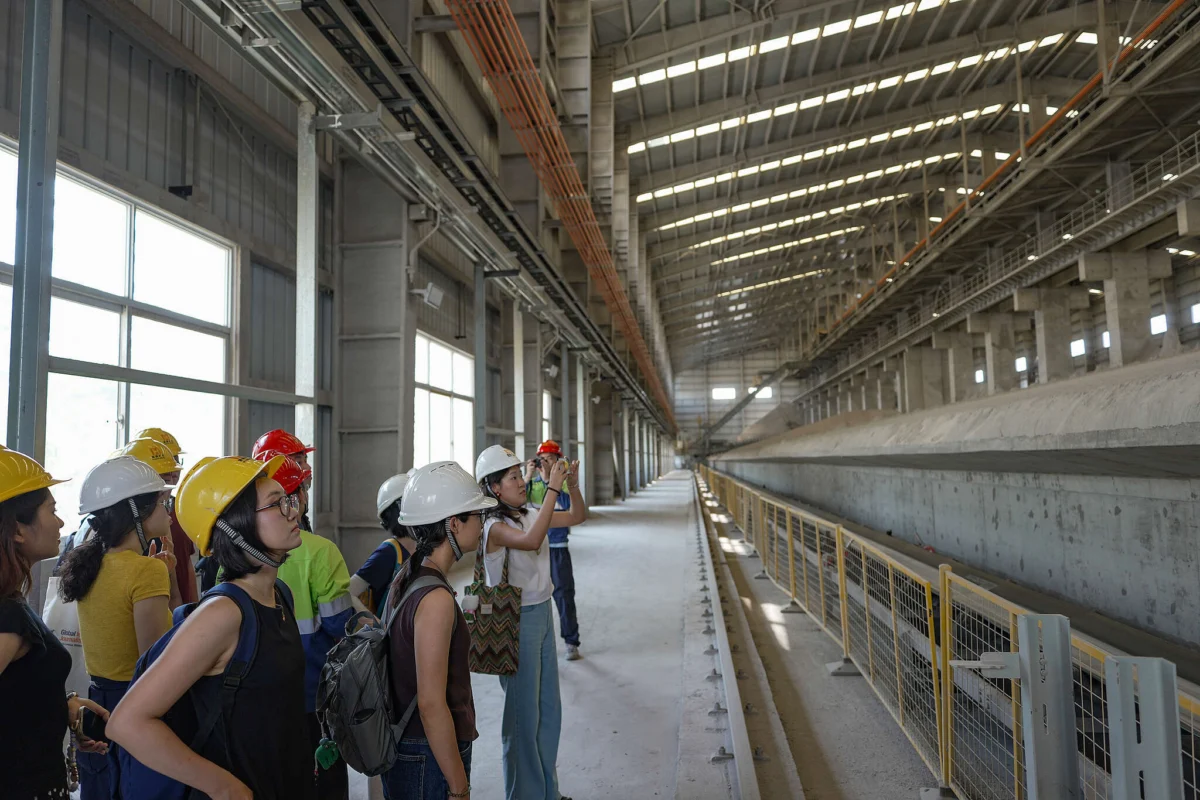
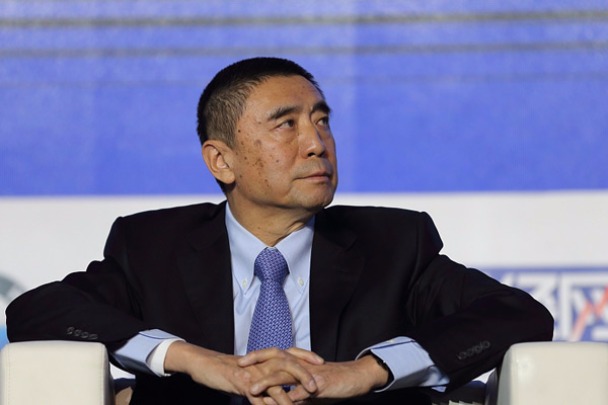
The corporation’s chairman, Xu Niansha, articulated the strategic rationale, emphasizing that Poly’s overseas ventures are designed not only to generate substantial profits but also to cultivate a positive brand image globally. This dual objective reflects a broader national imperative for Chinese state-owned enterprises (SOEs) to contribute to both economic prosperity and international soft power. Poly Group’s current operational reach extends to two-thirds of the economies participating in the Belt and Road Initiative, where its engagement primarily focuses on crucial infrastructure development and livelihood improvement projects, directly contributing to local economic upliftment and sustainable growth.
Strategic Diversification in a Dynamic Global Market
Poly Group’s expansion blueprint is meticulously designed to navigate contemporary global economic shifts. A key component of this strategy involves a significant increase in investment within Western markets, perceived as mature and stable environments offering advanced technological insights, robust regulatory frameworks, and affluent consumer bases. Simultaneously, the company is intensifying its investment opportunity studies across BRI nations, recognizing their immense potential for infrastructure development, resource integration, and emerging consumer markets. This balanced approach allows Poly to leverage the strengths of different global regions while mitigating risks associated with over-reliance on any single market type.
The company’s strategic diversification extends particularly to its real estate arm, where it is proactively shifting focus towards specialized sectors. Recognizing a global trend towards an aging population and increasing demand for leisure and lifestyle amenities, Poly is prioritizing real estate projects in elderly care, commercial retail, and tourism. These sectors are experiencing substantial growth momentum worldwide, driven by demographic shifts, rising disposable incomes, and evolving consumer preferences for experiential services. For instance, the global elderly care market is projected to reach trillions of dollars in the coming decade, while the tourism and retail sectors continue to demonstrate resilience and innovation, offering attractive long-term investment prospects. This strategic shift is also a direct response to the slowdown in profit margins within China’s domestic real estate sector, which has matured into a more balanced supply-demand environment after years of rapid expansion.
The Cultural Diplomacy Imperative: Bridging East and West
Beyond traditional economic ventures, China Poly Group Corp is a significant proponent of cultural exchange and soft power projection. Chairman Xu highlighted the company’s extensive cooperation in the cultural sector, spanning major regions including the United States, Australia, Europe, Africa, and Southeast Asia. This engagement encompasses a broad spectrum of activities, including performance and theater management, fine arts business, art auctions, and cinema investment. Through these initiatives, Poly actively participates in exporting Chinese cultural products and artistic expressions to Western markets, fostering a deeper global appreciation for Chinese heritage and contemporary creativity. Concurrently, the company plays a pivotal role in introducing Western classics and contemporary artistic works to the Chinese market, thereby enriching the cultural landscape within China and promoting cross-cultural dialogue.
Xu Niansha underscored the profound significance of cultural export, stating, "Culture export undertakes the responsibility of cultural communication between different countries and also bears economic significance, helping enhance the soft power of a country." This perspective aligns with broader national strategies to enhance China’s global influence through cultural diplomacy, fostering mutual understanding and respect while simultaneously generating economic value through the creative industries. The global art market, for example, consistently demonstrates robust activity, with auctions and cultural events serving as significant economic drivers and platforms for international exchange.
Background and Chronology: Evolution of a Global Player
China Poly Group Corp, a large state-owned enterprise established in 1992, has evolved into a diversified conglomerate with core businesses spanning international trade, real estate, culture and arts, and civilian explosive materials. Its journey reflects China’s economic transformation, from an inward-looking economy to a major global player. Initially focused on domestic growth and strategic national interests, Poly’s international expansion gained significant traction in the early 21st century, aligning with China’s "Going Out" strategy.
The formal announcement of the Belt and Road Initiative (BRI) in 2013 by President Xi Jinping marked a pivotal moment, providing a clear strategic framework and accelerated impetus for SOEs like Poly to expand their overseas operations. The BRI, a colossal infrastructure and investment project, aims to connect Asia with Africa and Europe via land and maritime networks, enhancing regional integration, increasing trade, and stimulating economic growth. Poly’s extensive involvement in infrastructure and livelihood projects across BRI nations, often in partnership with local governments and businesses, positions it as a key facilitator of this ambitious initiative. These projects typically involve the construction of roads, ports, power plants, and residential developments, directly addressing critical development needs in participating economies.
The domestic economic landscape also played a crucial role in shaping Poly’s current global strategy. China’s real estate market, a significant driver of national economic growth for decades, began showing signs of maturity in the mid-2010s. The once-soaring profit margins started to stabilize as supply caught up with demand, and government policies aimed at cooling speculative investments took effect. This shift prompted major developers like Poly to seek new avenues for growth and diversification, making international markets and specialized domestic sectors increasingly attractive.
Implications and Broader Impact
Poly Group’s aggressive international expansion and strategic diversification hold significant implications. Economically, its increased investment in Western markets signifies a confidence in these economies while providing access to advanced technologies and management practices. Concurrently, its deep engagement in BRI countries positions it as a critical player in fostering regional connectivity and development, aligning with China’s geopolitical and economic objectives. The company’s focus on specialized real estate sectors such as elderly care, tourism, and commercial retail reflects a forward-thinking approach to global demographic and consumption trends, potentially establishing new benchmarks for sustainable urban development and lifestyle services.
Culturally, Poly’s role as an intermediary for cultural exchange is invaluable. By facilitating the flow of artistic expressions between China and the rest of the world, it contributes to breaking down cultural barriers, fostering mutual understanding, and promoting a more interconnected global society. This cultural diplomacy, as Xu Niansha noted, not only bears economic fruit but also significantly enhances China’s soft power, presenting a nuanced and rich image of the nation beyond purely economic or political narratives.
Chairman Xu Niansha’s steadfast confidence in China’s economic growth prospects underpins Poly’s ambitious global strategy. His assertion that "China’s determination to further open itself to outside investment shows that China will be an open economy and has more confidence in international markets" reflects a broader national commitment to economic liberalization and global integration. This commitment encourages Chinese enterprises to engage more deeply with international partners, fostering extensive cooperation across various sectors. The Poly Group’s strategy, therefore, is not merely a corporate growth plan but a microcosm of China’s evolving role on the global stage, characterized by strategic investment, cultural engagement, and a commitment to shared economic prosperity. The success of this multifaceted approach will undoubtedly shape the future trajectory of one of China’s most significant conglomerates and influence broader patterns of international trade and cultural exchange for years to come.

 Evan Lee Salim
 Suro Senen