Suro Senen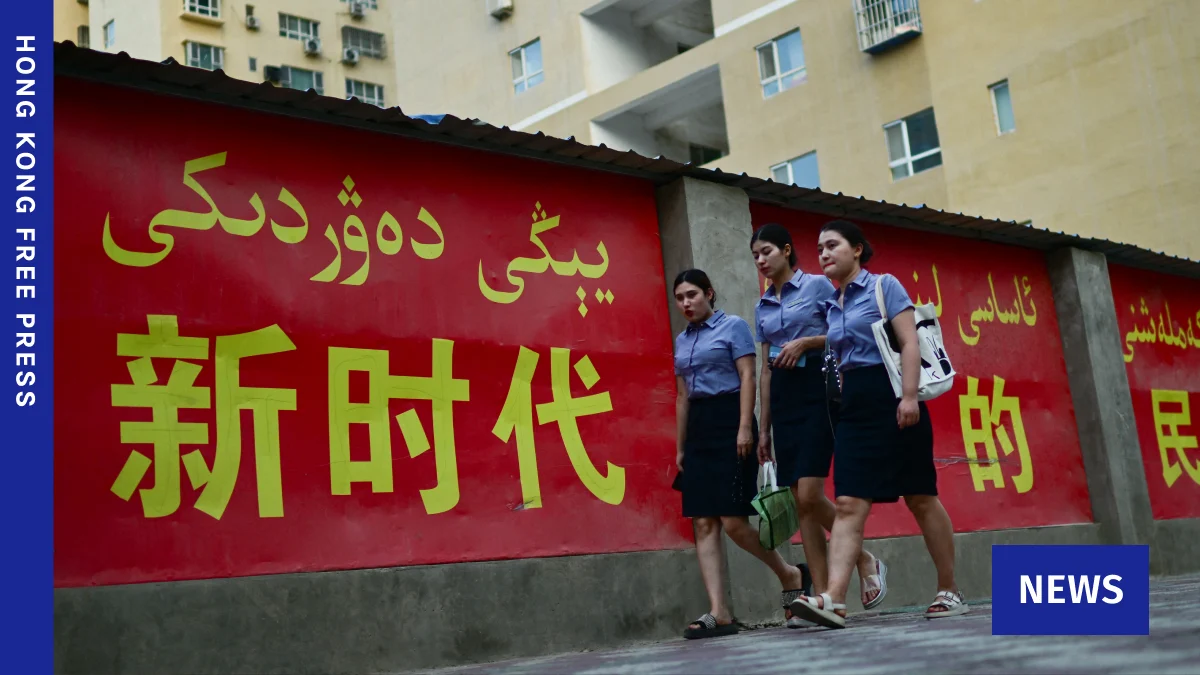
A new Law on Promoting Ethnic Unity and Progress officially came into effect on Wednesday in China, immediately drawing sharp condemnation from international bodies, human rights organizations, and democratic governments, including Taiwan and the United States. Critics warn that the legislation, ostensibly designed to foster a "shared national identity" among China’s diverse ethnic groups, will instead further erode fundamental freedoms, particularly for minority populations like Uyghurs and Tibetans, and extend Beijing’s legal reach far beyond its borders.
The law’s core objective, as articulated by Beijing, is to solidify national cohesion and prevent separatism by strengthening a unified Chinese identity. A key provision emphasizes the elevated status of Mandarin as the official language for education, official business, and public spaces across the nation. While presented as a measure for national development and security, the legislation has been widely interpreted by external observers as a further institutionalization of policies aimed at cultural assimilation. This comes amid existing global scrutiny over China’s treatment of its ethnic minorities, particularly in regions like Xinjiang and Tibet, where extensive campaigns of suppression have been documented by numerous reports.
Unpacking the Law’s Provisions and Beijing’s Rationale
The Law on Promoting Ethnic Unity and Progress formalizes a range of long-standing policies, weaving them into a comprehensive legal framework. Beyond the explicit promotion of Mandarin, the law also includes provisions related to social cohesion, preventing terrorism, and combating separatism. These elements are consistent with Beijing’s overarching narrative that its policies in minority-populated areas are legitimate efforts to maintain stability, counter extremism, and ensure economic development for all citizens.

Chinese officials have steadfastly defended the new law. A senior Chinese judicial official, Hu Weilie, last week characterized the legislation as targeting "illegal acts" that "undermine ethnic unity and progress or incite ethnic separatism." He further asserted that a controversial clause allowing for extraterritorial enforcement of the law, meaning individuals can be held liable for violations even when outside China, is "legitimate, lawful, and necessary." This stance underscores Beijing’s view that its internal policies, including those governing ethnic relations, are sovereign matters and that any perceived challenge to national unity, regardless of geographic location, falls under its jurisdiction. Beijing consistently denies allegations of human rights abuses, maintaining that all ethnic groups benefit from its development and security initiatives.
A Wave of International Condemnation
The enactment of the law has triggered a significant international backlash, with a chorus of voices expressing profound concern over its potential implications for human rights and international legal norms.
Taiwan’s Strong Rebuke
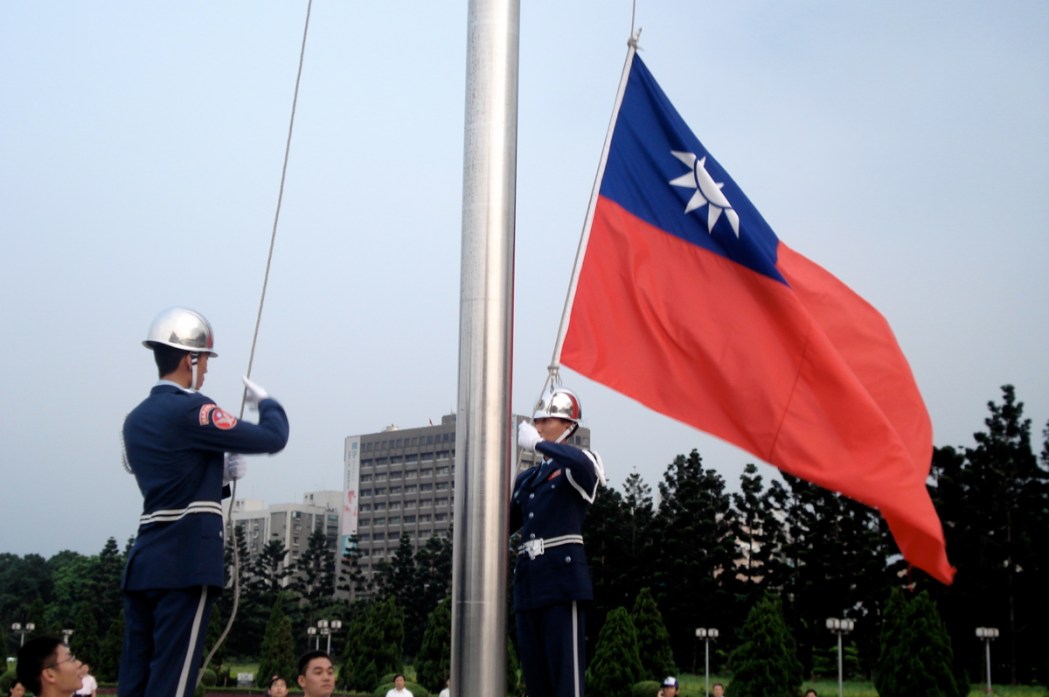
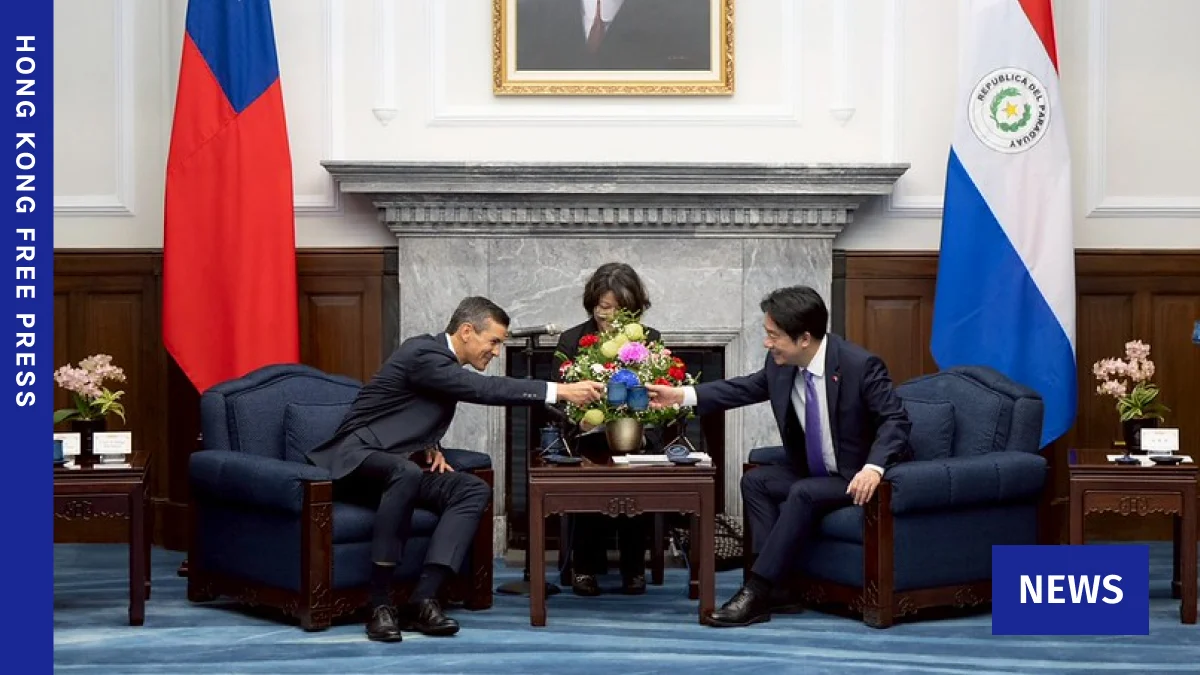
Taiwan, a self-ruled democratic island that China claims as its territory and has threatened to annex by force, expressed "strong condemnation" of the law. Its foreign ministry warned that the legislation expands "threats and intimidation against the people of our country and other nations." The Mainland Affairs Council (MAC) of Taiwan elaborated on these concerns, stating that Taiwanese people already face heightened risks when traveling to China, and the new law provides Beijing with "yet another law to fabricate charges." Deputy Minister Liang Wen-chieh of the MAC stated that Beijing would use the law "as a legal basis to further suppress and persecute human rights in Xinjiang and Tibet, or to expand its threats against voices internationally that support or are friendly towards Taiwan." This highlights Taiwan’s particular apprehension about the law’s extraterritorial reach, viewing it as a tool to silence international dissent and consolidate Beijing’s global influence.
United Nations Calls for Repeal
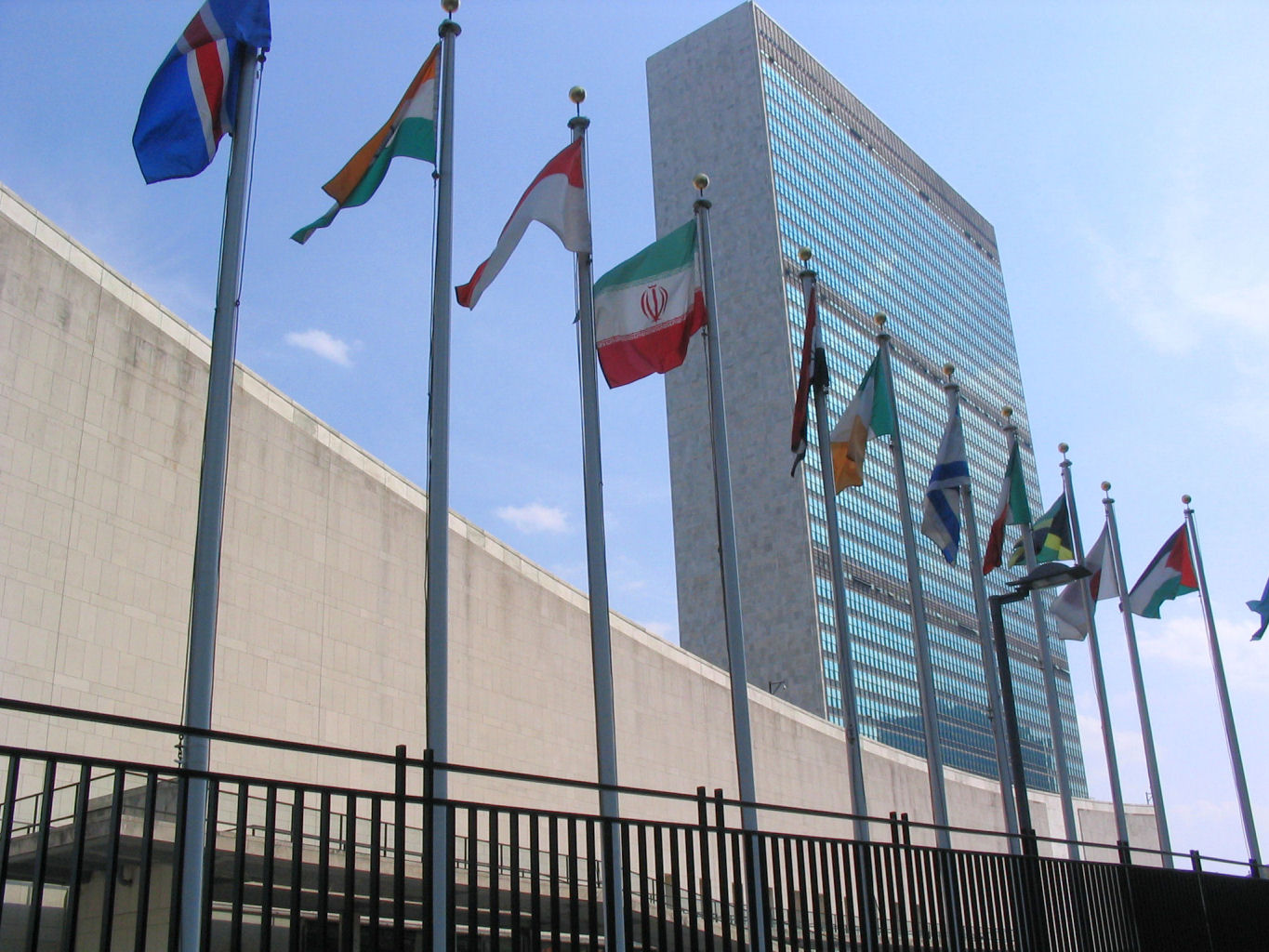
The United Nations High Commissioner for Human Rights, Volker Turk, has publicly called for the law to be repealed. Turk warned that the legislation risks "deepening restrictions on freedoms of language, education, practice of religion, culture, expression, and assembly." This statement echoes long-standing concerns voiced by the UN and its various bodies regarding China’s treatment of minorities, particularly in Xinjiang, where reports have detailed mass arbitrary detentions, forced labor, and severe restrictions on cultural and religious practices. The UN’s call for repeal signals the international community’s serious reservations about the law’s compatibility with universal human rights principles.

Amnesty International’s Warning of Forced Assimilation
Human rights organization Amnesty International has been particularly vocal in its criticism. Sarah Brooks, Amnesty International’s Deputy Regional Director, stated that the law would require "political and ideological alignment with the Chinese Communist Party" and "further institutionalize policies of forced assimilation." Brooks emphasized that while "Chinese authorities have human rights obligations requiring them to protect minority communities and their cultures, this law does the opposite." Amnesty has specifically warned that the legislation pushes ethnic groups to "adopt a single, state-defined national identity dominated by Han Chinese culture," referring to China’s ethnic majority. This perspective underscores the fear that the law is not about unity in diversity, but rather about imposing a monolithic cultural identity.
Uyghur and Tibetan Advocates Sound Alarm
Advocacy groups representing Uyghurs and Tibetans have also vehemently condemned the law, urging international governments to press China for its immediate repeal. They argue that the legislation is a thinly veiled attempt to accelerate the eradication of distinct minority cultures and identities. For decades, both Uyghurs in Xinjiang and Tibetans in the Tibetan Autonomous Region and surrounding areas have faced severe repression of their languages, religions, and cultural practices. Reports from these regions include widespread surveillance, destruction of cultural sites, and coercive policies aimed at integrating minorities into the dominant Han culture. Activists view the new law as providing further legal justification for these existing, and often intensified, policies.
US Lawmakers Pledge Opposition to "Transnational Repression"
In Washington, a bipartisan group of nine US lawmakers, including the top Republican and top Democrat on the Senate Foreign Relations Committee, voiced their stern opposition. In a joint statement, they pledged to "keep speaking out against Beijing’s bid to legitimize its transnational repression." Their primary concern revolved around the law’s extraterritorial clause, stating: "we are deeply concerned by language in the law that demands ideological compliance with the CCP, mandating that even people outside China deemed to be undermining ‘ethnic unity and progress’ by the Chinese government can be held legally responsible in China." This highlights a growing international concern over China’s efforts to project its legal and political system beyond its borders, potentially impacting individuals globally.
Historical and Policy Context of China’s Ethnic Relations
China officially recognizes 56 ethnic groups, with the Han Chinese constituting the overwhelming majority (over 90%). For much of the early People’s Republic of China (PRC) era, official policy, while aiming for national unity, often allowed for some degree of cultural autonomy for minorities, including the use of local languages in education alongside Mandarin. This was often framed under the principle of "unity in diversity."
However, under the leadership of President Xi Jinping, there has been a noticeable shift towards a more assertive approach to national identity and ethnic policy. This shift emphasizes the concept of "Zhonghua Minzu" (the Chinese nation), promoting a singular national identity that often subordinates distinct ethnic identities. Debates around a "Second Generation Ethnic Policy" in recent years have advocated for a more direct assimilationist approach, moving away from policies that previously recognized and, to some extent, protected minority cultures.
This new law formalizes and strengthens this more assimilationist trend. In Xinjiang, for example, since around 2017, an estimated one million or more Uyghurs and other Turkic minorities have been arbitrarily detained in "re-education camps," where they allegedly undergo political indoctrination and forced cultural assimilation. In Tibet, similar pressures have been applied to Buddhist monastic institutions and traditional cultural practices. The promotion of Mandarin, for instance, has led to a significant reduction in the use of Uyghur and Tibetan languages in schools and public administration, seen by many as a direct assault on cultural heritage. Beijing justifies these sweeping campaigns as necessary to prevent the spread of terrorism and religious extremism, particularly in regions with a history of unrest and separatist movements.
The Extraterritorial Clause: A Global Reach
One of the most alarming aspects of the new Law on Promoting Ethnic Unity and Progress is its explicit extraterritorial clause. This provision asserts Beijing’s right to prosecute individuals for violating the law even if their actions occur outside China’s physical borders. This is not an isolated development; it mirrors similar controversial clauses found in other recent Chinese legislation, notably the Hong Kong National Security Law imposed in 2020, which also claims jurisdiction over non-residents committing offenses abroad.
The implications of such a clause are far-reaching and deeply concerning. It creates a chilling effect on freedom of expression and advocacy worldwide. Activists, academics, journalists, and even ordinary citizens who speak out against China’s ethnic policies, support minority rights, or express views deemed critical of Beijing’s approach to national unity, could potentially face legal repercussions if they ever travel to China or to countries with extradition treaties with China. Taiwan’s warning to its citizens about increased travel risks underscores this threat. The law essentially seeks to extend Beijing’s censorship and ideological control globally, aiming to silence dissent and opposition wherever it may arise. This move challenges established international legal norms regarding sovereignty and jurisdiction, creating a precedent that could be replicated by other authoritarian regimes.
Broader Implications and Future Outlook
The enactment of China’s Law on Promoting Ethnic Unity and Progress carries significant domestic and international implications. Internally, it is likely to intensify the erosion of cultural autonomy for ethnic minorities, leading to further suppression of their unique languages, religious practices, and traditions. This could, ironically, exacerbate ethnic tensions rather than foster genuine unity, as feelings of marginalization and resentment grow. The law also provides a broader legal framework for increased surveillance and control over minority populations, integrating them more deeply into the state’s security apparatus.
On the international stage, the law is poised to fuel further diplomatic friction, particularly with Western democracies and human rights advocates. The extraterritorial clause, in particular, raises serious questions about China’s respect for international law and national sovereignty, potentially complicating travel, academic exchange, and business interactions with China. It also forces international actors to confront the challenge of "transnational repression" and how to protect their citizens and residents from the reach of foreign laws that contradict their own values and legal principles.
Despite widespread international calls for its repeal, it is highly improbable that Beijing will retract or significantly amend the law. The legislation is consistent with the Chinese Communist Party’s long-term strategic objectives of consolidating national power, asserting its sovereignty, and strengthening a unified national identity under its ideological guidance. Therefore, the international community is likely to continue to express condemnation, and advocacy groups will persist in their efforts to raise awareness and exert pressure. The law stands as a stark testament to the ongoing tension between Beijing’s pursuit of national unity and the universal principles of human rights and freedoms.

 Sagoh
Sagoh
 Asro
Asro