Ali Ikhwan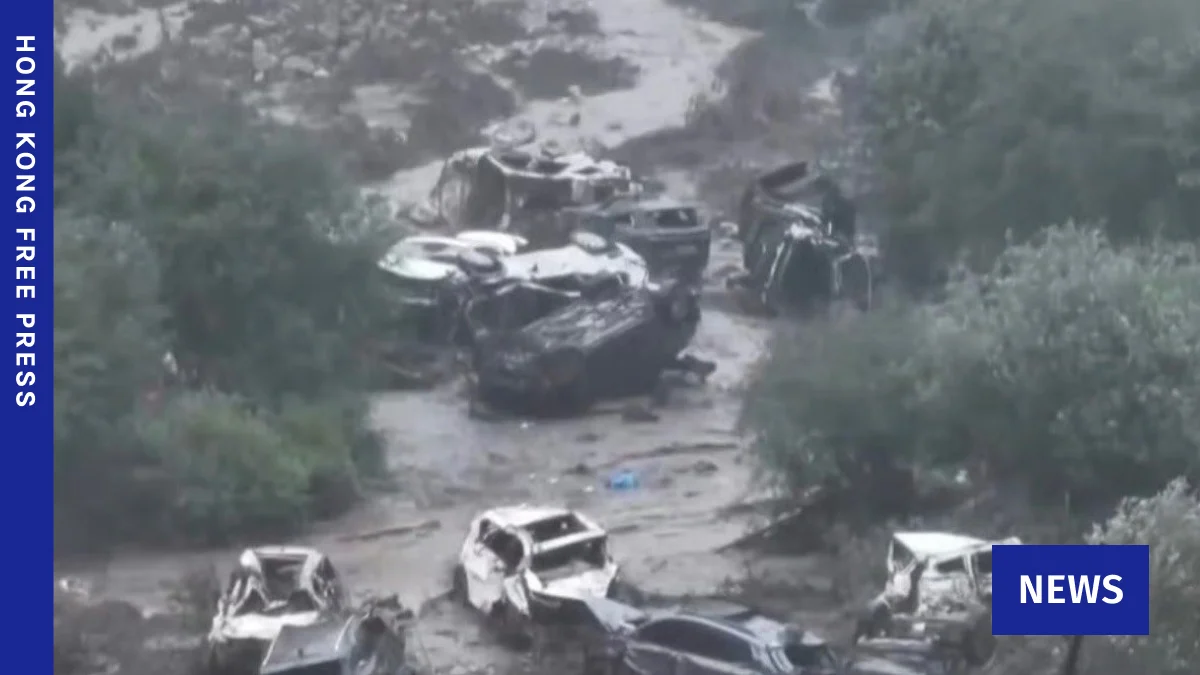
The devastating flash flood that tore through the Shuangshimen Scenic Area in northwest China’s Gansu Province on July 26 has seen its confirmed death toll escalate to 25, with 23 individuals reported injured, state media announced on Sunday, a week after the initial calamity. This updated figure marks a significant increase from the initial reports of 10 fatalities, underscoring the severe and rapidly unfolding nature of the disaster in the popular tourist destination. The national commission for disaster prevention has now confirmed it will oversee a thorough investigation into the incident, as reported by Xinhua, signalling a serious official response to understand the causes and prevent future occurrences.
The Unfolding Disaster at Shuangshimen Scenic Area
The catastrophe struck the Shuangshimen Scenic Area, a picturesque natural preserve renowned for its striking natural stone arches, lush alpine meadows, and serene mountain streams, making it a favoured spot for day campers and nature enthusiasts. Located in the mountainous southern region of Gansu, the area’s geography, characterized by valleys and watercourses, while beautiful, also inherently poses risks during periods of intense rainfall. On July 26, what began as a seemingly ordinary summer day for visitors quickly transformed into a scene of chaos and tragedy when sudden, torrential downpours triggered a flash flood. Eyewitness accounts and videos circulated online depicted terrifying torrents of water surging violently through a valley where numerous tents and vehicles belonging to campers were parked, sweeping away everything in their path with relentless force. The speed and power of the water left little time for evacuation, trapping many unsuspecting visitors in the path of the deluge.

Initial emergency responses were swift but challenging, hampered by the remote and rugged terrain. Local authorities and rescue teams were immediately deployed, working tirelessly to search for survivors and recover those lost amidst the debris and powerful currents. The initial count of 10 dead and 23 injured quickly became a grim indicator of the flood’s impact. Over the subsequent days, as search and rescue operations continued, the full extent of the tragedy began to emerge, leading to the revised and higher death toll. The fact that the area is popular with day campers suggests that many victims were likely tourists or recreational visitors who may not have been fully aware of the immediate weather risks or evacuation protocols for such an unpredictable natural event.
Official Response and Forthcoming Investigation
In the wake of the escalating death toll, China’s national commission for disaster prevention has announced its intention to launch and oversee a comprehensive investigation into the Shuangshimen flash flood. This move highlights the central government’s commitment to understanding the root causes of major disasters and ensuring accountability. Such an investigation typically involves multiple facets, including meteorological analysis to determine the intensity and duration of the rainfall, hydrological assessments of the river and valley systems, and geological surveys to understand the stability of the surrounding landscape.
Furthermore, the inquiry is expected to scrutinize the preparedness and response mechanisms in place at the Shuangshimen Scenic Area. This would involve examining:

- Early Warning Systems: Were adequate real-time weather monitoring and forecasting systems in place? Were warnings issued promptly and effectively communicated to visitors and local residents?
- Safety Protocols: What safety regulations and emergency procedures were established for the scenic area, particularly for areas popular with campers near watercourses? Were these protocols sufficient for the known risks of flash floods in mountainous regions?
- Infrastructure Resilience: Was the infrastructure within the scenic area, such as roads, bridges, and designated camping sites, designed to withstand extreme weather events?
- Evacuation Plans: Were clear and efficient evacuation plans in place, and were staff adequately trained to execute them during an emergency?
- Management and Oversight: Who was responsible for the management and oversight of the scenic area’s safety, and were they adhering to national and provincial guidelines?
The findings of this high-level investigation will be crucial not only for determining the specific factors that contributed to this disaster but also for informing future policy decisions regarding safety and disaster management in tourist areas across China. Transparency in the investigation and the implementation of its recommendations will be vital for restoring public confidence and preventing similar tragedies.
China’s Summer of Extreme Weather: A Broader Context
The flash flood in Gansu is not an isolated incident but rather one of several severe weather events that have plagued China this summer, underscoring a worrying trend of increasing climate volatility. Large swathes of the country have experienced an unprecedented onslaught of extreme weather phenomena, ranging from intense heatwaves to torrential rainfall and devastating floods. This pattern aligns with broader global climate trends, where a warming planet is leading to more frequent and intense extreme weather events.
Throughout July, China witnessed a series of significant weather-related disasters:

- Hubei Province Storms: In central China’s Hubei province, severe storms claimed the lives of at least 11 people, causing widespread disruption and damage to infrastructure. These storms often bring high winds, hail, and intense rainfall, leading to localized flooding and landslides.
- Guangxi Region Flooding: In the southern Guangxi Zhuang Autonomous Region, torrential rainfall led to widespread flooding, forcing the evacuation of approximately 130,000 people. Tragically, six individuals died in the region, and several dams were breached, exacerbating the floodwaters and increasing the risk to downstream communities. The breaching of dams highlights critical infrastructure vulnerabilities under extreme pressure.
- Gansu’s Dangchang County Landslide: Further illustrating the vulnerability of Gansu province, a devastating landslide occurred in Dangchang County, also in the province’s south, claiming 21 lives. Landslides are often triggered by saturated soil from heavy rainfall, particularly in mountainous areas with unstable geological formations. The proximity of this event to the Shuangshimen flash flood underscores a regional susceptibility to such natural hazards.
These incidents collectively paint a stark picture of China grappling with the multifaceted challenges of a changing climate. Meteorological experts often attribute the increased intensity and frequency of these events to global climate change, which can disrupt atmospheric patterns, leading to more extreme precipitation events. The El Niño-Southern Oscillation (ENSO) cycle can also influence regional weather patterns, contributing to variations in rainfall and temperature. China’s vast geographical expanse means it experiences diverse climatic zones, each with its own vulnerabilities to extreme weather. The rapid urbanization and expansion of infrastructure in recent decades, while bringing economic development, have also sometimes encroached upon natural floodplains or altered natural drainage systems, potentially increasing flood risks in certain areas.
Implications for Tourism Safety and Disaster Preparedness
The tragedy at Shuangshimen Scenic Area carries significant implications for the management and safety protocols of natural tourist destinations across China. The incident serves as a stark reminder of the inherent risks associated with natural environments, particularly during periods of volatile weather. It will likely prompt a nationwide review of safety regulations for scenic areas, especially those that feature rivers, valleys, or mountainous terrain popular for camping and outdoor activities.
Key areas of focus for such a review might include:

- Enhanced Weather Monitoring and Forecasting: Investing in more sophisticated and localized weather forecasting systems specifically tailored for mountainous and scenic regions, capable of providing real-time alerts for flash flood risks.
- Clearer Communication Channels: Establishing robust and multi-channel communication systems to disseminate warnings to visitors instantly, including mobile alerts, public address systems, and visible signage at entry points and within the park.
- Strict Camping Regulations: Re-evaluating and potentially tightening regulations for camping, particularly in high-risk areas near rivers or in narrow valleys. This could involve designating safer camping zones, implementing mandatory registration for campers, and providing clear guidance on emergency procedures.
- Regular Risk Assessments: Conducting frequent and comprehensive risk assessments of all natural scenic areas, taking into account geological stability, hydrological patterns, and historical weather data.
- Staff Training and Emergency Drills: Ensuring that park staff are thoroughly trained in emergency response, first aid, and evacuation procedures, and conducting regular drills to test the effectiveness of these plans.
- Public Awareness Campaigns: Educating visitors about the risks of extreme weather in natural settings and promoting responsible outdoor behaviour, including checking weather forecasts before visiting and heeding all safety warnings.
Local governments and tourism authorities are expected to face increased pressure to demonstrate that they are taking proactive steps to safeguard visitors. Inferred statements from officials would likely emphasize the paramount importance of human life and safety, alongside commitments to implement stricter measures and learn from the recent tragedies.
Rescue, Recovery, and Long-Term Resilience
In the immediate aftermath of the flood, rescue and recovery efforts would have been paramount. These typically involve a coordinated response from various agencies, including local police, fire departments, medical personnel, and specialized search and rescue teams. The challenges in mountainous, flood-affected terrain are immense, requiring specialized equipment and highly trained personnel to navigate dangerous conditions, including unstable ground, debris, and strong currents. Beyond the immediate rescue of survivors, the recovery phase involves identifying victims, providing support to grieving families, and initiating the process of repairing damaged infrastructure within the scenic area.
The long-term implications extend to building greater resilience against future natural disasters. This includes not only strengthening physical infrastructure but also enhancing institutional capacity for disaster management. Investing in advanced meteorological technology, developing sophisticated predictive models, and integrating climate change adaptation strategies into urban and regional planning are crucial steps. China’s experience with a succession of severe weather events this summer underscores the urgent need for a holistic approach to disaster risk reduction, one that combines robust engineering solutions with effective early warning systems, comprehensive public education, and agile emergency response mechanisms. The human toll of these events serves as a powerful reminder of the imperative to prioritize safety and preparedness in the face of an increasingly unpredictable climate.

The tragic loss of life in Shuangshimen is a stark illustration of the escalating challenges posed by extreme weather events in China. As the national investigation proceeds, its findings will be critical for guiding future policies aimed at protecting both residents and tourists from the intensifying impacts of climate change, emphasizing the need for robust safety measures and enhanced disaster preparedness across the nation.


 Asep Darmawan
 Neng Nana