Evan Lee Salim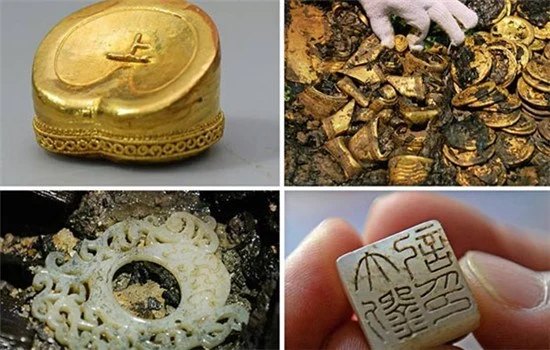
Chinese authorities have officially sanctioned a comprehensive plan to transform the tomb of the Marquis of Haihun into a national-level archaeological relics park. This significant decision, announced by the site’s management office on Monday, marks a pivotal moment in the preservation and public accessibility of one of China’s most important archaeological discoveries. The tomb, a testament to the grandeur of the Western Han Dynasty (206 BC – 25 AD), is situated near Nanchang, the capital of East China’s Jiangxi province, overlooking the vast expanse of Poyang Lake, China’s largest freshwater lake. Its designation as a national-level park underscores its immense historical, cultural, and scientific value.
The decision follows a rigorous assessment initiated by the State Administration of Cultural Heritage in March, culminating in the recent approval of the park’s construction blueprint. This initiative aims not only to safeguard the tomb’s integrity but also to create an environment where its historical narratives can be shared with a wider audience, fostering a deeper understanding of China’s ancient past. The planned park will encompass an expansive area of 12.46 square kilometers, meticulously designed to preserve the tomb’s original setting and archaeological context.
A Glimpse into the Western Han Dynasty: The Significance of Haihunhou Tomb
The Marquis of Haihun tomb is particularly noteworthy as one of the exceedingly rare imperial tombs from this era that has largely escaped the ravages of tomb raiding. This exceptional preservation offers archaeologists an unparalleled opportunity to study the burial practices, material culture, and political landscape of the Western Han Dynasty. The tomb belonged to Liu He, who reigned as the second emperor of the Han Dynasty for a mere 27 days before being deposed and stripped of his imperial title. He was subsequently exiled and granted the title of Marquis of Haihun. Despite his brief reign, his tomb has yielded an astonishing wealth of artifacts, providing invaluable insights into the life and times of a figure who, though historically controversial, was buried with immense opulence.
The scale of the discovery is staggering. Since the commencement of archaeological excavations in 2011, an estimated 10,000 artifacts have been unearthed. These treasures include a diverse array of items, from intricately crafted gold cakes and a hoof-shaped ingot, reflecting the era’s economic prowess and metallurgical skills, to a jade seal and a delicate jade pendant, indicative of the high status and sophisticated artistry of the period. The sheer volume and variety of these objects offer a comprehensive picture of the material wealth and cultural sophistication of the Western Han elite.
Chronology of Discovery and Preservation Efforts
The journey from discovery to the establishment of a national-level park has been a meticulous and lengthy process, underscoring the careful deliberation involved in handling such a significant archaeological site.
- 2011: The initial archaeological excavation of the Marquis of Haihun tomb commences. This marked the beginning of a systematic exploration of the vast burial complex.
- January 2016: The remains of Liu He, the Marquis of Haihun, are discovered within a coffin in an inner chamber. These remains were carefully removed for further scientific research and analysis, a crucial step in understanding the individual interred.
- March (Year not specified, but implied to be prior to Monday’s announcement): The State Administration of Cultural Heritage initiates a comprehensive assessment of the site’s archaeological significance and potential for preservation and public display. This assessment laid the groundwork for the park development plan.
- Recent (Prior to Monday’s announcement): The park construction plan, detailing the scope, design, and preservation strategies, receives official approval from Chinese authorities.
- Monday (of the article’s publication): The management office of the Haihunhou site publicly announces the approval of the plan to establish a national-level archaeological relics park.
This timeline highlights the phased approach taken, prioritizing scientific excavation and research before moving towards broader preservation and public engagement initiatives.
Supporting Data and Archaeological Insights
The artifacts recovered from the Marquis of Haihun tomb provide a rich tapestry of information, offering concrete evidence of the Western Han Dynasty’s societal structures, economic activities, and artistic achievements.
- Economic Indicators: The presence of numerous gold cakes and a hoof-shaped ingot directly illustrates the economic prosperity of the time and the prevalent use of precious metals as a medium of exchange and wealth storage. The intricate craftsmanship of these items also speaks to the advanced metallurgical techniques of the era.
- Artistic and Craftsmanship Excellence: The unearthed jade seal, believed to be a personal seal of the Marquis, and the intricately carved jade pendant showcase the exquisite skill of Han Dynasty artisans. Jade held immense cultural and spiritual significance in ancient China, often associated with purity, virtue, and immortality, and its elaborate carving reflects the high value placed on such qualities.
- Imperial Burials: The sheer scale of the tomb and the opulence of its contents, despite Liu He’s short reign and deposition, suggest the enduring power and influence of the imperial family and the elaborate rituals associated with their burials. The tomb complex is believed to cover a significant area, potentially including multiple burial chambers and associated structures.
- Unlooted Status: The fact that the tomb was not looted is a critical factor. Looting, a pervasive problem throughout Chinese history, often results in the dispersal of artifacts and the loss of crucial contextual information. The integrity of the Haihunhou tomb allows for a more complete understanding of how such a high-ranking individual was interred and the accompanying funerary practices.
Official Responses and Future Prospects
While specific direct quotes from officials were not included in the original text, the approval of the plan itself signifies a strong endorsement from the relevant governmental bodies. The State Administration of Cultural Heritage’s involvement in the assessment process indicates a commitment to scientific rigor and best practices in cultural heritage management.
The designation as a national-level archaeological relics park implies a significant investment in infrastructure, research facilities, and public outreach programs. This includes:
- Conservation Laboratories: Dedicated facilities for the ongoing preservation and study of the unearthed artifacts.
- Exhibition Spaces: Museums and galleries designed to showcase the most significant finds to the public in an informative and engaging manner.
- Research Centers: Institutions that will foster academic research into the Western Han Dynasty, using the Haihunhou tomb as a primary case study.
- Visitor Facilities: Infrastructure to support tourism, including pathways, interpretation centers, and educational materials, ensuring that visitors can learn about the site responsibly.
The management office’s announcement on Monday is a clear indication of the government’s intent to prioritize the long-term preservation and cultural dissemination of this invaluable heritage.
Broader Impact and Implications
The transformation of the Marquis of Haihun tomb into a national-level cultural relics park carries significant implications for China and the broader field of archaeology:
- Cultural Heritage Preservation: It sets a precedent for the careful and comprehensive management of major archaeological sites, emphasizing preservation alongside public access. This model could be applied to other significant discoveries in the future.
- Tourism and Economic Development: The park is expected to become a major tourist destination, contributing to the economic development of Jiangxi province. This can create jobs and stimulate local businesses, while also raising national and international awareness of China’s rich history.
- Education and Research: The site will serve as an invaluable educational resource for students, researchers, and the general public. It will undoubtedly fuel new avenues of academic inquiry into the Western Han Dynasty, potentially rewriting or refining existing historical narratives.
- National Identity and Pride: The meticulous preservation and presentation of such a significant historical site can foster a sense of national pride and reinforce China’s rich cultural heritage. It offers tangible connections to a glorious past, contributing to the ongoing construction of national identity.
- International Collaboration: As a site of global archaeological importance, the Marquis of Haihun tomb park may also become a hub for international collaboration in archaeological research and heritage management, fostering a shared understanding of human history.
The decision to establish a national-level archaeological relics park at the Marquis of Haihun tomb is a strategic move that balances the imperative of scientific preservation with the desire to share China’s ancient heritage with the world. It represents a significant commitment to safeguarding a crucial window into the Western Han Dynasty, ensuring that the stories held within this remarkable tomb will continue to inform and inspire for generations to come. The park’s development will undoubtedly be closely watched by the archaeological community and cultural heritage enthusiasts worldwide.

 Asep Darmawan
 Rifan Muazin