Sagoh
Sagoh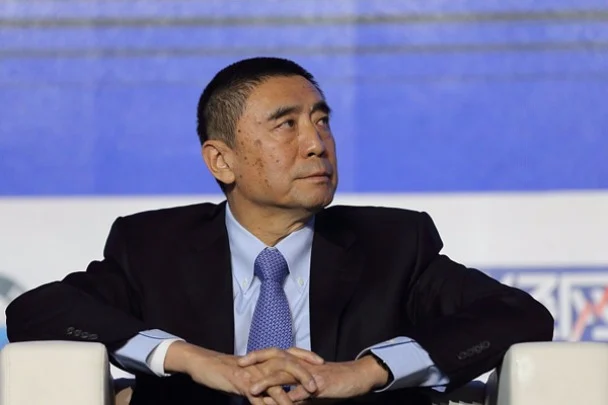
Beijing-headquartered conglomerate China Poly Group Corp has articulated a comprehensive strategy to vigorously advance its business operations across both developing and developed nations, signaling a determined push to significantly broaden its international footprint. The state-owned enterprise, a diversified titan with interests spanning real estate, culture, trade, and industrial manufacturing, aims to amplify its investment in established Western markets while concurrently intensifying studies into burgeoning investment opportunities within economies participating in the Belt and Road Initiative (BRI). This dual-pronged approach is envisioned as a crucial catalyst for new growth points across its extensive portfolio.
A Conglomerate’s Global Ambitions: The Strategic Imperative
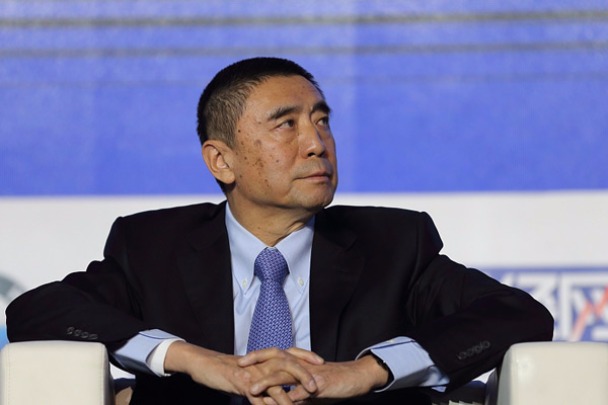
China Poly Group Corp, established in 1992, has evolved into one of China’s largest state-owned conglomerates under the supervision of the State-owned Assets Supervision and Administration Commission (SASAC) of the State Council. Its diverse business segments, including Poly Real Estate, Poly Culture, Poly Technologies (defense and industrial equipment), and various resource and financial ventures, provide a robust platform for global engagement. Chairman Xu Niansha, a key figure in steering the conglomerate’s trajectory, emphasized the intrinsic value of international endeavors. "Poly sees investment projects in numerous Western markets as well as economies involved in the Belt and Road Initiative," Xu stated, underscoring the strategic breadth of their vision. He further elaborated on the multifaceted benefits, noting, "Our overseas projects generate profits and help Poly build a good image there." This statement highlights not only commercial objectives but also the broader diplomatic and soft power considerations inherent in the operations of major Chinese state-owned enterprises abroad.
The drive for international expansion is not new for Poly but reflects an intensified focus within the context of China’s broader "going out" strategy, encouraging its domestic champions to seek global markets and resources. For Poly, this strategy is informed by both internal market dynamics and external geopolitical and economic opportunities.
Navigating the Belt and Road Initiative: A Nexus of Opportunity
The Belt and Road Initiative, launched by China in 2013, represents an ambitious global development strategy focused on infrastructure development and investment in nearly 150 countries and international organizations in Asia, Europe, Africa, and Latin America. It encompasses a vast network of overland corridors (the "Silk Road Economic Belt") and maritime routes (the "21st Century Maritime Silk Road"). For Chinese state-owned enterprises like Poly Group, the BRI provides a structured framework and significant impetus for international engagement.
Poly currently conducts business in approximately two-thirds of the economies involved in the Belt and Road Initiative. Its involvement typically centers on large-scale infrastructure construction and livelihood projects, which are cornerstones of the BRI’s objectives. These projects range from constructing roads, railways, and ports to developing industrial parks, energy facilities, and public amenities. For instance, Poly’s real estate arm might engage in urban development projects, while its industrial segments could contribute to energy or manufacturing infrastructure. The company’s diverse capabilities allow it to participate across multiple sectors crucial for the development of BRI partner nations. This involvement not only generates substantial revenue and profit for Poly but also contributes to local economic development, creating jobs, transferring technology, and improving connectivity, thereby fostering goodwill and enhancing China’s diplomatic reach.
Industry analysts suggest that Poly’s engagement within the BRI framework is strategically aligned with Beijing’s overarching foreign policy and economic objectives. By actively participating in these projects, Poly helps to solidify China’s position as a reliable partner in global development, while simultaneously securing new markets and resource access for its various business units. The initiative, according to Poly, explicitly offers "more opportunities for business expansion," particularly in regions that are experiencing rapid urbanization and industrialization, creating a sustained demand for infrastructure and diversified real estate solutions.
Strategic Forays into Western Markets: Diversification and Innovation
While the BRI offers a clear pathway for expansion in emerging economies, Poly’s commitment to increasing investment in Western markets signals a different, yet equally strategic, set of objectives. Investment in developed economies often targets advanced technologies, established brands, premium market access, and sophisticated management expertise. This can take various forms, including mergers and acquisitions (M&A), joint ventures, or direct foreign investment in specialized sectors.
Poly’s specific interest in Western markets likely extends to its cultural and real estate divisions. For example, in the real estate sector, this could involve acquiring trophy assets in major global cities, investing in specialized segments like high-end hospitality, or partnering with established developers to gain expertise in niche markets. In the cultural sphere, investments might target renowned art institutions, media companies, or entertainment venues to enhance Poly’s cultural portfolio and facilitate global content exchange.
However, operating in Western markets also presents unique challenges, including stringent regulatory environments, heightened scrutiny over foreign investment (especially from state-owned entities), and cultural differences in business practices. Poly’s emphasis on building a "good image" abroad is particularly pertinent in this context, suggesting an awareness of the need for transparent, ethical, and locally integrated operations to overcome potential hurdles and foster long-term success. The conglomerate’s strategy implies a careful balancing act: leveraging its financial strength and state backing while demonstrating a commitment to international business norms and local value creation.
Domestic Drivers: Real Estate Diversification as a Catalyst for Global Strategy
A significant factor influencing Poly’s international real estate strategy is the evolving landscape of China’s domestic property market. The original article notes that "China’s real estate sector profit margin has slowed down as the industry enters a more balanced supply-demand situation." This observation aligns with broader trends of government tightening policies aimed at deleveraging the property sector, curbing speculative bubbles, and promoting housing affordability. As the era of rapid, high-margin residential development in China draws to a close, companies like Poly Real Estate are compelled to seek new avenues for growth and profitability.
This domestic shift directly informs Poly’s focus on "diversified real estate sectors, including real estate projects in elderly care, commercial retail and tourism." These segments are experiencing substantial growth momentum in China, driven by an aging population, rising disposable incomes, and an expanding middle class with a greater demand for leisure and lifestyle amenities.
- Elderly Care: China’s rapidly aging demographic presents an immense market for specialized housing, healthcare facilities, and integrated senior living communities.
- Commercial Retail: Despite the rise of e-commerce, demand for well-designed, experiential commercial spaces, including shopping malls and mixed-use developments, remains strong in urban centers.
- Tourism: Both domestic and international tourism continue to boom, fueling demand for hotels, resorts, theme parks, and related infrastructure.
Poly’s expertise in these diversified real estate sectors, honed in the dynamic Chinese market, can be strategically exported to international markets, particularly within the BRI economies where similar demographic and economic shifts are beginning to emerge. This domestic innovation thus serves as a springboard for global expansion, allowing Poly to leverage its specialized knowledge and experience abroad.
Cultivating Soft Power: The Cultural Exchange Initiative
Beyond hard infrastructure and traditional real estate, Poly Group places significant emphasis on cultural cooperation, recognizing its profound strategic and economic importance. Chairman Xu Niansha explicitly articulated this dual benefit: "Culture export undertakes the responsibility of cultural communication between different countries and also bears economic significance, helping enhance the soft power of a country." This statement highlights Poly’s role not just as a commercial entity but also as an instrument of China’s cultural diplomacy.
Poly Culture Group, a subsidiary, is a leading player in China’s cultural industry, encompassing performing arts, theater management, cinema investment, art auctions, and cultural tourism. The company has actively pursued cooperation in the cultural sector with a wide array of countries, including the United States, Australia, Europe, Africa, and Southeast Asia. This engagement involves a two-way street: exporting Chinese cultural products and performances to Western markets while simultaneously introducing Western classics and artistic expressions to the Chinese audience.
Specific activities include:
- Performance and Theater Management: Poly operates a vast network of theaters across China, hosting numerous international productions and facilitating tours of Chinese performing arts troupes abroad.
- Arts Business and Auctions: Poly Auction is one of the world’s leading auction houses, specializing in Chinese art, calligraphy, and antiques, but also increasingly engaging in international art markets. This facilitates the global flow of cultural assets and positions Poly as a significant player in the international art scene.
- Cinema Investment: Investment in cinema infrastructure and content production contributes to the global film industry and serves as a powerful medium for cultural exchange.
By facilitating these exchanges, Poly contributes to a deeper understanding between different cultures, building bridges that extend beyond economic transactions. This enhances China’s "soft power"—its ability to influence through attraction and persuasion rather than coercion—a critical component of its global strategy in the 21st century. The economic significance is also substantial, as the global cultural and creative industries represent a multi-trillion-dollar market with significant growth potential.
Leadership Outlook and Broader Economic Context
Chairman Xu Niansha’s unwavering confidence in China’s economic growth prospects provides the overarching context for Poly’s ambitious global strategy. Despite global economic uncertainties, China has consistently demonstrated remarkable resilience and growth potential, driven by its vast domestic market, burgeoning innovation ecosystem, and strategic industrial policies. Xu’s optimism is rooted in this enduring economic strength.
Furthermore, Xu emphasized China’s commitment to an open economy, stating, "China’s determination to further open itself to outside investment shows that China will be an open economy and has more confidence in international markets." This declaration signals Beijing’s ongoing efforts to streamline foreign investment, reduce market barriers, and improve the business environment for international partners. For Poly, this commitment underpins its own strategy of seeking extensive cooperation with international partners, fostering mutually beneficial relationships that transcend national borders. The conglomerate’s global endeavors are not merely opportunistic but are deeply integrated into China’s broader vision for global economic engagement and cooperation.
Challenges and Future Outlook
While Poly’s strategy is ambitious and well-defined, it is not without potential challenges. Geopolitical tensions, particularly between China and some Western nations, could introduce regulatory hurdles or increase scrutiny on Chinese state-owned enterprises operating abroad. Economic protectionism, fluctuating exchange rates, and varying legal frameworks across diverse markets also pose operational complexities. Moreover, ensuring the sustainability and long-term profitability of projects in vastly different cultural and economic contexts requires astute management and adaptable strategies.
Despite these potential headwinds, China Poly Group Corp’s comprehensive global expansion plan reflects a mature and forward-looking strategy. By simultaneously targeting the growth opportunities presented by the Belt and Road Initiative and seeking strategic investments in developed Western markets, Poly aims to diversify its revenue streams, enhance its technological capabilities, and strengthen its global brand. Its pivot towards diversified real estate sectors and its robust engagement in cultural exchange further illustrate a nuanced approach that seeks both commercial returns and the broader strategic benefits of enhanced international cooperation and soft power projection. As China continues to assert its role on the global stage, state-owned giants like Poly Group will remain at the forefront of shaping its economic and cultural footprint worldwide.

 Evan Lee Salim
 Suro Senen