Basiran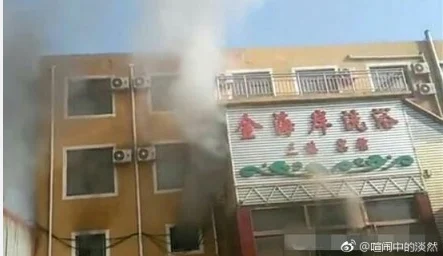
Six individuals perished on Sunday afternoon following a devastating fire at a bathhouse in the Yongnian district of Handan, Hebei province, authorities confirmed on Monday. The tragic incident, which saw two victims pronounced dead at the scene and four others succumb to their injuries after being rushed to the hospital, has ignited a stringent investigation into its origins and prompted immediate, sweeping safety inspections across the city’s commercial establishments.
Chronology of a Catastrophe
The catastrophic event unfolded at approximately 1:51 PM local time on Sunday, December 10, when a fire erupted within the sauna facilities of the Jinhai’an Bath Center. Eyewitness accounts, later corroborated by initial reports from the Hebei Public Security Department via a Sina Weibo post, indicated a rapid escalation of flames and smoke within the establishment. Emergency services, including multiple fire brigades and medical response units, were dispatched immediately upon receiving distress calls. Firefighters battled the blaze, which reportedly spread quickly through the multi-story complex, making rescue efforts challenging due to the layout and potential presence of combustible materials.
Upon gaining control of the fire and commencing search and rescue operations, responders discovered two individuals who had tragically died at the scene. The immediate aftermath saw a frantic effort to transport several injured individuals to nearby hospitals, where medical personnel worked tirelessly to save lives. Despite these efforts, four more victims ultimately succumbed to their severe injuries, bringing the total fatality count to six. The names of the deceased were not immediately released, pending family notification and further investigation. The area surrounding the Jinhai’an Bath Center was cordoned off for an extensive period as investigators began their painstaking work to determine the precise cause and origin of the blaze.
The Setting: Jinhai’an Bath Center and the Broader Industry
The Jinhai’an Bath Center, like many similar establishments across China, served as a popular local hub for relaxation and recreation. These facilities typically offer a range of services beyond simple bathing, including saunas, steam rooms, massage services, lounge areas, and sometimes even dining options. Such venues often feature complex electrical systems to power various heating elements, lighting, and entertainment systems. The interior décor frequently incorporates wood paneling, textiles, and other flammable materials to create a comfortable and aesthetically pleasing atmosphere. While designed for public comfort, these characteristics, coupled with potentially crowded conditions, can present significant fire safety challenges if not meticulously managed.
Yongnian district, a part of Handan city in Hebei province, is an area with a mix of residential and commercial properties. Bathhouses and entertainment venues are common fixtures in such urban and suburban settings, catering to local residents seeking leisure and social interaction. The incident at Jinhai’an Bath Center casts a somber light on the inherent risks associated with such establishments, particularly when safety protocols may be inadequate or neglected. The very design meant for relaxation – often including dimly lit corridors, numerous private rooms, and a labyrinthine layout – can become a deadly trap in the event of a fire, hindering evacuation and rescue efforts.
Investigation Underway and Official Actions
In the wake of the tragedy, Handan authorities swiftly launched a comprehensive investigation. The Hebei Public Security Department confirmed that the cause of the fire remains under thorough examination by specialized teams, including fire investigators and forensic experts. Preliminary inquiries often focus on potential sources of ignition, such as electrical malfunctions, faulty heating equipment in the sauna, or even human error. The structural integrity of the building, the condition of its fire safety equipment, and adherence to building codes and fire regulations will undoubtedly be central to the investigation.
Crucially, the authorities also announced that individuals believed to be responsible for the incident have been detained. While specific identities were not disclosed, such detentions in China typically involve the owner, management, or key personnel responsible for the operation and maintenance of the facility, especially those tasked with ensuring safety standards. Legal repercussions for negligence leading to fatalities in public venues can be severe, ranging from hefty fines and business closure to criminal charges. This immediate action underscores the government’s resolve to hold accountable those whose actions or inactions may have contributed to the loss of life.
Beyond the immediate investigation, the Handan government has taken a proactive stance to prevent future tragedies. A directive was issued to deploy seven specialized inspection teams across the city to conduct urgent and comprehensive safety checks. These citywide inspections are expected to scrutinize various public venues, including other bathhouses, hotels, entertainment centers, shopping malls, and restaurants. The focus of these checks typically includes verifying the functionality of fire alarm systems, emergency lighting, and sprinkler systems; ensuring fire exits are unblocked and clearly marked; assessing the storage of flammable materials; reviewing electrical wiring and appliance maintenance; and confirming staff training in emergency evacuation procedures. This immediate and broad response highlights the gravity with which local authorities are treating the incident and their commitment to reinforcing public safety standards.
Broader Implications for Fire Safety in China
The Jinhai’an Bath Center fire, while a localized tragedy, resonates with broader concerns regarding fire safety in public places across China. The country has, unfortunately, experienced a number of significant fire incidents in commercial and entertainment venues over the years, often pointing to systemic issues such as lax enforcement of regulations, inadequate safety infrastructure, or a failure to prioritize safety over profit. For instance, past incidents in karaoke bars, shopping malls, and other recreational facilities have frequently exposed deficiencies like blocked fire exits, non-functional alarms, and a lack of emergency drills for staff and patrons.
Such incidents often serve as stark reminders of the critical importance of a robust regulatory framework combined with diligent oversight and strict enforcement. While China has comprehensive fire safety laws and regulations on paper, their consistent application and adherence by business operators can sometimes be a challenge. The rapid pace of urban development and the proliferation of new commercial establishments necessitate continuous vigilance from regulatory bodies. This incident in Handan is likely to trigger a renewed nationwide emphasis on fire safety inspections, particularly in establishments that cater to large numbers of people and possess inherent fire risks, such as those with complex electrical systems, numerous heating elements, and flammable interior finishes.
The economic implications of such an event can also be significant. Beyond the immediate closure of the affected establishment, other businesses in the same sector within Handan and potentially Hebei province may face temporary closures for inspections or be required to undertake costly upgrades to meet heightened safety standards. This can impact local economies and employment, albeit with the long-term benefit of enhanced public safety.
Expert Perspectives and Public Awareness
Fire safety experts frequently emphasize several key areas for preventing such tragedies. Regular and thorough maintenance of electrical systems and heating equipment is paramount. All public venues should have clearly marked and unobstructed emergency exits, and staff should be rigorously trained in evacuation procedures and the use of firefighting equipment. Emergency drills, though often perceived as inconvenient, are vital in preparing both staff and patrons for real-life emergencies. Furthermore, the use of fire-retardant materials in construction and interior design can significantly slow the spread of flames and smoke, buying crucial time for evacuation.
The public’s role in fire safety is also crucial. Patrons of bathhouses and other public venues are encouraged to familiarize themselves with exit routes upon entering, report any observed safety hazards, and remain vigilant. Public awareness campaigns often highlight the dangers of overloaded electrical circuits, unattended heating devices, and the importance of not tampering with fire safety equipment.
The Handan bathhouse fire underscores the continuous need for vigilance, strict adherence to safety protocols, and robust regulatory oversight to protect lives in public spaces. As the investigation continues, the findings will be critical in understanding not only what went wrong at the Jinhai’an Bath Center but also in informing future policy and enforcement measures designed to prevent similar tragedies from occurring again. The commitment to citywide safety checks is a crucial first step in demonstrating that the lives lost will not be in vain, and that lessons learned from this devastating event will lead to tangible improvements in public safety across Handan and potentially beyond. The community awaits the full details of the investigation, hoping for clarity and justice for the victims and their families, while authorities work to rebuild trust in the safety of local establishments.


 Evan Lee Salim
 Muslim