Muslim
Chinese leader Xi Jinping is set to undertake a pivotal state visit to the United States this week for high-stakes discussions with President Donald Trump, a trip officially confirmed by Beijing on Monday. The Chinese government articulated its aspirations for the summit, expressing hope that the engagements would fortify "strategic stability" between the world’s two preeminent economies and global powers. The White House had previously signaled the impending meeting, indicating a robust agenda aimed at navigating a complex web of bilateral and international challenges, including lingering trade disputes, the burgeoning race in artificial intelligence, and broader strategic concerns, notably President Trump’s ongoing military campaign in the Middle East.
President Xi’s itinerary schedules his presence in the United States from Wednesday through Friday. In a statement released by the Chinese Foreign Ministry, spokesman Guo Jiakun underscored the anticipated depth of the dialogue, stating that the two leaders would "have an in-depth exchange of views on major issues concerning China-US relations and world peace and development." Beijing, he added, was committed to "working with the US to enrich the substance of the relationship of constructive strategic stability between China and the US… (and) properly manage differences." This framing from Beijing signals a desire for a pragmatic approach, acknowledging points of contention while emphasizing the imperative of maintaining a functional and stable relationship.
The diplomatic protocol for the visit reflects its significance. A US official confirmed that President Trump would personally welcome President Xi at Joint Base Andrews on Wednesday, prior to their substantive meetings slated for the following day. This gesture of a personal welcome from the US head of state is noteworthy, contrasting with President Trump’s previous state visit to Beijing in May of the same year, where he was greeted by China’s vice president upon arrival. The difference in reception underscores the host nation’s intent to convey a particular level of respect and importance attached to the visiting leader. Speaking aboard Air Force One on Sunday, President Trump offered a brief but telling insight into his expectations for the summit, remarking, "I’ll be discussing almost everything with him," hinting at the vast and intricate scope of issues on the table.

The Enduring Trade Imbalance: A Core Economic Challenge
At the forefront of the discussions lies the simmering trade war that has defined a significant portion of US-China economic relations. While a fragile tariff truce has largely held for nearly a year, offering a temporary reprieve, a comprehensive and lasting agreement remains elusive. The trade dispute, which began in earnest several years prior, saw both nations impose punitive tariffs on hundreds of billions of dollars worth of goods, disrupting global supply chains, impacting industries from agriculture to technology, and injecting considerable uncertainty into the global economic outlook.
The core grievances from the US side have historically included China’s intellectual property theft, forced technology transfers, extensive state subsidies to its industries, and persistent market access barriers for American companies. China, in turn, has accused the US of protectionism and attempting to stifle its economic rise. The current tariff truce, while preventing an escalation, has not resolved the fundamental structural issues. In a preparatory move for the summit, China’s top trade negotiator, Vice Premier He Lifeng, has been in the United States, engaging in meetings with Treasury Secretary Scott Bessent. Their discussions are critical to laying the groundwork for any potential breakthroughs or further de-escalation of trade tensions during the leaders’ meeting. The expectation is that both sides will seek a path towards a more equitable and enforceable trade framework, or at minimum, an extension of the current truce to prevent a renewed cycle of tariffs that could severely impact global growth.
The AI Frontier: Competition, Cooperation, and Safeguards

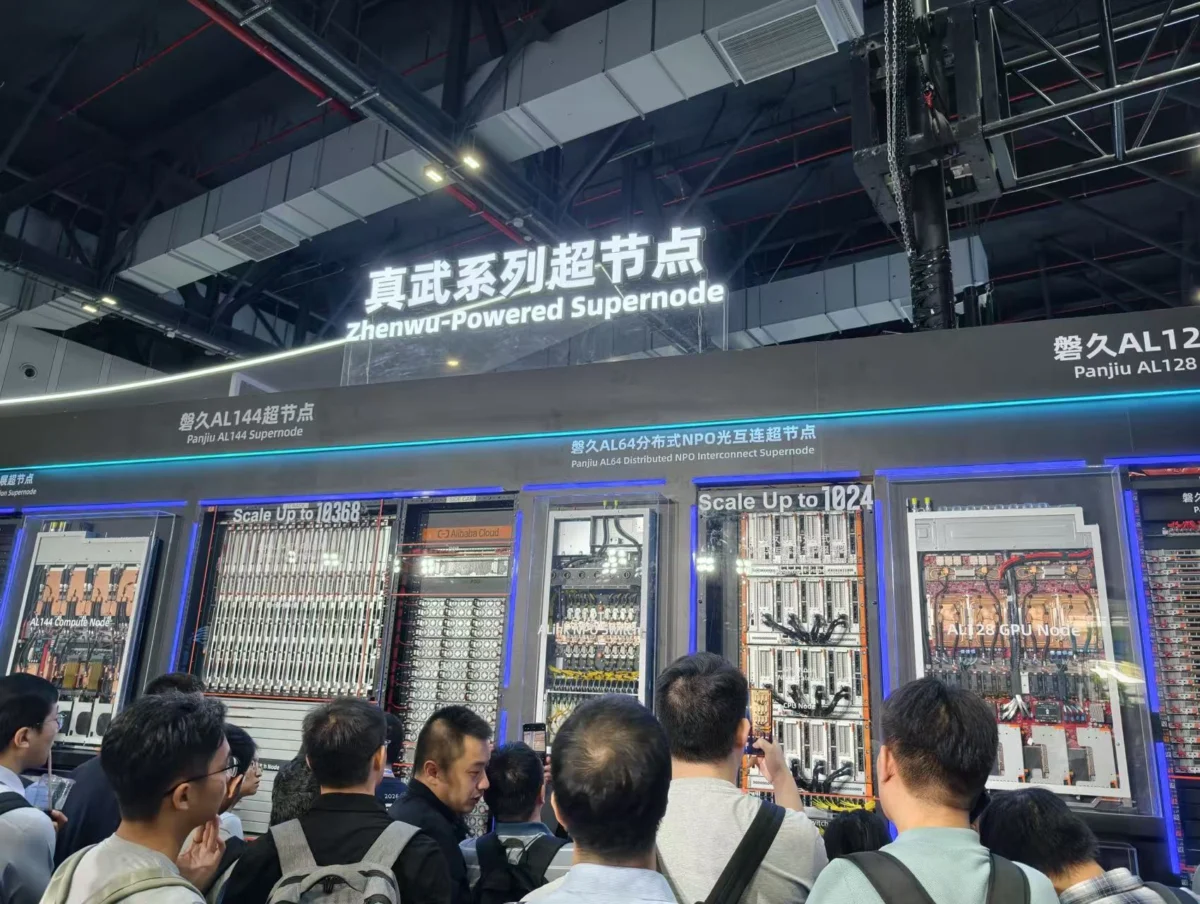
Beyond traditional economic matters, the burgeoning field of artificial intelligence has emerged as a critical domain of both intense competition and potential collaboration. Warnings of an "AI apocalypse," though dramatic, reflect genuine concerns about the rapid, unchecked advancement of AI technologies and their profound implications for national security, economic dominance, and societal structures. Both the United States and China are locked in a fierce race for technological supremacy, investing colossal sums in AI research and development.
This strategic competition has spurred discussions on the need for mechanisms to manage the risks associated with advanced AI. Treasury Secretary Scott Bessent revealed that the US has formally proposed the establishment of a "notification mechanism" between the two countries regarding AI concerns. Such a mechanism would facilitate communication and transparency in the event of potential "incidents" or situations that "rise up to a national security level from AI." This proposal signals a recognition by both powers that, despite their rivalry, the global and existential risks posed by AI necessitate a degree of shared understanding and crisis management to prevent unintended escalation or catastrophic errors. The Sunday meeting between Vice Premier He Lifeng and Secretary Bessent saw the creation of an initial communication channel for AI concerns, marking a tentative step towards this broader notification framework. The outcome of the leaders’ discussions on this topic could set a precedent for international governance in a rapidly evolving technological landscape.
Middle East Instability: The Shadow of the Iran Conflict
Adding another layer of geopolitical complexity to the summit agenda is President Trump’s ongoing "war in the Middle East," which has entered its seventh month. The conflict, though not explicitly detailed in its nature within the article, clearly involves Iran, with China seeking to navigate and potentially mitigate the impact of stringent US sanctions against countries that continue to engage with Tehran. China holds a significant position as one of Iran’s top economic partners and diplomatic backers, being a major purchaser of Iranian oil output and having actively sought to mediate in the protracted conflict.

The US stance on Iran, characterized by "maximum pressure" and widespread sanctions, puts Beijing in a precarious position. China’s energy security and its broader economic interests are intertwined with its relationship with Iran, making compliance with US sanctions a difficult proposition. The leaders’ discussions are expected to touch upon the regional stability, the humanitarian consequences of the conflict, and the broader implications for global energy markets. China’s potential role as a mediator, or at least a facilitator of de-escalation, could be a topic of intense private deliberation, as both nations grapple with the volatile dynamics of the Middle East and its far-reaching global repercussions. The duration of the conflict suggests a deeply entrenched situation, making any path to resolution or even containment immensely challenging.
Taiwan: A Geopolitical Flashpoint
The specter of military confrontation over Taiwan, the self-ruled democratic island that Beijing claims as an integral part of its territory, continues to cast a long shadow over US-China relations. The "One China" policy, a cornerstone of Beijing’s foreign policy, stands in stark contrast to Taiwan’s de facto independence and the US’s long-standing commitment under the Taiwan Relations Act to provide Taiwan with the means to defend itself. Taipei relies heavily on Washington’s political and military support to counter the increasing pressure from mainland China, which frequently conducts military drills near the island and maintains an assertive posture.
In July of the preceding year, China’s top diplomat, Wang Yi, delivered a stern warning to US Secretary of State Marco Rubio, asserting that improving ties between their two countries "requires action," with the implication that US actions concerning Taiwan could undermine bilateral relations. This warning came shortly after Secretary Rubio’s statement in June, indicating that a massive $14 billion arms sale package to Taiwan was "under review." President Trump, known for his transactional approach to foreign policy, had previously referred to such arms sales as a "very good negotiating chip" in dealings with China. This perspective, while potentially offering leverage, also risks exacerbating tensions and raising concerns about the consistency of US policy towards Taiwan. The summit will undoubtedly address this highly sensitive issue, with China pressing for a reduction in US support for Taiwan, and the US reaffirming its commitments while potentially seeking concessions elsewhere. The delicate balance in the Taiwan Strait remains one of the most volatile potential flashpoints in global geopolitics.

Rare Earths: China’s Strategic Leverage
Adding to China’s arsenal of negotiating tools is its overwhelming dominance in the supply of rare earths. These 17 elements are indispensable critical materials, vital for the manufacturing of a vast array of high-tech products, from smartphones and electric vehicles to advanced military equipment and renewable energy technologies. China controls a significant portion, often over 80%, of the world’s rare earth processing capacity, giving it immense leverage in global supply chains.
The article highlights a past instance where Beijing successfully pressured Washington to retract "sky-high tariffs" by imposing stringent controls on exports of rare earths. This move demonstrated China’s willingness and capability to weaponize its control over these strategic resources, underscoring the vulnerability of US manufacturers and other global industries that rely on a stable supply. The discussions at the summit will likely involve this strategic commodity, with the US seeking assurances of stable supply and exploring diversification strategies, while China will undoubtedly view its rare earth dominance as a potent bargaining chip in any broader trade or strategic negotiations. The issue of rare earths is emblematic of the deeper economic interdependence and strategic competition between the two nations.
Summit Logistics and Diplomatic Nuances

The diplomatic choreography surrounding the visit carries its own significance. President Trump’s personal welcome of President Xi at Joint Base Andrews, a military facility often used for welcoming foreign dignitaries, is a symbolic gesture. It implies a direct engagement from the moment of arrival, setting a tone of high-level engagement from the outset. This contrasts with President Trump’s arrival in Beijing in May of the same year, where he was met by China’s vice president, a protocol that, while standard, lacks the personal touch of a head-of-state greeting. Such nuances in diplomatic protocol are often carefully considered by both sides to convey messages about the perceived importance and nature of the relationship.
Expert Analysis and Outlook
Despite the ambitious agenda and the symbolic gestures, analysts remain cautious about the immediate prospects for transformative breakthroughs. Kurt Campbell, a former US deputy secretary of state and a seasoned observer of US-China relations, tempered expectations for the summit. Speaking to AFP, Campbell stated, "One of the only things we can hope for in the short term is a truce, and that this will likely continue through the remainder of this year." This assessment reflects a prevalent view among foreign policy experts that the fundamental divergences between the two superpowers, particularly on issues like trade, technology, and geopolitical influence, are too deep-seated for quick resolutions.
The summit is therefore largely seen as an exercise in managing an increasingly complex and competitive relationship, rather than a forum for forging grand new agreements. The focus will likely be on de-escalation, establishing communication channels, and preventing misunderstandings from spiraling into crises. The very act of dialogue between the leaders of the world’s two largest economies, especially given the backdrop of global tensions and the ongoing Middle East conflict, is in itself considered a success by some, as it provides a critical avenue for direct communication and the potential to "properly manage differences," as articulated by Beijing.

Conclusion
As President Xi Jinping arrives in the United States for his crucial talks with President Donald Trump, the world watches with bated breath. The summit represents a critical juncture in US-China relations, a relationship defined by both immense interdependence and profound strategic rivalry. From navigating the intricacies of a simmering trade war and the existential questions posed by the AI race, to managing the geopolitical volatility of the Middle East and the perennial flashpoint of Taiwan, the agenda is fraught with challenges. While expectations for immediate, sweeping agreements may be low, the necessity of these dialogues for maintaining "constructive strategic stability" and preventing escalation cannot be overstated. The outcome of these discussions will undoubtedly reverberate across global markets, diplomatic corridors, and the international security landscape for years to come, shaping the trajectory of the 21st century.


 Laily UPN
 Azzam Bilal Chamdy